Product photography rewards control more than any other genre. There's no decisive moment to wait for and no expression to catch; there's a still object and the light you shape around it. That's why beginners who buy gear before learning light stall, and why the reading order matters.
The sequence below moves from fundamentals of exposure to the physics of light, then to studio technique, then to the commercial and finishing craft that turns clean shots into sellable images.
Exposure and the physics of light
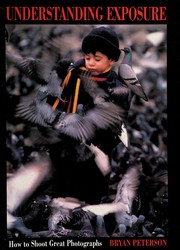
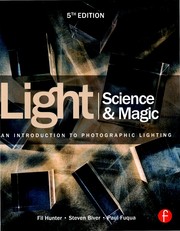
Start with Understanding exposure by Bryan Peterson to lock down aperture, shutter, and ISO as creative tools rather than settings. Then Light-- science and magic by Fil Hunter is the cornerstone of the whole genre: it explains how surfaces reflect, and how to light metal, glass, and matte objects predictably. Read these two closely before touching a strobe.
Shape light in the studio
Now put it to work. Studio Lighting Anywhere and The hot shoe diaries, both by Joe McNally, teach small-flash technique and the habit of building light one source at a time. Pair them with The Photographer's Eye by Michael Freeman, which sharpens composition so your controlled light lands in a frame that actually works.
Commercial and finishing craft
With light handled, specialize and finish. Plate to Pixel by Helene Dujardin adapts these skills to food, one of the most demanding product niches, and Commercial Photography Handbook by Kirk Tuck covers the business and workflow of shooting for clients. Finally, The Adobe Photoshop Lightroom Classic Book for Digital Photographers by Scott Kelby gives you a repeatable editing and delivery pipeline so your results are consistent.
Worked in order, you'll control an image from empty set to final file. If shaping light for a stage or set appeals, the related lighting design path goes deeper. Follow the full reading path to build the skill end to end.
Follow the full reading path →
Ready to learn something deeply?
Build a reading path — free