Fashion design: the best books to learn the craft in order
This curriculum takes you from the very first pencil strokes of fashion illustration through the technical craft of pattern making and garment construction, finishing with the creative and professional skills needed to design your own original clothes. Each stage builds directly on the last — you'll develop an eye before you develop a pattern, and understand construction before you design for it.
Foundations: Drawing & Seeing Fashion
BeginnerLearn to sketch the fashion figure, understand proportion, and develop a visual language for communicating design ideas on paper.
▸ Study plan for this stage
Pace: 4–5 weeks, ~25–30 pages/day, with 3–4 dedicated drawing practice sessions per week (90 minutes each)
- The nine-head proportion system and its application to the fashion figure
- Gesture drawing and capturing movement to convey design intent
- Construction techniques: blocking in the figure with basic shapes before refinement
- The fashion silhouette and how it differs from anatomical accuracy
- Fabric drape, folds, and how textiles interact with the body
- Developing a personal sketching style and visual shorthand for quick ideation
- Using the fashion figure as a vehicle for communicating design details (seams, closures, embellishments)
- How does the nine-head proportion system differ from realistic human anatomy, and why is it used in fashion illustration?
- What is the purpose of gesture drawing in fashion design, and how does it differ from detailed rendering?
- Describe the basic construction method for blocking in a fashion figure before adding details.
- How do fabric drape and folds change the appearance of a garment on the figure, and what techniques help convey this on paper?
- What elements make up a personal sketching style, and why is developing one important for a fashion designer?
- How do you use the fashion figure to communicate specific design details such as seams, necklines, or closures?
- Complete 20 quick gesture sketches (2–3 minutes each) of the fashion figure in various poses using Abling's methods, focusing on capturing movement and proportion
- Draw 10 fashion figures using the nine-head proportion system, progressing from basic construction lines to fully rendered figures with clothing
- Sketch 5 different garments (dress, jacket, pants, skirt, top) on the fashion figure, paying close attention to how fabric drapes and folds at joints and hems
- Create a personal fashion sketchbook page (8–10 figures) using your own shorthand and style, experimenting with different media (pencil, markers, ink)
- Redraw the same garment on 3 different figure poses to understand how silhouette and proportion change with stance and movement
- Develop a 'croquis library'—a collection of 15–20 reusable fashion figure templates in various poses that you can photocopy or trace for quick design ideation
Next up: This foundation in figure drawing and visual communication prepares you to move into the next stage—designing actual garments—by giving you the technical skill and visual vocabulary to quickly translate design concepts into clear, communicative sketches that others can understand.
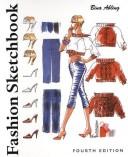
The single most widely used beginner text for fashion drawing — it teaches the croquis figure, proportion, and how to render garments step by step, giving you the essential visual vocabulary before anything else.
Builds directly on basic figure drawing by introducing color, texture, and different rendering techniques, helping you move from stiff sketches to expressive, communicative fashion illustrations.
Design Thinking: Concept & Creativity
BeginnerUnderstand how professional designers develop ideas, build mood boards, research trends, and translate inspiration into a cohesive collection concept.
▸ Study plan for this stage
Pace: 2–3 weeks, ~25–30 pages/day, with dedicated practice days for mood boards and concept development
- The design process: research, inspiration, concept development, and execution
- Mood boards as visual communication tools for capturing aesthetic direction and brand identity
- Trend forecasting and how to analyze fashion trends to inform design decisions
- Inspiration sources: art, nature, culture, history, and how to translate them into design concepts
- The relationship between concept and collection: how a single idea evolves into a cohesive body of work
- Sketching and visual thinking as core tools for developing and refining design ideas
- The role of color, silhouette, and fabric in translating a concept into wearable designs
- What are the key stages of the fashion design process, and how does each stage build on the previous one?
- How do mood boards function as design tools, and what elements should be included to effectively communicate a design concept?
- What methods can you use to research and identify emerging fashion trends, and how do you apply those trends to your own design work?
- Where do professional designers find inspiration, and how do you systematically translate inspiration into a coherent design concept?
- How does a designer ensure that individual pieces within a collection feel cohesive and connected to a central concept?
- What is the relationship between sketching, color exploration, and fabric selection in the early stages of design development?
- Create a mood board (digital or physical) for a fictional fashion brand or collection concept, including images, color swatches, textures, and typography that communicate a clear aesthetic direction
- Research a current or emerging fashion trend using at least three sources (fashion blogs, runway shows, street style); document your findings and propose how you would incorporate or subvert this trend in a design
- Develop a design concept statement (200–300 words) that articulates a single unifying idea, its inspiration sources, and how it will translate into a 5–8 piece collection
- Sketch 8–10 design variations exploring how a single concept can be expressed through different silhouettes, fabrics, and color palettes
- Collect inspiration from non-fashion sources (art, architecture, nature, film) and create a visual map showing how each source informs specific design decisions
- Curate a mini-collection (3–5 pieces) where every element—silhouette, color, fabric, and detail—directly connects back to your central concept; document the reasoning behind each choice
Next up: This stage establishes the conceptual and creative foundation that underpins all design work; mastering how to develop, visualize, and communicate design ideas prepares you to move into technical skills like pattern-making, garment construction, and the practical realization of those concepts into finished pieces.
A comprehensive and widely respected overview of the fashion design process used in art schools worldwide, covering research, concept development, fabric selection, and portfolio building in a logical sequence.
Understanding Fabric & Garment Structure
IntermediateDevelop a working knowledge of textiles, how fabrics behave, and how garments are structured — the essential bridge between design ideas and making them real.
▸ Study plan for this stage
Pace: 4–5 weeks, ~25–30 pages/day. Start with Hallett's fabric guide (2 weeks), then move to Reader's Digest sewing guide (2–3 weeks), with overlapping practice throughout.
- Natural vs. synthetic fibers: properties, origins, and performance characteristics (cotton, wool, silk, linen, polyester, nylon, acrylic, elastane)
- Yarn construction and fabric weaves: how fibers become yarns and how yarns are interlocked (plain weave, twill, satin, knits) to create different fabric behaviors
- Fabric properties and hand: weight, drape, stretch, resilience, and how to assess these tactilely and visually
- Garment structure fundamentals: seams, seam allowances, grain lines, and how pattern pieces relate to fabric grain and stretch
- Pattern layout and cutting: how to position pattern pieces on fabric to account for grain, nap, and fabric direction
- Basic sewing techniques: hand and machine stitching, seam finishing, and how construction methods affect garment durability and appearance
- Fabric selection for design intent: matching fiber content, weave, and weight to garment type and desired silhouette
- Quality assessment: recognizing well-constructed garments and identifying common construction flaws
- What are the key differences between natural and synthetic fibers in terms of comfort, durability, and care, and how do these differences influence design choices?
- How do different weave structures (plain, twill, satin) and knit types affect fabric drape, stretch, and suitability for specific garment types?
- What is fabric grain, why does it matter in pattern layout, and how do you account for nap and directional prints when cutting?
- What are the main types of seams and seam finishes, and when would you choose one over another based on fabric type and garment purpose?
- How do you assess a fabric's hand and weight, and what role do these properties play in selecting fabric for a particular design?
- What are the steps in preparing fabric before cutting, and why is this preparation essential for a well-finished garment?
- Fiber identification lab: Collect 10–15 fabric swatches (cotton, wool, silk, linen, polyester, nylon, blends). Test each for burn characteristics, stretch, recovery, and drape. Document properties and match to fiber content labels.
- Weave analysis: Examine 6–8 fabric samples under magnification or with a loupe. Sketch the weave structure (plain, twill, satin, knit) and note how weave affects drape and stretch.
- Grain line practice: Cut and mark grain lines on 3 different fabric pieces. Practice laying out simple pattern pieces (rectangles, basic bodice) accounting for grain direction and nap.
- Seam sampler: Sew 6–8 different seam types (plain, French, flat-fell, bound, mock flat-fell) on scrap fabric. Test durability and finish quality. Document which seams work best for different fabric weights.
- Hand assessment exercise: Evaluate 5 fabrics for weight, drape, stretch, and resilience without looking at labels. Predict fiber content and garment suitability, then verify against labels.
- Garment deconstruction: Carefully unpick a simple ready-made garment (thrift store find). Trace seams, note seam finishes, grain direction, and construction sequence. Identify quality markers and flaws.
Next up: This stage equips you with the material vocabulary and structural literacy needed to move into pattern drafting and garment design, where you'll apply these fabric and construction principles to create original designs that work in three dimensions.
Covers natural and synthetic fibers, weaves, and fabric properties in a visually rich format, giving you the material literacy every designer needs before touching a pattern or sewing machine.
A canonical, encyclopedic reference for garment construction techniques — seams, darts, closures, hems — that grounds your understanding of how clothes are physically assembled, which directly informs better design decisions.
Pattern Making: Turning Design into Reality
IntermediateLearn to draft, alter, and manipulate flat patterns so that your sketched designs can be translated into accurately fitted, sewable garments.
▸ Study plan for this stage
Pace: 8–10 weeks, ~25–30 pages/day, with 2–3 days per week dedicated to hands-on pattern drafting and fitting exercises
- Foundational measurement techniques and how to take accurate body measurements for pattern grading
- Basic flat pattern drafting methods: constructing bodice, sleeve, and skirt blocks from measurements
- Dart manipulation and control: how darts shape fabric to the body and how to relocate them without changing fit
- Pattern grading and scaling: how to grade patterns up and down across size ranges while maintaining proportions
- Seam allowances, grain lines, and pattern notation: the technical language and markings that make patterns reproducible
- Alteration and fitting techniques: how to adjust patterns based on fitting trials and individual body variations
- Translating 2D flat patterns into 3D garment form: understanding how pattern pieces interact when sewn together
- What are the standard measurement points on the human body, and why is accuracy in measurement critical to pattern drafting?
- How do you draft a basic bodice block, and what role do darts play in shaping it to fit the torso?
- Explain dart manipulation: how can you move a dart from one location to another without changing the total amount of shaping?
- What is pattern grading, and how do you ensure that a graded pattern maintains proper proportions and fit across different sizes?
- How do seam allowances, grain lines, and notches function as instructions for the pattern user, and why must they be marked precisely?
- Given a fitting problem (e.g., excess fabric at the armhole, tight across the bust), how would you identify and execute the pattern alteration needed?
- Take accurate body measurements on a dress form or live model using the methods from Armstrong's chapters on measurement; compare your results with a partner to verify consistency
- Draft a basic bodice block from measurements using Armstrong's step-by-step method, then check the fit by pinning the pattern to a dress form or muslin mock-up
- Practice dart manipulation: take your drafted bodice block and relocate a bust dart to the shoulder seam or neckline using the pivot method, then verify the new pattern still fits the dress form
- Grade your bodice block up one size and down one size using Knowles' grading guidelines; measure key points to ensure proportional increases/decreases
- Draft a basic sleeve block and attach it to your bodice block; sew a muslin test garment and identify any fit issues (cap ease, armhole depth, sleeve length)
- Create a simple skirt block from measurements, then practice making alterations: add length, adjust waist ease, and modify the A-line by changing the side seam angle
- Annotate a completed pattern with all necessary markings: grain lines, seam allowances, notches, dart legs, and construction notes, following the standards in both texts
- Fit-test a garment sewn from your patterns on a live model; document any gaps or tightness, then trace the necessary pattern adjustments and re-draft the corrected piece
Next up: Mastery of flat pattern drafting and alteration equips you to confidently scale your design sketches into graded, production-ready patterns—the foundation for moving into garment construction, advanced design techniques, or professional patternmaking workflows.

The definitive, industry-standard patternmaking textbook used in fashion schools globally — it starts with basic blocks and progresses through darts, manipulation, and complex garment types in a clear, methodical order.
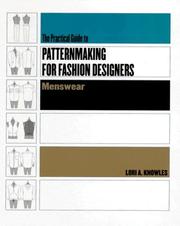
A more accessible companion to Armstrong that reinforces core patternmaking concepts with clear diagrams and practical exercises, helping solidify skills before moving to advanced construction.
Advanced Construction & Designing Your Own Collection
ExpertMaster advanced construction and tailoring techniques, and learn how to synthesize all prior skills into designing, making, and presenting an original fashion collection.
▸ Study plan for this stage
Pace: 8–10 weeks, ~25–30 pages/day for Vogue/Butterick (weeks 1–4), then ~20 pages/day for Barthes (weeks 5–8), with 2 weeks for collection synthesis and presentation
- Advanced seam finishes, interfacing, and hemming techniques for professional garment construction
- Pattern grading, fitting adjustments, and tailoring methods for custom garment shaping
- Specialized techniques for different fabric types (knits, silks, wools, technical fabrics)
- Fashion as a semiotic system: how clothing communicates meaning through signs, codes, and cultural context
- The relationship between fashion design intent and how consumers interpret garment meaning
- Synthesizing technical mastery with conceptual design thinking to create a coherent collection narrative
- Collection development: theme, silhouette consistency, color/texture progression, and market positioning
- Presenting a collection through mood boards, technical flats, and garment documentation
- What are the differences between bound seams, French seams, and flat-felled seams, and when is each most appropriate?
- How do you grade a pattern to create multiple sizes while maintaining design integrity?
- What are the key considerations when tailoring a garment for a specific body type or fit preference?
- According to Barthes, how does fashion function as a language system, and what is the difference between the garment itself and its representation?
- How do cultural codes and social conventions shape the meaning of a garment, and how can a designer leverage this in their collection?
- How do you develop a cohesive collection narrative that connects individual pieces through theme, silhouette, color, and construction?
- What elements should be included in a professional collection presentation, and how do technical and conceptual documentation work together?
- Practice three advanced seam finishes (bound, French, and flat-felled) on scrap fabric in different weights; document the results with photos and notes on when you'd use each
- Grade a simple pattern (e.g., a basic bodice or sleeve) up and down two sizes, checking that proportions and seam lines remain balanced
- Construct a tailored garment (jacket, structured dress, or coat) using at least two advanced techniques from Vogue/Butterick; fit it to a dress form or model and make adjustments
- Analyze three existing garments (from different designers or price points) through a Barthesian lens: identify the signs, codes, and cultural meanings embedded in each piece
- Create a mood board for your original collection that establishes theme, color palette, silhouette direction, and target market; annotate it with references to Barthes' ideas about fashion meaning
- Design and construct 5–7 pieces for your original collection, ensuring each piece demonstrates at least one advanced construction technique and contributes to a unified narrative
- Document your collection with professional flat sketches, technical specifications, and a written statement explaining the conceptual intent and how construction choices reinforce the collection's meaning
- Present your collection to peers or mentors, explaining both the technical execution and the semiotic strategy behind your design choices
Next up: This stage equips you with both the technical precision to execute any design and the theoretical framework to understand fashion as meaningful communication, preparing you to either specialize in a particular design niche (e.g., sustainable fashion, menswear, avant-garde) or move into professional practice with a portfolio and design philosophy grounded in both craft and cultural awareness.

A thorough, professional-level construction reference covering tailoring, couture techniques, and complex garment assembly — the go-to resource when your designs demand a higher level of finish and precision.
A thought-provoking, advanced text that examines fashion as a language and cultural system, pushing you to think critically and conceptually about what your designs communicate — essential for developing a distinctive design voice.
Discussion
Keep reading
Paths that share books, cover the same subject, or open a related topic.