The Best Books on Dyslexia, in Order
This curriculum moves from accessible, story-driven introductions to the science of the dyslexic brain, then into practical strategies for supporting struggling readers, and finally into empowering perspectives on thriving with reading differences. Each stage builds the conceptual vocabulary and emotional grounding needed to go deeper in the next, making the path equally valuable for parents, educators, and curious learners.
Foundations: What Dyslexia Really Is
BeginnerUnderstand what dyslexia is (and isn't), dispel common myths, and gain a compassionate, accurate mental model of how dyslexic individuals experience reading.
▸ Study plan for this stage
Pace: 4–5 weeks, ~25–30 pages/day. Start with "Overcoming Dyslexia" (approximately 400 pages over 2–3 weeks), then move to "The Dyslexic Advantage" (approximately 300 pages over 2 weeks).
- Dyslexia is a neurobiological difference in how the brain processes phonological information, not a sign of low intelligence or laziness
- The phonological core deficit: difficulty with phoneme awareness, decoding, and rapid naming, rooted in how the brain's language systems are organized
- How the brain's reading circuitry works normally and where it differs in dyslexic readers (from Shaywitz's neuroscience framework)
- Common myths about dyslexia (e.g., letter reversal, mirror writing, visual processing as primary cause) and why they persist
- Dyslexia exists on a spectrum and can co-occur with other conditions (ADHD, dyscalculia); early identification and intervention are critical
- Dyslexic individuals often possess cognitive strengths in areas like spatial reasoning, creative thinking, and big-picture problem-solving (the 'dyslexic advantage')
- The emotional and social impact of undiagnosed or unsupported dyslexia on self-esteem, motivation, and identity
- Evidence-based interventions (structured literacy, phonics-based approaches) work because they target the phonological deficit directly
- What is the phonological core deficit, and why is it considered the primary characteristic of dyslexia rather than visual processing problems?
- How does the dyslexic brain's language circuitry differ from non-dyslexic brains, according to neuroimaging research presented in Shaywitz's work?
- Name three common myths about dyslexia and explain why each is inaccurate based on what you've learned.
- What are some cognitive strengths that dyslexic individuals often possess, and how might these be leveraged in learning and work environments?
- Why is early identification and intervention important for dyslexic children, and what are the long-term consequences of leaving dyslexia unaddressed?
- How does understanding dyslexia as a neurobiological difference (rather than a deficit or character flaw) change the way we should approach supporting dyslexic individuals?
- Create a visual diagram or concept map showing how the phonological core deficit affects decoding, fluency, and spelling in dyslexic readers.
- Write a 1–2 page reflection comparing a dyslexic person's reading experience to a non-dyslexic person's, using specific examples from the books.
- Conduct a 'myth-busting' exercise: list 5–6 common dyslexia myths you've encountered, then write a 2–3 sentence evidence-based correction for each using the books.
- Interview a dyslexic individual (or watch a recorded interview) about their strengths and challenges; document how their experience aligns with or differs from what Eide describes as 'dyslexic advantages.'
- Design a one-page 'dyslexia primer' for a parent or teacher unfamiliar with the condition, synthesizing key concepts from both books in accessible language.
- Create a timeline showing how dyslexia manifests across different life stages (early childhood, school age, adulthood), based on examples and case studies in Shaywitz's work.
Next up: This foundation equips you with an accurate, compassionate understanding of what dyslexia is neurobiologically and experientially, preparing you to explore practical identification methods, assessment tools, and intervention strategies in the next stage.
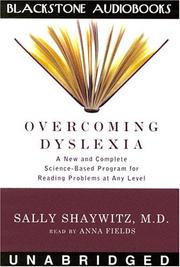
The single best starting point — written by a leading Yale neuroscientist in plain language, it defines dyslexia clearly, explains its prevalence, and reassures readers that it is identifiable and treatable. Read this first to build a solid, science-backed foundation.
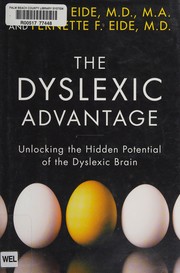
After understanding what dyslexia is, this book reframes it as a different cognitive profile with genuine strengths. Reading it second prevents the deficit-only mindset and introduces the idea that dyslexic brains are wired differently, not broken.
Inside the Dyslexic Brain: The Science of Reading
IntermediateUnderstand the neuroscience and cognitive science behind how all brains learn to read, why the process breaks down in dyslexia, and what phonological processing actually means.
▸ Study plan for this stage
Pace: 6–8 weeks, ~25–30 pages/day (approximately 2–3 weeks per book, allowing time for reflection and note-taking)
- The reading brain is not innate—it requires neural rewiring and develops through cultural invention and individual learning
- Phonological processing: the ability to recognize, manipulate, and retrieve the sounds of language, which is foundational to decoding
- The dual-route reading system: phonological (sound-based) and orthographic (visual-pattern) pathways, and how dyslexia disrupts the phonological route
- Brain imaging evidence (fMRI, PET scans) showing differences in left hemisphere activation patterns between typical and dyslexic readers
- The critical role of the left temporo-parietal region and left inferior frontal gyrus in phonological awareness and reading fluency
- How the reading brain changes across the lifespan and why deep reading requires sustained cognitive engagement
- The threat of cognitive offloading: how digital media and skimming habits reshape neural circuits for attention and comprehension
- Neuroplasticity and compensatory pathways: how dyslexic brains can develop alternative reading strategies with appropriate intervention
- What does Maryanne Wolf mean by 'the reading brain is a work in progress,' and how does this concept challenge the idea that reading is a natural ability?
- Explain the phonological deficit hypothesis: why is phonological processing difficulty central to understanding dyslexia?
- Describe the neural circuits involved in reading (including the left temporo-parietal and inferior frontal regions) and what happens when these circuits are disrupted in dyslexia.
- What is the dual-route reading system, and how do phonological and orthographic pathways work together in skilled readers?
- According to Wolf's research in 'Reader, Come Home,' how are digital reading habits reshaping the reading brain, and what cognitive capacities are at risk?
- What does neuroplasticity tell us about the potential for intervention and compensation in dyslexic readers?
- Create a visual diagram of the reading brain showing key regions (left temporo-parietal cortex, inferior frontal gyrus, visual word form area) and annotate what each region does during reading and where disruption occurs in dyslexia.
- Read a passage aloud slowly, then quickly, and journal about the cognitive effort required at each pace. Reflect on how this relates to Wolf's discussion of automaticity and fluency in the reading brain.
- Conduct a phonological awareness self-assessment: perform rhyming tasks, syllable segmentation, and phoneme manipulation exercises (e.g., 'say cat without the /c/ sound'). Document which tasks feel effortless versus effortful, and connect this to the phonological processing concept.
- Compare your reading experience on a printed page versus a screen for 15 minutes each. Track your attention span, comprehension, and subjective sense of 'deep reading' in both conditions. Write a reflection connecting this to Wolf's warnings about digital cognition.
- Create a timeline showing how the reading brain develops from infancy through adulthood, using specific examples from 'Proust and the Squid' (e.g., Proust's childhood reading experiences, the historical emergence of silent reading).
- Identify and analyze one case study or example of a dyslexic individual from the books (e.g., a historical figure or research participant). Map their phonological difficulties onto the neural circuits discussed, explaining which brain regions are likely involved.
Next up: This stage establishes the neurobiological and cognitive foundations of reading and dyslexia, preparing you to move into practical assessment, diagnosis, and intervention strategies in the next stage.
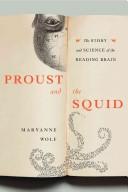
Wolf traces the history and neuroscience of reading itself, explaining how the brain was never 'born to read' and must rewire itself. This context is essential before diving into what goes wrong in dyslexia.

Wolf's follow-up explores how the reading brain develops and can be disrupted — directly relevant to dyslexia. Reading it after Proust and the Squid lets you apply her neuroscience framework to struggling readers specifically.
Supporting Kids: Identification, Intervention & the Classroom
IntermediateKnow how to identify dyslexia early, understand evidence-based interventions (especially structured literacy), and learn how to advocate for and support a struggling child at home and school.
▸ Study plan for this stage
Pace: 8–10 weeks, ~25–30 pages/day. Start with Hall (2–3 weeks), move to Mather (3–4 weeks), finish with Foss (2–3 weeks). Include 1–2 review days per week.
- Early warning signs and screening markers of dyslexia (phonological awareness, letter-sound knowledge, fluency gaps) from Hall's framework
- The structured literacy approach: phonics, phonemic awareness, fluency, vocabulary, and comprehension as interconnected pillars per Mather's evidence-based model
- Formal vs. informal assessment tools and how to interpret dyslexia assessment results to guide intervention selection
- Multi-sensory, explicit, and systematic instruction techniques for struggling readers, including Orton-Gillingham principles referenced in Mather
- Accommodations, modifications, and assistive technology (text-to-speech, audiobooks, overlays) as practical supports per Foss
- Advocacy strategies: understanding IEP/504 plans, communicating with schools, and building a support team around the child
- The emotional and social impact of reading difficulties on self-esteem and motivation, and how to foster resilience per Foss's empowerment model
- Home-based intervention strategies and how parents can reinforce classroom instruction without overwhelming the child
- What are the key early warning signs of dyslexia that parents and teachers should watch for in kindergarten and first grade, according to Hall?
- How do phonological awareness, phonemic awareness, and phonics differ, and why does Mather emphasize all three in structured literacy intervention?
- What is the difference between a screening tool and a comprehensive dyslexia assessment, and what information does each provide?
- Describe a structured literacy lesson plan (phonemic awareness, phonics, fluency, vocabulary, comprehension) based on Mather's framework.
- What are three specific accommodations or assistive technologies you could recommend for a child with dyslexia, and when would you use each (per Foss)?
- How would you explain dyslexia to a child in a way that builds confidence rather than shame, using Foss's empowerment approach?
- What steps would you take to advocate for a child who is struggling to read in a school that is not yet providing structured literacy instruction?
- Create a one-page screening checklist based on Hall's early warning signs; use it to observe a child (your own, a relative, or a volunteer) and document findings.
- Conduct a phonemic awareness assessment with a child (rhyming, syllable segmentation, initial sound identification) and analyze results using Mather's framework.
- Design a 10-minute structured literacy mini-lesson (pick one component: phonemic awareness, phonics, or fluency) following Mather's explicit, systematic approach; teach it to a child or peer and reflect.
- Obtain a sample IEP or 504 plan (anonymized); annotate it to identify dyslexia-related goals, accommodations, and evidence-based interventions aligned with Mather's model.
- Interview a parent or teacher about their experience supporting a struggling reader; map their strategies onto Foss's empowerment principles and identify gaps.
- Build a home support toolkit: select 3–5 low-cost, evidence-based activities (games, books, apps) that reinforce structured literacy and document why each aligns with Hall and Mather's principles.
Next up: This stage equips you with the practical knowledge to identify, assess, and intervene with struggling readers in real-world settings; the next stage will deepen your understanding of the neuroscience underlying dyslexia and explore advanced assessment and intervention for complex cases.
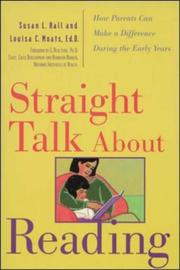
A practical, parent-friendly guide to early reading development and what to do when a child struggles. It bridges the science from Stage 2 into concrete, actionable steps and is best read before more intervention-focused texts.

A thorough, evidence-based guide to formal assessment and structured intervention strategies. Reading it after Hall's accessible overview ensures you have the vocabulary to understand evaluation reports and intervention plans.
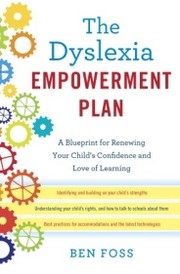
Written by a dyslexic adult and advocate, this book gives parents a roadmap for building a child's confidence alongside academic skills — a crucial complement to the clinical intervention focus of Mather's book.
Thriving: Living and Leading with Dyslexia
ExpertSynthesize everything into a long-term vision — how dyslexic individuals can build on their strengths, find their own path to literacy and success, and contribute their unique perspective to the world.
▸ Study plan for this stage
Pace: 4–5 weeks, ~25–30 pages/day. Allocate 2–3 weeks for "The Gift of Dyslexia" (approx. 280 pages) and 2 weeks for "Thinking in Pictures" (approx. 280 pages), with overlap possible for reflection and integration.
- Dyslexia as a difference, not a deficit: Davis's framework of the dyslexic mind as a gift with unique perceptual and creative strengths
- Disorientation and picture thinking: Understanding how dyslexic individuals process information differently through visualization and spatial reasoning
- Strengths-based identity: Recognizing and leveraging talents like creativity, pattern recognition, and holistic thinking rather than focusing on reading deficits
- Metacognitive awareness: Developing self-knowledge about one's own learning style, triggers for confusion, and personal strategies for success
- From compensation to contribution: Transitioning from struggling to survive academically to thriving by building on natural talents and finding aligned career paths
- Neurodiversity as an asset: Grandin's model of thinking in pictures as a valuable cognitive style that produces innovation and unique problem-solving
- Personal agency and self-advocacy: Taking ownership of one's learning journey and communicating needs and strengths to others
- Building a sustainable long-term vision: Creating a life plan that honors dyslexic strengths while addressing literacy needs pragmatically
- How does Davis reframe dyslexia as a gift rather than a disorder, and what specific strengths does he associate with the dyslexic mind?
- What is disorientation in Davis's model, and how does understanding it help dyslexic individuals manage their learning experiences?
- How does Temple Grandin's concept of 'thinking in pictures' relate to the strengths Davis identifies, and what does she reveal about the value of visual-spatial cognition?
- What are the key differences between a deficit-focused and a strengths-based approach to dyslexia, and how does each affect long-term outcomes?
- How can a dyslexic individual identify their own cognitive strengths and translate them into a career or life path aligned with their natural abilities?
- What strategies do Davis and Grandin suggest for managing literacy challenges while simultaneously building on unique cognitive gifts?
- Personal strengths inventory: After reading Davis's chapters on dyslexic gifts, list 5–7 strengths you or someone you know with dyslexia possesses (e.g., creativity, spatial reasoning, pattern recognition). For each, note a specific example of how it has manifested or could be leveraged.
- Disorientation journal: Track moments of confusion or disorientation over one week. Document the trigger, the sensation, and what helped resolve it. Reflect on how Davis's framework explains these moments.
- Picture-thinking exercise: Following Grandin's model, spend 15 minutes visualizing a complex problem or goal in vivid detail—as if creating a mental movie. Write down or sketch what you 'see' and how this differs from verbal or linear thinking.
- Career alignment mapping: Research 3–5 careers or roles that align with dyslexic strengths (e.g., design, entrepreneurship, engineering, art). For each, identify which strengths from Davis and Grandin's work are most relevant and why.
- Reframing narrative: Write a 1–2 page personal or case-study narrative that reframes a 'dyslexia struggle' as a story of discovering and leveraging a unique cognitive gift. Use language and examples from Davis and Grandin.
- Self-advocacy communication plan: Draft a 'strengths and needs' statement you could share with an employer, educator, or mentor. Ground it in specific concepts from both books about how you think and what support you need.
Next up: This stage synthesizes dyslexia as a neurodevelopmental difference with actionable, identity-affirming frameworks; the next stage would deepen practical implementation—whether through specialized interventions, workplace accommodations, or mentorship models—to sustain and scale these strengths across diverse life contexts.
A landmark book that presents dyslexia as a gift of picture-based thinking, offering a distinctive perspective on self-understanding and self-directed learning strategies for older students and adults.
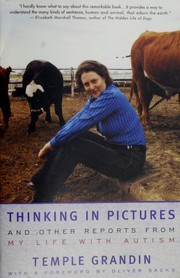
Though focused on autism, Grandin's exploration of visual, non-linear thinking deeply illuminates the cognitive style shared by many dyslexic thinkers — a powerful capstone for understanding how differently-wired minds can excel.
Discussion
Keep reading
Paths that share books, cover the same subject, or open a related topic.