The Best Books on Multiple Sclerosis, in Order
This curriculum takes you from first understanding what multiple sclerosis is — biologically, emotionally, and practically — through managing its day-to-day realities, and finally into the deeper work of living a full, empowered life alongside the disease. Each stage builds the language, self-knowledge, and tools needed for the next, so that by the end you can advocate for yourself, support your care team, and thrive with MS rather than simply survive it.
Foundations: Understanding MS
BeginnerGrasp what MS is — how it affects the nervous system, what the major types are, how it is diagnosed, and what the treatment landscape looks like — so you can have informed conversations with your neurologist from day one.
▸ Study plan for this stage
Pace: 4–5 weeks, ~25–30 pages/day. Week 1–3: Kalb's book (primary focus on pathophysiology, types, diagnosis, and treatment); Week 4–5: Shadday's book (emotional integration and coping frameworks).
- MS is an autoimmune disease where the immune system attacks myelin in the central nervous system, disrupting nerve signal transmission
- The four major MS types (RRMS, SPMS, PPMS, PRMS) have distinct progression patterns and treatment implications
- Diagnosis requires MRI evidence, cerebrospinal fluid analysis, and clinical symptoms; there is no single definitive test
- Disease-modifying therapies (DMTs) slow progression and reduce relapse frequency, with multiple drug classes available
- MS affects the whole person—physical, cognitive, emotional, and social domains—requiring a multidimensional coping approach
- Early treatment initiation and neurologist partnership are critical to managing disease trajectory
- Individual MS presentations vary widely; your experience will not match everyone else's, and that is normal
- What happens to nerve cells in MS, and why does this cause the symptoms you experience?
- What are the four main types of MS, and how do their progression patterns differ?
- What tests and findings does a neurologist use to diagnose MS, and why is there no single definitive test?
- What are disease-modifying therapies, and how do they change the natural course of MS?
- How does MS affect cognition, mood, and social functioning, and what emotional responses are common after diagnosis?
- What questions should you ask your neurologist at your first appointment to establish an informed partnership?
- Create a one-page visual diagram of the central nervous system showing where myelin is located and how MS damages it; label the types of symptoms that result from lesions in different regions
- Make a comparison table of the four MS types (RRMS, SPMS, PPMS, PRMS) with columns for progression pattern, typical age of onset, and treatment approach
- Write a mock diagnostic summary as if you were a neurologist: list the MRI findings, CSF results, and clinical symptoms that would lead to an MS diagnosis
- Prepare a one-page list of 8–10 specific questions to ask your neurologist about your diagnosis, disease type, and treatment options
- Journal for 10 minutes on your emotional response to the MS diagnosis (fear, relief, confusion, anger); identify one emotion and explore where it comes from using Shadday's frameworks
- Interview a trusted friend or family member about how they might support you; discuss one physical challenge and one emotional challenge you anticipate, and brainstorm coping strategies together
Next up: With a solid grasp of MS pathophysiology, types, diagnosis, and treatment options—and an awareness of the emotional landscape—you are ready to move into the next stage, which will likely focus on practical disease management strategies, lifestyle modifications, and building a long-term care plan with your healthcare team.
The single most recommended introductory reference for newly diagnosed patients, written in a clear Q&A format that demystifies diagnosis, disease types, and treatment options without overwhelming the reader.

Read second because understanding the emotional landscape of MS — grief, anxiety, identity shift — is just as foundational as the biology, and this book gives you the vocabulary to process what you're feeling early on.
The Patient Perspective: Living with MS in Real Life
BeginnerSee MS through the eyes of people who live with it every day, building empathy, reducing isolation, and translating clinical knowledge into lived human experience.

A veteran journalist's unflinching memoir of decades with MS; it broadens perspective on long-term disease progression and models resilience and honest self-advocacy.
Managing Symptoms and Treatment
IntermediateDevelop a practical, evidence-based toolkit for managing MS symptoms — fatigue, spasticity, cognition, pain, and mobility — and understand how to evaluate and discuss disease-modifying therapies with your care team.
▸ Study plan for this stage
Pace: 6–8 weeks, ~40–50 pages/day (approximately 2,000–2,500 pages total across all three books)
- Symptom management strategies for fatigue, spasticity, cognitive dysfunction, pain, and mobility issues—pharmacological and non-pharmacological approaches
- The role of lifestyle interventions (diet, exercise, stress management, sleep) in symptom control and disease progression, as presented in The Wahls Protocol and Overcoming Multiple Sclerosis
- Disease-modifying therapies (DMTs): mechanisms of action, efficacy data, side effects, and how to evaluate them in conversation with your care team
- Individualized treatment planning: how to match symptom management and DMT choices to your specific MS phenotype and personal circumstances
- The evidence base for complementary approaches (nutrition, rehabilitation, mindfulness) and how to integrate them safely with conventional medical treatment
- Cognitive and emotional aspects of living with MS: managing fatigue psychology, addressing cognitive fog, and maintaining quality of life
- Practical tools for tracking symptoms, medication responses, and lifestyle changes to inform ongoing treatment decisions
- What are the primary pharmacological and non-pharmacological strategies for managing MS-related fatigue, and how do you decide which to try first?
- How do disease-modifying therapies work, what are the major classes available, and what questions should you ask your neurologist when evaluating DMT options?
- According to The Wahls Protocol and Overcoming Multiple Sclerosis, what dietary and lifestyle changes have evidence for reducing MS symptoms and slowing progression?
- How can you design a personalized symptom management plan that addresses spasticity, pain, cognitive dysfunction, and mobility—and how do you track whether it's working?
- What is the relationship between stress, sleep, and MS symptom flares, and what practical strategies can you implement to manage these factors?
- How do you safely integrate complementary approaches (nutrition, exercise, mindfulness) with conventional MS treatments, and when should you consult your care team?
- Create a symptom tracking log for one week, recording fatigue levels, spasticity, cognitive clarity, pain, and mobility at set times daily; identify patterns and potential triggers
- Read the DMT chapters in Holland's book and create a comparison table of 4–6 major disease-modifying therapies (mechanism, efficacy, side effects, monitoring requirements); prepare 3 questions to ask your neurologist
- Follow The Wahls Protocol's dietary recommendations for 2 weeks (focusing on vegetables, omega-3s, and elimination of processed foods); journal energy levels, cognitive function, and symptom changes
- Design a 4-week exercise and mobility plan based on Jelinek's and Wahls's recommendations; include gentle cardio, strength work, and flexibility; track adherence and symptom response
- Develop a stress-management and sleep-hygiene protocol drawing from all three books; implement for 3 weeks and document effects on fatigue and cognitive symptoms
- Interview or prepare questions for your MS care team about your current symptom burden and DMT plan; use the frameworks from Holland's book to structure the conversation
Next up: This stage equips you with practical, evidence-based tools to manage your current symptoms and make informed treatment decisions, setting the foundation for the next stage—which will likely focus on long-term disease management, psychosocial resilience, and adapting your life plan as MS evolves over time.
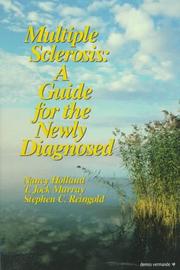
Bridges the gap from foundational knowledge to active management, covering symptom tracking, medication decisions, and how to build a multidisciplinary care team — essential reading before diving into lifestyle interventions.

Written by a physician who reversed her own severe MS symptoms through dietary and lifestyle changes; introduces the evidence around nutrition and mitochondrial health in MS, giving readers a concrete lifestyle framework to discuss with their doctors.

A comprehensive, research-backed lifestyle program covering diet, exercise, sun exposure, stress reduction, and medication — best read after Wahls to compare approaches and synthesize a personalized plan.
Mind, Relationships, and Caregiving
IntermediateUnderstand the psychological, relational, and caregiving dimensions of MS — for both patients and their partners or family members — so that the whole support system is strengthened.
▸ Study plan for this stage
Pace: 6–7 weeks, ~25–30 pages/day (approximately 2–3 weeks per book with time for reflection and exercises)
- The psychological impact of MS diagnosis and how to process grief, identity shifts, and emotional adjustment
- Communication strategies between patients and partners/family members to navigate uncertainty and changing roles
- Caregiver burden, burnout, and self-care practices to sustain long-term support relationships
- Practical strategies for maintaining intimacy, sexuality, and emotional connection despite MS symptoms
- Family dynamics and how MS affects children, partners, and extended family relationships
- Building a sustainable support system: professional help, peer support, and community resources
- Cognitive and emotional coping mechanisms (acceptance, resilience, meaning-making) for patients and caregivers
- Balancing independence and interdependence as MS progresses and roles shift within relationships
- What are the primary psychological challenges MS patients face after diagnosis, and how can they work through them?
- How can patients and caregivers communicate effectively about changing needs, fears, and expectations?
- What are the signs of caregiver burnout, and what concrete self-care strategies can prevent it?
- How does MS affect intimate relationships and sexuality, and what approaches help couples adapt?
- What role do children and extended family play in the MS support system, and how should they be involved?
- What professional and community resources are most valuable for strengthening the entire support network?
- Complete a personal reflection journal: Write about your own (or a hypothetical patient's) emotional journey from pre-diagnosis to present, identifying key turning points and coping strategies used
- Communication role-play: Practice difficult conversations between patient and partner using scenarios from Costello's book (e.g., discussing fatigue impact on daily life, sexuality concerns)
- Caregiver self-care audit: List your current self-care practices, identify gaps, and create a realistic weekly self-care plan based on Kalb's recommendations
- Family meeting template: Design a structured family conversation plan to discuss MS impact, roles, and support needs with all household members
- Support system map: Create a visual diagram of available resources (medical, emotional, practical, financial) and identify which gaps need to be filled
- Couples/relationship exercise: If applicable, work through one of Kalb's communication exercises with your partner or a trusted person to practice vulnerability and active listening
Next up: This stage equips you with emotional resilience, relational skills, and caregiver awareness that form the foundation for the next stage, which will likely focus on managing specific MS symptoms, treatment decisions, and medical self-advocacy with a strengthened support system behind you.

An authoritative guide from the American Academy of Neurology that covers communication with care teams, cognitive changes, and family dynamics — ideal for patients ready to take a more active role in coordinating their care.

Specifically addresses the needs of partners, children, and caregivers, filling a gap that patient-only books miss and helping the whole household adapt and communicate effectively.
Thriving Long-Term: Advanced Self-Advocacy and Wellness
ExpertIntegrate everything learned into a long-term philosophy of living well with MS — setting goals, maintaining identity, engaging with cutting-edge research, and sustaining quality of life across decades.
▸ Study plan for this stage
Pace: 8–10 weeks, ~40–50 pages/day (with reflection breaks)
- Neuroplasticity as the foundation for MS recovery and adaptation—how the brain rewires itself through focused attention and repetition
- The role of movement, sensory awareness, and deliberate practice in activating dormant neural pathways and bypassing damaged ones
- How belief, attention, and intention directly influence healing outcomes and neurological change
- Personalized rehabilitation strategies that harness neuroplasticity rather than relying solely on pharmaceutical interventions
- The mind-body connection in MS management: how mental states, visualization, and mindfulness affect physical symptoms and disease progression
- Building a long-term wellness philosophy grounded in neurobiological principles rather than disease-centric thinking
- Integrating cutting-edge neuroscience into daily self-advocacy and treatment decision-making
- What is neuroplasticity, and how does Doidge's evidence suggest it can help people with MS recover function or adapt to limitations?
- How do attention, intention, and belief influence neurological healing according to Doidge's case studies, and what does this mean for your own MS management?
- What specific movement, sensory, or cognitive practices does Doidge describe that activate neuroplasticity, and which ones could you realistically integrate into your life?
- How can you shift from a passive patient role to an active agent in your own neurological recovery, using principles from this book?
- What does it mean to 'think differently' about your MS symptoms, and how might reframing your condition through a neuroplasticity lens change your approach to wellness?
- How would you design a personalized, neuroplasticity-informed wellness plan that goes beyond standard MS treatments?
- Choose one specific MS symptom (fatigue, balance, cognitive fog, etc.) and research one neuroplasticity-based intervention Doidge mentions; design a 2-week trial protocol with measurable markers
- Practice a deliberate sensory awareness exercise daily (e.g., slow walking with full attention to foot placement, or mindful hand movements) for 3 weeks; journal how attention changes your symptom experience
- Create a 'neuroplasticity wellness manifesto'—a 1–2 page personal statement of how you will apply Doidge's principles to your long-term MS management and identity
- Interview or connect with someone (online or in-person) who has used neuroplasticity-based approaches for neurological recovery; document their strategies and outcomes
- Design a visualization or mental rehearsal practice targeting one functional goal (e.g., improved balance, reduced fatigue); practice 5–10 minutes daily for 4 weeks and track changes
- Audit your current MS treatment plan and identify 2–3 areas where you could introduce neuroplasticity-informed self-advocacy (e.g., requesting specific rehabilitation approaches, adjusting medication timing around peak cognitive windows)
Next up: This stage establishes neuroplasticity as the scientific foundation for long-term MS wellness, empowering you to move beyond symptom management into proactive neurological optimization—preparing you to sustain quality of life, set meaningful goals, and engage with emerging research as a true partner in your own care.

Closes the curriculum by exploring neuroplasticity — the brain's capacity to rewire itself — giving advanced readers a scientifically grounded, hopeful framework for understanding rehabilitation and why lifestyle interventions can genuinely matter over the long term.
Discussion
Keep reading
Paths that share books, cover the same subject, or open a related topic.