The Best Potty Training Books, in Order
This curriculum takes parents from zero knowledge to confident, compassionate potty-training coaches. It starts with the most accessible, parent-friendly overviews, moves into proven method-specific guides, and finishes with resources for navigating setbacks and special situations — so every stage genuinely builds on the last.
Foundations: Readiness & Mindset
BeginnerUnderstand when and why toddlers are developmentally ready, what to expect emotionally, and how to set up a low-stress environment before training begins.
▸ Study plan for this stage
Pace: 2–3 weeks, ~20–30 pages/day (both books are highly illustrated and quick reads; "Potty" takes 1 week, "Oh Crap!" takes 1–2 weeks)
- Developmental readiness signs: physical, cognitive, and behavioral cues that indicate a toddler is ready (from both books)
- The emotional and psychological aspects of potty training—normalizing bodily functions and building confidence without shame or pressure
- Understanding the parent's mindset: releasing perfectionism, managing anxiety, and staying calm as the foundation for a low-stress environment
- The concept of 'readiness windows' and why timing matters—forcing training too early creates resistance and setbacks
- Creating a pressure-free, playful approach to introduce toileting as a normal part of growing up
- Environmental setup: making the bathroom accessible, child-friendly, and inviting without overwhelming the child
- What are the key physical, cognitive, and behavioral signs that indicate your toddler is developmentally ready for potty training?
- How does a parent's own mindset and anxiety about potty training affect the child's experience and success?
- What does a 'low-stress environment' for potty training look like, and what specific setup changes does it require?
- Why is timing and respecting readiness windows important, and what happens when training is forced before a child is ready?
- How can you normalize bodily functions and toileting in a way that builds your child's confidence rather than shame?
- What are the emotional milestones a child needs to reach before they can successfully engage with potty training?
- Read 'Potty' by Leslie Patricelli aloud to your child (or alone first) and observe their reactions—note any questions, curiosity, or resistance they express
- Create a 'readiness checklist' for your specific child using the signs from both books; honestly assess which boxes your child checks and which are still developing
- Write a personal reflection on your own potty training history and current anxieties—identify one limiting belief you hold and reframe it based on the book's philosophy
- Walk through your bathroom with fresh eyes and list 3–5 changes that would make it more inviting and accessible for your toddler (step stool, child-sized seat, books, etc.)
- Have a conversation with your partner, co-parent, or trusted friend about your shared approach and mindset—align on staying calm and pressure-free
- Practice one 'playful introduction' activity: read a potty book together, watch a character use the toilet, or simply let your child observe you in the bathroom without commentary or pressure
Next up: This stage establishes the emotional and environmental foundation—once you understand readiness signs and have cultivated a calm, pressure-free mindset, you're ready to move into the next stage, which will cover the practical mechanics of introducing the toilet and beginning the actual training process.

A simple, cheerful board book to read WITH your toddler that normalizes the potty concept from day one — the perfect first step to get your child curious and unafraid.

The single most widely recommended modern potty-training guide; read this first as a parent to get a clear, no-nonsense framework and realistic mindset before diving into any specific method.
Core Methods: Proven Step-by-Step Approaches
BeginnerLearn two of the most clinically and practically validated potty-training methods so you can choose — or blend — the approach that fits your child's temperament.
▸ Study plan for this stage
Pace: 2–3 weeks, ~40–50 pages/day (book is ~150–170 pages; allows time for note-taking and reflection on methods)
- The Azrin rapid-training framework: intensive, single-day or multi-day focused approach vs. gradual methods
- Motivation and readiness assessment: how to identify when a child is developmentally and emotionally ready
- The role of positive reinforcement and celebration in accelerating learning
- Practical logistics: clothing choices, timing, environment setup, and doll/model demonstration techniques
- Troubleshooting common resistance: handling accidents, regression, and fear without shame or punishment
- Daytime vs. nighttime training: why they are separate milestones and how to sequence them
- Parental mindset and consistency: how your own expectations and stress level affect success
- What are the core principles of the Azrin rapid-training method, and how does it differ from gradual potty-training approaches?
- How do you assess whether your child is developmentally and emotionally ready for potty training using Azrin's readiness criteria?
- What specific environmental and logistical preparations does Azrin recommend before beginning intensive training?
- How should you use positive reinforcement and celebration in the Azrin method, and why is shame or punishment counterproductive?
- What are Azrin's recommended strategies for handling accidents, resistance, and setbacks during or after training?
- Why does Azrin distinguish between daytime and nighttime training, and what is the recommended sequence?
- Create a readiness checklist for your child using Azrin's criteria (physical, cognitive, and motivational signs); score your child and note any gaps
- Map out your home environment: identify the best location for a potty chair, plan clothing adjustments, and list any safety or comfort modifications needed
- Write a one-page 'training day' schedule based on Azrin's framework, including meal timing, fluid intake, practice sessions, and celebration moments
- Practice the doll/model demonstration technique: use a doll or action figure to walk through the steps of using the potty, narrating each action aloud
- Role-play three common resistance scenarios (fear of the toilet, refusal to sit, accident after success) and write down your calm, shame-free response for each
- Interview or survey 2–3 parents who have used rapid-training methods; document what worked, what didn't, and how their experience aligns with or diverges from Azrin's approach
Next up: By mastering Azrin's intensive method, you'll understand one end of the potty-training spectrum and be equipped to recognize which children thrive with focused, rapid approaches—preparing you to learn alternative gradual or child-led methods in the next stage so you can make an informed, personalized choice.
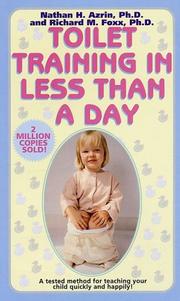
A classic, research-backed intensive method developed by behavioral psychologists; reading it after Oh Crap! lets you compare a structured, single-day approach against a more gradual one.
Child-Centered Perspective: Making It Positive
IntermediateShift focus to the toddler's emotional experience, using child-led cues and positive reinforcement to reduce power struggles and keep training stress-free.
▸ Study plan for this stage
Pace: 2–3 weeks, ~20–25 pages/day (both books are relatively short; expect 5–7 days for "Stress-free Potty Training," 3–4 days for "Once upon a Potty," plus 5–7 days for reflection and integration exercises)
- Recognizing and honoring your child's readiness cues and individual timeline rather than forcing training on an arbitrary schedule
- Using positive reinforcement and celebration (rather than punishment or shame) to build confidence and intrinsic motivation
- Understanding the emotional and psychological aspects of potty training from the toddler's perspective—fears, autonomy, and dignity
- Eliminating power struggles by positioning the parent as a supportive guide rather than an enforcer
- Creating a stress-free, playful environment that makes potty training feel like a natural developmental milestone
- Responding to setbacks and accidents with patience and reassurance rather than frustration
- Using storytelling and age-appropriate language (as modeled in 'Once upon a Potty') to normalize bodily functions and reduce shame
- What are the key readiness signs Sara Au identifies, and how do they differ from arbitrary age-based timelines?
- How does the concept of 'child-led' training in 'Stress-free Potty Training' reduce power struggles between parent and child?
- What role does positive reinforcement play in building a toddler's confidence, and what are examples of effective celebrations that don't rely on material rewards?
- How does 'Once upon a Potty' use storytelling and normalized language to help children feel comfortable with bodily functions?
- What should a parent do when accidents happen, and how does the emotional response shape the child's long-term relationship with toileting?
- How can you create a stress-free environment that honors your child's autonomy and dignity throughout the training process?
- Read 'Stress-free Potty Training' and create a personal checklist of your child's individual readiness cues (not age-based expectations). Note which ones are present and which are emerging.
- Practice reframing three common power-struggle scenarios from your own experience using the child-centered language and approaches from both books. Write out what you would say differently.
- Read 'Once upon a Potty' aloud to your child (or to yourself) and note which normalized language and storytelling elements resonate most. Identify 2–3 phrases you'll adopt in your own conversations.
- Design a 'celebration toolkit' of 5–7 positive reinforcements that feel authentic to your family (songs, special hugs, sticker charts, special time, etc.) that don't rely on material rewards.
- Observe and document one instance where your child showed interest in or curiosity about toileting. Reflect on how you responded and how you might lean into that cue using the child-led approach.
- Role-play or mentally rehearse how you'll respond to an accident with patience and reassurance. Write a short script of what you'll say to keep the emotional environment safe and shame-free.
Next up: This stage equips you with the emotional and relational foundation for child-centered training; the next stage will likely deepen your toolkit with specific strategies, troubleshooting techniques, and practical logistics (timing, clothing, environment setup) to implement this philosophy consistently across different settings.
Introduces personality-based potty training — matching your approach to your specific child's style — a natural next step once you know the core methods.
A beloved toddler-facing storybook (available in boy and girl editions) that gives your child a relatable narrative hero, reinforcing the positive associations you are building as a parent.
Advanced Troubleshooting: Setbacks & Special Cases
ExpertConfidently handle regressions, nighttime training, resistance, and children with sensory or developmental differences — turning obstacles into solvable problems.
▸ Study plan for this stage
Pace: 4–5 weeks, ~25–30 pages/day, with 2–3 days per week dedicated to reflection and exercise practice
- Recognizing and responding to regression triggers (stress, new siblings, transitions, illness) with patience and strategic re-engagement rather than punishment
- Nighttime dryness as a developmental milestone separate from daytime training—understanding readiness signs and managing bedwetting without shame
- Identifying resistance patterns (fear of toilet, power struggles, sensory sensitivities) and matching interventions to the root cause
- Adapting training approaches for children with sensory processing differences, developmental delays, or autism spectrum traits
- Gender-specific considerations for boys: sitting vs. standing, modeling, motivation strategies, and overcoming reluctance
- Creating a troubleshooting framework: assess the obstacle, gather information, adjust the approach, and track progress systematically
- Managing parental stress and maintaining consistency during setbacks to avoid reinforcing avoidance behaviors
- Knowing when to pause training, seek professional support, or consult specialists (pediatricians, occupational therapists)
- What are the most common triggers for potty training regression, and how should you respond differently to each one?
- Why is nighttime dryness considered separate from daytime training, and what are the key readiness indicators before starting nighttime training?
- How do you distinguish between normal resistance and deeper issues (fear, sensory sensitivities, power struggles), and what interventions match each?
- What specific adaptations does 'Potty training boys the easy way' recommend for boys, and how do these differ from general training principles?
- How should you modify your approach when a child has sensory processing differences or developmental delays, and what does 'The everything potty training book' say about working with these children?
- When should you pause potty training, and what signs indicate the need for professional support or specialist consultation?
- Create a personal regression trigger map: list 3–5 stressors your child might face (new sibling, moving, starting preschool) and write a specific, calm response plan for each before it happens
- Conduct a 1-week observation log of your child's bathroom habits, accidents, and emotional responses to identify patterns and root causes of resistance or setbacks
- Role-play 3 difficult scenarios (child refuses to sit on toilet, has an accident after weeks of success, shows fear of flushing) and practice your calm, problem-solving response out loud
- Design a boy-specific motivation system based on Fertleman's recommendations: choose 2–3 strategies (modeling, reward system, standing practice) and test them for one week, documenting what works
- Interview or observe a child with sensory sensitivities or developmental differences (or research a case study from the books) and create a modified training plan with 4–5 sensory-friendly adjustments
- Build a troubleshooting decision tree: map out how you would assess and respond to a major setback (e.g., complete regression after 2 months of success), including when to seek help
Next up: This stage equips you to handle the messiest, most unpredictable aspects of potty training, preparing you to move forward with confidence into maintenance, social integration, and long-term success strategies.

Addresses the specific challenges parents of boys face (aim, standing vs. sitting, later readiness) — best read after mastering the general methods so you can apply targeted tweaks.
A comprehensive reference covering night training, regressions, travel, and children with special needs — serves as a capstone troubleshooting guide to consult whenever a new challenge arises.
Discussion
Keep reading
Paths that share books, cover the same subject, or open a related topic.