When a child struggles to read, or an adult finally names a lifelong difficulty, the instinct is to reach straight for fixes. But dyslexia rewards understanding first. Grasp what it is and how reading works in the brain, appreciate the strengths that often travel with it, and only then choose interventions — and those interventions will be sharper for the grounding. A good reading order builds exactly that arc.
These books complement, not replace, evaluation and instruction from qualified professionals — educational psychologists, reading specialists, and speech-language pathologists. Reading makes you a better advocate; it does not make you a diagnostician.
Understand the science
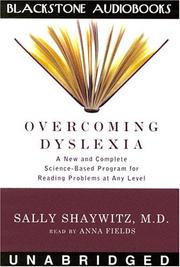
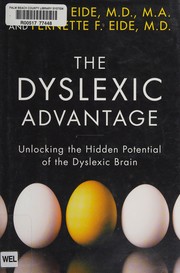
Start with the authoritative overview. Overcoming Dyslexia by Sally Shaywitz is the widely trusted, science-based guide that explains what dyslexia is and what genuinely helps — the single best first book for a parent or adult. Then reframe the story with The dyslexic advantage by Brock Eide, which documents the cognitive strengths that frequently accompany dyslexia, turning a deficit narrative into a fuller, truer one.
Learn how reading actually works
To understand the difficulty, understand the skill. Proust and the Squid by Maryanne Wolf is the elegant account of how the human brain learns to read at all — reading is not natural, and that fact explains a great deal. Its companion, Reader, Come Home, extends the argument to how deep reading is changing in a digital age, which matters for every struggling reader today.
Assess and intervene
Now get practical. Straight talk about reading by Susan Hall gives parents a clear, actionable guide to what effective reading help looks like. Essentials of dyslexia assessment and intervention by Nancy Mather is the more technical bridge to evidence-based practice for educators and serious advocates. Then The Dyslexia empowerment plan by Ben Foss offers a strengths-based playbook for helping a child thrive, and The gift of dyslexia by Ronald Davis presents an alternative perspective many families find encouraging. Close with Thinking in Pictures by Temple Grandin, whose account of a differently wired mind widens the whole conversation about learning differences.
Read in this order — science, strengths, reading itself, intervention — and dyslexia becomes something you can address with clarity and confidence. Follow the full path to support a struggling reader with understanding, alongside the professionals who assess and teach.
Follow the full reading path →
Ready to learn something deeply?
Build a reading path — free