Forgiveness gets talked about as a moral duty or a magical release, but it is really closer to a skill — one you can learn, practice, and deepen. That is why reading order helps. Start with a practical method, add moral and spiritual wisdom, turn the compassion inward, address the harder cases where trauma is involved, and finish with the deeper practice of letting go. Each stage prepares the next.
These books can support emotional healing, but they complement, not replace, therapy or professional mental-health care, especially where trauma, abuse, or depression are involved.
Learn a method
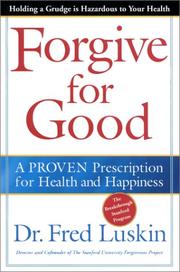
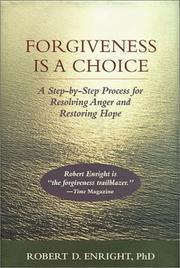
Start with the practical. Forgive for good by Fred Luskin distills research from the Stanford Forgiveness Project into concrete, learnable steps — forgiveness as a trainable skill rather than a mood. Then broaden into wisdom with The Book of Forgiving by Desmond Tutu, whose fourfold path is grounded in one of history's hardest reconciliations, and Forgiveness Is a Choice by Robert Enright, a leading researcher's structured process for working through deep hurt.
Turn compassion inward
Forgiving others is often blocked by how we treat ourselves. Radical acceptance by Tara Brach teaches meeting your own experience without judgment, and Self-Compassion by Kristin Neff makes the research-backed case that kindness toward yourself is the ground forgiveness grows from. These reframe forgiveness as something you extend inward first.
Address the hard cases
Some hurts sit in the body. The Body Keeps the Score by Bessel van der Kolk is the landmark book on how trauma lodges physically and what genuine healing requires — essential context for anyone whose difficulty forgiving is really unhealed trauma, and a reminder to seek professional help. Read it as understanding, not as a substitute for treatment.
Practice letting go
Finally, the deeper release. Letting go by David Hawkins offers a method for surrendering the feelings we cling to, and The untethered soul by Michael Singer explores loosening the grip of the inner voice that rehearses old wounds. Man's Search for Meaning by Viktor Frankl grounds it all in the hardest-won wisdom about choosing one's response to suffering, and A Return to Love by Marianne Williamson closes on forgiveness as a spiritual practice.
Read in this order — method, wisdom, self-compassion, release — and forgiveness becomes something you do, not just something you wish for. Follow the full path to practice letting go, and reach for professional support when the weight is more than reading can carry.
Follow the full reading path →
Ready to learn something deeply?
Build a reading path — free