A stroke reorganizes a life in an instant, and the questions come in waves: what just happened, what recovery is possible, how to do the daily work of rehabilitation, and how caregivers survive it too. Reading in a thoughtful order helps a family move from shock toward a plan. Understand the event first, then hear from survivors, then get practical about rehab and caregiving, then let the science offer grounded hope.
These books complement, not replace, care from neurologists, physical and occupational therapists, and speech-language pathologists. They inform and encourage; your rehabilitation team directs.
Understand what happened
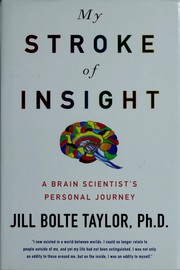
Start with orientation. Stroke: A Self-Help Manual for Stroke Sufferers and Their Relatives explains the medical basics in accessible terms — a steadying first read for a frightened family. Then My Stroke of Insight by neuroscientist Jill Bolte Taylor offers a rare gift: a brain scientist's first-person account of her own stroke and recovery, which makes the interior experience legible.
Learn from survivors and do the work
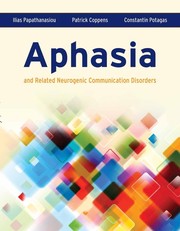
Recovery is lived, so hear from those living it. Stroke Survivor: A Personal Guide to Recovery and The Healing Journey After Stroke by Cleo Hutton blend experience with practical guidance. For the rehab itself, Stronger after stroke by Peter Levine is a highly regarded, evidence-informed guide to maximizing recovery through the right kind of practice. Where language is affected, Aphasia and related neurogenic communication disorders explains the communication challenges and their therapy. And How to Conquer the World With One Hand addresses the practical reality of hemiparesis with humor and grit.
Support caregivers, and understand the brain
Caregivers carry an enormous load. Stroke: A Caregiver's Guide and The Caregiver's Companion speak directly to them, covering both the tasks and the toll. Finally, ground your hope in science: The Brain That Changes Itself by Norman Doidge is the landmark popular account of neuroplasticity — the brain's capacity to rewire — and Healing the broken brain by Mike Dow translates recovery research into an encouraging, practical frame.
Read in this order — understand, recover, support, hope — and stroke recovery becomes a road with landmarks rather than a fog. Follow the full path to walk it informed and encouraged, always alongside the rehabilitation team.
Follow the full reading path →
Ready to learn something deeply?
Build a reading path — free