A Parkinson's diagnosis lands as several problems at once: the daily logistics of a changing body, the medical decisions about treatment, the emotional weight, and the deeper curiosity about what is happening in the brain. Reading everything at once is overwhelming. A sensible order — practical first, then medical, then the human and scientific perspective — lets each book do its job without drowning you.
These books complement, not replace, care from a neurologist or movement-disorder specialist. Use them to become a more informed partner in treatment, not to self-diagnose or self-medicate.
Start where life is
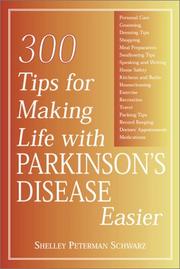
Begin with the concrete. 300 Tips for Making Life with Parkinson's Disease Easier is exactly what it sounds like — small, immediately usable adjustments for everyday tasks — and it gives a newly diagnosed reader a sense of agency. Then build medical literacy with The new Parkinson's disease treatment book by J. Eric Ahlskog, a clear, physician-written guide to symptoms and therapies, and Parkinson's disease : a complete guide for patients and families by William Weiner, a thorough reference to keep on hand.
Find perspective and keep moving
Diagnosis is also a story, and Lucky man by Michael J. Fox is the memoir that has helped many readers reframe their own — honest, funny, and unsentimental. Movement is medicine here, so pair it with the exercise-focused books: Delay the Disease is built around a Parkinson's-specific fitness program, and Every Victory Counts from the Davis Phinney Foundation is a comprehensive wellness manual for living well with the condition, not just managing it.
Support the caregiver, understand the science
Parkinson's is a family experience. The Caregiver's Guide to Parkinson's Disease by Lianna Marie speaks directly to the partners and children doing the daily support work. Finally, for readers who want the bigger picture, Ending Parkinson's Disease by Ray Dorsey argues about causes and public health, and Brain storms by Jon Palfreman is a science journalist's deeply reported account of the disease and the research chasing it.
Read in this order — practical, medical, personal, scientific — and the diagnosis becomes something you can navigate rather than just endure. Follow the full path to meet Parkinson's with information and perspective, always alongside your medical team.
Follow the full reading path →
Ready to learn something deeply?
Build a reading path — free