The Best Books on Osteoporosis and Bone Health, in Order
This curriculum builds from foundational bone biology and nutrition through evidence-based exercise and lifestyle strategies, finishing with advanced clinical and research-level understanding. Each stage equips the reader with the vocabulary and concepts needed for the next, so that by the end they can critically evaluate medical advice, design their own prevention plan, and have informed conversations with their healthcare team.
Foundations: Understanding Bone Health
BeginnerUnderstand what osteoporosis is, how bones are built and lost, key risk factors, and why nutrition is the first line of defense.
▸ Study plan for this stage
Pace: 4–5 weeks, ~25–30 pages/day (approximately 600–700 pages total across both books)
- Bone remodeling cycle: how osteoblasts build bone and osteoclasts break it down, and why this balance deteriorates with age
- Osteoporosis definition: low bone mineral density and compromised bone quality that increases fracture risk
- Major risk factors: age, sex (postmenopausal women), family history, sedentary lifestyle, and inadequate nutrition
- Calcium and vitamin D as foundational nutrients: absorption mechanisms, recommended daily intake, and food sources
- The critical role of weight-bearing and resistance exercise in stimulating bone formation and slowing bone loss
- Hormonal influences on bone health, particularly estrogen's protective effect and its decline at menopause
- Lifestyle factors beyond nutrition and exercise: alcohol, smoking, and sleep quality as modifiable risk factors
- Screening and early detection: understanding bone density tests (DEXA scans) and interpreting T-scores
- What is the difference between osteopenia and osteoporosis, and why does this distinction matter clinically?
- Explain the bone remodeling cycle and describe what happens when bone resorption exceeds bone formation.
- What are the top three modifiable risk factors for osteoporosis, and how does each one affect bone health?
- Why is calcium and vitamin D absorption important, and what are practical dietary sources for each?
- How do weight-bearing and resistance exercises specifically stimulate bone formation, and what types are most effective?
- What role does estrogen play in bone health, and why are postmenopausal women at higher risk for osteoporosis?
- How do you read and interpret a DEXA scan result, and what do T-scores tell you about fracture risk?
- Create a personal bone health risk assessment: list your age, sex, family history, current activity level, and dietary habits to identify your top three risk factors
- Conduct a 3-day dietary audit: track your calcium and vitamin D intake using food labels and nutrition apps, then compare to recommended daily values (1,000–1,200 mg calcium; 600–800 IU vitamin D)
- Design a beginner weight-bearing exercise routine: choose 3–4 activities (brisk walking, dancing, stair climbing) and commit to 30 minutes, 4–5 times per week for two weeks, noting how you feel
- Build a calcium-rich meal plan: research and prepare 5 recipes that incorporate high-calcium foods (dairy, leafy greens, fortified plant-based options) and document nutritional content
- Interview a family member about bone health history: ask about osteoporosis diagnoses, fractures, or bone density concerns to understand your genetic predisposition
- Create a visual summary (infographic or mind map) of the bone remodeling cycle, labeling osteoblasts, osteoclasts, and the factors that tip the balance toward bone loss
Next up: This stage establishes the biological and nutritional foundations of bone health, preparing you to move into the next stage where you'll learn targeted clinical interventions, medical treatments, and personalized strategies for preventing and managing osteoporosis across different populations and life stages.
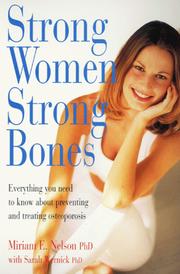
A highly accessible, research-backed introduction to osteoporosis written for a general audience. It explains bone biology, risk factors, and the roles of calcium, vitamin D, and exercise in plain language — the perfect starting point.
Written by a chiropractor who was himself diagnosed with severe osteoporosis, this book bridges the gap between patient experience and clinical science, covering nutrition, supplements, and lifestyle in an approachable yet thorough way.
Nutrition: Feeding Your Bones
BeginnerMaster the nutritional pillars of bone health — calcium, vitamin D, magnesium, protein, and anti-inflammatory eating — and understand how diet choices directly affect bone density.
▸ Study plan for this stage
Pace: 4–5 weeks, ~25–30 pages/day. Week 1–2: "The Calcium Key" (approx. 250 pages); Week 3–5: "The Vitamin D Solution" (approx. 300 pages), with 2–3 days for review and integration.
- Calcium's dual role in bone mineralization and systemic health regulation, and why dietary intake alone may be insufficient without proper absorption
- The calcium-vitamin D synergy: how vitamin D enables calcium absorption in the intestines and regulates bone remodeling cycles
- Bioavailability factors: how food sources, timing, pH, and individual physiology affect how much calcium and vitamin D your body actually uses
- The relationship between dairy consumption, weight management, and bone density as presented in Zemel's research on calcium and metabolic function
- Vitamin D synthesis from sunlight exposure, seasonal variation, and why supplementation is often necessary for bone health maintenance
- The broader nutritional context: how magnesium, protein, and anti-inflammatory foods work alongside calcium and vitamin D to support bone remodeling
- Individual variation in calcium and vitamin D needs based on age, genetics, latitude, and lifestyle factors
- How to translate nutritional science into practical daily eating patterns that support long-term bone health
- Explain how calcium regulates both bone health and other critical physiological functions, and why this dual role matters for your dietary strategy.
- What is the mechanism by which vitamin D enables calcium absorption, and why is this relationship essential for bone density maintenance?
- How do bioavailability factors (food source, meal composition, timing, individual absorption capacity) affect the actual amount of calcium your body retains from food?
- According to Zemel's research in 'The Calcium Key,' what is the connection between adequate calcium intake and weight management, and how does this relate to bone health?
- Describe the factors that determine your personal vitamin D synthesis capacity from sun exposure, and when supplementation becomes necessary.
- How do magnesium, protein, and anti-inflammatory dietary patterns complement calcium and vitamin D in supporting bone remodeling and density?
- Track your current calcium intake for 3 days using a food diary or app, then calculate bioavailability by identifying food sources, meal timing, and absorption enhancers/inhibitors present in each meal.
- Design a personalized daily meal plan (breakfast, lunch, dinner, snacks) that incorporates 1,000–1,200 mg of bioavailable calcium from both dairy and non-dairy sources, with rationale for each choice based on Zemel's principles.
- Calculate your personal vitamin D synthesis capacity: estimate your sun exposure time, latitude, season, and skin tone using Holick's guidelines, then determine your supplementation needs.
- Create a 2-week rotating meal menu that integrates calcium, vitamin D, magnesium, and protein while minimizing pro-inflammatory foods; annotate each meal with the bone-health nutrients it provides.
- Conduct a 'bioavailability audit' of three calcium-rich foods you currently eat: research their calcium content, absorption rate, and what you'd need to eat alongside them to optimize uptake.
- Develop a seasonal vitamin D strategy for your geographic location (using Holick's latitude-based recommendations): specify sun exposure targets, dietary sources, and supplementation timing for winter vs. summer months.
Next up: This stage establishes the nutritional foundation—calcium, vitamin D, and supporting micronutrients—that enables bone cells to build and maintain density, preparing you to explore how exercise, hormones, and lifestyle factors activate and direct that nutritional potential in the next stage.
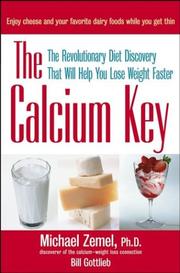
Focuses specifically on calcium's broader metabolic role and how to optimize intake through food first, giving the reader a nuanced view of the most talked-about bone nutrient before moving to supplements.
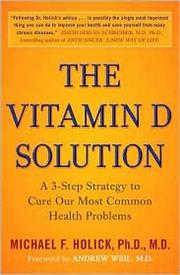
The definitive popular guide by the world's leading vitamin D researcher. Vitamin D is inseparable from bone health, and this book provides the science and practical dosing guidance needed to act on that knowledge.
Movement: Strength Training and Weight-Bearing Exercise
IntermediateLearn how to design and follow a safe, progressive exercise program — including strength training, balance work, and impact loading — that stimulates bone formation and reduces fracture risk.
▸ Study plan for this stage
Pace: 4–5 weeks, ~25–30 pages/day, with 2–3 days per week dedicated to implementing the exercise protocols described
- Progressive resistance training as a stimulus for bone density gains, with emphasis on compound movements targeting major muscle groups
- The role of impact loading and weight-bearing exercise in activating mechanoreceptors and triggering osteoblast activity
- Periodization and progressive overload principles: how to safely increase intensity, volume, or resistance over time to avoid plateaus and injury
- Proper form and body mechanics as foundational to both safety and efficacy, especially for individuals with existing bone loss
- Integration of balance and proprioceptive training to reduce fall risk and fracture vulnerability in daily life
- Individual assessment and modification: how to tailor exercise selection based on current fitness level, bone health status, and comorbidities
- Recovery, nutrition, and hormonal factors that support bone adaptation to mechanical loading
- Long-term adherence strategies and habit formation for sustainable, lifelong bone health maintenance
- What are the primary mechanisms by which resistance training stimulates bone formation, and how does this differ from aerobic exercise alone?
- How should a beginner design a progressive resistance training program over 8–12 weeks, and what are the key variables (sets, reps, frequency, load) to manipulate?
- What role do balance and proprioceptive exercises play in fracture prevention, and how should they be integrated into a comprehensive program?
- How do you assess readiness for progression in a strength training program, and what signs indicate that intensity or volume should be increased?
- What modifications or precautions are necessary when designing exercise programs for individuals with diagnosed osteoporosis or low bone density?
- How does nutrition (particularly protein and micronutrients) support the adaptations triggered by weight-bearing and resistance exercise?
- Complete the initial fitness assessment protocol outlined in Nelson's book (strength baseline, flexibility, balance tests) and document your results as a reference point
- Follow Nelson's 8-week progressive resistance training program exactly as written, performing all prescribed exercises 2–3 times per week and logging sets, reps, and weights used
- Practice proper form for 5–6 key compound movements (e.g., squats, lunges, chest press, rows) by performing them in front of a mirror or recording video, comparing to the book's descriptions and photos
- Incorporate 2–3 balance and proprioceptive exercises (e.g., single-leg stance, tandem walking, heel-to-toe walking) into daily routine for 4 weeks and track improvements in stability and confidence
- Perform a weekly 'form check' by re-reading the technique cues for your most challenging exercise and correcting any drift in movement pattern
- Design a personalized 12-week progression plan extending beyond Nelson's initial program, specifying how you will increase load, reps, or complexity for each major movement
- Keep a detailed exercise journal noting not only workout data but also subjective factors: energy levels, joint comfort, sleep quality, and perceived strength gains
- Teach the program to a friend or family member, explaining the rationale behind exercise selection and progression—this deepens your own understanding and builds accountability
Next up: This stage equips you with the practical skills and physiological knowledge to implement a bone-strengthening exercise program; the next stage will likely deepen your understanding of how nutrition, hormones, and lifestyle factors optimize the bone adaptations triggered by the movement strategies you've now mastered.
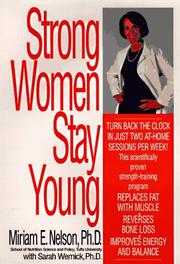
Nelson's landmark strength-training program for women, backed by her Tufts University research showing measurable bone density gains from twice-weekly resistance training. Provides clear, beginner-friendly workout progressions.
Prevention and Lifestyle: The Whole Picture
IntermediateIntegrate nutrition, exercise, fall prevention, stress, sleep, and medication awareness into a comprehensive, personalized long-term prevention strategy that complements medical care.
▸ Study plan for this stage
Pace: 4–5 weeks, ~40–50 pages/day (approximately 280–350 pages total across both books)
- Nutritional foundations for bone health: calcium, magnesium, vitamin D, K, and trace minerals in whole-food context (Brown's emphasis on nutrient density and bioavailability)
- Exercise as medicine: weight-bearing, resistance, and balance training protocols tailored to individual risk profiles and current bone density status
- The interconnected role of hormonal health, stress, and sleep in bone remodeling and calcium metabolism
- Fall prevention strategies: environmental assessment, proprioception training, and practical modifications for reducing fracture risk
- Medication awareness: understanding when pharmaceutical interventions are appropriate, how they work, and how to integrate them with lifestyle modifications
- Personalized prevention planning: assessing individual risk factors and creating sustainable, long-term strategies that account for age, sex, family history, and current health status
- The gut-bone axis: how digestive health, nutrient absorption, and microbiome function affect skeletal integrity
- What are the key micronutrients beyond calcium that support bone health, and why is nutrient bioavailability as important as quantity (per Brown)?
- How do weight-bearing, resistance, and balance exercises differ in their effects on bone density and fracture prevention?
- What is the relationship between stress, cortisol, sleep quality, and bone remodeling, and how can these factors be optimized?
- How do you conduct a personal fall-risk assessment and implement practical environmental and physical modifications?
- When is pharmaceutical intervention indicated for osteoporosis, and how should medications be integrated with lifestyle changes (per Bonnick)?
- What does a realistic, personalized 12-month bone health prevention plan look like for your specific risk profile?
- Create a detailed food diary for 3 days and analyze it against Brown's nutrient density guidelines; identify gaps and redesign meals to optimize calcium, magnesium, vitamin D, and K intake from whole foods
- Design a 12-week progressive exercise program for yourself that includes weight-bearing (walking, dancing), resistance training (2–3x/week), and balance work; track adherence and note any changes in energy or perceived strength
- Conduct a home fall-risk audit: photograph high-risk areas, identify tripping hazards, assess lighting and handrails, and implement at least 3 safety modifications
- Keep a 2-week sleep and stress log correlating sleep quality, daily stress levels, and energy; identify patterns and experiment with one stress-reduction technique (meditation, yoga, or breathing work) for 1 week
- Interview a healthcare provider or research case studies from Bonnick's handbook to understand when bisphosphonates or other medications are indicated; create a decision-making flowchart for your own situation
- Develop a personalized 12-month bone health action plan that integrates nutrition, exercise, fall prevention, stress management, and medication awareness; include specific, measurable goals and monthly check-in prompts
- Prepare a presentation or written summary comparing your current lifestyle (diet, exercise, sleep, stress) against the evidence-based recommendations in both books; identify your top 3 priorities for change
Next up: This stage equips you with a comprehensive, actionable prevention framework that prepares you to explore advanced topics such as specialized populations (postmenopausal women, men, younger adults), emerging research on bone biomarkers, or clinical decision-making for diagnosis and treatment optimization in the next stage.
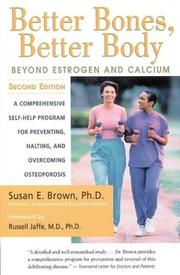
Takes a whole-systems view of bone health, addressing acid-alkaline balance, stress hormones, and lifestyle factors often overlooked in conventional care. Bridges the gap between self-care and working with a physician.
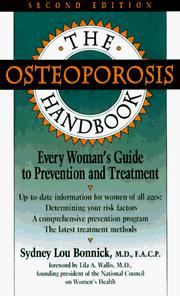
Written by a leading clinical bone densitometrist, this handbook explains bone density testing (DEXA), fracture risk scores, and medication options in accessible terms — essential for having informed conversations with your doctor.
Advanced: Clinical Science and Critical Thinking
ExpertEngage with the deeper science of bone metabolism, critically evaluate research on medications and supplements, and understand the frontier of osteoporosis management well enough to advocate for yourself at a high level.
▸ Study plan for this stage
Pace: 4–5 weeks, ~40–50 pages/day with 2–3 days per week for reflection and note-taking
- The distinction between bone density (measured by DEXA scans) and actual bone quality, strength, and fracture risk—and why density alone is an incomplete predictor
- How the pharmaceutical industry and medical establishment have shaped osteoporosis diagnosis and treatment guidelines, including the role of the T-score threshold
- The mechanisms and limitations of bisphosphonate medications (alendronate, risedronate, etc.), including potential long-term side effects and the concept of 'frozen bone'
- Alternative and complementary approaches to bone health: nutrition (calcium, vitamin K2, magnesium), exercise, hormonal factors, and lifestyle modifications supported by evidence
- Critical evaluation of research methodology: understanding study design flaws, conflicts of interest, and how to distinguish between correlation and causation in bone health research
- The role of inflammation, acid-base balance, and systemic factors in bone metabolism beyond simple mineral supplementation
- How to interpret and challenge medical consensus: when to question standard-of-care recommendations and advocate for individualized assessment
- What is the difference between bone mineral density and bone quality, and why does Sanson argue that DEXA scans alone are insufficient for assessing fracture risk?
- How has the definition and diagnosis of osteoporosis (particularly the T-score threshold of −2.5) been influenced by commercial and institutional interests, according to Sanson?
- What are the proposed mechanisms by which bisphosphonates work, and what are the potential long-term consequences of suppressing bone remodeling?
- What evidence does Sanson present for non-pharmaceutical approaches to bone health, and how do factors like exercise, nutrition, and hormonal balance compare to medication in the literature?
- How would you critically evaluate a study claiming a medication reduces fracture risk? What design features and potential biases would you look for?
- What arguments does Sanson make about the relationship between systemic health (inflammation, digestion, acid-base balance) and bone metabolism?
- Create a detailed outline of Sanson's main critiques of the osteoporosis industry, organized by theme (diagnostic criteria, pharmaceutical marketing, research bias, alternatives). Annotate with page numbers and supporting evidence.
- Select 3–4 studies cited by Sanson on bisphosphonates or alternative treatments. Read the abstracts and methods sections; write a 1-page critical appraisal of each, noting study design, sample size, funding source, and potential limitations.
- Construct a personal bone health risk profile: gather your own DEXA results (if available), family history, lifestyle factors, and nutritional intake. Compare this against Sanson's framework—where do you fit, and what does her analysis suggest about your actual risk versus a standard diagnosis?
- Debate exercise: Argue both sides—'Bisphosphonates are essential for high-risk patients' vs. 'Bisphosphonates are overprescribed and carry unacknowledged risks.' Use evidence from Sanson and cited research to support each position.
- Create a one-page 'critical questions to ask your doctor' guide based on Sanson's arguments. Include questions about DEXA interpretation, medication alternatives, and individualized risk assessment.
- Write a 2–3 page reflective essay: How has Sanson's critique changed your understanding of bone health? Where do you still have doubts or disagreements, and what additional evidence would you need?
Next up: This stage equips you to recognize how medical consensus is constructed and challenged, preparing you to integrate emerging research, personalized medicine approaches, and systems-based thinking into a comprehensive, self-advocating framework for long-term bone health management.
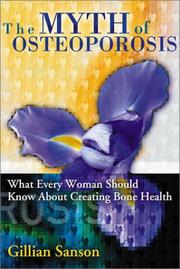
A critical, evidence-based counterpoint that challenges over-diagnosis and over-medication narratives. Reading this last sharpens critical thinking and helps the reader weigh medical recommendations with appropriate skepticism.
Discussion
Keep reading
Paths that share books, cover the same subject, or open a related topic.