The Best Argentine Cookbooks, in Order
This curriculum takes you from the soul and culture of Argentine cooking all the way to mastering its most iconic techniques — live-fire asado, hand-crafted empanadas, and the bold condiments that define the cuisine. Each stage builds on the last: first you absorb the philosophy and flavors, then you develop hands-on technique, and finally you reach the level of a confident Argentine home cook and grill master.
Foundations — The Soul of Argentine Cooking
BeginnerUnderstand the cultural roots, key ingredients, and flavor profiles of Argentine cuisine before touching a grill or rolling dough.
▸ Study plan for this stage
Pace: 4–5 weeks, ~25–30 pages/day
- Fire as the foundational cooking method in Argentine culture and Mallmann's philosophy
- The regional diversity of Argentine ingredients and how geography shapes local cuisines
- Simplicity and respect for ingredient quality as core Argentine cooking principles
- The social and cultural significance of asado (grilling) in Argentine life and identity
- Mallmann's seven-fire cooking techniques and how they transform basic ingredients
- The connection between Argentine landscape, cattle ranching, and meat-centric cuisine
- Flavor profiles unique to Argentine cooking: charred, smoky, herbaceous, and mineral notes
- What role does fire play in Mallmann's cooking philosophy, and how does it differ from other cooking methods?
- How does Argentine geography and landscape influence the ingredients and flavor profiles of the cuisine?
- What makes asado more than just a cooking technique—why is it central to Argentine culture?
- Can you describe Mallmann's seven-fire approach and give examples of how each fire type is used?
- What are the defining flavor characteristics of Argentine cuisine, and how are they achieved?
- How does the principle of ingredient simplicity shape Argentine cooking, and what does this reveal about the culture?
- Create a flavor profile map: list 10 dishes from 'Seven Fires' and identify the dominant flavors (smoky, charred, herbaceous, etc.) and which fire technique creates them
- Cook one complete asado meal using Mallmann's techniques—source quality beef, practice fire management, and serve it as a social gathering to experience the cultural dimension
- Identify and taste 5 key Argentine ingredients mentioned in the book (chimichurri herbs, specific cuts of beef, regional cheeses) and write tasting notes on their characteristics
- Sketch or photograph the seven fires Mallmann describes, then practice building and managing each fire type in your own cooking space
- Read a chapter, then recreate one recipe from 'Seven Fires' exactly as written, documenting how fire intensity and timing affect the final dish
- Interview someone from Argentina (in person or online) about their personal connection to asado and compare their stories to Mallmann's cultural narrative in the book
Next up: This stage establishes the cultural and philosophical foundation—understanding *why* Argentines cook with fire and what flavors they value—preparing you to learn specific techniques, regional recipes, and advanced methods in the next stage.
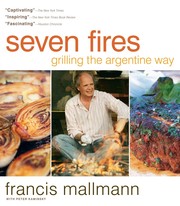
The single most iconic entry point into Argentine live-fire cooking. Mallmann introduces the philosophy of fire, the asado tradition, and foundational techniques in a way that is inspiring and accessible to any beginner.
The Asado — Mastering Live-Fire Grilling
IntermediateDevelop real competence in open-fire and wood-coal grilling: managing heat, choosing cuts, and understanding the asador's mindset.
▸ Study plan for this stage
Pace: 4–5 weeks, ~40–50 pages/day, with 2–3 days between major sections for practice and reflection
- The asador's philosophy: fire as a living element requiring constant attention and respect, not just a heat source
- Heat management across different zones: understanding temperature gradients, positioning, and how to move food strategically
- Wood and coal selection: how different fuels burn, their flavor profiles, and how to build and maintain fires for specific cooking tasks
- Mallmann's signature techniques: the parilla, vertical cooking, and using the fire's architecture to control doneness
- Ingredient-fire pairing: selecting cuts of meat and vegetables that match the fire's intensity and your heat management strategy
- The rhythm of asado cooking: timing, patience, and reading the fire's behavior rather than relying on timers
- Flavor development through direct and indirect heat: charring, smoking, and gentle cooking as distinct techniques within one fire
- What is Mallmann's core philosophy about the relationship between the cook and the fire, and how does it differ from treating fire as a mere tool?
- How do you identify and create different heat zones in an open fire, and what types of food belong in each zone?
- What are the key differences between cooking with wood versus coal, and how do these fuels affect flavor and heat control?
- Describe Mallmann's vertical cooking technique: what problem does it solve, and how do you execute it safely?
- How do you choose which cuts of meat and vegetables are suited to asado cooking, and what does Mallmann say about respecting the ingredient?
- What does it mean to 'read the fire,' and what specific signs should you watch for to adjust your cooking in real time?
- Build and maintain three different fire configurations (hot zone, medium zone, cool zone) in a single grill or fireplace, noting how long each takes to establish and how you adjust fuel placement
- Cook a full asado meal (beef, offal, vegetables) using Mallmann's heat-zone strategy, documenting where each item was placed and how you moved it during cooking
- Practice vertical cooking with at least two different cuts (e.g., a whole fish and a thick steak), recording how the positioning affects cooking time and crust development
- Conduct a blind taste test: cook identical cuts of meat using wood-only, coal-only, and mixed fuel, then analyze the flavor and texture differences
- Study and sketch the fire's behavior over a 2–3 hour cooking session, noting how flames, coals, and heat distribution change as fuel burns down
- Prepare a detailed asado menu for 6–8 people that sequences dishes by cooking time and heat requirement, then execute it while adjusting in real time based on fire behavior
Next up: This stage grounds you in the technical and philosophical foundations of live-fire cooking, preparing you to explore regional Argentine asado traditions, specialized equipment, and how different regions adapt these core principles to local ingredients and cultural practices.

Mallmann's follow-up expands the live-fire repertoire with 100 recipes and deeper technique — a natural second step after Seven Fires, pushing the learner from inspiration to execution.
Empanadas & The Dough Arts
IntermediateMaster the full craft of empanadas — regional dough styles, classic and creative fillings, and the repulgue fold — Argentina's most beloved hand-held food.
▸ Study plan for this stage
Pace: 4–5 weeks, ~25–30 pages/day, with 2–3 dedicated cooking sessions per week
- Regional empanada dough variations: the role of fat (lard, butter, oil) and hydration in creating distinct textures across Argentina's provinces
- The repulgue: the decorative crimped edge that seals empanadas and signals regional identity and technique mastery
- Classic Argentine fillings: carne picada, humita, queso y cebolla, and their flavor-building techniques (sofrito, spice balance, moisture control)
- Dough handling and lamination: how to develop flaky layers without overworking gluten, and the importance of resting periods
- Filling-to-dough ratios and assembly logistics: preventing leakage, achieving even cooking, and maintaining structural integrity during frying or baking
- Creative filling innovation within tradition: how to honor regional styles while experimenting with seasonal ingredients and modern techniques
- The cultural and social significance of empanadas in Argentine life: street food, family gatherings, and regional pride
- What are the key differences between empanada doughs from different Argentine regions (e.g., Tucumán vs. Buenos Aires), and how do fat type and hydration create these distinctions?
- Describe the repulgue technique in detail: what does it accomplish functionally and symbolically, and how do regional styles vary?
- How do you build flavor in a traditional carne picada filling, and what are the critical steps to prevent a soggy empanada?
- Explain the relationship between dough resting time, gluten development, and flakiness—why does patience matter in empanada dough?
- What are three classic Argentine empanada fillings, and what makes each one distinct in terms of ingredients, technique, and regional origin?
- How would you adapt a traditional empanada filling with a seasonal or non-traditional ingredient while respecting the dish's integrity?
- Make three regional dough variations (e.g., one with lard, one with butter, one with oil) and compare texture, flakiness, and handling properties side-by-side
- Practice the repulgue fold 20+ times on dough scraps until the motion becomes muscle memory; film yourself and compare to Presilla's guidance
- Prepare a carne picada filling from scratch, documenting each step (sofrito, spice toasting, meat browning, cooling); taste and adjust seasoning
- Assemble and fry a batch of 12–15 empanadas using two different fillings; track which seals best and which leaks, and diagnose why
- Bake a batch of empanadas alongside a fried batch and compare texture, color, and flavor—document the differences
- Interview a family member or Argentine friend about their empanada memories and regional preferences; incorporate one of their filling ideas into a test batch
Next up: Mastering empanadas establishes your foundation in Argentine dough craft and filling logic, preparing you to explore how these same techniques scale to larger pastries, savory pies, and regional bread traditions across Latin America.
The most thorough English-language guide to empanada making, covering dough ratios, baking vs. frying, and a wide range of Argentine-style fillings with clear, beginner-friendly instructions.
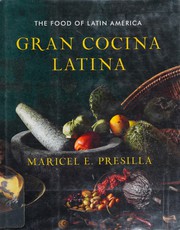
A James Beard Award–winning reference that places Argentine empanadas and pastry traditions in their broader Latin American context, deepening the learner's understanding of why regional variations exist.
Chimichurri, Sauces & the Complete Argentine Table
ExpertCommand the full Argentine table — chimichurri and salsa criolla in all their variations, side dishes, wine pairings, and the art of hosting a proper asado from start to finish.
▸ Study plan for this stage
Pace: 4–5 weeks, ~25–30 pages/day, with 2–3 cooking sessions per week
- Building flavor foundations: how acid, salt, fat, and heat work together in Argentine-inspired sauces and condiments
- Chimichurri and salsa criolla as living condiments—variations, substitutions, and how to adapt them to available ingredients
- Uncomplicated technique over rigid recipes: developing intuition for seasoning, tasting, and adjusting as you cook
- The role of sauces and sides in structuring an Argentine meal—how they complement grilled meats and create balance
- Ingredient-driven cooking: selecting quality produce and proteins first, then building the meal around them
- Hosting and table composition: creating a complete asado experience with proper pacing, wine pairing, and guest management
- Confidence through repetition: mastering a small set of core preparations so you can execute them without thinking
- How does Carla Lalli Music's philosophy of 'uncomplicated recipes' apply to making chimichurri and salsa criolla, and why does this approach work better than following rigid formulas?
- What are the key flavor components in chimichurri and salsa criolla, and how would you adjust them based on the quality and type of ingredients available to you?
- How do you know when a sauce is properly seasoned, and what role does tasting and adjusting play in the cooking process?
- What side dishes and condiments would you serve alongside grilled meats at an asado, and how do they work together to create a complete meal?
- How would you structure an asado from start to finish—from preparation through service—to ensure good pacing and a relaxed hosting experience?
- What wines would you pair with different components of an Argentine meal, and how do sauces and sides influence those pairing decisions?
- Make chimichurri three times using different herb combinations (parsley-heavy, cilantro-forward, mixed herbs) and taste-test to understand how each variation changes the sauce's character
- Prepare salsa criolla twice—once with red onions and once with white—and compare how the onion type affects flavor, sweetness, and texture
- Cook a simple grilled protein (steak, chicken, or fish) and serve it with three different sauce/side combinations, noting which pairings feel most balanced
- Host a small asado for 4–6 people: plan the menu, prep all sauces and sides in advance, grill the protein, and practice pacing from aperitif through dessert
- Experiment with chimichurri as a marinade, a finishing sauce, and a condiment served on the side—cook the same protein three ways and compare results
- Create a tasting board of 4–5 Argentine condiments and sides (chimichurri, salsa criolla, grilled vegetables, bread, cheese) and practice describing how they work together
Next up: This stage grounds you in the foundational sauces, sides, and hosting principles that define the Argentine table, preparing you to explore regional variations, specialized techniques, and the deeper cultural and historical context of Argentine cuisine in the next stage.

While not Argentina-specific, this book sharpens the learner's intuition for building sauces, seasoning by feel, and improvising — skills essential for making chimichurri and marinades truly your own rather than just following a recipe.
Discussion
Keep reading
Paths that share books, cover the same subject, or open a related topic.