The Best Oaxacan Cookbooks, in Order
This curriculum dives into Oaxacan cooking at an intermediate level, assuming the learner already has solid kitchen fundamentals and some exposure to Mexican cuisine. The path moves from broad regional context and essential techniques — mole, masa, and market cooking — through the voices of Oaxacan cooks themselves, and finally into the deep craft of fermentation, mezcal, and the living culinary culture that makes Oaxaca Mexico's most celebrated food region.
The Oaxacan Table: Context & Core Techniques
IntermediateBuild a confident working map of Oaxacan cuisine — its seven moles, key ingredients (chiles, masa, chocolate, quesillo), and the logic of the market kitchen — before going deeper into any single tradition.
▸ Study plan for this stage
Pace: 6–8 weeks, ~25–30 pages/day. Read Kennedy first (3–4 weeks), then Trilling (3–4 weeks). Allow time between books to practice techniques and gather ingredients.
- The seven moles of Oaxaca: their regional origins, ingredient profiles, and when/why each is served (from Kennedy's systematic taxonomy)
- The holy trinity of Oaxacan flavor: chiles (pasilla oaxaqueña, chilhuacle, guajillo), chocolate, and masa as foundational building blocks
- Quesillo (Oaxaca cheese) and its role in both savory and sweet preparations; how it differs from other Mexican cheeses
- The market kitchen logic: how Oaxacan cooks shop seasonally, use what's available, and build dishes around ingredient quality rather than recipes
- Toasting, charring, and grinding techniques that unlock flavor in chiles, spices, and seeds—the technical backbone of the cuisine
- The relationship between indigenous (Zapotec/Mixtec) ingredients and Spanish colonial influences in shaping modern Oaxacan dishes
- Seasonal eating and celebration: how Oaxacan cooking is tied to festivals, harvests, and the agricultural calendar (Trilling's perspective)
- The philosophy of simplicity and restraint: how Oaxacan cooks achieve depth through technique and ingredient quality, not complexity
- What are the seven moles of Oaxaca, and what distinguishes each one in terms of ingredients, flavor profile, and occasion?
- Why are chiles, chocolate, and masa considered the foundational trinity of Oaxacan cooking, and how does each function in the cuisine?
- How does a market-driven approach to cooking differ from recipe-driven cooking, and what does this mean for how you shop and plan meals?
- What are the key toasting and grinding techniques used in Oaxacan cooking, and why does the method of preparation matter as much as the ingredients?
- How do seasonal and agricultural cycles shape what Oaxacans cook and eat throughout the year?
- What is quesillo, how is it made, and in what dishes does it play a central role?
- Make mole negro from Kennedy's recipe; document the toasting sequence, grinding stages, and how flavors build. Taste at each stage to understand the technique.
- Visit a Mexican market or online supplier and identify three varieties of dried chiles (pasilla oaxaqueña, chilhuacle, guajillo). Toast, grind, and taste each separately to map their individual flavor profiles.
- Prepare masa from scratch (or source prepared masa) and make two dishes: one sweet, one savory. Compare texture and flavor to store-bought alternatives.
- Source quesillo (or substitute with fresh mozzarella) and prepare two recipes: one where it's the star (e.g., quesadillas) and one where it's supporting (e.g., in a mole or soup). Note how it behaves when heated.
- Plan a week of meals using the market-kitchen approach: visit a farmers market or grocery store, choose three seasonal ingredients you find appealing, then research Oaxacan dishes that feature them. Cook at least two.
- Prepare a simple chocolate drink (champurrado or atole) using traditional grinding or blending methods. Compare homemade to commercial versions and reflect on why technique matters.
Next up: This stage gives you the grammar and vocabulary of Oaxacan cooking—the moles, techniques, and seasonal rhythms—so that the next stage can zoom into a single tradition (whether regional, ingredient-focused, or celebration-based) with real depth and confidence.

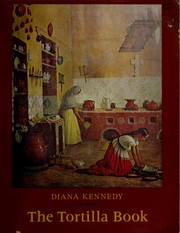
Kennedy's most exhaustive regional study, covering Oaxaca's ingredients, markets, and recipes with scholarly precision. Starting here gives you the authoritative lay of the land and the vocabulary every subsequent book assumes.
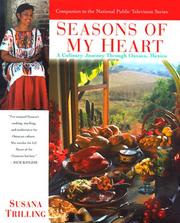
Trilling, who has run a cooking school in Oaxaca for decades, translates the region's home cooking into approachable recipes with deep cultural context — a perfect bridge from Kennedy's reference depth to hands-on practice.
Mole, Masa & the Soul of the Kitchen
IntermediateMaster the two pillars of Oaxacan cooking — the complex layered moles and the living craft of masa — understanding both technique and the cultural meaning behind each dish.
▸ Study plan for this stage
Pace: 4–5 weeks, ~25–30 pages/day, with 2–3 days per week reserved for hands-on cooking practice
- The architecture of mole: how layering spices, chiles, and other ingredients creates depth and regional variation across Oaxaca's seven major moles
- Mole as cultural text: understanding how each mole carries historical, familial, and spiritual significance beyond its flavor profile
- Masa as a living craft: the relationship between corn selection, nixtamalization, hydration, and hand-feel in creating proper texture and taste
- The sensory language of masa: learning to read masa through touch, smell, and taste rather than relying solely on measurements
- Regional and seasonal variation: how geography, available ingredients, and tradition shape both mole recipes and masa preparation across Oaxacan communities
- The cook's intuition: developing the judgment to adjust recipes based on humidity, corn variety, and other environmental factors
- Technique as tradition: recognizing how grinding, mixing, and cooking methods preserve cultural knowledge and flavor integrity
- What are the key flavor components that distinguish Oaxaca's major moles from one another, and how does layering technique affect the final taste?
- How does the nixtamalization process fundamentally change corn, and why is this step non-negotiable for authentic masa?
- What does it mean to 'read' masa by hand, and what specific tactile and sensory cues indicate when masa is properly prepared?
- How do regional ingredients and local corn varieties influence both mole recipes and masa consistency across different Oaxacan communities?
- Why is mole preparation often a multi-day or multi-generational process, and what cultural values does this reflect?
- How would you troubleshoot masa that is too dry, too wet, or lacks proper flavor, using the principles from 'On Masa'?
- Prepare at least two different moles from 'Truly Mexican' (e.g., mole negro and mole rojo), documenting how spice layering and cooking time affect flavor development at each stage
- Conduct a comparative tasting of store-bought masa versus hand-prepared masa, noting differences in texture, flavor, and workability
- Nixtamalize dried corn from scratch following 'On Masa' guidance, then grind and prepare masa by hand, journaling the sensory changes at each step
- Make fresh tortillas or tamales using your prepared masa, paying attention to how hydration and hand-feel translate into final product quality
- Interview or research one regional Oaxacan family's mole recipe and its cultural backstory, then prepare it while noting how their technique differs from the books' instructions
- Create a spice-layering chart for one mole, mapping when each ingredient is added and how the aroma evolves, then compare your results to the book's descriptions
Next up: This stage grounds you in the two foundational techniques and philosophies of Oaxacan cooking, preparing you to explore how these pillars extend into regional specialties, street food, and contemporary interpretations in the next stage.
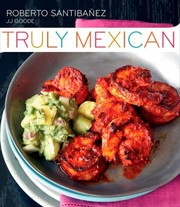
The clearest, most methodical guide to building Mexican sauces and moles from scratch; reading this before tackling Oaxacan mole recipes specifically will sharpen your instincts for toasting, grinding, and balancing.
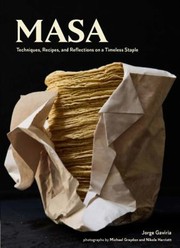
The definitive English-language book on nixtamal and masa, covering tlayudas, memelas, and tortillas — the foundation of Oaxacan street and home cooking — with sourcing guidance for heirloom corn.
Oaxacan Voices: Chefs Redefining the Tradition
IntermediateSee how contemporary Oaxacan chefs — working from the same market ingredients and ancestral techniques — push the cuisine into modern restaurant and home contexts without losing its identity.
▸ Study plan for this stage
Pace: 6–7 weeks, ~25–30 pages/day (approximately 180–210 pages total across both books)
- How contemporary chefs honor ancestral techniques (mole-making, nixtamalization, fermentation) while adapting them for modern kitchens and restaurant service
- The role of regional Oaxacan markets and seasonal ingredients as both constraint and creative inspiration for innovation
- Personal narratives and family histories as the foundation for how chefs define and redefine 'authentic' Oaxacan cuisine
- The tension between preserving tradition and experimenting with presentation, plating, and fusion without diluting cultural identity
- How home cooking and restaurant cooking represent different but equally valid expressions of Oaxacan culinary identity
- The economics and logistics of sourcing traditional ingredients in contemporary contexts (both in Oaxaca and diaspora communities)
- Storytelling as a tool for chefs to communicate the 'why' behind dishes, connecting diners to cultural and personal heritage
- How does Bricia Lopez use family recipes and personal history in 'Oaxaca' to justify her approach to modernizing traditional dishes?
- What specific ancestral techniques does Lesley Téllez highlight in 'Eat Mexico,' and how do the chefs she profiles adapt these for contemporary cooking?
- Identify one dish or cooking method from each book and explain how it demonstrates the balance between tradition and innovation.
- What role do Oaxacan markets and ingredient availability play in shaping both the constraints and creative possibilities for the chefs featured in these books?
- How do the chefs in both books use storytelling and cultural context to help diners understand the significance of what they're eating?
- What are the key differences in how home cooks and restaurant chefs approach Oaxacan cuisine according to these authors, and why do both matter?
- Read Bricia Lopez's introduction and first chapter of 'Oaxaca,' then write a one-page reflection on how her personal story shapes her philosophy about tradition and innovation.
- Prepare one recipe from 'Oaxaca' (e.g., a mole or tlayuda) following Lopez's instructions exactly, then document what ancestral techniques you observe and what modern adaptations she suggests.
- Select one profile or chef story from 'Eat Mexico' and create a one-page 'chef's manifesto'—articulate what that chef seems to believe about how Oaxacan cuisine should evolve.
- Visit a local Latin market (or research online) and identify three ingredients mentioned in both books; note their availability, cost, and quality, then reflect on how scarcity or abundance might influence a chef's decisions.
- Cook two versions of the same dish—one strictly traditional (as described in the books) and one with a modern twist you design—then taste, compare, and write about where the line between innovation and authenticity felt blurred.
- Create a comparison chart of 3–4 dishes across both books, noting: the ancestral technique, the modern context (home vs. restaurant), the ingredient sourcing challenge, and the cultural story behind it.
Next up: This stage equips you with a nuanced understanding of how living chefs navigate tradition and modernity; the next stage will likely deepen your technical mastery by focusing on the specific regional cuisines, ingredient science, and advanced techniques that underpin Oaxacan cooking at its highest level.

Lopez, whose family runs the landmark LA restaurant Guelaguetza, presents the cuisine as a living diaspora tradition — moles, tlayudas, and festive dishes explained with personal narrative and practical recipes.

Téllez's market-driven approach to regional Mexican cooking, including Oaxacan specialties, teaches the reader to think like a cook navigating a tianguis — essential intuition for improvising with Oaxacan ingredients.
Mezcal, Fermentation & the Living Culture
ExpertUnderstand mezcal as both a culinary ingredient and a cultural artifact, and grasp the fermentation traditions — tejate, tepache, chocolate — that complete the full sensory world of Oaxacan food and drink.
▸ Study plan for this stage
Pace: 4–5 weeks, ~25–30 pages/day, with 2–3 days per week dedicated to tasting notes and cultural research
- The history and geography of mezcal production in Oaxaca, including agave varieties and terroir
- Fermentation science: how wild yeasts, temperature, and time shape mezcal's flavor profile and cultural significance
- Mezcal's role as both a commercial commodity and a sacred/ceremonial element in Oaxacan identity
- The distinction between industrial and artisanal mezcal production methods and their cultural implications
- Fermented beverages beyond mezcal: tejate, tepache, and their place in daily Oaxacan life and ritual
- The sensory vocabulary of mezcal tasting: smoke, mineral, fruit, and how to describe fermentation-driven flavors
- The tension between tradition and modernization in the mezcal industry, as explored through Greene's narrative
- Mezcal as a culinary ingredient: how to select, pair, and cook with mezcal in Oaxacan dishes
- What are the main agave species used in mezcal production, and how does terroir influence the final spirit?
- How does the fermentation process in mezcal production differ from other spirits, and why does Greene emphasize the role of wild yeasts?
- What is the cultural and economic significance of the 'mezcal rush' that Greene documents, and what tensions does it create?
- How do tejate, tepache, and chocolate fermentation traditions connect to mezcal within the broader Oaxacan food and drink ecosystem?
- What are the key differences between artisanal and industrial mezcal production, and what does Greene argue about their respective roles in Oaxacan culture?
- How can mezcal be used as a culinary ingredient, and what flavor profiles should a cook understand when selecting mezcal for cooking?
- Create a detailed tasting journal for 2–3 different mezcals (ideally from different regions/agave types), documenting nose, palate, finish, and fermentation notes
- Research and map the primary mezcal-producing regions of Oaxaca mentioned in Greene's book; note agave varieties, production methods, and cultural significance of each
- Prepare tejate and/or tepache from a traditional recipe; document the fermentation process over 1–2 weeks and compare flavor development to mezcal fermentation principles
- Cook 2–3 Oaxacan dishes using mezcal as an ingredient (e.g., in sauces, marinades, or sips); evaluate how mezcal's smoke and fermentation character transforms the dish
- Interview or watch video interviews with mezcal producers or Oaxacan cooks; identify how they describe the relationship between tradition, fermentation, and identity
- Create a comparative chart: mezcal vs. tejate vs. tepache vs. chocolate, mapping fermentation time, ingredients, cultural use, and sensory profile
Next up: This stage establishes mezcal and fermented beverages as both scientific and cultural phenomena, preparing you to explore how these traditions integrate into specific Oaxacan dishes, regional cooking styles, and the contemporary food movement that honors ancestral techniques.

A deep narrative investigation of mezcal's production, culture, and politics in Oaxaca; reading this last gives the learner the full human and ecological story behind the spirit that defines the region's identity.
Discussion
Keep reading
Paths that share books, cover the same subject, or open a related topic.