Cook real Mexican food at home
This curriculum moves from the essential building blocks of Mexican cooking — chiles, masa, salsas, and foundational technique — through the great regional traditions, and finally into the deep culinary culture and advanced craft that separates a true practitioner from a casual cook. Each stage assumes the skills of the one before it, so reading and cooking in order is strongly recommended.
Foundations: Flavor, Fire & Masa
BeginnerUnderstand the core pantry (dried and fresh chiles, tomatillos, masa, lard, Mexican herbs), make handmade tortillas and basic salsas from scratch, and cook a first set of everyday Mexican dishes with confidence.
▸ Study plan for this stage
Pace: 8–10 weeks total, reading all three books in sequence. Week 1–3: "My Mexico City Kitchen" by Gabriela Camara (~20–25 pages/day), focusing on pantry essays and foundational technique chapters before attempting any recipes. Week 4–6: "Salsa Daddy" by Rick Martínez (~15–20 pages/day), reading each sals
- The Mexican pantry trinity: dried chiles (anchos, guajillos, chipotles, pasillas), fresh chiles (serranos, jalapeños, poblanos), and tomatillos — their flavor profiles, heat levels, and when to use each, as introduced through Camara's pantry-forward philosophy in My Mexico City Kitchen
- Masa fundamentals: the nixtamalization process (why corn is treated with cal/lime), the difference between masa harina and fresh masa, and how Camara's tortilla recipes teach proper hydration, texture, and pressing technique
- The role of lard and fat in Mexican cooking: Camara's unapologetic use of manteca as a flavor carrier and how it differs from vegetable shortening — understanding fat as a cultural and culinary choice, not just a cooking medium
- Salsa as a spectrum, not a condiment: Martínez's framework in Salsa Daddy organizes salsas by technique (raw/cruda, roasted/tatemada, boiled, fried) and by base ingredient — internalizing this matrix is the key conceptual leap of the stage
- Fire and heat as technique: dry-toasting on a comal, charring on an open flame, and broiling — Martínez demonstrates how the same chile or tomatillo produces radically different flavor depending on the heat source and method applied
- Balancing the five flavor pillars of Mexican cooking as modeled across both Camara and Martínez: acid (citrus, vinegar), heat (chile), smoke (charring, chipotle), earthiness (dried chiles, epazote), and brightness (cilantro, tomatillo)
- Mexican herbs and aromatics beyond cilantro: epazote, hierba santa, Mexican oregano (distinct from Mediterranean), and avocado leaf — Camara's recipes introduce these in context so the reader learns them through use, not memorization
- Cultural and emotional relationship with food: Cervantes's Tortilla Sun weaves food into identity, memory, and place — reinforcing that Mexican cooking is inseparable from family, land, and story, providing the 'why' behind the techniques in Camara and Martínez
- After reading My Mexico City Kitchen, can you name at least five dried chiles from Camara's pantry, describe each one's flavor profile (fruity, smoky, earthy, hot), and explain how to properly rehydrate them for a sauce?
- Camara treats the tortilla as the foundation of Mexican cuisine — can you describe the step-by-step process for making corn tortillas from masa harina as she presents it, including how to test for correct dough hydration and how to know when a tortilla is properly cooked on the comal?
- Martínez organizes Salsa Daddy around technique rather than just ingredients — can you explain the difference between a salsa cruda, a salsa tatemada, and a salsa de molcajete, and give one example recipe from the book for each?
- After working through Salsa Daddy, can you articulate how changing the heat source (open flame vs. dry comal vs. broiler) changes the flavor of a roasted tomatillo or chile, using specific examples from Martínez's recipes?
- Tortilla Sun uses food as a lens for cultural identity — what specific foods or cooking moments in Cervantes's narrative connect most directly to the techniques you practiced from Camara and Martínez, and what do they reveal about the meaning of those dishes beyond the recipe?
- Across all three books, how is lard (manteca) discussed and used? Can you make the case — drawing on Camara's writing — for why fat choice is both a culinary and a cultural decision in Mexican cooking?
- Pantry build from My Mexico City Kitchen: Using Camara's pantry chapter as your shopping list, source and label at least six dried chiles. Toast a small piece of each on a dry comal, smell and taste them, and write a one-sentence tasting note for each. This sensory log will become your personal chile reference guide.
- Tortilla boot camp (Camara): Make corn tortillas from scratch three times in the same week using the recipe in My Mexico City Kitchen — once with masa harina, and if possible once with fresh masa from a local tortillería. Compare texture, flavor, and pliability. Note what changed between your first and third attempt.
- Salsa matrix cook-through (Martínez): Choose one recipe from each of Martínez's four technique categories in Salsa Daddy (raw, roasted/tatemada, boiled, fried). Cook all four in a single weekend session, taste them side by side with plain tortilla chips, and write tasting notes comparing brightness, smoke, body, and heat.
- Fire comparison experiment (Martínez): Take a single ingredient — a tomatillo or a jalapeño — and prepare it three ways as Martínez demonstrates: charred directly on a gas flame, dry-roasted on a comal, and broiled in the oven. Use each version in the same simple salsa recipe and compare the results. Document the flavor differences in writing.
- Full meal assembly from Camara: Cook one complete, simple everyday meal using only recipes from My Mexico City Kitchen — for example, handmade tortillas + a bean dish + a table salsa. Plate and eat it as a sit-down meal, not a tasting exercise. Reflect on how the components interact.
- Narrative-to-kitchen journal (Cervantes): While reading Tortilla Sun, keep a two-column journal: on the left, note every food, ingredient, or cooking moment Cervantes describes; on the right, write which recipe or technique from Camara or Martínez it connects to. At the end of the book, identify the three connections that surprised you most and cook one of them.
Next up: Mastering the pantry, masa, and salsa foundations built in this stage gives the reader the technical vocabulary and muscle memory needed to tackle the more complex moles, braises, and regional variations that define intermediate Mexican cooking — where the same chiles, fats, and fire techniques are layered into multi-ingredient sauces and slow-cooked dishes of greater depth and ambition.

A welcoming, technique-forward entry point by one of Mexico's most respected chefs. It teaches the logic of Mexican flavor — chiles, acids, fats — before recipes become complex, giving beginners a strong intuitive foundation.

Dedicated entirely to salsas — the backbone of Mexican cooking — this book trains the palate on roasting, charring, and blending chiles and tomatillos, skills that underpin nearly every dish in later stages.

Bridges cultural context and kitchen practice, helping the beginner understand why masa and the tortilla are central to Mexican identity before diving into more technical masa work ahead.
The Mexican Kitchen Bible
BeginnerBuild a comprehensive, recipe-tested command of classic Mexican dishes across all categories — soups, rice, beans, moles, tamales, seafood — using a single authoritative reference.
▸ Study plan for this stage
Pace: 10–12 weeks total. Weeks 1–8: "Mexico: The Cookbook" by Margarita Carrillo Arronte — read thematically by chapter category (soups, rice & beans, moles, tamales, seafood, etc.), targeting ~20–25 pages/day, 5 days/week, with one cook day and one review day per week. Weeks 9–12: "Truly Mexican" by Robe
- The architecture of Mexican cuisine: how soups (caldos, sopas secas), rice, beans, and salsas function as the structural backbone of daily Mexican cooking, as laid out across Arronte's categorized chapters.
- Chili literacy: identifying, toasting, soaking, and blending dried and fresh chiles — the foundational skill underpinning virtually every recipe in both books.
- The four mother sauces of Mexican cooking as defined by Santibañez in 'Truly Mexican': salsas, guacamoles, moles, and adobos — and how each is built from a distinct technique and flavor logic.
- Mole as a category, not a single dish: understanding the spectrum from quick salsa-based moles to the multi-ingredient, multi-day mole negro and mole poblano featured in Arronte's mole chapter.
- Masa mastery: how masa harina is hydrated, seasoned, and used as the foundation for tamales and antojitos, drawing on Arronte's tamale chapter for proportions and fillings.
- Layered cooking techniques — dry-toasting, charring on a comal, frying in lard vs. oil, and slow-simmering — and how each transforms flavor in ways both authors repeatedly emphasize.
- Regional diversity within Mexico: recognizing how Arronte's recipes signal their geographic origin (Oaxacan, Veracruz, Yucatecan, etc.) and why region determines ingredient and technique choices.
- Recipe testing as a learning method: using both books as tested, reliable references means cooking is the primary way to internalize ratios, seasoning logic, and technique — not just reading.
- After reading Arronte's soup and rice chapters, can you explain the difference between a 'sopa aguada' (wet soup) and a 'sopa seca' (dry soup), and give an example of each from the book?
- What are the key steps Santibañez outlines in 'Truly Mexican' for building each of the four sauce families, and what distinguishes a salsa from an adobo in terms of technique and use?
- Using Arronte's mole chapter as your reference, what are the major ingredient categories (chiles, thickeners, aromatics, chocolate) that appear across multiple mole recipes, and how do their proportions shift between a simple mole rojo and a mole negro?
- How does Arronte approach beans — from dried to pot beans to refried — and what cooking variables (fat, aromatics, timing) does she identify as critical to the final result?
- Based on 'Truly Mexican,' what is the role of acid (citrus, vinegar) in Mexican sauces, and how does Santibañez use it differently in guacamoles versus adobos?
- Having cooked from both books, what technique or flavor principle appears in Arronte's recipes that Santibañez then explains more deeply in 'Truly Mexican,' and how did cooking both illuminate that concept?
- Chile identification pantry build: Before cooking from Arronte, source at least 8 dried chiles she uses most frequently (ancho, mulato, pasilla, chipotle, guajillo, chile de árbol, cascabel, chile negro). Toast, rehydrate, and taste each one plain, then write tasting notes on heat, fruitiness, smokiness, and bitterness.
- Cook one recipe from every major chapter in 'Mexico: The Cookbook' — at minimum: one caldo, one sopa seca, one pot of beans, one rice dish, one mole (start with mole rojo before attempting mole negro), one tamale batch, and one seafood dish. Keep a cooking journal noting what worked, what you'd adjust, and what technique surprised you.
- Santibañez's four-sauce sprint: After finishing 'Truly Mexican,' cook one representative recipe from each of the four sauce families in a single weekend — a roasted salsa, a guacamole, a simple mole, and an adobo marinade. Plate them side by side and write a one-paragraph comparison of how each is built and what it's best used for.
- Tamale workshop: Using Arronte's tamale chapter as your blueprint, make a full batch of tamales from scratch — prepare the masa, make at least two different fillings she specifies, wrap in corn husks or banana leaves, and steam. Troubleshoot texture by adjusting masa hydration if needed.
- Regional mapping exercise: As you cook through Arronte's recipes, mark each dish's region of origin on a blank map of Mexico. By the end of the book, you should have dots across at least 6–8 states, giving you a visual sense of Mexico's culinary geography.
- Technique translation drill: Choose any three recipes from Arronte that you've already cooked, then find the closest technique explanation in Santibañez (e.g., how to char tomatoes, how to fry a sauce). Re-cook the Arronte recipe applying Santibañez's more detailed technique guidance and note whether the result changes.
Next up: ">Mastering classic recipes and the four sauce families in this stage gives the reader a reliable technical and flavor vocabulary that makes the deeper regional, historical, and improvisational study of Mexican cuisine — the natural focus of a more advanced stage — both accessible and meaningful.

The single most comprehensive survey of Mexican home cooking in English, with over 650 recipes organized by region and category. Reading it after the foundations stage means you already speak the flavor language and can now map it across the whole country.
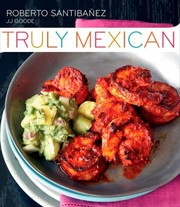
Focuses obsessively on salsas, guacamoles, and moles — the sauce traditions that define Mexican cooking — with clear explanations of technique that reinforce and deepen what the previous books introduced.
Masa & Corn: The Soul of Mexico
IntermediateMaster nixtamalization and masa from scratch, and cook the full universe of masa-based foods — tortillas, tamales, tlayudas, memelas, sopes, and more — with an understanding of regional corn varieties.
▸ Study plan for this stage
Pace: 6–8 weeks total: Weeks 1–4 on "On Masa" by Jorge Gaviria (~20–25 pages/day, reading slowly and annotating the nixtamalization process and corn variety sections); Weeks 5–8 on "Tacos" by Alex Stupak (~15–20 pages/day, pausing frequently to cook alongside the masa and taco recipes). Plan at least one
- Nixtamalization: the alkaline (cal/slaked lime) process that transforms dried corn into nixtamal, unlocking nutrition, flavor, and workable texture — as detailed by Gaviria in 'On Masa'
- The masa spectrum: understanding the difference between masa harina (dried, reconstituted) and fresh masa ground from nixtamal, and when each is appropriate per Gaviria's framework
- Regional corn biodiversity: how heirloom varieties (cacahuazintle, olotillo, bolita, etc.) differ in starch composition, color, and flavor, and how Gaviria maps these to specific masa applications
- Hydration and fat ratios: how water content and lard/fat percentage determine whether masa is suited for tortillas (lean, firm) versus tamales (enriched, tender) versus sopes (intermediate)
- The full masa-based food universe: tortillas, tamales, tlayudas, memelas, sopes, huaraches, and gorditas — their structural differences and the regional traditions behind each, drawn from both Gaviria and Stupak
- Stupak's taco architecture: how 'Tacos' treats the tortilla not as a wrapper but as a foundational flavor component, and how masa quality directly shapes the finished taco
- Comal technique and heat management: dry-toasting tortillas on a comal to achieve the correct char, puff, and pliability as demonstrated across both books
- Sourcing and milling decisions: Gaviria's guidance on choosing a molino, buying whole dried corn, and the trade-offs between home stone-grinding and purchasing fresh masa from a tortilleria
- After reading 'On Masa,' can you explain step-by-step what happens chemically and texturally to dried corn kernels during nixtamalization, and why skipping this step produces inferior masa?
- How does Jorge Gaviria differentiate the ideal corn variety and hydration level for fresh tortilla masa versus tamal masa, and what sensory cues tell you the dough is correctly prepared?
- Alex Stupak argues in 'Tacos' that the tortilla is the soul of the taco — what specific techniques and masa choices does he prescribe to honor that philosophy?
- What are at least four distinct masa-based antojitos covered across these two books, and how do their shaping, thickness, and cooking methods differ from one another?
- How do both Gaviria and Stupak approach the question of masa harina as a substitute — where do they permit it, and where do they insist on fresh masa, and why?
- Based on 'On Masa,' what practical steps would you take to source, cook, and grind your own nixtamal at home, and what equipment is non-negotiable versus optional?
- Nixtamalization from scratch: Purchase dried field corn or a heirloom variety recommended in 'On Masa,' cook it with cal (food-grade calcium hydroxide) following Gaviria's ratios and timing, then rinse and inspect the nixtamal — taste kernels at each stage and journal the textural and aroma changes.
- Side-by-side tortilla comparison: Make one batch of tortillas from masa harina and one from fresh-ground nixtamal (or purchased fresh masa from a tortilleria) using the techniques in 'On Masa.' Cook both on a dry comal, photograph the puff and char, and write a tasting note comparing flavor, texture, and pliability.
- Tamal-making session: Using Gaviria's enriched masa formula (with lard and broth), prepare at least one batch of tamales — steam them, unwrap, and evaluate whether the masa passes the 'clean separation from husk' test he describes.
- Antojito variety day: In a single cooking session, shape and cook at least three different masa formats from the books — for example, a sope, a memela, and a gordita — focusing on how thickness and edge-pinching technique changes the final texture and topping capacity.
- Taco deconstruction using Stupak's framework: Cook one of the taco recipes from 'Tacos' twice — first with store-bought flour tortillas, then with fresh corn tortillas made to Stupak's spec — and document how the masa choice changes the overall dish.
- Corn variety research and sourcing log: Using the regional corn map and variety descriptions in 'On Masa,' identify two or three heirloom corn varieties available through online millers or local Latin markets, order or source them, and note how each performs differently when nixtamalized and pressed into tortillas.
Next up: Mastering masa as a living, variable ingredient — understanding how corn variety, nixtamalization depth, and fat ratios shift flavor and texture — builds the sensory vocabulary and technical confidence needed to tackle the broader landscape of Mexican regional sauces, stews, and the dishes that sit on top of or alongside that masa foundation.
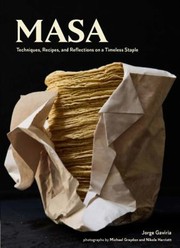
The definitive English-language book on nixtamalization and masa craft. It belongs at the intermediate stage because the reader now has enough context to appreciate why corn variety, water, and cal ratios matter so profoundly.

A chef-level deconstruction of the taco — its tortilla, its fillings, its salsas — that pushes masa skills further and introduces the mindset of treating Mexican food as serious culinary craft rather than casual fare.
Regional Depth: Oaxaca, Yucatán & Beyond
IntermediateCook the great regional cuisines of Mexico in their own right — Oaxacan moles and tlayudas, Yucatecan achiote and cochinita, Veracruz seafood — understanding how geography and history shape flavor.
▸ Study plan for this stage
Pace: 8–10 weeks total: Weeks 1–4 on "Oaxaca" by Bricia Lopez (~25–30 pages/day, including re-reading recipe headnotes and technique sections); Weeks 5–9 on "Yucatán" by David Sterling (~20–25 pages/day — Sterling's encyclopedic depth rewards slower, more deliberate reading); Week 10 is a synthesis and co
- The Seven Moles of Oaxaca: understanding how negro, coloradito, amarillo, verde, rojo, chichilo, and manchamanteles differ in chile base, texture, and occasion — as taught through Lopez's family recipes in 'Oaxaca'
- Tlayudas and the Oaxacan pantry: how staples like asiento (unrefined lard), tasajo, chorizo negro, and quesillo define the street-food and home-cooking identity of the region
- The role of the comal and toasting: Lopez's repeated emphasis on dry-toasting chiles, seeds, and spices as the foundational flavor-building step in Oaxacan cooking
- Achiote (annatto) as the flavor spine of the Yucatán: Sterling's detailed treatment of recado rojo and how achiote paste is built, balanced, and applied across cochinita pibil, pollo pibil, and beyond
- The pib (underground oven) and slow-cooking philosophy: Sterling's explanation of how pit-roasting shapes the texture and smoke profile of Yucatecan meats, and how to approximate it at home
- Recados — Yucatán's spice pastes: Sterling's taxonomy of recado negro, blanco, and colorado, and how each paste maps to a specific class of dishes and occasions
- Geography as flavor: connecting Oaxaca's mountainous, chile-rich terroir and indigenous Zapotec heritage (Lopez) with Yucatán's Maya roots, Caribbean coast, and Lebanese immigrant influence (Sterling)
- Historical and cultural layering: how the Spanish colonial encounter, indigenous traditions, and later immigrant waves (Lebanese in Yucatán, African in Veracruz) created distinct regional identities that neither book treats as monolithic
- After reading 'Oaxaca,' can you name all seven moles, identify the primary chiles in at least four of them, and explain what makes mole negro the most ceremonially significant?
- Lopez frames her recipes through family and community memory — how does that narrative lens change the way you read and execute a recipe compared to a purely technique-driven cookbook?
- Sterling's 'Yucatán' is structured almost as a culinary encyclopedia. What is a recado, how does recado rojo differ from recado negro in ingredients and use, and why does Sterling argue they are the key to understanding Yucatecan identity?
- How does the geography of Oaxaca (landlocked, high-altitude valleys, indigenous market culture) produce a fundamentally different pantry and flavor profile than the Yucatán Peninsula (coastal, Maya lowlands, colonial port cities)?
- What techniques or ingredients appear in BOTH books — such as dry-toasting, lard use, or corn-based preparations — and what does their shared presence tell you about a broader Mexican culinary grammar beneath the regional differences?
- Sterling devotes significant space to sourcing and preparing ingredients from scratch (e.g., grinding recados by hand or in a blender). How does his approach to mise en place differ from Lopez's, and what does each approach demand of the home cook?
- Cook one mole from each tier of complexity in 'Oaxaca': start with mole amarillo (weeknight-accessible), then attempt mole negro on a weekend, documenting how the toasting, charring, and blending steps change the color and aroma at each stage.
- Build a Oaxacan pantry shopping list directly from Lopez's ingredient introductions, then visit a Latin grocery or Mexican market to source as many items as possible — note what you find, what you substitute, and how that affects a tlayuda assembly.
- Make cochinita pibil from Sterling's 'Yucatán' twice: once using store-bought achiote paste, and once making recado rojo from scratch per Sterling's method — taste them side by side and write three sentences on the flavor difference.
- Prepare a recado negro following Sterling's instructions, paying close attention to the charred chile and burnt tortilla steps; use it in a dish of your choice and reflect on how 'controlled burning' functions as a flavor tool rather than a mistake.
- Host a regional tasting dinner: prepare one dish from 'Oaxaca' (e.g., enfrijoladas or a mole-sauced protein) and one from 'Yucatán' (e.g., sopa de lima or papadzules) and ask guests to identify flavor differences — use their responses to articulate the regional contrast in your own words.
- Keep a running 'flavor map' journal throughout both books: each time Lopez or Sterling introduces a key ingredient, paste, or technique, add it to a hand-drawn map of Mexico, annotating what it tastes like, where it comes from, and which dish it anchors.
Next up: By mastering two of Mexico's most technique-intensive and ingredient-specific regional cuisines in depth, the reader has built the palate vocabulary and pantry confidence needed to tackle broader comparative or contemporary Mexican cooking — whether that means exploring Veracruz, Puebla, and the north, or engaging with modern Mexican chefs who remix these regional traditions.

Oaxaca is home to seven moles and some of Mexico's most complex cooking; this warm, family-rooted book makes those traditions accessible while honoring their depth, building directly on the mole groundwork laid earlier.
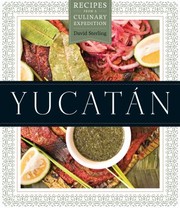
The most thorough treatment of Yucatecan cuisine in English — a cuisine shaped by Maya, Spanish, Lebanese, and Caribbean influences unlike anywhere else in Mexico. It rewards the reader who already has solid technique and a broad Mexican pantry.
Mastery: Culture, History & Advanced Technique
ExpertUnderstand Mexican cuisine as a living cultural and historical system, cook at a professional level of nuance, and develop the ability to improvise authentically rather than just follow recipes.
▸ Study plan for this stage
Pace: 8–10 weeks total: Weeks 1–6 on "Authentic Mexican" (~25–30 pages/day, reading recipes analytically rather than just for instruction, with 1–2 cooking sessions per week); Weeks 7–10 on "Decolonize Your Diet" (~20 pages/day, paired with reflective journaling and ingredient research sessions).
- Regional specificity in Mexican cuisine: how Bayless maps distinct culinary identities across regions (Oaxaca, Veracruz, the Yucatán, etc.) and why collapsing them into 'Mexican food' is a distortion
- The architecture of foundational sauces and preparations — moles, adobos, escabeches, pipianes — as systems of flavor-building rather than fixed recipes
- Technique as cultural knowledge: understanding why Bayless's methods (toasting, charring, grinding, slow-simmering) exist and what each step does chemically and sensorially
- Improvisation within tradition: reading Bayless's variations and substitutions as a framework for developing authentic creative latitude, not as shortcuts
- Food sovereignty and the politics of diet: Calvo's argument that pre-colonial Mesoamerican foodways represent a deliberate, health-sustaining system, not a primitive precursor to modern cuisine
- Decolonization as a culinary practice: how ingredient choices (heirloom corn, quelites, nopales, amaranth, chiles) carry political and cultural weight beyond nutrition
- The intersection of identity, land, and eating: how Calvo reframes Mexican and Chicanx food heritage as an act of resistance and self-determination
- Synthesis — reading both books together: where Bayless's technical mastery and Calvo's political-cultural framework converge, diverge, and mutually enrich a complete understanding of Mexican cuisine
- After working through Authentic Mexican, can you explain how the flavor profile and technique of a Oaxacan mole negro differs structurally from a Veracruz-style adobo — not just in ingredients, but in method and cultural context?
- Bayless frequently offers regional variations on a single dish. What does this teach you about the relationship between a 'canonical' recipe and the living, variable reality of Mexican cooking?
- How does Calvo define 'decolonizing your diet,' and why does she frame pre-colonial Mesoamerican ingredients as medicine as well as food?
- In what ways do the arguments in Decolonize Your Diet challenge, complicate, or add depth to the technical approach presented in Authentic Mexican — and where do the two books speak in harmony?
- Can you identify three ingredients central to Calvo's framework (e.g., nopal, amaranth, epazote) and explain their historical suppression and their culinary function as demonstrated in Authentic Mexican?
- What does it mean to 'improvise authentically' in Mexican cooking, and how would you use the combined knowledge from both books to create a dish that is technically sound and culturally grounded?
- The Mole Deconstruction Lab: Choose one complex sauce from Authentic Mexican (mole negro, pipián rojo, or adobo). Cook it once following Bayless exactly. Then cook it a second time, substituting one regional chile variety for another and adjusting one technique — document what changes and why, building your improvisational muscle.
- Regional Dinner Series: Plan and execute three separate meals, each representing a distinct region covered in Authentic Mexican (e.g., Yucatán, Oaxaca, Veracruz). Source ingredients as locally and authentically as possible, and write a one-page 'regional brief' for each meal explaining its cultural and historical context.
- The Calvo Ingredient Deep-Dive: Select five ingredients foregrounded in Decolonize Your Diet (such as nopales, quelites, amaranth, heirloom corn, or chayote). Research their pre-colonial use, their suppression under colonization, and their current availability. Cook one recipe featuring each ingredient — sourcing heirloom or heritage varieties where possible.
- Technique Journaling: For every major technique in Authentic Mexican (dry-toasting chiles, charring aromatics, grinding in a molcajete vs. blender, lard vs. vegetable fat), write a 150-word entry explaining the sensory and chemical rationale. At the end of the stage, compile these into a personal 'technique manifesto.'
- The Synthesis Dish: After finishing both books, develop an original recipe — not adapted from either book — that is technically informed by Bayless's methods and philosophically grounded in Calvo's framework. Write a one-page headnote (as you'd find in a cookbook) explaining the dish's cultural and historical context, then cook and critically evaluate it.
- Comparative Tasting — Commodity vs. Heritage: Cook the same dish twice using commodity ingredients (supermarket dried chiles, standard masa harina) and then with heritage/heirloom equivalents (stone-ground masa, landrace chiles). Document flavor, texture, and aroma differences, and reflect on what Calvo would say about the political dimension of that difference.
Next up: By internalizing both the technical architecture of Authentic Mexican and the cultural-political framework of Decolonize Your Diet, the reader is now equipped to engage with any Mexican culinary text, regional tradition, or original creative challenge not as a student following instructions, but as a critically informed, culturally respectful practitioner capable of asking — and answering — their
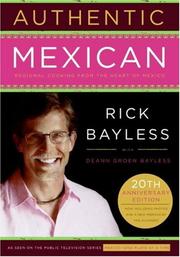
A landmark work of culinary scholarship and precise technique that has guided serious cooks for decades. At this stage it reads as a master class — its regional breakdowns and deep explanations of why techniques work are fully legible now.

Reframes Mexican and Mesoamerican food through its pre-colonial indigenous roots, challenging the cook to think critically about authenticity, history, and the politics of ingredients — the intellectual capstone of a deep culinary education.
Discussion
Keep reading
Paths that share books, cover the same subject, or open a related topic.