Basque Cooking: The Best Books to Read, in Order
Basque cooking is a small cuisine with an outsized literature, because San Sebastian spent forty years as the most decorated restaurant town per head on earth and the English-language books followed. The trap is that the good ones are split across three different things — the home cooking of the Spanish Basque provinces, the bar snack culture of pintxos, and the French Basque side, which is a different kitchen with the same name. This path takes them in that order and closes with the history, because the txoko societies, the cider houses and the obsession with a single perfectly grilled turbot make far more sense once you know what the Basques think they are.
The Home Kitchen
BeginnerCook the core dishes — bacalao al pil-pil, marmitako, piperade, txangurro — from books written for a domestic kitchen, and learn the handful of techniques the rest of the cuisine assumes.
▸ Study plan for this stage
Pace: Six to eight weeks, measured in dishes cooked rather than pages read. All three of these are recipe collections, not reading books: Basque Country is 325 pages, The Basque Table 232 and The Cuisines of Spain 337. Read Buckley's headnotes and introduction properly in the first week, then cook from he
- Bacalao al pil-pil as the technique the cuisine is built on: salt cod, olive oil, garlic and gelatin emulsified by motion and temperature alone, with no added thickener
- Salt cod itself — desalting times, thickness, and why a cuisine on the Atlantic coast is built on a preserved fish rather than a fresh one
- Marmitako as fisherman's food: bonito, potato, pepper, and the potato broken rather than cut so its starch thickens the pot
- The Basque pepper vocabulary — choricero, Gernika, piquillo, Espelette — and which are interchangeable and which are not
- Piperade and txangurro as the other two anchor dishes, one vegetable and one shellfish
- The short-ingredient principle: most of these recipes have five or six components, so provenance and technique carry everything
- What Buckley adapts for a home kitchen and what Barrenechea assumes, which is the most useful thing about reading the two together
- What actually emulsifies a pil-pil, and what are the three ways it breaks?
- How long do you desalt bacalao, and what determines the answer?
- Why is the potato broken rather than sliced in marmitako?
- Which Basque peppers are dried and which fresh, and what would you substitute for each outside Spain?
- Where do Buckley's and Barrenechea's versions of the same dish differ, and is the difference regional, generational or a concession to an American kitchen?
- Cook bacalao al pil-pil from Buckley and again from Barrenechea within a fortnight, and write down what each does differently — pan movement, temperature, when the garlic comes out. This one dish teaches more than any chapter on the path.
- Break a pil-pil on purpose by overheating it, then bring it back. Knowing the recovery is what makes the dish reliable.
- Cook marmitako once with the potatoes broken and once with them sliced. The difference in the broth is the whole reason the instruction exists.
- Read Barrenechea's Basque and Navarrese chapters in The Cuisines of Spain against her own Basque Table and list every dish that appears in both. What is missing from the wider survey tells you what she considers specifically Basque.
- Source Gernika or choricero peppers, or find the substitution each book recommends, and cook the same piperade twice. Write down whether the substitution is acceptable to you.
Next up: The home dishes are the vocabulary; the pintxo bar is where the same cooking is reorganised into a completely different format.

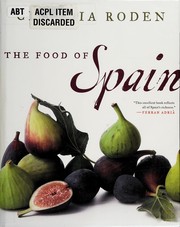
The modern anchor and the right first book: an American cook who moved to San Sebastian, learned the dishes from the people who make them, and wrote them down for a kitchen that does not have a wood grill. The pil-pil emulsion instructions alone are worth it.
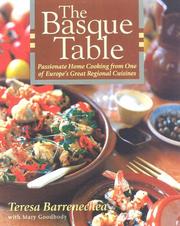
The older, more traditional companion, written by a Basque chef in New York before the region became a food destination. Read it second — it gives you the pre-Michelin baseline that Buckley is building on, and it is stronger on the everyday stews.
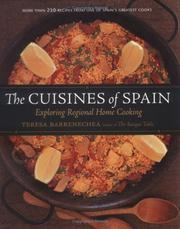
Her wider regional survey, useful here for one specific reason: it lets you see what is actually distinct about Basque cooking rather than simply Spanish. Skim the other regions and read the Basque and Navarrese chapters against her earlier book.
Pintxos and the Bar
BeginnerUnderstand the pintxo as a format rather than a recipe — what goes on the counter, what is cooked to order, and why the Old Town crawl works the way it does.
▸ Study plan for this stage
Pace: Four to six weeks. Three recipe books again: Pintxos is 208 pages, Basque is 256, and the Book of Pintxos is Buckley's 2024 follow-up and the most complete account of the form in English. Read Hirigoyen first — it is looser, more Californian and the easiest of the three to cook from on a weeknight —
- The pintxo as a format rather than a recipe: something served on the bar or ordered hot, eaten standing, in a place you will leave within twenty minutes
- The counter versus the kitchen — what sits out cold on bread and what is only cooked to order, and why the good bars are judged on the second
- The txikiteo or Old Town crawl as the structural fact behind the food: one pintxo and one drink per bar, so no single item can be filling
- Gilda, tortilla, txangurro-topped bread, grilled mushrooms with yolk — the standard repertoire and what each is doing on the counter
- Assembly versus cooking: a large part of pintxo craft is engineering something that survives an hour on a bar and one bite
- Sourcing and substitution as a real constraint outside Spain, which is Pizarro's contribution
- How the three books differ in ambition — weeknight cooking, documentary completeness, and restaurant-adjacent presentation
- What is a gilda, and why is that specific combination the canonical first pintxo?
- How do you tell a good pintxo bar from a bad one on sight, using what Buckley says about the counter?
- Why can nothing on a pintxo counter be filling?
- Which items must be cooked to order, and what happens to them if they are not?
- Which of the three books would you cook from on a Tuesday, and which would you read on a Sunday?
- Build a six-pintxo counter for a single evening, choosing from all three books, and plan it as a bar would: how many can be made in advance, how many go on toothpicks, what needs a pan at the last minute.
- Make a gilda from each of the books that includes one and taste them side by side. It is three ingredients, which is exactly why the differences are legible.
- Cook one hot pintxo to order for someone standing in your kitchen, and time it. The twenty-minute constraint is the thing that shapes the whole form and it does not survive being read about.
- Take one recipe from Buckley and rewrite it using Pizarro's substitutions for ingredients you cannot source. Then cook both versions if you can get the originals at all.
- List the pintxos that appear in all three books. That overlap is the canon, and knowing it is what lets you read a real bar's counter.
Next up: You have the Spanish Basque side in both its home and bar forms; the French side is a different kitchen under the same name, and the restaurants are a different thing again.

The first serious English-language pintxos book, from a French Basque chef in San Francisco. It is looser and more Californian than the newer books, which makes it the easier one to actually cook from on a weeknight.

Buckley's 2024 follow-up, and the most complete account of the form in English — bar by bar, with the reasoning behind why certain things sit out on the counter and others are shouted at the kitchen. Read it after Hirigoyen, because it assumes you already know what a pintxo is.
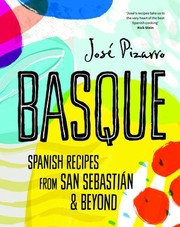
A Spanish chef's London-facing take, and the most practical of the three for sourcing: the ingredient substitutions are written for someone who cannot get Gernika peppers. Bare-titled in our catalogue, which is how it is published.
The French Side and the Restaurants
IntermediateCross the border into Iparralde, then read the two restaurant books that explain why this region reorganised European cooking.
▸ Study plan for this stage
Pace: Six to eight weeks, and this stage splits in two. The Basque Kitchen is 262 pages and is a cookbook — cook from it. Arzak Secrets is 278 pages and Mugaritz 253, and neither is a book to cook from: they are restaurant books, records of what a kitchen did, with plated photographs and techniques that a
- Iparralde as a distinct kitchen: more butter, more duck, Bayonne ham, Espelette pepper, gateau basque — the French Basque provinces cooking French technique with Basque ingredients
- Espelette as the defining seasoning of the French side and the clearest single marker of the border in a recipe
- Gateau basque as the test case: the same cake exists on both sides with different fillings, and comparing versions is the fastest way to see what the border does
- New Basque Cuisine as a deliberate movement — a group of chefs in the 1970s who decided the region's cooking could be reinvented without being abandoned, which is why Arzak matters historically and not only gastronomically
- Mugaritz's project: edible stones, deliberate bitterness, dishes designed to be uncomfortable, and the argument about how far a tradition can be pushed before it stops being that tradition
- The difference between a cookbook and a restaurant book, which this stage exists to make obvious — one is instructions, the other is a record
- Why a small region produced this concentration of restaurants, which the history stage answers
- Name five things that mark a dish as French Basque rather than Spanish Basque.
- What is in a gateau basque, and how do the versions differ across the border?
- What did the New Basque Cuisine chefs actually change in the 1970s, and what did they explicitly keep?
- Is Mugaritz still Basque cooking? Make the case both ways using specific dishes from the book.
- What can you learn from a restaurant book that you cannot cook, and what is the honest limit of that?
- Cook gateau basque from Hirigoyen, then find a Spanish Basque version and cook that. The pastry cream versus cherry filling difference is the border in a single cake.
- Cook one duck or Bayonne-ham dish from Hirigoyen and one bacalao dish from Buckley in the same week. Write down the difference in fat, technique and seasoning — that comparison is the whole point of the stage.
- Read Arzak Secrets looking only for what is traditional underneath each plate. Most dishes have a recognisable home-kitchen ancestor from stage one; find five.
- Pick one Mugaritz dish and write down what it would take to make it — equipment, ingredients, staff, time. Then write one paragraph on whether the book is a recipe collection at all.
- Cook with Espelette pepper in a dish from stage one that calls for a Spanish Basque pepper, and note what changes. It is the cleanest single-variable test available on this path.
Next up: You have cooked across the whole region; the last stage explains why a small place on the Bay of Biscay eats and thinks the way it does.
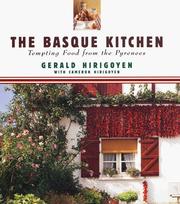
The French Basque book on this path — Espelette pepper, Bayonne ham, gateau basque, a kitchen with more butter and more duck in it than anything in the first stage. Hirigoyen grew up in Biarritz, and the difference from the Spanish side is the whole point of reading it.

Arzak is the restaurant that started New Basque Cuisine in the 1970s and it has held three stars for decades. This is not a book to cook from; read it as the record of what happened when a group of Basque chefs decided the region's food could be reinvented without being abandoned.

The generation after Arzak, and the far stranger end of it — edible stones, deliberate bitterness, dishes designed to be uncomfortable. Read it last of the restaurant books, as the argument about how far the tradition can be pushed before it stops being Basque.
Why the Food Is Like This
IntermediateGet the history and politics behind the cooking — the whaling and cod fleets, the txoko societies, the language, and the reason Basque identity is bound so tightly to what is eaten.
▸ Study plan for this stage
Pace: Six to eight weeks for about 950 pages, and no cooking — these three are history and reportage, not recipe books, and the shift in reading mode is deliberate. The Basque is 400 pages and is the popular narrative history most English readers start from; it is unusually food-forward, with cod fisherie
- The cod and whale fisheries as the economic origin of the cuisine: salt cod is on every table because Basque fleets were catching and preserving it across the Atlantic for centuries
- Euskara as a language isolate, and the role of linguistic distinctness in how Basque identity is understood and asserted
- The txoko gastronomic societies — member-run cooking clubs — as a social institution with no real equivalent elsewhere, and what they say about who cooks and where
- The cider houses and the sagardotegi season as another format-defining institution, like the pintxo bar
- Origins as a contested scholarly question rather than a settled one: Collins is careful about what the evidence for Basque antiquity actually supports, and where popular accounts overreach
- Kurlansky as a narrative writer with a thesis and Woodworth as a reporter correcting the romance, with Collins as the check on both
- Political violence as part of the region's recent history, stated as fact and left to the historians rather than adjudicated here
- How institutional history explains a cuisine: the obsession with a single perfectly grilled turbot makes sense once you know what the Basques think they are
- Why is salt cod, not fresh fish, the foundation of a coastal cuisine?
- What is a txoko, who belongs to one, and what does its structure tell you about Basque social life?
- What claims does Kurlansky make about Basque antiquity, and which of them does Collins support?
- Where does Woodworth's account of the region's politics differ most sharply from Kurlansky's, and what is each writer's vantage?
- Having read all four stages, what would you now say is actually distinctive about Basque cooking as against Spanish or French cooking?
- Take three specific claims about Basque origins from Kurlansky and check each against Collins. Write down which survive. This is what the academic book is on the path for.
- Cook one dish from Kurlansky's own printed recipes and one version of the same dish from a stage-one cookbook. A historian's recipe and a chef's recipe are different documents and the difference is instructive.
- Read Woodworth's chapters on the ETA period, then reread Kurlansky's treatment of the same years. Write a paragraph on what a food writer leaves out and why.
- Trace the salt cod supply chain historically from Kurlansky, then map it onto the bacalao dishes you cooked in stage one. The recipe and the trade route are the same story.
- Write your own one-page account of Basque cooking for someone who has never eaten it: three dishes, two institutions and one historical fact. If you can do it without repeating any book's framing, the path has done its job.
Next up: This is the end of the path: the home kitchen, the bar, the French side, the restaurants that reinvented the whole thing, and the history that explains why any of it is the way it is.
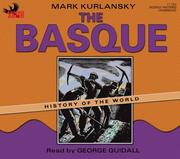
The popular history that made most English-speaking readers aware the Basques existed, and it is unusually food-forward — cod fisheries, whaling, recipes printed in the text. Our catalogue displays it under the short title The Basque; it is Kurlansky's 1999 book.
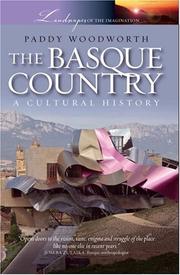
A cultural history by a journalist who covered the region for decades, and the honest one about the political violence that Kurlansky handles more romantically. Read it as the corrective.

The academic account of Basque origins and medieval history, and the place to go once the popular books have made claims you want checked. Dry, short and reliable — the right last book rather than the right first one.
Discussion
Keep reading
Paths that share books, cover the same subject, or open a related topic.