Best Afghan Cookbooks to Learn the Cuisine
This curriculum takes you from the cultural and flavor foundations of Afghan cuisine all the way to mastering its most iconic dishes — pilaus, mantu, ashak, breads, chutneys, and the spice pantry. Each stage builds on the last: you first absorb the cultural context and core techniques, then tackle the landmark Afghan cookbooks dish by dish, and finally deepen your craft with the broader Central Asian and Persian culinary traditions that shaped Afghan cooking.
Foundations: Culture, Flavor, and the Afghan Kitchen
BeginnerUnderstand the cultural roots of Afghan cuisine, get familiar with the essential spice pantry (cardamom, coriander, turmeric, dried fruits, nuts), and build intuition for the flavor profiles and techniques that underpin every Afghan dish.
▸ Study plan for this stage
Pace: 4–5 weeks, ~40–50 pages/day (approximately 200–250 pages total)
- Afghan cuisine as a reflection of geography, history, and cultural identity—how trade routes, invasions, and diaspora shaped what Afghans eat
- The essential spice pantry: cardamom, coriander, turmeric, dried fruits (apricots, raisins, mulberries), and nuts (pistachios, almonds, walnuts) as flavor foundations and their roles in specific dishes
- Flavor profiles unique to Afghan cooking: the balance of warm spices, sweetness from dried fruits, earthiness from legumes, and the interplay of savory and sweet
- Core cooking techniques in Afghan cuisine: slow-cooking, layering spices, toasting and grinding whole spices, and the importance of ghee and oil as flavor carriers
- The Afghan kitchen as a social and family space: how food preparation and sharing embodies hospitality, storytelling, and intergenerational knowledge transfer
- Regional and seasonal variation within Afghanistan: how different provinces and seasons influence ingredient availability and dish composition
- The role of bread (naan) and rice (pilau) as structural elements that anchor every meal and reflect Afghan identity
- How does Afghan cuisine reflect Afghanistan's geography and position along historical trade routes? What ingredients or flavor profiles show this influence?
- What are the five to seven essential spices and ingredients in the Afghan pantry, and what role does each play in building flavor?
- Describe the characteristic flavor profile of Afghan cuisine. How do warm spices, dried fruits, and nuts work together?
- What are the main cooking techniques Yasmin Khan emphasizes in 'Zaitoun,' and why are they important to authentic Afghan cooking?
- How does the Afghan kitchen function as a cultural and social space? What does food preparation and sharing reveal about Afghan values?
- Name at least three Afghan dishes mentioned in 'Zaitoun' and explain which spices, ingredients, and techniques define each one
- Toast and grind whole cardamom pods, coriander seeds, and cumin seeds from scratch; smell and taste each at different stages to understand how toasting transforms flavor
- Prepare a simple Afghan rice pilau (qabuli) following a recipe from 'Zaitoun,' paying attention to how ghee, onions, and spices layer flavor before the rice is added
- Create a spice blend or 'masala' for an Afghan dish using the proportions and techniques Khan describes; document how the blend smells and tastes at each stage
- Cook one complete Afghan meal (e.g., dhal with naan and a vegetable dish) using at least three different spices from the essential pantry; reflect on how flavors build and balance
- Interview a family member or friend about a dish they grew up eating and map its ingredients and techniques to Afghan flavor principles; compare it to a dish in 'Zaitoun'
- Visit a spice market or specialty grocery store and identify the essential Afghan spices in person; purchase small quantities and create a labeled 'spice pantry' reference collection
Next up: With a grounded understanding of Afghan flavor foundations, cultural values, and essential techniques from 'Zaitoun,' you'll be ready to explore specific regional Afghan dishes and master the signature recipes that define Afghan cuisine's diversity and depth.
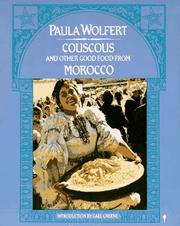
A gentle, accessible entry point into the cuisines of the Silk Road region — including Afghanistan — that introduces the spices, aromatics, and cooking logic shared across Central Asia before you dive into Afghan-specific recipes.

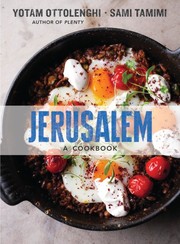
While focused on Palestinian cooking, this beautifully written book shares the same spice vocabulary (baharat, sumac, dried fruits in savory dishes) and slow-cooked rice traditions that are essential background for understanding Afghan cooking's DNA.
The Heart of Afghan Cooking: The Essential Cookbooks
BeginnerCook the full canon of Afghan dishes from scratch — kabuli palaw, mantu, ashak, bolani, chutneys, and kormas — using the two most authoritative and widely respected Afghan cookbooks in English.
▸ Study plan for this stage
Pace: 8–10 weeks total: Weeks 1–5 cover "Afghan Food and Cookery" by Helen Saberi (~20–25 pages/day, including re-reading recipe headnotes and cultural commentary); Weeks 6–10 cover "The Afghan Kitchen" by Nawida Saidhosin (~15–20 pages/day, with extra time budgeted for active cooking sessions alongside e
- The role of qorma (korma) as Afghan cooking's foundational technique — slow-braising meat or vegetables in a base of onion, oil, and spice — as documented extensively by Saberi
- Kabuli palaw as the national dish: the layered method of parboiling then steaming long-grain rice with caramelized carrots, raisins, and braised lamb, and why the tah-dig (crust) matters
- The distinction between stuffed dumplings: mantu (steamed, meat-filled, topped with yogurt and split-pea sauce) versus ashak (leek-filled, boiled) and how Saberi's recipes preserve their regional Kabul origins
- Bolani as everyday flatbread: the potato-and-herb or leek filling, the thin dough technique, and its role as street food and home staple covered in both books
- The Afghan spice palette — cardamom, coriander, cumin, turmeric, dried fruit, and rose water — and how Saidhosin's recipes show their proportional balance in modern home cooking
- Chutneys and condiments (gashneez/cilantro chutney, mint yogurt, red pepper chutney) as structural components of a meal, not afterthoughts, per both authors
- Helen Saberi's ethnographic framing: understanding recipes as cultural artifacts tied to Afghan hospitality (melmastia), seasons, and the diaspora experience
- Nawida Saidhosin's accessible, diaspora-kitchen adaptations: how she modernizes Saberi's canon for Western pantries without sacrificing authenticity
- After reading Saberi, can you explain the step-by-step logic of kabuli palaw — why each stage (browning the meat, caramelizing the carrots and raisins, parboiling, steaming) exists and what goes wrong if you skip one?
- What are the structural differences between mantu and ashak — in dough, filling, cooking method, and sauce — and what does each dish reveal about Afghan culinary geography?
- How does Saberi describe the cultural significance of hospitality (melmastia) and how does it shape portion sizes, dish selection, and the order of a traditional Afghan meal?
- After reading Saidhosin, which ingredient substitutions does she endorse for a Western kitchen, and where does she draw the line to preserve authenticity?
- Across both books, how is the qorma technique adapted for different proteins (lamb, chicken, chickpeas) and vegetables — what stays constant and what changes?
- How do the two authors differ in their approach to bolani dough — and which variables (thickness, resting time, filling moisture) most affect the final result?
- Cook kabuli palaw from Saberi's recipe first, then cook it again using Saidhosin's version; write a one-page comparison noting differences in rice-to-meat ratio, spice levels, and crust formation — then decide which technique you prefer and why
- Make both mantu and ashak in the same weekend session to feel the difference in dough handling, filling preparation, and sauce assembly; serve them side by side and taste critically against Saberi's headnotes
- Build a full Afghan condiment pantry in one session: prepare cilantro-walnut chutney, mint yogurt sauce, and red pepper chutney from both books, then taste them against each dish you cook throughout the stage
- Cook at least three different qormas (e.g., lamb and spinach, chicken, and a vegetarian chickpea version) drawn from Saberi's chapters, keeping a spice journal that logs quantities, bloom times, and flavor outcomes each time
- Host a small Afghan-style meal for friends or family — bolani as starter, a qorma with rice as main, and a sweet such as firnee or sheer yakh from Saidhosin — practicing the hospitality and sequencing both authors describe
- Keep a side-by-side recipe notebook: for every dish that appears in both Saberi and Saidhosin, write the key differences in ingredients and method in two columns, building a personal reference that captures the full canon
Next up: Mastering the foundational recipes and cultural logic in Saberi and Saidhosin gives the reader a confident, hands-on baseline from which to explore the regional diversity, historical depth, and cross-cultural influences of Afghan cuisine in more specialized or scholarly texts.
The definitive English-language reference on Afghan cuisine, written by a scholar who lived in Kabul. Read this first in the stage for its encyclopedic coverage of every dish category, pantry ingredient, and regional variation — it is the essential foundation.
Going Deeper: Rice, Bread, and the Art of the Pilau
IntermediateMaster the techniques behind perfectly layered, fragrant rice dishes (palaw/pilau) and flatbreads, understanding the Persian and Central Asian traditions that gave Afghan rice cookery its sophistication.
▸ Study plan for this stage
Pace: 4–5 weeks, ~40–50 pages/day, with 2–3 cooking sessions per week
- The layering principle in pilau: how to build flavor through sequential cooking of rice, meat, and aromatics (from Persiana and Legendary Cuisine)
- Parboiling and steaming techniques that create the fluffy, separate-grain texture essential to Afghan palaw (Persiana, Legendary Cuisine)
- The role of saffron, cardamom, and cumin in creating the fragrant backbone of Persian and Central Asian rice dishes (all three books)
- Bread as a structural and cultural element: how Afghan flatbreads (naan, chapati) complement and balance rice-heavy meals (Falastin, Persiana)
- The Persian culinary tradition's influence on Afghan cooking: spice blending, ghee use, and the concept of 'tahdig' (crispy rice bottom) (Legendary Cuisine, Persiana)
- Regional variations within Afghan rice cookery: how geography and trade routes shaped different palaw styles (Legendary Cuisine, Falastin)
- The relationship between technique and storytelling: how traditional methods encode cultural memory and family identity (all three books)
- Balancing richness: the interplay between ghee-heavy rice dishes and lighter bread components in meal composition
- What is the parboiling step in pilau preparation, and why is it critical to achieving the correct texture?
- How do saffron and cardamom function differently in Afghan rice dishes, and what flavor profiles does each contribute?
- Describe the tahdig technique: what is it, how is it created, and why is it prized in Persian and Afghan cooking?
- What role do flatbreads play in balancing a meal centered on rich, ghee-laden rice dishes?
- How does the layering method in pilau differ from simple rice pilaf, and what advantage does it offer?
- What are at least three regional variations in Afghan palaw, and what geographical or cultural factors explain their differences?
- Cook a basic Afghan palaw from Persiana or Legendary Cuisine, focusing on the parboiling and steaming stages; document the texture and flavor at each step
- Prepare tahdig (crispy rice bottom) intentionally; experiment with heat levels and timing to achieve a golden crust without burning
- Make a batch of Afghan naan or chapati from Falastin; practice shaping and cooking to understand how bread texture complements rice dishes
- Conduct a spice-tasting exercise: bloom saffron, cardamom, and cumin separately in ghee and taste the differences; note how they change when combined
- Recreate two regional palaw variations from Legendary Cuisine in the same week; compare their spice ratios, meat preparations, and final flavors
- Host a meal where you serve a pilau-centered dish with flatbread; observe which components guests reach for and in what proportions, then reflect on balance
Next up: This stage establishes mastery of rice and bread—the foundational pillars of Afghan meals—preparing you to explore how these elements combine with proteins, vegetables, and sauces in the next stage's focus on complete, balanced Afghan meal composition and entertaining.

Included here for its masterclass on spiced rice, slow-braised meats, and layered grain dishes — the same architectural logic used in kabuli palaw — helping you internalize the technique at an intermediate level.

Persian rice technique (tahdig, layered pilaus, saffron, dried fruit and nut garnishes) is the direct ancestor of Afghan palaw; this accessible, modern book builds your confidence with these methods before tackling more complex Afghan variations.

A scholarly yet practical deep-dive into classical Persian cooking — the source tradition for Afghan rice, bread, and spice use. Reading this at the intermediate stage gives you the historical and technical depth to truly understand why Afghan dishes are constructed the way they are.
Advanced Mastery: Central Asian Context and Regional Depth
ExpertSituate Afghan cooking within the wider Central Asian culinary world — Uzbek plov, Uyghur noodles, nomadic bread traditions — so you can improvise, adapt, and understand the full regional spectrum that informs Afghan regional variations.
▸ Study plan for this stage
Pace: 5–6 weeks, ~25–30 pages/day, with 2–3 days per week dedicated to hands-on cooking and comparative tasting
- The foundational role of plov across Central Asia and how regional variations (Uzbek, Afghan, Tajik, Uyghur) reflect geography, trade routes, and cultural exchange
- Nomadic and semi-nomadic bread traditions as the backbone of Central Asian identity—tandoor, flatbread, and dough fermentation techniques that predate modern borders
- How spice routes and historical trade networks shaped ingredient availability and flavor profiles across the region, distinguishing Afghan cooking from its neighbors
- The relationship between climate, agriculture, and cuisine: how altitude, water access, and seasonal availability dictate what grows and how it's cooked in different Central Asian zones
- Uyghur noodle traditions and their intersection with Afghan and broader Central Asian cooking—wheat preparation, hand-pulling techniques, and sauce-building principles
- The role of dairy (yogurt, ghee, whey) as a unifying element across nomadic and settled Central Asian cuisines and its specific applications in Afghan regional cooking
- How to recognize and adapt recipes across regional boundaries by understanding underlying technique rather than rigid adherence to single-origin recipes
- The cultural and historical context of hospitality, communal eating, and feast traditions that structure Central Asian meals and inform Afghan entertaining practices
- How do Uzbek plov, Afghan plov, and Uyghur rice dishes differ in technique, ingredient ratios, and flavor profile, and what geographic or historical factors explain these differences?
- What are the key characteristics of Central Asian flatbread and tandoor traditions, and how do Afghan breads fit within or diverge from this broader regional pattern?
- How did historical trade routes and spice availability shape the flavor profiles of Afghan cooking relative to Uzbek, Tajik, and Uyghur cuisines?
- What are the fundamental techniques for hand-pulled noodles and how do they appear across Central Asian cuisines, including Afghan variations?
- How does the use of dairy products (yogurt, ghee, whey) function differently across Central Asian regional cuisines, and what are the specific applications in Afghan cooking?
- Given a Central Asian recipe from any regional tradition, how would you adapt it to Afghan ingredients and techniques while preserving its essential character?
- Cook three regional plov variations (Uzbek, Afghan, and one other Central Asian style) side-by-side, documenting differences in oil temperature, ingredient layering, cooking time, and final texture; taste and compare systematically
- Bake flatbreads using at least three different Central Asian techniques (tandoor simulation, cast-iron skillet, and one other method from the books); assess how technique affects crust, crumb, and flavor
- Prepare a hand-pulled noodle dish using Uyghur or Central Asian technique, then adapt it using Afghan spices and accompaniments; document how the core technique remains constant while flavor shifts
- Create a comparative tasting menu featuring one Afghan dish alongside its nearest regional equivalent (e.g., Afghan qabuli palaou with Uzbek plov, or Afghan bolani with a Central Asian flatbread); identify flavor bridges and divergences
- Research and map the historical trade routes discussed in the books; mark where key ingredients (saffron, cumin, coriander, dried fruits) originated and how they reached different Central Asian regions; cook a dish that showcases this ingredient journey
- Host a Central Asian feast using recipes from both books, organized by region; practice adapting quantities and techniques for a larger group, focusing on how nomadic and settled traditions structure communal meals
Next up: This stage equips you with the regional vocabulary and technical foundations to understand Afghan cooking not as an isolated tradition but as a dynamic participant in Central Asian culinary exchange, preparing you to explore how Afghan regional cuisines (Pashtun, Tajik, Hazara, Uzbek-influenced) developed distinct identities within this shared framework.
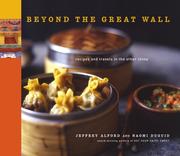
A landmark work on the food cultures of Central and Inner Asia, covering the grain, dumpling, and bread traditions (including those shared with northern Afghanistan) that give advanced cooks the broadest possible context for Afghan cooking's place in the world.
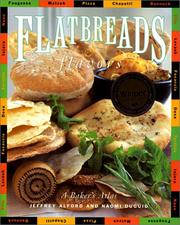
The definitive guide to flatbread traditions across the Middle East and Central Asia — essential for mastering Afghan naan, bolani, and lavash, and understanding the regional bread pantry at an expert level.
Discussion
Keep reading
Paths that share books, cover the same subject, or open a related topic.