Social media marketing: the best books to grow an audience that buys
This curriculum takes you from the foundational mindset of social media marketing all the way to advanced community building, storytelling, and customer loyalty — in a deliberate sequence. Each stage builds on the last: you first learn why and how social media works, then master platform tactics and content strategy, and finally develop the deeper skills of brand storytelling and turning an engaged audience into devoted customers.
Foundations: Mindset & the Social Media Landscape
BeginnerUnderstand how social media marketing fundamentally works, why audiences behave the way they do, and develop the strategic mindset needed before touching any platform.
▸ Study plan for this stage
Pace: 4–5 weeks, ~25–30 pages/day. Week 1–2: "Jab, Jab, Jab, Right Hook" (complete); Week 3–4: "Likeable Social Media" (complete); Week 5: Review, synthesis, and capstone exercises.
- Platform-specific storytelling: Each social platform has unique native formats and audience behaviors that demand tailored content strategies, not one-size-fits-all approaches
- The Jab, Jab, Jab, Right Hook framework: Deliver value and build trust through multiple 'jabs' (free, generous content) before asking for the 'right hook' (the sale or conversion)
- Audience psychology and authenticity: People follow and engage with brands that feel genuine, relatable, and human—not corporate or overly polished
- The likeability principle: Being likeable (transparent, responsive, and community-focused) is the foundation of social media marketing success, not just reach or followers
- Content as currency: On social platforms, valuable, entertaining, or educational content is what earns attention and loyalty, not interruption or hard-selling
- Listening and conversation over broadcasting: Effective social media marketing is a two-way dialogue where brands listen to audience needs and respond authentically
- Strategic mindset over tactical execution: Before choosing tools or posting content, you must understand your audience, platform dynamics, and long-term brand goals
- Why does Gary Vaynerchuk argue that a one-size-fits-all content strategy fails on social media, and what does he mean by platform-specific storytelling?
- Explain the 'Jab, Jab, Jab, Right Hook' framework. What are the jabs, what is the right hook, and why is this sequence important for building trust?
- According to 'Likeable Social Media,' what role does authenticity and transparency play in building a loyal social media audience, and how does this differ from traditional marketing?
- What does Dave Kerpen mean by 'likeability' as a business principle, and how does it translate into specific social media behaviors (e.g., responding to comments, admitting mistakes)?
- How should a brand decide which social platforms to prioritize, and what factors from these books should inform that decision?
- What is the relationship between listening, conversation, and conversion in social media marketing according to these two books?
- Platform audit: Choose three social platforms (e.g., Instagram, TikTok, LinkedIn). For each, analyze 5–10 posts from a brand you admire. Identify the native format, tone, and storytelling style. Document how the brand is 'jabbing' (providing value) vs. 'right hooking' (asking for action). Write a 1-page analysis per platform.
- Audience persona interview: Conduct 3–5 informal interviews or surveys with people in your target audience. Ask them why they follow certain brands, what content they engage with, and what makes a brand feel 'likeable' to them. Synthesize findings into a one-page audience psychology brief.
- Jab sequence design: Pick a product or service you want to market. Design a 4-week content calendar with at least 3 'jabs' (valuable, non-promotional posts) per week and 1 'right hook' (a soft call-to-action). Explain the logic behind each jab and how it builds toward the hook.
- Authenticity audit: Find a brand on social media that you think is highly authentic and one that feels inauthentic. Compare them across transparency, responsiveness, and humanness. Write a 1-page comparison identifying what makes one likeable and the other not.
- Listening exercise: Spend one week actively listening on a social platform relevant to your niche. Monitor comments, DMs, and trending conversations. Identify 5–10 unmet audience needs or pain points. Brainstorm how you could address these through content or engagement.
- Strategic brief: Write a 2–3 page strategic brief for a hypothetical brand (or your own). Include: target audience, platform selection rationale, core message, jab/hook ratio, and how you'll measure likeability (engagement, sentiment, retention). Ground it in concepts from both books.
Next up: This stage establishes the psychological and strategic foundation—understanding *why* social media works and *how* audiences think—so you're ready to move into the next stage, which will focus on tactical execution: choosing platforms, building content systems, and mastering the mechanics of each channel.

A perfect first book: it teaches the core give-before-you-ask philosophy of social media in plain language, with real platform examples that make the logic of social marketing immediately intuitive.
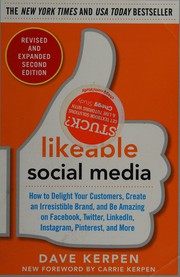
Builds on Vaynerchuk's mindset by introducing the importance of listening, authenticity, and engagement — foundational habits every social marketer must develop before diving into tactics.
Content Strategy: What to Say and How to Say It
BeginnerLearn how to plan, create, and distribute content that attracts and holds an audience across platforms, and understand the role of a documented content strategy.
▸ Study plan for this stage
Pace: 8–10 weeks, ~40–50 pages/day (mix of reading and note-taking)
- Content strategy as a documented plan: defining audience, goals, voice, and distribution channels before creating content
- The importance of audience-first thinking: understanding what your audience needs, questions, and pain points rather than focusing on what you want to say
- Storytelling and authenticity as core to engagement: using narrative, personality, and genuine voice to build trust and hold attention
- The content creation workflow: research, outlining, drafting, editing, and publishing with consistency and quality standards
- Platform-specific distribution: tailoring content format and tone to each social platform's unique audience and technical constraints
- The 'They Ask, You Answer' framework: systematically addressing customer questions and objections through content to build authority and drive conversions
- Consistency and governance: establishing editorial calendars, brand voice guidelines, and publishing rhythms to sustain long-term content efforts
- Measuring content performance: tracking metrics that matter (engagement, traffic, leads) to refine strategy over time
- What are the core components of a documented content strategy, and why is it essential to write one down before creating content?
- How do you identify and understand your target audience's needs, questions, and pain points, and why is this the foundation of effective content?
- What does 'voice' mean in content marketing, and how do you develop an authentic, consistent voice across platforms?
- How does the 'They Ask, You Answer' framework work, and how can you use it to structure your content calendar and attract qualified leads?
- What are the key differences in how you should format and distribute the same core message across different social platforms?
- What metrics should you track to evaluate whether your content strategy is working, and how do you use that data to improve?
- Conduct an audience research session: interview 3–5 current or target customers about their biggest questions, pain points, and information needs. Document their exact words and questions.
- Create a content strategy document for a real or hypothetical brand: define target audience, business goals, brand voice, key topics, publishing cadence, and 3–4 primary distribution channels.
- Read and analyze 3 pieces of content from brands you admire (blog posts, social posts, videos). Identify their voice, audience, and what makes the content engaging or effective.
- Write and edit a 500–800 word blog post or long-form social post on a topic your audience cares about. Apply the editing principles from 'Everybody Writes' (clarity, brevity, active voice, scannability).
- Build a content calendar for 4 weeks: plan 12–16 pieces of content (mix of formats) across 2–3 platforms, ensuring consistency in voice and alignment with your strategy.
- Identify 10–15 questions your target audience frequently asks (from customer conversations, support tickets, or search data), then create a content outline addressing 3 of them using the 'They Ask, You Answer' framework.
Next up: This stage equips you with the strategic foundation and content creation skills needed to execute and scale your efforts—the next stage will likely focus on mastering specific platforms, advanced distribution tactics, and building community engagement.
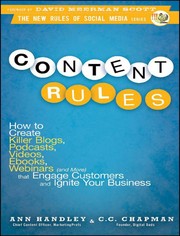
The definitive beginner-friendly guide to creating content that is useful, entertaining, and shareable — gives you the vocabulary and frameworks for everything that follows.

Read immediately after Content Rules to sharpen the actual craft of writing for social and digital channels; strong writing is the engine behind every great content strategy.

Introduces the powerful idea of audience-first content — answering real customer questions — which bridges content creation to measurable business results and sets up the later stages on loyalty.
Platform Tactics: Mastering the Channels
IntermediateDevelop platform-specific skills for growing an audience, optimizing posts, and deploying proven tactics on the major social networks.
▸ Study plan for this stage
Pace: 4–5 weeks, ~25–30 pages/day (approximately 2 weeks per book with time for exercises and reflection)
- The primacy of authenticity and storytelling over promotional messaging in social media success
- Platform-specific optimization: tailoring content, posting frequency, and engagement strategies to each network's unique culture and algorithm
- Building genuine community through consistent interaction, responsiveness, and value-first content rather than hard selling
- Visual storytelling and aesthetic consistency as core drivers of audience growth and brand recognition on Instagram
- Data-informed iteration: using analytics and audience feedback to refine tactics and improve performance over time
- The importance of timing, hashtag strategy, and caption crafting in maximizing reach and engagement
- Creating a sustainable content calendar and workflow that balances planning with spontaneity and authenticity
- What does Kawasaki mean by 'the art' of social media, and how does authenticity differ from traditional marketing approaches?
- How should you tailor your content strategy differently across platforms, and what are the core differences in audience behavior between the networks Kawasaki discusses?
- What are the key Instagram-specific tactics Miles recommends for growing followers, and how do visual consistency and captions contribute to audience retention?
- How do you use hashtags strategically on Instagram to expand reach without appearing spammy, and what does Miles say about hashtag research?
- What role does engagement and community building play in both books, and how should you prioritize responding to comments and messages?
- How can you measure whether your platform tactics are working, and what metrics should you track to inform your next iteration?
- Audit your current social media presence across 2–3 platforms: document your posting frequency, content types, engagement rates, and audience demographics. Identify gaps between your current approach and Kawasaki's principles.
- Create a 30-day content calendar for one platform (Instagram recommended) that balances promotional, educational, and entertaining content in a 70/20/10 ratio. Include captions, hashtag research, and posting times.
- Conduct a hashtag research exercise: identify 20–30 relevant hashtags for your niche using Instagram's search function and third-party tools. Categorize them by size (large, medium, micro) and test 5–10 in real posts over two weeks, tracking reach and engagement.
- Redesign 5 of your recent posts using Miles's visual consistency principles: evaluate color palette, filters, composition, and caption quality. Repost them (or create new versions) and compare engagement to your baseline.
- Engage authentically with 10 accounts in your target audience daily for one week: comment meaningfully on their posts, respond to all comments on your own posts within 2 hours, and document how this affects your follower growth and engagement rate.
- Write a personal brand story (200–300 words) that captures your 'why' and values, then translate it into 3–5 different social media bios/about sections optimized for different platforms, reflecting Kawasaki's emphasis on authenticity.
Next up: This stage equips you with the tactical foundation and platform literacy needed to execute campaigns and measure results; the next stage will build on these skills by teaching you how to scale these tactics, integrate paid advertising, and align social media efforts with broader business objectives.

A practical, no-fluff playbook of actionable tactics across the major platforms — best read once you have the strategic foundation, so the tactics have context and purpose.
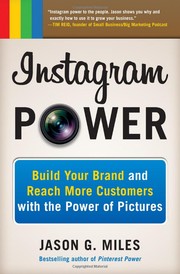
Provides deep, platform-specific instruction on visual storytelling and audience growth on Instagram, the most important visual social channel, reinforcing broader tactics with concrete examples.
Storytelling & Brand Voice: Creating Emotional Connection
IntermediateMove beyond tactics to craft a compelling brand narrative and emotional story that makes your audience feel something — the key to standing out in a crowded feed.
▸ Study plan for this stage
Pace: 4–5 weeks, ~25–30 pages/day. Week 1–2: "Building A StoryBrand" (340 pages); Week 3–5: "Contagious" (400 pages) with overlap for integration exercises.
- The SB7 Framework: positioning your customer as the hero of your brand story, not your brand itself
- The power of a clear problem-solution narrative to create emotional resonance and cut through noise
- How to identify and articulate your brand's unique voice and perspective in a crowded marketplace
- The six principles of contagiousness (Social currency, Triggers, Emotion, Public, Practical value, Stories) and how they drive word-of-mouth
- Why emotion is the engine of both compelling storytelling and viral shareability
- Crafting stories that are inherently talkable and memorable, not just aesthetically pleasing
- The intersection of narrative authenticity and strategic messaging to build genuine audience connection
- How does the SB7 Framework position your customer as the hero, and why is this shift critical to emotional connection?
- What are the six principles of contagiousness, and how does each one contribute to making content more shareable?
- How can you identify and articulate your brand's unique voice and perspective without sounding inauthentic?
- What is the relationship between emotional storytelling (from StoryBrand) and the emotional triggers that make content contagious (from Contagious)?
- How do you balance a clear problem-solution narrative with the need to make content 'talkable' and memorable?
- Can you design a brand story that satisfies both the SB7 Framework and the six principles of contagiousness?
- Map your brand's story using the SB7 Framework: identify the customer's problem, your role as guide, the plan, and the stakes. Write a 2–3 sentence brand narrative.
- Audit 3–5 competitors' brand messaging. Which elements of the SB7 Framework are they using (or missing)? How does this clarity (or lack thereof) affect your emotional response?
- Identify your brand's unique perspective or worldview. Write a short manifesto (200–300 words) that articulates what you believe and why it matters to your audience.
- Analyze a piece of content (post, video, article) from a brand you admire. Map it against the six principles of contagiousness. Which principles are strongest? Which are missing?
- Create a social media post (or short-form content) that weaves together your brand's SB7 narrative with at least three of the six contagiousness principles. Test it with a small audience and gather feedback.
- Develop a 'story bank' of 5–7 micro-stories (customer wins, behind-the-scenes moments, lessons learned) that illustrate your brand's unique voice and perspective. Ensure each story has emotional resonance and is inherently shareable.
Next up: This stage equips you with the narrative and emotional foundations to stand out; the next stage will focus on translating these compelling stories into platform-specific strategies and measurable campaigns that drive engagement and conversions.

The most widely-used framework for clarifying your brand message and story; essential reading before community building because a clear story is what draws people in and keeps them.

Explains the science of why content spreads — the psychological triggers that make people share — giving you a deeper understanding of virality and word-of-mouth to apply to your storytelling.
Community Building & Customer Loyalty: Turning Followers into Fans
ExpertLearn how to cultivate a genuine community around your brand, deepen relationships with your audience, and convert engaged followers into loyal, repeat customers and advocates.
▸ Study plan for this stage
Pace: 6–7 weeks, ~40–50 pages/day (alternating between both books to reinforce complementary concepts)
- The Superfan Framework: identifying your true fans and understanding what drives their loyalty beyond transactional relationships
- Audience segmentation and the 1,000 True Fans concept: focusing resources on your most engaged and valuable community members
- Building trust through authenticity and transparency: sharing your story, values, and behind-the-scenes processes to deepen emotional connections
- Creating a sense of belonging: designing community experiences, rituals, and exclusive opportunities that make followers feel part of something larger
- The permission-based marketing model: earning the right to communicate with your audience through consistent value delivery and respect for their attention
- Conversion through community: leveraging community relationships to naturally drive repeat purchases, referrals, and word-of-mouth advocacy
- Storytelling and meaning-making: using narrative to help your audience understand why your brand exists and how it aligns with their values
- Measuring community health: moving beyond vanity metrics to track genuine engagement, retention, and customer lifetime value
- What is the difference between casual followers and superfans, and why does Pat Flynn argue that superfans are more valuable than a large but disengaged audience?
- How does Seth Godin's concept of 'permission' relate to building community, and what are the consequences of violating audience trust?
- Describe the key elements of a community-building strategy that turns transactional customers into loyal advocates. What role does storytelling play?
- How would you identify and prioritize your 1,000 True Fans? What specific actions would you take to deepen relationships with this core group?
- What metrics should you track to measure the health and growth of your community, beyond follower counts and likes?
- How can you create a sense of belonging and exclusivity within your community without alienating your broader audience?
- Conduct a superfan audit: identify your top 10–20 most engaged followers across your platforms. Interview or survey 3–5 of them to understand what drives their loyalty, what they value most, and how they discovered you.
- Map your audience segments: create a tiered model (casual followers, engaged community members, superfans) and define the characteristics, behaviors, and needs of each tier. Develop a specific engagement strategy for your superfan tier.
- Develop a brand story document: write a 500–750 word narrative that explains your brand's origin, core values, and mission. Share this story across your platforms and track how it resonates with your audience.
- Design one exclusive community experience: create a members-only event, group, Discord server, email series, or content offering that gives your most loyal followers special access or value. Launch it and document engagement metrics.
- Create a permission-based communication audit: review your current email, social, and messaging strategy. Identify where you may be violating audience trust or sending unsolicited content. Redesign one communication channel to be more permission-based and value-driven.
- Build a community rituals document: define 3–5 recurring rituals, traditions, or touchpoints that will help your community feel like a cohesive group (e.g., weekly Q&As, monthly challenges, annual celebrations). Implement at least one and measure participation.
Next up: This stage equips you with the foundational philosophy and tactics for building genuine community loyalty; the next stage will likely focus on scaling these relationships through content strategy, platform optimization, and advanced analytics to sustain growth while maintaining community integrity.

Directly addresses the journey from casual follower to devoted superfan, with a practical framework for deepening audience relationships — the natural culmination of everything learned so far.
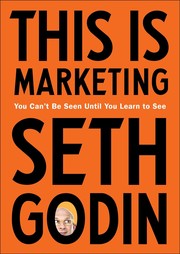
The perfect capstone: Godin reframes all of marketing as an act of service to a specific community, tying together every stage of this curriculum into a lasting, ethical philosophy for the long game.
Discussion
Keep reading
Paths that share books, cover the same subject, or open a related topic.