Best Books to Sell Handmade on Etsy (in Order)
This curriculum takes a complete beginner from zero to a thriving Etsy business by building skills in a logical order: first understand the handmade/creative business mindset, then master the core Etsy-specific mechanics (photography, SEO, listings, pricing), and finally zoom out to brand-building and scaling. Each stage assumes the vocabulary and confidence built in the one before it, so reading in order is essential.
Foundations: The Creative Business Mindset
BeginnerUnderstand what it truly takes to run a profitable handmade business, overcome fear of selling, and set realistic expectations before opening your shop.
▸ Study plan for this stage
Pace: 4–5 weeks, ~25–30 pages/day. Week 1–2: "The Handmade Marketplace" (approx. 250 pages). Week 3–5: "Profit First" (approx. 300 pages), with overlap for reflection and exercises.
- The psychology of selling: overcoming imposter syndrome and fear of pricing your work fairly (Chapin's emphasis on mindset barriers)
- Defining your creative business identity: niche, brand voice, and target customer (Chapin's marketplace positioning framework)
- Understanding the real costs of handmade production: materials, time, overhead, and hidden expenses (foundation for Profit First's system)
- The Profit First methodology: separating income into specific accounts (Owner's Pay, Taxes, Operating Expenses, Profit) before spending
- Cash flow management for makers: why revenue ≠ profit and how to build sustainable pricing (Michalowicz's core principle)
- Setting realistic financial expectations: seasonal fluctuations, growth timelines, and profitability benchmarks for Etsy sellers
- Building systems and accountability: automating financial decisions to remove emotion and guesswork from pricing and spending
- What are the main psychological barriers to selling your handmade work, and what strategies does Chapin suggest to overcome them?
- How do you define your niche and target customer on Etsy, and why does this matter before you launch?
- What are all the costs you need to account for when pricing a handmade product (including hidden costs like your time)?
- Explain the Profit First system: what are the four main account categories, and why does Michalowicz recommend separating money before spending it?
- Why is revenue different from profit, and how can a busy Etsy shop still lose money?
- What realistic timeline and financial benchmarks should you set for your first year as a handmade seller?
- Mindset audit: Write down 3–5 fears or limiting beliefs you have about selling your work. For each, identify which Chapin strategy (reframing, research, community, etc.) you'll use to address it.
- Niche definition worksheet: Define your ideal customer (demographics, values, pain points), your unique creative angle, and 3–5 competitors in your space using Chapin's framework.
- Complete cost accounting: List every material, tool, time investment, and overhead cost for one product. Calculate your true hourly rate and compare it to your current pricing.
- Profit First setup simulation: Create a mock income scenario (e.g., $2,000/month in Etsy sales). Allocate it across Owner's Pay, Taxes, Operating Expenses, and Profit using Michalowicz's percentages. Identify gaps.
- 12-month financial projection: Map out realistic monthly revenue growth, seasonal dips, and profit targets for your first year based on Chapin's marketplace insights and Michalowicz's benchmarks.
- Pricing strategy document: Write your pricing philosophy combining Chapin's confidence-building advice with Michalowicz's profit-first math. Include a sample product with full cost breakdown.
Next up: This stage establishes the mindset, identity, and financial foundation you need to launch confidently; the next stage will move into the tactical execution—actually building your Etsy shop, optimizing listings, and implementing the systems you've designed here.

The definitive beginner's guide to selling handmade goods online and offline. It introduces core concepts — pricing, branding, marketing — in plain language, giving you the mental framework every later book assumes you have.
Read this early so money habits are baked in from day one. It teaches a simple cash-management system that prevents the most common reason handmade sellers fail: confusing revenue with profit.
Shop Setup: Photography & Listings That Convert
BeginnerShoot compelling product photos with equipment you already own and write Etsy listings that are both human-friendly and search-optimized.
▸ Study plan for this stage
Pace: 2–3 weeks, ~25–30 pages/day, with 2–3 days between chapters for hands-on practice
- Lighting fundamentals: how to use natural light, reflectors, and diffusers to eliminate shadows and create dimension without expensive studio equipment
- Camera settings essentials: aperture, shutter speed, ISO, and white balance adjustments that work with basic cameras and smartphones
- Composition techniques: framing, angles, backgrounds, and styling that make handmade items visually compelling and on-brand
- Photographing different material types: strategies specific to textiles, ceramics, jewelry, paper goods, and other crafts to showcase texture and detail
- Product styling and props: using everyday items to create context and emotional connection without overwhelming the main product
- Color accuracy and consistency: capturing true colors and maintaining visual coherence across a product series for a professional storefront
- Batch shooting workflow: organizing efficient photo sessions to capture multiple products and angles in one setup
- How can you use natural light and simple reflectors to photograph products without a professional studio setup?
- What camera settings (aperture, shutter speed, ISO) should you adjust to get sharp, well-exposed product photos, and how do these differ for different lighting conditions?
- How do composition techniques like angle, framing, and background choice affect whether a product photo feels professional and on-brand?
- What are the key differences in photographing textiles versus ceramics versus jewelry, and what specific challenges does each material present?
- How do you choose and use props and styling elements to enhance a product photo without distracting from the item itself?
- Why is color accuracy important for Etsy sellers, and what steps can you take during a photo shoot to ensure colors are true to life?
- Set up a simple natural-light photo station using a window, white poster board as a reflector, and a plain background; photograph 3–5 products from your shop using only these materials
- Shoot the same product 5 different ways, varying aperture settings (if your camera allows) or distance from the subject, and compare which creates the sharpest, most flattering result
- Create a mood board of 10 Etsy product photos you admire; analyze the lighting, composition, background, and props used in each, then identify which techniques you can replicate
- Photograph one product using 3 different backgrounds and 2 different prop arrangements; document which combination best communicates your brand and product value
- Batch-shoot a series of 5–10 related products in one session, capturing multiple angles and close-ups of each; organize and review the images to identify your best shots
- Take a product photo, then adjust white balance and color settings in basic editing software (or phone app) to correct any color cast; compare the before/after to understand how settings affect accuracy
Next up: This stage equips you with the technical and creative skills to capture professional product images, which you'll now use as the visual foundation for writing search-optimized Etsy listings that convert browsers into buyers.
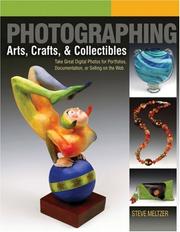
A practical, jargon-light guide specifically for shooting handmade and craft objects. Reading it first gives you the visual vocabulary (light, composition, background) before you ever open Etsy's listing editor.
Pricing & Positioning: Getting Paid What You're Worth
IntermediateBuild a defensible, profitable pricing strategy and position your shop so buyers understand your value without you having to justify it.
▸ Study plan for this stage
Pace: 4–5 weeks, ~25–30 pages/day (approximately 180–200 pages total)
- The StoryBrand Framework: positioning your Etsy shop as the guide, not the hero, in your customer's story
- Clarity over cleverness: using simple, direct language to communicate value and eliminate buyer confusion
- The customer's internal struggle: understanding what emotional or practical problem your product solves
- Building trust through narrative: why customers buy from sellers they feel they know and understand
- Positioning your unique perspective: how your story and values justify premium pricing without defensiveness
- The seven-part StoryBrand messaging framework and how it applies to product descriptions, shop branding, and marketing copy
- How does the StoryBrand Framework help you position yourself as a guide rather than the hero in your customer's journey, and why does this matter for pricing?
- What is the difference between a vague value proposition and a clear one, and how does clarity directly impact what customers will pay?
- How can you identify and articulate the internal emotional struggle your product solves, and why is this more persuasive than listing features?
- What elements of your personal story or creative process should you share in your Etsy shop to build trust and justify premium pricing?
- How would you apply the seven-part StoryBrand messaging framework to rewrite a product description or shop announcement to increase perceived value?
- Why do customers often resist 'justifying' pricing, and how does positioning through story eliminate the need for justification?
- Map your ideal Etsy customer's journey using the StoryBrand Framework: identify the problem they face, the internal struggle, and how your product is the tool that helps them succeed.
- Rewrite one of your current Etsy product descriptions using the seven-part StoryBrand messaging structure (customer as hero, you as guide, clear problem, solution, plan, call to action, consequences of inaction/success).
- Audit your Etsy shop's 'About' section and rewrite it to tell a compelling origin story that explains why you make what you make—focus on the problem you solve, not just what you do.
- Create a 'positioning statement' for your shop in 2–3 sentences that clearly articulates who your customer is, what problem you solve, and why your approach is different.
- Record yourself (or write out) a 60-second elevator pitch for your Etsy shop using StoryBrand principles; test it on 3 people outside your business and note where they ask clarifying questions.
- Identify 3 competitor Etsy shops and analyze their messaging: where is it clear and compelling, and where does it fail to communicate value? How would you position differently?
Next up: By mastering how to tell your story and communicate value clearly, you'll have the narrative foundation needed to confidently set prices that reflect your worth and defend them through positioning—preparing you to tackle the tactical mechanics of pricing strategy in the next stage.

Teaches you to frame your shop's message around the customer's story, not your process. Applied to Etsy, this directly improves your About section, listing descriptions, and shop banner — all of which affect conversion.
Branding: Building a Shop People Remember
IntermediateDevelop a cohesive visual and verbal brand identity that earns repeat customers, word-of-mouth referrals, and loyalty beyond any single product.
▸ Study plan for this stage
Pace: 6–7 weeks, ~25–30 pages/day. Read "The Brand Gap" (first 2–3 weeks), then "Jab, Jab, Jab, Right Hook" (remaining 3–4 weeks). Allow 1 week for overlap and application exercises.
- Brand as a gut feeling: how customers emotionally perceive your shop beyond logos and colors (Neumeier)
- The brand gap: closing the distance between what you intend and what customers actually experience
- Platform-native storytelling: tailoring your brand message to each social media channel's unique culture and format (Vaynerchuk)
- The 'jab' strategy: providing consistent value and building trust before asking for the sale (Vaynerchuk)
- Visual and verbal consistency: aligning your shop's aesthetics, tone, and messaging across all touchpoints
- Repeat customer psychology: how strong branding creates emotional loyalty that drives word-of-mouth and referrals
- What is the 'brand gap' and why does it matter for your Etsy shop's success?
- How would you define your brand as a gut feeling rather than just a visual identity?
- Why does the same brand message fail on different social platforms, and how do you adapt it (per Vaynerchuk)?
- What is the 'jab' in your marketing strategy, and why is it essential before the 'right hook' (the sale)?
- How can you ensure your shop's visual identity, product packaging, and customer communication all reinforce the same brand feeling?
- What specific actions will turn a one-time buyer into a repeat customer who refers friends?
- Brand audit: Document your current Etsy shop visuals, tone, and messaging. Identify 3–5 inconsistencies between what you intend and what a first-time visitor actually experiences.
- Brand gut-feeling statement: Write a single sentence describing how you want customers to *feel* when they interact with your shop (not what you sell, but the emotion).
- Platform-native content plan: Create 3 different versions of your brand story—one for Instagram, one for TikTok, one for Pinterest—showing how you adapt tone and format while keeping the core message.
- Jab inventory: List 10 ways you currently provide value to potential customers *without* asking for a sale (free tips, behind-the-scenes content, community engagement, etc.). If you have fewer than 5, brainstorm new jabs.
- Touchpoint consistency check: Audit 5 customer touchpoints (product photos, shop announcement, thank-you note, packaging, email follow-up). Ensure they all reflect the same brand voice and visual style.
- Repeat customer experiment: Design one specific action (a handwritten note, a loyalty discount code, a personalized follow-up email) to encourage a past buyer to return, and track results over 4 weeks.
Next up: This stage equips you with a memorable, emotionally resonant brand identity that attracts and retains customers; the next stage will focus on scaling that brand through strategic marketing channels and customer acquisition systems.
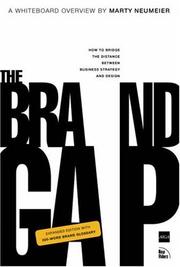
A short, visual masterclass on what a brand actually is (hint: it's not your logo). Reading this transforms how you think about every customer touchpoint — packaging, shop policies, thank-you notes — as brand moments.

Etsy sellers must drive external traffic via social media; this book teaches platform-native content strategy so your Instagram, Pinterest, and TikTok posts actually funnel buyers to your shop.
Scaling: Growing Beyond a One-Person Shop
ExpertSystematize operations, expand your product line strategically, and build the infrastructure to grow revenue without burning out.
▸ Study plan for this stage
Pace: 8–10 weeks, ~25–30 pages/day. Start with "The E-Myth Revisited" (4–5 weeks, ~20 pages/day), then move to "Superfans" (3–4 weeks, ~25–30 pages/day). Build in 1–2 weeks for exercises and integration.
- The E-Myth framework: building systems and processes so your Etsy shop runs without you being the bottleneck
- The difference between working IN your business vs. working ON your business, and why this shift is critical for scaling
- Strategic product line expansion: choosing which products to add based on systems capacity, not just demand
- Building repeatable workflows and documentation so you can delegate or automate tasks
- Creating a superfan community around your Etsy brand to drive sustainable growth and reduce marketing costs
- The role of storytelling and authentic connection in converting customers into loyal repeat buyers
- Pricing and packaging strategies that support scaling without commoditizing your work
- Measuring and optimizing the customer experience to fuel organic growth through word-of-mouth
- What is the E-Myth, and how does it apply to your Etsy shop? How are you currently trapped in working IN your business rather than ON it?
- How would you systematize your three most time-consuming tasks so someone else (or a future hire) could execute them without your constant input?
- What is your current product line, and which products should you expand based on your operational capacity and customer data—not just what seems profitable?
- Who are your superfans, and what makes them different from one-time buyers? How could you deepen relationships with them intentionally?
- How would you tell your brand story in a way that resonates emotionally with your ideal customer and differentiates you from competitors?
- What metrics would you track to measure whether your scaling efforts are actually reducing your workload while growing revenue?
- Document your top 5 recurring tasks in your Etsy shop (packing, customer service, photography, etc.). For each, write out a step-by-step process as if you were training someone else. Identify which steps could be delegated, automated, or eliminated.
- Create a 'business vs. business owner' audit: List all activities you did last week. Mark each as either working IN the business (execution) or ON the business (strategy, systems, growth). Aim for a 20/80 split by the end of this stage.
- Survey your top 20 customers (via email or Etsy messages) with 3–4 open-ended questions: What made them choose you? What do they love most? Would they recommend you? Identify patterns to understand your superfan profile.
- Map out your ideal product line expansion: Choose one new product to develop. Document the systems, materials, time, and costs required. Determine if your current capacity supports it, or what needs to change first.
- Write your brand story (500–750 words) that explains why you started your shop, what problem you solve, and what makes your approach unique. Share it with 3–5 trusted customers or peers and gather feedback.
- Design a superfan engagement plan: Identify 3–5 low-cost, high-touch ways to stay connected with repeat customers (e.g., exclusive previews, handwritten notes, a monthly email, a loyalty incentive). Implement at least two within 30 days.
Next up: This stage equips you with the operational systems and community foundation needed to scale sustainably; the next stage will likely focus on leveraging those systems and superfan relationships to expand into new channels, markets, or business models while maintaining your values and avoiding burnout.
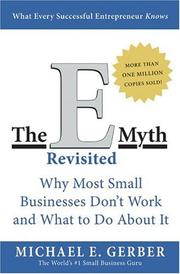
The essential book on why small creative businesses stall — the owner is a craftsperson, not a business operator. It teaches you to build systems and processes so your shop can grow beyond your personal hours.

The capstone read: shows how to turn occasional Etsy buyers into devoted repeat customers and brand advocates. Superfans are the engine of sustainable handmade business growth and the ultimate competitive moat.
Discussion
Keep reading
Paths that share books, cover the same subject, or open a related topic.