The Best Books on Vermicomposting, in Order
This curriculum takes a beginner from zero knowledge of worms and composting all the way to mastering vermicomposting science, troubleshooting, and garden integration. Each stage builds on the last — starting with hands-on setup, moving into worm biology and system optimization, and finally deepening into soil ecology and the broader composting world that gives vermicomposting its full context.
Foundations: Getting Your Worm Bin Started
BeginnerUnderstand what vermicomposting is, set up a first worm bin, choose the right worms, and begin turning kitchen scraps into castings with confidence.
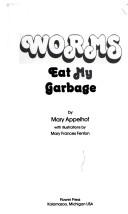
The definitive beginner's bible on vermicomposting — written by the pioneer of the field. Read this first to get bin setup, worm species selection, feeding, and harvesting explained in plain, practical language.
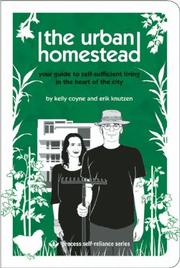
Provides essential context for integrating a worm bin into everyday home and kitchen life, helping beginners see vermicomposting as part of a broader sustainable household routine.
Going Deeper: Worm Biology & System Optimization
IntermediateUnderstand worm biology, feeding ratios, moisture and temperature management, and how to troubleshoot a struggling bin to produce consistently high-quality castings.
▸ Study plan for this stage
Pace: 4–5 weeks, ~25–30 pages/day, with 2–3 days per week dedicated to hands-on bin management and observation
- Worm anatomy and physiology: how worms breathe, digest, reproduce, and respond to environmental stress
- Feeding ratios and food decomposition: calculating appropriate feed rates based on worm population, bin size, and decomposition speed
- Moisture management: maintaining optimal moisture levels (60–70%) and recognizing signs of excess or deficiency
- Temperature regulation: understanding worm tolerance ranges (55–77°F ideal) and seasonal adjustments
- Bin troubleshooting: diagnosing and resolving common problems like odor, pest infestations, compaction, and slow decomposition
- Castings quality and harvesting: methods for producing and harvesting high-quality vermicompost without harming worms
- System optimization: scaling operations and refining practices based on worm behavior and environmental feedback
- What are the key anatomical features of composting worms and how do they affect feeding, respiration, and reproduction?
- How do you calculate appropriate feeding rates for your bin, and what signs indicate you are overfeeding or underfeeding?
- What is the ideal moisture range for a vermicomposting bin, and how do you adjust moisture if your bin is too wet or too dry?
- How do temperature fluctuations affect worm activity and bin performance, and what steps can you take to maintain optimal temperatures year-round?
- What are the most common problems in struggling bins, and what diagnostic steps and corrective actions does Sherman recommend?
- What methods does Sherman describe for harvesting high-quality castings, and how do you minimize worm loss during the process?
- Set up a detailed observation log for your bin: record temperature, moisture, worm behavior, and decomposition progress 3–4 times per week for the entire stage
- Conduct a feeding trial: adjust your feeding rate based on Sherman's ratios, document how quickly food breaks down, and note any changes in bin conditions
- Perform a moisture test: use the squeeze test weekly to assess moisture levels, and practice adjusting moisture by adding dry bedding or water as needed
- Diagnose and fix a bin problem: intentionally create or observe an issue (odor, slow decomposition, pest activity) and apply Sherman's troubleshooting steps, documenting the results
- Practice castings harvesting: use at least two different methods described in the book (e.g., hand-sorting, migration method) and compare efficiency and worm loss
- Create a seasonal management plan: outline how you will adjust feeding, moisture, and temperature management for each season based on your climate and Sherman's guidance
Next up: This stage equips you with the biological and operational knowledge to maintain a stable, productive bin; the next stage will build on this foundation by exploring advanced techniques such as multi-bin systems, commercial-scale operations, or specialized applications like using vermicompost for specific crops or integrating worm farming into broader sustainability practices.

Covers mid- to large-scale vermicomposting systems and advanced troubleshooting; reading it after Edwards grounds the science in real-world operational experience.
The Soil Connection: Castings in the Garden
IntermediateUnderstand what makes worm castings so valuable as a soil amendment, how to apply them effectively, and how vermicompost fits into broader soil health and plant nutrition.
▸ Study plan for this stage
Pace: 6–8 weeks, ~25–30 pages/day. Start with "Teaming with Microbes" (3–4 weeks), then move to "The Rodale Book of Composting" (3–4 weeks), allowing time for hands-on application between books.
- The soil food web: bacteria, fungi, protozoa, and nematodes and their roles in creating fertile soil
- How microbial communities in worm castings differ from raw compost and why this matters for plant health
- Nutrient cycling and bioavailability: how microbes make nutrients accessible to plant roots
- Worm castings as a biological inoculant that establishes beneficial microbial populations in garden soil
- Practical application methods for castings: top-dressing, compost tea brewing, and soil incorporation
- Integration of vermicompost into broader composting systems and soil amendment strategies
- Measuring soil health improvements: indicators of microbial activity and plant response
- What is the soil food web, and how do the different organisms in it contribute to nutrient availability for plants?
- Why are worm castings considered a superior soil amendment compared to raw compost or chemical fertilizers?
- How do the microbes in worm castings establish themselves in garden soil, and what conditions help them thrive?
- What are at least three practical methods for applying worm castings to a garden, and when is each method most appropriate?
- How can you assess whether your soil's microbial community is healthy, and what changes might you expect to see after adding castings?
- How does vermicompost fit into a larger composting and soil management strategy?
- Create a visual diagram of the soil food web based on Lowenfels' framework, labeling each organism and its role in nutrient cycling
- Conduct a side-by-side comparison: apply worm castings to one garden bed and another amendment (or none) to an adjacent bed; document plant growth and soil appearance over 8 weeks
- Prepare a batch of compost tea using worm castings and observe microbial activity; apply to a test area and track results
- Examine soil samples from your garden before and after adding castings using a simple magnifying glass or hand lens; note visible changes in structure, color, and organism presence
- Interview or survey local gardeners about their casting application methods and results; compile findings into a practical guide
- Design a vermicompost integration plan for your own garden or a hypothetical property, specifying casting sources, application rates, timing, and expected outcomes
Next up: This stage establishes the biological foundation and practical know-how for using castings effectively; the next stage will likely focus on scaling up vermicompost production systems or troubleshooting specific plant and soil challenges using castings as a targeted solution.

Explains the soil food web that worm castings feed and support — reading this transforms castings from 'good stuff' into a deeply understood biological tool for your garden.
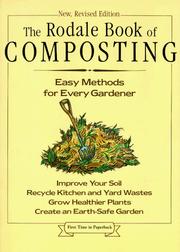
Places vermicomposting within the full spectrum of composting methods, helping you understand how worm castings compare to and complement hot compost and other amendments.
Mastery: Ecology, Scale & the Living Soil
ExpertDevelop a deep ecological understanding of decomposition, soil organisms, and nutrient cycling — enabling you to design and refine vermicomposting systems with expert-level insight.
▸ Study plan for this stage
Pace: 8–10 weeks, ~25–35 pages/day (alternating between both books, with 2–3 days per week dedicated to synthesis and field observation)
- Fungal networks and mycorrhizal associations as the primary drivers of nutrient cycling and plant-soil-organism communication
- Soil food webs: predator-prey dynamics between bacteria, fungi, protozoa, nematodes, and arthropods that regulate decomposition rates and nutrient availability
- Soil structure formation through fungal exudates and organic matter aggregation, and its role in water retention, aeration, and root penetration
- Decomposition pathways: how fungi and bacteria break down complex organic matter into plant-available nutrients through enzymatic processes
- Nutrient cycling (C, N, P, K) at the microbial level—mineralization, immobilization, and the role of fungal-bacterial partnerships
- Soil pH, cation exchange capacity (CEC), and mineral weathering as foundational soil chemistry concepts affecting organism activity
- Scaling vermicomposting systems: applying microbial ecology principles to optimize conditions for worm-fungal-bacterial synergies at different volumes
- Living soil as a dynamic ecosystem: recognizing soil as a self-regulating community rather than an inert growth medium
- How do fungal networks facilitate nutrient exchange between decomposing organic matter and plant roots, and what role do mycorrhizal associations play in a vermicompost ecosystem?
- Describe the soil food web in a mature vermicompost bin: which organisms are present, what are their trophic relationships, and how do predator-prey dynamics regulate decomposition?
- What is soil aggregation, how do fungi contribute to it, and why does aggregate stability matter for vermicompost structure and function?
- Explain the nitrogen cycle in vermicompost: how do bacteria and fungi mineralize organic nitrogen, and under what conditions does immobilization occur?
- How do soil pH and cation exchange capacity (CEC) influence microbial activity and nutrient availability in a vermicompost system, and how would you adjust conditions to optimize them?
- What are the key differences between bacterial and fungal decomposition pathways, and how can you design a vermicompost system to favor fungal activity when appropriate?
- Conduct a soil food web mapping exercise: collect samples from a mature vermicompost bin, observe under a microscope (or with a hand lens), and sketch the organisms present and their likely feeding relationships based on Lowenfels' food web framework
- Perform a simple fungal biomass assessment: compare fungal growth on sterilized vs. non-sterilized vermicompost samples over 2–3 weeks; document visual differences and relate observations to Lowenfels' discussion of fungal colonization
- Design a scaled vermicompost system (e.g., 10 L, 50 L, 200 L) and calculate expected surface area, aeration zones, and microbial habitat diversity using principles from both books; justify design choices based on soil science and fungal ecology
- Measure and adjust pH and CEC in your vermicompost: test pH weekly over 4 weeks, add amendments (lime, sulfur, or organic matter) based on Kohnke's soil chemistry principles, and document how pH changes affect visible decomposition rates
- Create a nutrient cycling diagram specific to your vermicompost system: trace carbon, nitrogen, and phosphorus from feedstock through fungal-bacterial breakdown to plant-available forms, citing specific mechanisms from both books
- Conduct a decomposition pathway experiment: set up three vermicompost conditions (high fungal inoculum, high bacterial inoculum, mixed) and monitor decomposition speed, temperature, and final product quality over 8–12 weeks
Next up: This stage equips you with the ecological and chemical literacy to diagnose and optimize vermicompost performance at a systems level, preparing you to apply this expertise to specialized applications—such as scaling for commercial production, tailoring systems for specific plant types, or integrating vermicompost into broader regenerative agriculture frameworks.

Deepens your understanding of the microbial partners that work alongside worms in decomposition, rounding out your mastery of the living soil ecosystem your castings create.
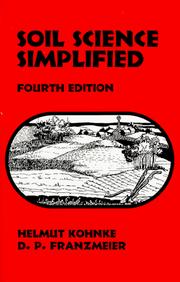
Provides the foundational soil science vocabulary and concepts needed to fully interpret vermicompost research and make evidence-based decisions about soil amendment and garden management.
Discussion
Keep reading
Paths that share books, cover the same subject, or open a related topic.