No-dig gardening: the best books for healthy soil and big harvests
This curriculum takes a complete beginner from the core philosophy of no-dig gardening all the way to mastering soil ecology, composting science, and advanced vegetable production — with less weeding, watering, and physical strain. Each stage builds on the last: you first absorb the "why" and basic method, then develop hands-on growing skills, then deepen your understanding of the living soil that makes it all work.
Foundations: The No-Dig Philosophy
BeginnerUnderstand what no-dig gardening is, why it works, and how to set up your first beds using compost and cardboard — building confidence and the core vocabulary (soil structure, mulch, compost layer, weed suppression) needed for everything that follows.
▸ Study plan for this stage
Pace: 4–5 weeks, ~20–25 pages/day, with 2–3 days per week reserved for hands-on bed preparation and observation
- The no-dig philosophy: why avoiding soil disturbance preserves soil structure and microbial life
- Soil structure and its role in plant health, water retention, and nutrient availability
- Compost as the foundation: what it is, how it functions, and why quality matters in no-dig systems
- Cardboard and mulch layers: their role in weed suppression and gradual soil building
- The layering method: how to construct a no-dig bed from the ground up using available materials
- Nutrient cycling and the role of decomposition in creating living, fertile soil without digging
- Timing and seasonal considerations for bed setup and planting in no-dig gardens
- What is the core principle of no-dig gardening, and why does avoiding soil disturbance benefit soil health?
- How does compost function in a no-dig bed, and what makes quality compost essential to the system?
- What role does cardboard play in no-dig bed construction, and how does it suppress weeds?
- How do you layer materials to build a no-dig bed, and what is the ideal depth and composition?
- What is soil structure, and how does the no-dig method preserve or improve it over time?
- How does the no-dig approach differ from conventional tilling or double-digging, and what are the practical advantages?
- Read and annotate the introduction and philosophy chapters of 'No Dig Organic Home & Garden,' highlighting Dowding's core arguments for why no-dig works
- Source materials for your first bed: collect cardboard, compost, and mulch locally; document where you sourced each and why it matters
- Build a small no-dig bed (2×4 ft minimum) following Dowding's layering method; photograph each layer and record depths and materials used
- Create a visual diagram or poster showing the cross-section of a no-dig bed with labels for each layer, its function, and expected decomposition timeline
- Observe and document soil conditions: compare a section of undisturbed soil in your garden to tilled or compacted soil; note texture, moisture, and any visible organisms
- Plan your first season's planting: using Dowding's guidance, decide what to grow in your new bed and when, considering the bed's settling and nutrient availability over time
Next up: This foundation in no-dig philosophy and basic bed construction equips you with the vocabulary and confidence to move into the next stage—practical techniques for soil preparation, compost sourcing, and seasonal management—where you'll learn to optimize your beds and troubleshoot real-world challenges.

The definitive, canonical introduction to no-dig by its foremost modern practitioner. Read this first to absorb the complete method — from making beds to harvesting — straight from the source.
Growing Vegetables: Putting It Into Practice
BeginnerApply no-dig principles to actually growing abundant vegetables through the seasons — learning spacing, succession sowing, crop rotation, and low-effort harvesting on your newly established beds.
▸ Study plan for this stage
Pace: 6–8 weeks, ~25–30 pages/day, with 2–3 weeks for hands-on practice between books
- Spacing requirements for common vegetables and how density affects yield and plant health
- Succession sowing techniques to ensure continuous harvests across seasons rather than single gluts
- Crop rotation principles and planning rotations to prevent soil depletion and disease buildup
- Seasonal timing: when to sow, transplant, and harvest different crops in your climate zone
- Low-effort harvesting methods that preserve plant vigor and encourage regrowth (e.g., cut-and-come-again)
- Companion planting and intercropping to maximize space and minimize pest pressure in no-dig beds
- Soil fertility management specific to no-dig systems: compost application, nutrient cycling, and feeding plants without digging
- What spacing should you use for 3–4 common vegetables you want to grow, and why does spacing matter in a no-dig bed?
- How do you plan a succession sowing schedule to avoid a glut of one crop and ensure harvests over 2–3 months?
- Explain a simple 3–4 year crop rotation plan for your beds, identifying which plant families go where and why
- What is the difference between harvesting for storage versus cut-and-come-again harvesting, and when would you use each method?
- How do you maintain soil fertility in a no-dig bed across multiple seasons of vegetable growing?
- Name 2–3 companion planting combinations from the books and explain the benefit of each pairing
- Create a detailed spacing plan for a 4m × 1m bed, selecting 3–4 vegetables and mapping their exact positions based on spacing guidance from the books
- Design a 12-week succession sowing calendar for one fast-growing crop (e.g., lettuce, radishes, beans), plotting sow dates 2–3 weeks apart
- Sketch a 4-year crop rotation plan for your beds, assigning plant families to zones and explaining the reasoning
- Conduct a trial harvest using cut-and-come-again methods on one crop (e.g., chard, kale, lettuce) and record regrowth over 2–3 weeks
- Measure and record soil compost depth in your beds before and after the season to understand nutrient depletion and plan next year's additions
- Plant at least 2 companion planting combinations in your beds and observe pest pressure, growth, and yield compared to single-crop rows
- Keep a seasonal harvest journal logging what you picked, when, and yield quantity to refine spacing and succession timing for next year
Next up: This stage grounds you in the practical rhythm of vegetable production—spacing, timing, and rotation—so you're ready to troubleshoot problems (pests, diseases, nutrient issues) and optimize yields in the next stage.

A warm, practical beginner's growing guide that pairs perfectly with no-dig beds, covering edible crops step-by-step and building the growing vocabulary needed before tackling more technical texts.
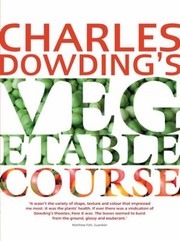
Dowding's comprehensive vegetable-growing manual, structured as a course, bridges the gap between setting up no-dig beds and confidently growing a full range of crops with minimal intervention.
Compost & Mulch: The Engine of No-Dig
IntermediateMaster the making and use of compost and organic mulches — understanding how they feed soil life, suppress weeds, and retain moisture, so you can produce your own free fertility rather than buying it in.
▸ Study plan for this stage
Pace: 4–5 weeks, ~25–30 pages/day, with 2–3 days per week dedicated to hands-on compost setup and observation
- The carbon-to-nitrogen (C:N) ratio and how balancing brown and green materials creates efficient decomposition
- How compost transforms raw organic matter into stable humus that feeds soil microbes and improves soil structure
- The different composting methods (hot, cold, vermicomposting, tumbler) and when to use each based on your timeline and space
- How finished compost suppresses disease, improves water retention, and reduces the need for synthetic fertilizers
- The role of compost in building long-term soil fertility and carbon sequestration in no-dig beds
- Troubleshooting common compost problems (odors, pests, slow decomposition) through material adjustment and technique
- How mulch layers protect compost-enriched soil, suppress weeds, regulate temperature, and conserve moisture
- What is the ideal carbon-to-nitrogen ratio for fast hot composting, and how do you identify and balance brown versus green materials?
- Explain the difference between hot composting and cold composting, and describe when you would choose one method over the other.
- How does finished compost improve soil structure and what role do soil microbes play in this process?
- What are three common compost problems (e.g., odor, slow decomposition, pests) and what material or technique adjustments fix each?
- How does applying compost and mulch together in a no-dig system reduce your dependence on purchased fertilizers and amendments?
- Describe the process of vermicomposting and explain why it might be preferable to traditional composting in certain situations (e.g., small spaces, year-round production).
- Build a hot compost pile using Pleasant's layer method, record temperature daily for 2–3 weeks, and document the decomposition stages from raw materials to finished compost
- Create a cold compost bin or pile with kitchen scraps and yard waste; observe it over 4–5 weeks and note how materials break down without active turning
- Set up a small vermicomposting bin (or research one in detail if space is limited) and maintain it for 3–4 weeks, tracking worm activity and castings production
- Audit your household and garden for compostable materials; categorize them by C:N ratio (browns vs. greens) and calculate the ratio of a test pile you plan to build
- Troubleshoot a compost problem: deliberately create a scenario (e.g., too wet, too dry, too much nitrogen) and apply Pleasant's solutions, documenting the results
- Source free or low-cost mulch materials from your area (wood chips, straw, leaves) and apply a 3–4 inch layer to a no-dig bed; measure soil moisture and temperature weekly for 3 weeks to observe retention benefits
- Interview a local gardener or compost facility operator about their method; compare their approach to Pleasant's recommendations and reflect on which suits your situation
Next up: This stage equips you with the knowledge and hands-on experience to generate your own compost and mulch, creating the biological and physical foundation that no-dig gardening depends on—preparing you to move forward into building and maintaining no-dig beds with confidence that you understand the living soil system beneath them.
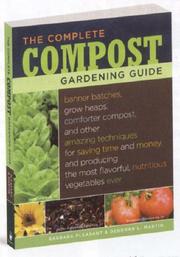
Goes deeper into compost science and application methods — including mulch-in-place and trench composting — giving you the intermediate-level detail needed to fine-tune your no-dig fertility system.
Soil Life: Understanding What's Happening Underground
IntermediateDevelop a solid mental model of the soil food web — fungi, bacteria, earthworms, and microbes — so you understand exactly why no-dig protects and amplifies soil life, and can make smarter decisions in the garden.
▸ Study plan for this stage
Pace: 8–10 weeks, ~20–25 pages/day. Read "Teaming with Microbes" over 4–5 weeks, then "Teaming with Fungi" over 4–5 weeks. This allows time for observation and hands-on work between and during reading.
- The soil food web: how bacteria, fungi, protozoa, nematodes, and arthropods form interconnected feeding relationships that cycle nutrients
- Bacterial and fungal roles: bacteria as primary decomposers and nutrient processors; fungi as nutrient transporters and soil architects that form mycorrhizal networks
- Mycorrhizal associations: how fungal networks connect plant roots to soil nutrients and water, and why this relationship is disrupted by tilling and chemical inputs
- Organic matter as the foundation: how decomposition of plant material feeds the entire food web and builds soil structure over time
- Why no-dig works: undisturbed soil preserves fungal networks, maintains microbial populations, and allows the food web to function optimally without chemical fertilizers
- Biological indicators of soil health: recognizing signs of a thriving food web (earthworms, fungal fruiting bodies, soil structure, water retention)
- The difference between biological and chemical approaches: how living soil feeds plants through the food web versus how synthetic fertilizers bypass biology entirely
- Explain the soil food web and describe at least three pathways through which nutrients move from organic matter to plant roots.
- What is the mycorrhizal network, and why does tilling damage it? How does no-dig gardening protect it?
- Compare the roles of bacteria and fungi in the soil. Why are both essential, and what does each do that the other cannot?
- How do protozoa and nematodes fit into the soil food web, and what happens to nutrient availability when these organisms are present versus absent?
- Why do synthetic fertilizers undermine soil biology, and how does a biologically active soil provide nutrients more sustainably?
- What are three observable signs that your soil has a healthy, thriving food web, and how would you assess them in your own garden?
- Soil observation jar: Layer soil from your garden in a clear jar with water and let it settle. Observe and sketch the layers, then read about soil structure in both books to interpret what you see.
- Microscope or hand-lens exploration: Examine a small soil sample under magnification (or with a hand lens) and try to identify visible organisms—earthworms, arthropods, fungal threads. Document what you find.
- Compost decomposition tracking: Start a small compost pile or container and observe it weekly over 4–6 weeks, noting temperature changes, organism activity, and decomposition stages. Connect observations to the food web concepts from the books.
- Mycorrhizal network visualization: Dig up a plant root system carefully and look for fungal threads (white, thread-like structures) clinging to roots. Photograph or sketch what you see and compare to images in 'Teaming with Fungi.'
- No-dig bed establishment: Create a small no-dig garden bed (even 2×2 feet) using cardboard, compost, and mulch. Monitor it monthly for six months, noting changes in soil structure, earthworm presence, and plant vigor. Document how the food web establishes.
- Fungal fruiting body hunt: During damp seasons, search your garden or a nearby wooded area for mushrooms and other fungal fruiting bodies. Photograph them and use field guides or the books to understand what fungi are present and their likely roles in the soil food web.
Next up: Understanding the soil food web and why no-dig protects it prepares you to learn specific no-dig techniques, plant selection strategies, and how to actively manage and feed the biology you've now learned to recognize and value.

The most accessible and widely-read introduction to the soil food web for gardeners. Reading this transforms no-dig from a technique into a deeply understood ecological practice.

Focuses specifically on mycorrhizal networks — the underground fungal systems that no-dig uniquely preserves — giving you the next layer of understanding after the broader soil food web.
Advanced Mastery: Whole-System Thinking
ExpertSynthesise everything into a whole-farm or whole-garden ecological system — integrating perennials, deep soil restoration, and regenerative principles to create a truly self-sustaining, low-labour productive garden.
▸ Study plan for this stage
Pace: 8–10 weeks, ~25–30 pages/day (alternating between both books to build integrated understanding)
- Intensive market gardening systems: high-yield production on small land through careful planning, crop rotation, and succession planting
- Soil biology and carbon cycling: how regenerative practices rebuild soil structure, microbial life, and long-term fertility without synthetic inputs
- Whole-farm economics and labour efficiency: designing systems that maximize output while minimizing time, equipment, and external inputs
- Perennial integration and polyculture: moving beyond monoculture to create diverse, self-regulating ecosystems that reduce annual labour
- Deep soil restoration through cover crops and minimal disturbance: understanding how no-dig and reduced-till practices heal compacted or degraded soils
- Regenerative agriculture at scale: connecting individual garden practices to landscape-level ecological and economic resilience
- Systems thinking: recognizing feedback loops, trade-offs, and interdependencies between soil health, crop diversity, labour, and profitability
- How does Jean-Martin Fortier's market gardening model balance intensive production with soil health and sustainability, and what role does crop rotation play in this balance?
- What are the key differences between conventional agriculture and the regenerative farming systems described in Growing a Revolution, and how do they affect soil carbon and long-term productivity?
- How can you integrate perennial crops and polyculture into a productive garden system, and what are the labour and economic trade-offs compared to annual monoculture?
- Describe a complete annual cycle for your own garden or farm: which crops would you grow, how would you manage soil, and how would you minimize external inputs while maintaining yield?
- What evidence do Montgomery and Fortier present for the connection between soil health, biodiversity, and economic resilience in food production?
- How would you design a whole-system garden that works for your climate and context, drawing on principles from both books?
- Create a detailed 12-month crop plan for a 1-acre (or smaller) plot, including succession planting, cover crops, and perennial elements; map labour requirements and estimated yields month by month
- Conduct a soil health assessment of your own garden or a local site: test structure, observe biology (earthworms, fungi, insects), and design a 2–3 year regenerative restoration plan based on Fortier's and Montgomery's principles
- Design a polyculture bed or section combining annuals, perennials, and nitrogen-fixing plants; sketch the layout and explain how each element supports the others and reduces labour over time
- Interview or research a local regenerative farmer or market gardener; document their system, labour model, and soil practices, then compare to Fortier's and Montgomery's frameworks
- Build a financial model for a small market garden (0.5–2 acres): estimate inputs, labour hours, crop yields, and revenue using Fortier's intensive methods; calculate break-even and profitability
- Create a visual systems diagram (mind map or flow chart) showing how soil biology, crop diversity, labour efficiency, and profitability interconnect in a no-dig regenerative system
Next up: This stage synthesizes the technical and ecological foundations into a coherent, implementable whole-system vision; the next stage would typically focus on scaling, community impact, or specialized applications (e.g., urban farming, tropical systems, or business models) that build on this integrated mastery.

Shows how no-dig and minimal-tillage principles scale into highly productive, profitable small-scale growing — pushing your thinking from home garden to systematic, optimised production.

A soil scientist's evidence-based case for regenerative, no-till agriculture, providing the scientific rigour and big-picture perspective that consolidates and validates everything learned across the curriculum.
Discussion
Keep reading
Paths that share books, cover the same subject, or open a related topic.