Container gardening: grow food and flowers in pots, the right way
This curriculum takes a beginner container gardener from core concepts — soil, pots, light, and water — through growing specific crops (vegetables, herbs, flowers), and finally into advanced small-space design and self-sufficiency. Each stage builds directly on the last: you won't be able to choose the right soil amendment or watering schedule without first understanding the fundamentals, and you won't be able to design a productive balcony garden without knowing what each plant needs.
Foundations: How Container Gardening Works
BeginnerUnderstand the core principles of container gardening — choosing pots, building healthy soil mixes, managing water and light — so every later decision has a solid rationale.
▸ Study plan for this stage
Pace: 4–5 weeks, ~25–30 pages/day. Start with Smith's "Vegetable Gardener's Container Bible" (weeks 1–2.5), then move to Walliser's "Container Gardening Complete" (weeks 2.5–5) to deepen and broaden your foundation.
- Container selection: drainage, size, and material choices for different plants and growing conditions
- Soil composition: building custom potting mixes that balance water retention, drainage, and nutrient availability
- Watering principles: frequency, depth, and methods that prevent both drought stress and root rot
- Light requirements: matching container placement to plant needs (full sun, partial shade, shade) and seasonal changes
- Pot-to-plant ratios: understanding how container size directly affects root development and plant health
- Fertilization in containers: why potted plants need regular feeding and how to choose appropriate nutrients
- Seasonal care: adapting container management for temperature fluctuations and dormancy periods
- What are the key differences between container materials (plastic, ceramic, fabric, wood) and how do they affect drainage, temperature, and plant health?
- How do you create a well-draining potting mix from scratch, and why is this better than using garden soil in containers?
- What is the relationship between container size and watering frequency, and how do you avoid both overwatering and underwatering?
- How do you assess whether a specific location provides adequate light for your chosen plants, and what are the consequences of insufficient light?
- Why do container plants require more frequent fertilization than in-ground plants, and what nutrients are most critical?
- What adjustments must you make to container care as seasons change, and how do temperature and daylight affect your plants?
- Visit a garden center and examine 5–6 different container types; note drainage holes, material, weight, and cost. Predict which would work best for herbs, vegetables, and perennials.
- Mix three different potting soil recipes (using Smith's and Walliser's recommendations) in small batches; test drainage, moisture retention, and aeration by hand and with water trials.
- Set up a watering test: plant identical seedlings in containers of different sizes and materials; water on the same schedule and track how long soil stays moist in each.
- Map your growing space for light: use a light meter app or observe sun patterns throughout the day in 3–4 potential planting locations; document hours of direct sun and shade.
- Create a fertilization schedule for three different container plants (herb, vegetable, perennial) based on their nutrient needs; track feeding dates and plant response over 4 weeks.
- Repot a plant from a nursery pot into a larger container using proper technique; observe root structure and soil condition before and after.
Next up: This foundation in pot selection, soil science, and water/light management equips you to make informed decisions about which specific plants to grow and how to troubleshoot problems when they arise.
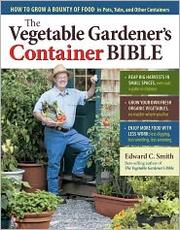
The ideal starting point: it covers containers, soil mixes, watering, and light in plain language specifically for food growing, giving beginners a complete mental model before diving into specifics.

Expands the foundation to include flowers and ornamentals alongside edibles, and goes deeper on pot selection, drainage, and fertilizing — essential vocabulary for every stage ahead.
Soil & Roots: The Hidden Engine
BeginnerDevelop a working understanding of potting mixes, compost, drainage, and root health so you can diagnose problems and build the right growing medium for any plant.
▸ Study plan for this stage
Pace: 4–5 weeks, ~25–30 pages/day, with 2–3 days per week for hands-on practice and observation
- The soil food web: bacteria, fungi, protozoa, nematodes, and arthropods work together to create living, fertile soil
- Mycorrhizal fungi form symbiotic relationships with plant roots, extending nutrient uptake and improving plant resilience
- Organic matter and compost feed the microbial ecosystem, creating a self-sustaining cycle of nutrient availability
- Microbial diversity and balance are more important than nutrient quantity alone—a living soil outperforms sterile potting mix
- Drainage, aeration, and moisture management directly affect microbial populations and root health in containers
- Compost maturity and quality determine whether your potting mix will support beneficial microbes or harbor pathogens
- Applying soil food web principles to container gardening requires adapting practices from in-ground gardening to pot constraints
- What is the soil food web, and how do the different organisms in it (bacteria, fungi, protozoa, nematodes) interact to make nutrients available to plants?
- How do mycorrhizal fungi benefit plant roots, and what conditions in a potting mix encourage or inhibit their growth?
- What role does compost play in building and maintaining a healthy microbial community in container soil?
- How do drainage, aeration, and water management affect the microbial ecosystem in a pot, and what problems arise from poor drainage?
- What distinguishes finished, mature compost from immature compost, and why does this matter for container gardening?
- How would you diagnose a root or soil health problem in a container plant using your understanding of the soil food web?
- Create a visual map or diagram of the soil food web showing how energy and nutrients flow between organisms; label each group and their roles
- Examine a sample of finished compost under a magnifying glass or simple microscope; document visible organisms and describe what you observe
- Build two small potting mixes side by side—one with compost and one without—and track plant growth, drainage, and microbial activity over 4 weeks
- Conduct a simple water infiltration test on different potting mixes to understand how structure affects drainage and aeration for microbes
- Start or observe an active compost pile or bin; track temperature, moisture, and decomposition progress to understand the conditions that build the soil food web
- Interview a local gardener or nursery staff about their potting mix recipes and compost sources; ask how they manage soil health in containers
Next up: Understanding the living ecosystem beneath the soil surface equips you to move into practical container selection and mix formulation, where you'll apply these microbial principles to build custom growing media tailored to specific plants and growing conditions.

Explains the living biology inside healthy soil in an accessible way; reading this after the basics reframes soil as an ecosystem, which transforms how you feed and water your containers.
Growing Food: Vegetables & Herbs in Containers
IntermediateApply your foundational knowledge to successfully grow a wide range of vegetables and culinary herbs in pots, from seed to harvest, including variety selection and seasonal timing.
▸ Study plan for this stage
Pace: 6–8 weeks, ~25–30 pages/day, with 1–2 week breaks between books for hands-on practice
- Tomato variety selection and breeding history for flavor, disease resistance, and container suitability (from Epic Tomatoes)
- Seed starting, transplanting, and pruning techniques specific to container-grown tomatoes
- Vertical growing systems and space optimization for edible plants on balconies and patios
- Container selection, soil composition, and drainage requirements for vegetables and herbs
- Seasonal timing and succession planting to extend harvests across growing seasons
- Culinary herb cultivation in containers with attention to flavor profiles and harvest timing
- Companion planting and integrated pest management in confined container environments
- Watering, fertilizing, and nutrient management for high-yield container production
- What are the key differences between heirloom, hybrid, and disease-resistant tomato varieties, and how do you select the right ones for container growing?
- How do you successfully start tomato seeds indoors and transplant seedlings to containers without shock or stunting?
- What container sizes, soil mixes, and drainage systems are essential for growing vegetables and herbs in small spaces?
- How can you use vertical growing systems and succession planting to maximize food production on a balcony or patio?
- What are the most productive culinary herbs to grow in containers, and how do you harvest them to encourage continued growth?
- How do you manage watering, feeding, and pest control in container gardens to maintain healthy plants throughout the season?
- Germinate and start tomato seeds indoors using techniques from Epic Tomatoes; track growth and transplant timing over 6–8 weeks
- Grow at least 3 different tomato varieties in containers (heirloom, hybrid, and disease-resistant) and compare flavor, yield, and disease susceptibility
- Design and build a vertical growing system for your balcony or patio using principles from The Edible Balcony; document space usage and productivity
- Create a succession planting schedule for spring, summer, and fall crops of herbs and vegetables based on your local growing season
- Prepare 3–4 different container soil mixes and test them side-by-side with tomatoes or herbs to evaluate drainage, nutrient retention, and plant performance
- Harvest and taste fresh herbs from containers weekly; experiment with different harvest timings and methods to optimize flavor and regrowth
- Set up a watering and fertilizing log for your container garden; adjust feeding schedules based on plant response and soil moisture tests
- Photograph and document your container garden's progress from planting through harvest, noting variety names, dates, yields, and flavor observations
Next up: This stage equips you with practical expertise in growing high-yield vegetables and herbs in containers, preparing you to advance to specialized techniques like season extension, preservation, and year-round production in subsequent stages.

Tomatoes are the most popular — and most demanding — container vegetable; mastering them teaches variety selection, pruning, staking, and feeding skills that transfer to all other crops.

Brings vegetables and herbs together in a small-space, container-first context, with practical guidance on succession planting and maximizing yield per square foot.
A definitive herb-growing reference that covers light, watering, and harvesting requirements for dozens of culinary and medicinal herbs — perfectly suited to container culture.
Flowers & Aesthetics: Beauty in Small Spaces
IntermediateDesign visually compelling container plantings with flowers and foliage, understanding color, texture, thriller-filler-spiller composition, and seasonal succession.
▸ Study plan for this stage
Pace: 6–7 weeks, ~25–30 pages/day. Start with "The Flower Gardener's Bible" (weeks 1–3), then transition to "Planting in a post-wild world" (weeks 4–7) for deeper design principles.
- Color theory and harmony in flower combinations (complementary, analogous, monochromatic schemes)
- Thriller-filler-spiller composition: using tall focal plants, mid-level fillers, and cascading spillers to create visual depth and movement
- Texture and foliage contrast as equal design elements to flower color
- Seasonal succession planning: selecting plants that bloom in sequence to maintain visual interest year-round
- Post-wild planting principles: designing with ecological resilience, native plant integration, and naturalistic aesthetics in containers
- Scale and proportion: matching plant size and container dimensions to small spaces
- Maintenance and plant health as foundations for sustained beauty in container gardens
- How do you create a visually cohesive container planting using the thriller-filler-spiller framework, and what role does each component play?
- What are three color harmony schemes, and how would you apply each to a small container garden?
- How can you design a container planting that maintains visual interest across spring, summer, fall, and winter?
- What is the difference between traditional ornamental container design and post-wild planting principles, and how can both coexist in a small space?
- How do foliage texture and form contribute to container design beyond flower color alone?
- What ecological and aesthetic benefits does incorporating native or naturalistic plants bring to container gardening?
- Create a mood board or sketch three different color schemes (complementary, analogous, monochromatic) and identify specific flowers from 'The Flower Gardener's Bible' that fit each palette.
- Design a thriller-filler-spiller container planting on paper: select one tall focal plant, 2–3 mid-level fillers, and one cascading spiller, noting their heights, bloom times, and texture.
- Plant and photograph a real container using the thriller-filler-spiller method; document it monthly for 3–4 months to observe seasonal changes and refine your understanding.
- Create a seasonal succession plan for a single container: choose plants that bloom in spring, summer, fall, and winter, mapping out when each takes center stage.
- Read and annotate 3–4 key chapters from 'Planting in a post-wild world' on naturalistic design; then sketch how you'd adapt one of your container designs to include native or ecologically resilient plants.
- Visit a local garden center or botanical garden and photograph 5 container plantings you find visually compelling; analyze each using thriller-filler-spiller and color harmony concepts.
Next up: Mastering flower color, composition, and seasonal design in containers establishes the visual and ecological foundation needed to scale these principles to larger mixed borders and garden beds, where you'll apply the same design language across broader landscapes.
Provides a thorough grounding in flower types, bloom times, and care requirements — the reference knowledge needed before designing mixed container plantings.

Elevates container and small-space design thinking by teaching how to layer plants ecologically for year-round interest, bridging the gap between growing individual plants and designing whole compositions.
Mastery: Productive Small-Space Systems
ExpertIntegrate everything into a high-yield, self-sustaining container garden system — optimizing light, water, nutrients, and space across seasons for maximum productivity and beauty.
▸ Study plan for this stage
Pace: 4–5 weeks, ~25–30 pages/day, with 2–3 days per week dedicated to hands-on system design and garden setup
- Intensive planting techniques and spatial optimization for maximum yield in containers and small spaces
- Succession planting and crop rotation strategies to maintain productivity across seasons
- Integrated soil and nutrient management systems tailored to container growing conditions
- Water management and irrigation efficiency in high-density container systems
- Light assessment and optimization strategies for urban growing environments
- Season extension methods (cold frames, row covers, microclimates) to extend the growing calendar
- Profitability and productivity metrics for evaluating and scaling container garden systems
- Integrated pest and disease management within closed container ecosystems
- How do you calculate and optimize plant spacing in containers to maximize yield without compromising plant health?
- What is a succession planting schedule, and how would you design one for your specific climate and available light?
- How does Stone recommend managing soil fertility and nutrient cycling in long-term container systems?
- What are the key differences between watering strategies for different container types and plant varieties?
- How do you assess your growing space's light conditions, and what crops or varieties are suitable for partial shade versus full sun?
- What season extension techniques can you implement to grow year-round in containers, and which are most practical for your location?
- Conduct a light audit of your growing space: measure sunlight hours and intensity at different times of day and season, then map which crops suit each microclimate
- Design a complete succession planting calendar for 3–4 of your favorite crops, accounting for your local frost dates, day length, and temperature patterns
- Build or set up your primary container system (raised beds, pots, or troughs) using Stone's spacing and soil recommendations, then document the setup with photos and measurements
- Create a detailed nutrient management plan: test your soil, calculate feeding schedules based on crop needs, and track amendments over a full growing season
- Establish a watering system (drip irrigation, soaker hoses, or hand-watering protocol) and monitor soil moisture daily for 2 weeks to dial in your rhythm
- Implement one season extension technique (cold frame, row cover, or microclimate shelter) and track temperature and growth differences versus unprotected plants
Next up: This stage equips you with the systems thinking and hands-on mastery to run a productive, resilient container garden; the next stage will likely deepen your expertise in specialized areas—such as perennial systems, advanced propagation, or scaling for market production—or pivot toward ecosystem integration and regenerative practices.

Brings a systems-level mindset to small-space food production, covering crop planning, water efficiency, and maximizing output — the capstone for anyone wanting a truly productive container garden.
Discussion
Keep reading
Paths that share books, cover the same subject, or open a related topic.