The Best Books on Growing Dahlias, in Order
This curriculum takes a beginner dahlia grower from first principles — understanding the plant and planting tubers — through the hands-on craft of staking, pinching, and disbudding for cut-flower production, and finally into the specialist world of exhibition growing and long-term tuber management. Each stage builds the vocabulary and confidence needed for the next, so that by the end the reader can plan, grow, and overwinter a serious cut-flower dahlia garden with skill.
Foundations: Understanding the Dahlia
BeginnerUnderstand what dahlias are, how they grow from tubers, the main types and classifications, and the basic seasonal cycle from planting to first frost.
▸ Study plan for this stage
Pace: 4–5 weeks, ~25–30 pages/day. Start with "Dahlias" by Naomi Slade (approximately 2–3 weeks), then move to the dahlia-focused sections of "Floret Farm's a Year in Flowers" (approximately 2 weeks).
- Dahlia anatomy: tubers, eyes, stems, and how they differ from seeds and bulbs
- Growth cycle: dormancy, sprouting, vegetative growth, budding, and flowering through the season
- Dahlia classification systems: by flower form (decorative, ball, cactus, pompon, etc.) and by plant height/use
- Tuber storage, handling, and preparation for spring planting
- Seasonal timing: frost dates, planting windows, and the relationship between day length and flowering
- Site selection and basic growing conditions: sunlight, soil, and spacing requirements
- The role of pinching and deadheading in shaping plant structure and bloom production
- What is a dahlia tuber and how does it differ from a seed or bulb?
- Describe the main stages of the dahlia growing season from planting to first frost.
- What are the major dahlia flower forms, and how would you identify them?
- Why is tuber storage and handling important, and what conditions do dahlias need over winter?
- How does day length influence dahlia flowering, and why does this matter for your planting schedule?
- What are the basic site and soil requirements for growing healthy dahlias?
- Examine and sketch a dahlia tuber, labeling the eyes, crown, and storage roots; research and document your local frost dates and create a planting calendar
- Read through Naomi Slade's dahlia classifications and create a visual reference chart (photos or drawings) of at least 6 different flower forms with descriptions
- Visit a local nursery or garden center and identify dahlia varieties in person; photograph or note their form classification and plant height
- Plan a small dahlia garden layout on paper: choose 3–5 varieties from the books, map their spacing based on mature height, and note their bloom times
- Document the seasonal cycle by creating a month-by-month timeline of dahlia care tasks (planting, pinching, staking, deadheading, digging, storing)
- Prepare a tuber storage plan: identify a suitable location in your home and list the conditions needed (temperature, humidity, light) based on what you've learned
Next up: This foundation equips you with the knowledge of what dahlias are and how they naturally grow, preparing you to move into the next stage where you'll learn the hands-on techniques for propagation, pest and disease management, and advanced cultivation strategies to maximize blooms and plant health.

A beautifully clear, beginner-friendly introduction that covers dahlia types, tuber planting, and the cut-flower garden — ideal as a first read to build vocabulary and excitement before diving into technique.
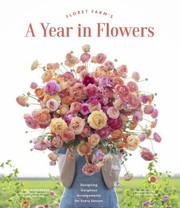
Places dahlias firmly in the context of a working cut-flower garden, teaching the beginner how the dahlia season fits into a broader growing year and why pinching and succession planting matter for armloads of blooms.
Core Technique: Planting, Staking & Pinching
BeginnerExecute the key hands-on skills — correct tuber planting depth and timing, building sturdy support systems, and the pinching and disbudding techniques that drive cut-flower production.
▸ Study plan for this stage
Pace: 4–5 weeks, ~25–30 pages/day. Start with Floret Farm's cut flower garden (weeks 1–2), then transition to The Cutting Garden (weeks 3–5), allowing time for hands-on practice between reading sessions.
- Tuber anatomy and dormancy: identifying eyes, understanding chilling requirements, and recognizing viable tubers before planting
- Planting depth and timing: soil temperature thresholds (60°F+), spacing for air circulation, and frost-date calculations to prevent rot
- Staking systems: choosing between single stakes, cages, and grid supports; installing supports at planting time to avoid root damage
- Pinching technique: removing terminal buds at the 4–6 leaf stage to force branching and increase stem count for cut flowers
- Disbudding for quality: removing lateral flower buds to direct energy to a single, exhibition-grade bloom per stem
- Soil preparation and drainage: amending with compost, ensuring well-draining beds, and managing moisture to prevent tuber rot
- Timing and succession planting: staggering plantings every 2–3 weeks for continuous harvest throughout the season
- At what soil temperature should you plant dahlia tubers, and why is this critical?
- Describe the difference between pinching and disbudding, and explain when you would use each technique.
- What is the correct planting depth for a dahlia tuber, and what happens if you plant too shallow or too deep?
- Why should you install stakes or support systems at planting time rather than after the plant has grown?
- How do you identify a viable dahlia tuber, and what signs indicate a tuber is dead or diseased?
- What is the purpose of succession planting dahlias, and how does it affect your harvest schedule?
- Inspect and sort a collection of dahlia tubers: identify eyes, assess viability, and categorize by size and condition before planting.
- Prepare a dahlia bed: amend soil with compost, test drainage, and mark planting holes at correct spacing (12–24 inches depending on variety).
- Plant 5–10 tubers at the correct depth (2–4 inches), install support stakes or cages at planting time, and label each with variety and planting date.
- Practice the pinching technique on young dahlia plants (at 4–6 leaf stage): remove the terminal bud cleanly and observe branching response over 2 weeks.
- Perform disbudding on flowering stems: remove lateral flower buds to isolate a single terminal bloom, comparing bud size and stem strength before and after.
- Set up a succession planting schedule: plan 3–4 planting dates 2–3 weeks apart and track soil temperature to ensure optimal timing.
Next up: Mastering these foundational techniques—proper planting, robust support, and strategic pruning—establishes the structural and physiological conditions for consistent, high-quality cut-flower production, preparing you to move into the next stage on pest management, disease prevention, and optimizing harvest timing for maximum vase life.

The most widely used practical manual for cut-flower dahlias; its step-by-step photography and clear instructions on pinching, staking, and harvest timing make it the essential how-to companion at this stage.

Broadens the learner's understanding of growing for the vase, with strong guidance on dahlia selection, support structures, and cutting schedules — reinforcing and deepening the techniques introduced by Benzakein.
Going Deeper: Varieties, Soil & Season Extension
IntermediateSelect varieties strategically for cut-flower quality, understand soil preparation and feeding for maximum stem length and bloom size, and extend the season at both ends.
▸ Study plan for this stage
Pace: 4–5 weeks, ~25–30 pages/day (approximately 150–180 pages total for "The Flower Farmer")
- Dahlia variety selection criteria for cut-flower production (stem length, vase life, disease resistance)
- Soil preparation and amendment strategies to maximize stem length and bloom size
- Nutrient management and feeding schedules throughout the growing season
- Season extension techniques: spring planting strategies and fall frost protection methods
- Spacing, staking, and pruning practices that influence stem quality and productivity
- Pest and disease management in the context of commercial flower production
- Record-keeping and variety evaluation for continuous improvement in your dahlia program
- What characteristics should you prioritize when selecting dahlia varieties for cut-flower quality, and why does stem length matter more than bloom size alone?
- How does soil preparation before planting affect the long-term productivity and stem quality of dahlias?
- What is a practical feeding schedule for dahlias, and how do nutrient needs change across the growing season?
- What are at least two methods to extend the growing season at both the spring and fall ends, and what are the trade-offs of each?
- How do spacing, staking, and pruning practices directly influence the quality and quantity of cut stems?
- What record-keeping system would help you evaluate varieties and make better selections for next season?
- Create a variety selection matrix: list 5–8 dahlia varieties you're considering, and score each on stem length, vase life, disease resistance, and bloom size using Byczynski's criteria
- Conduct a soil test (or review a past test) and design a soil amendment plan for your growing space, specifying compost, fertilizer, and micronutrient additions
- Develop a season-extension plan: outline your spring planting timeline (including any cold frame or row cover use) and your fall frost-protection strategy
- Set up a simple record-keeping system (spreadsheet or notebook) to track variety performance, feeding dates, pest/disease observations, and harvest notes throughout the season
- Build or reinforce staking and pruning infrastructure: practice the pruning techniques Byczynski describes on a few plants, and ensure you have adequate stakes and ties ready
- Plan a feeding schedule on a calendar: mark out when you'll apply compost, balanced fertilizer, and any specialty nutrients (e.g., phosphorus for blooms) from planting through late season
Next up: This stage equips you with the knowledge to grow high-quality dahlias year-round and to make data-driven variety choices, preparing you to scale production, refine your business model, or specialize in specific dahlia types in the next stage.
A variety-focused guide that trains the eye to distinguish form classes and helps the intermediate grower make intentional variety choices for colour, stem length, and vase life.
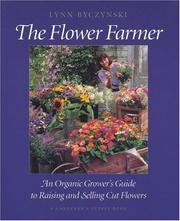
The definitive small-scale cut-flower farming manual; its chapters on soil fertility, irrigation, and season extension give the dahlia grower the agronomic depth needed to push yields and quality to the next level.
Mastery: Overwintering, Propagation & Exhibition
ExpertConfidently lift, divide, store, and propagate dahlia tubers through winter, and understand the specialist techniques used by exhibition and serious cut-flower growers to produce perfect blooms.
▸ Study plan for this stage
Pace: 8–10 weeks, ~20–25 pages/day, with 2–3 weeks dedicated to hands-on practice during the actual overwintering and propagation season (autumn through early spring)
- Tuber lifting and storage: timing, technique, and environmental conditions (temperature, humidity, medium) to prevent rot and maintain viability through winter
- Tuber division and propagation: identifying eyes, cutting strategies, and healing/chitting methods to maximize viable propagation units
- Exhibition standards: understanding dahlia classification, bloom form requirements, size standards, and judging criteria for competitive showing
- Cut-flower production techniques: disbudding, stem conditioning, timing of harvest, and post-harvest handling to maximize vase life and bloom quality
- Pest and disease management during storage and propagation: recognizing and preventing common issues like tuber rot, spider mites, and powdery mildew
- Soil preparation and nutrient management for exhibition-quality blooms: feeding schedules, micronutrient balance, and soil conditioning for peak performance
- Staking, support systems, and plant architecture: training methods to produce straight stems and perfectly formed blooms for cutting and exhibition
- What are the critical environmental conditions (temperature, humidity, storage medium) for overwintering dahlia tubers, and how do you recognize when tubers are at risk of rot or desiccation?
- How do you identify viable eyes on a dahlia tuber, and what are the best techniques for dividing tubers to maximize propagation success while minimizing disease risk?
- What are the specific bloom form classifications and size standards for exhibition dahlias, and how do judging criteria differ across competition levels?
- What disbudding and conditioning techniques do professional cut-flower growers use to produce exhibition-quality stems, and how does timing of harvest affect vase life?
- How do you manage common storage and propagation problems (rot, pests, disease), and what preventative measures should be taken before and during the overwintering period?
- What feeding and soil management strategies produce the largest, most perfectly formed blooms for exhibition, and how do you adjust nutrition for different dahlia types?
- Lift, inspect, and store tubers from your own dahlias (or sourced tubers) following Damp's protocols; document storage conditions and monitor for rot/issues weekly throughout winter
- Practice tuber division on 10–15 tubers: identify eyes, make clean cuts, apply fungicide, and track which division methods yield the highest germination rates in spring
- Research and document the exhibition classification and size standards for 3–5 dahlia varieties you grow; compare their bloom forms against competition photos and judging sheets
- Implement a disbudding and conditioning protocol on cut stems from your dahlias over a full growing season; record stem length, bloom size, and vase life for each technique variation
- Set up a propagation trial: start tubers using at least two different chitting methods (e.g., in peat, in sand, or in trays with bottom heat) and compare germination speed and seedling vigor
- Create a feeding and soil amendment schedule for exhibition-quality blooms; apply it to a dedicated bed and track bloom size, form, and color against an unfed control bed
Next up: This stage equips you with the technical mastery to preserve dahlia stock year-round and produce competition-ready blooms, preparing you to either specialize in exhibition showing, develop a cut-flower business, or mentor others in advanced dahlia cultivation.
The most comprehensive specialist reference in print, written by a National Dahlia Society expert; covers tuber division, storage conditions, propagation from cuttings, and exhibition standards in authoritative detail.

A classic grower's manual that goes deep on overwintering methods, pest and disease management, and the fine points of producing show-quality blooms — the ideal capstone for a reader who wants true mastery.
Discussion
Keep reading
Paths that share books, cover the same subject, or open a related topic.