Vermicomposting is deceptively simple: give worms bedding and food scraps, and they hand you castings that outperform almost any fertilizer. But a bin that is too wet, too acidic, or overfed turns into a smelly, fly-ridden mess, and beginners often quit right there. The fix is understanding what the worms — and the whole microbial community — actually need, learned in the right order.
This path starts with the one essential beginner book, widens into homestead and commercial practice, and ends with the soil science that explains why worm castings are so good.
Start your first bin
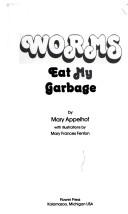
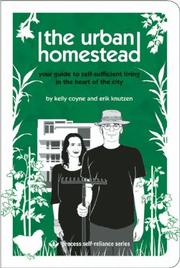
Begin with Worms Eat My Garbage by Mary Appelhof — the book that launched home vermicomposting and still the clearest guide to building and running a small worm bin. Read it first and you will avoid nearly every beginner mistake. Then place worm composting in a broader self-reliant context with The urban homestead by Kelly Coyne, which shows how a bin fits alongside gardening, food scraps, and city-scale sustainability.
Scale up and go deeper
When one bin is not enough, step up to the serious references. The Worm Farmer's Handbook by Rhonda Sherman is the definitive guide to mid- and large-scale worm farming — feedstocks, flow-through systems, harvesting, and even selling castings. For the underlying biology, Vermiculture Technology by Clive Edwards is the rigorous scientific text on how worms process organic matter, the reference for anyone who wants to truly understand the process.
Round out your composting knowledge with The Rodale book of composting by Deborah L. Martin, the comprehensive classic that situates vermicomposting within all the ways to build soil, so you can combine methods wisely.
Understand the living soil
The final step is the science that makes the whole thing click. Teaming with microbes by Jeff Lowenfels is the landmark, readable account of the soil food web — bacteria, fungi, and the microbial life that worm castings supercharge. Its companion, Teaming with fungi, goes deeper on the fungal side that plants depend on. Anchor it all with Soil science simplified by Helmut Kohnke, a clear primer on the soil chemistry and structure your castings improve.
Read in order, these take you from a single kitchen bin to a productive worm farm and a real understanding of living soil. The castings feed everything else you grow, so this path pairs naturally with the gardening and tree-care subjects in the ReadingSherpa index. Follow the full path to turn waste into the best soil amendment there is.
Follow the full reading path →
Ready to learn something deeply?
Build a reading path — free