Best Books on Ultimate Frisbee, in Order
This curriculum takes a beginner from the absolute basics of ultimate frisbee all the way through advanced offensive systems, defensive schemes, and competitive coaching. Each stage builds on the last — starting with disc skills and rules, moving into team strategy and positional play, and finishing with the high-level tactical and coaching knowledge needed to run a competitive program.
Throws, Catches & Individual Skills
BeginnerMaster the core throws (backhand, forehand/flick, hammer) and catching techniques, and understand how individual disc skills translate to game situations.
▸ Study plan for this stage
Pace: 2–3 weeks, ~20–25 pages/day with daily practice breaks
- Backhand throw mechanics: grip, footwork, release point, and follow-through for accuracy and distance
- Forehand/flick throw technique: wrist snap, arm angle, and when to deploy it in game situations
- Hammer throw fundamentals: inverted grip, trajectory control, and strategic use cases
- Catching mechanics: hand positioning, body positioning, tracking the disc, and securing contested catches
- How individual throw accuracy and catch reliability directly impact offensive execution and defensive pressure
- Disc flight characteristics: how spin, angle, and release affect distance and curve
- Translating isolated skill drills into game-realistic scenarios with movement and decision-making
- What are the key mechanical differences between a backhand throw and a forehand throw, and when would you choose each in a game?
- Describe the proper grip, footwork, and release sequence for a backhand throw. What common mistakes limit accuracy?
- How does the hammer throw differ from standard throws, and in what game situations is it most valuable?
- What are the critical elements of catching technique, and how do contested catches differ from open-field catches?
- How does improving your individual throw accuracy directly translate to better offensive execution and team performance?
- What role does disc flight understanding (spin, angle, release) play in becoming a more consistent thrower?
- Daily backhand throw drill: 50 throws from a marked distance, focusing on consistent release point and footwork; measure accuracy by target hits
- Forehand/flick progression: start with short-range flicks (15 feet), then extend distance; practice 30 throws daily with video feedback on wrist snap
- Hammer throw practice: 20–30 throws in isolation, focusing on inverted grip comfort and trajectory control before adding game context
- Catching ladder drill: partner throws at varying heights and distances; perform 40 catches daily, progressing from chest-high to contested/difficult angles
- Game-situation throw sequences: set up cones as receivers; practice 5-throw sequences (backhand, forehand, hammer, backhand, backhand) with footwork and decision-making
- Video analysis: record your throws and catches weekly; compare mechanics to Parinella's descriptions and identify one mechanical adjustment per week
- Scrimmage integration: play 2–3 small-sided games (3v3 or 4v4) weekly, consciously applying isolated skills under game pressure and fatigue
Next up: This stage builds the mechanical foundation and individual confidence needed to understand team offensive and defensive strategies, where throw placement, cutting patterns, and coordinated movement multiply the value of your individual skills.
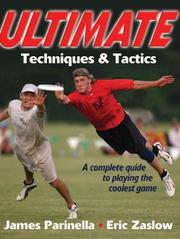
The single most canonical ultimate frisbee book in print — co-authored by elite players, it covers throws, catches, cuts, and positioning with clear progressions that build directly on basic vocabulary already established.
Cutting, Offense & Field Strategy
IntermediateUnderstand offensive systems (vertical stack, horizontal stack, spread offense), cutting lanes, handler-cutter relationships, and how to read a defense to create open looks.
▸ Study plan for this stage
Pace: 4–5 weeks, ~20–25 pages/day, with 2–3 practice sessions per week on the field
- Vertical stack vs. horizontal stack: structural differences and when to deploy each formation
- Cutting lanes and spacing: how to create separation and maintain floor balance
- Handler-cutter relationships: timing, eye contact, and decision-making between thrower and receiver
- Reading defense: recognizing man, zone, and mixed coverages to exploit gaps
- Spread offense principles: using the full width and depth of the field to create throwing lanes
- Flow and rhythm in offensive movement: how continuous motion generates open looks
- Transition from defense to offense: converting turnovers into scoring opportunities
- What are the key structural differences between vertical and horizontal stacks, and when would you choose one over the other in a game situation?
- How do cutting lanes work within a stack formation, and what role does spacing play in keeping the defense honest?
- Describe the handler-cutter relationship: what signals and timing cues should a cutter read from the handler?
- How do you recognize whether a defense is playing man, zone, or mixed coverage, and what offensive adjustments should you make?
- What is the spread offense, and how does it differ from traditional stack-based systems?
- How does continuous offensive movement and flow create open looks, and what mistakes disrupt this rhythm?
- Watch game film of Leonardo's team or other elite ultimate teams; pause and identify which stack formation is being used and why
- Diagram 5–10 cutting lanes on a blank field diagram, labeling handler positions, cutter routes, and spacing zones
- Perform 3–4 live scrimmage sessions (20–30 minutes each) focusing solely on executing one stack formation with proper spacing and timing
- Film yourself or a teammate running cuts; review footage to identify when you were open vs. when you were covered, and analyze the spacing and timing that created or prevented those looks
- Practice 'read the defense' drills: stand as a handler with a live defense; call out what coverage you see and explain which cutter should be open
- Run a 5v5 transition drill: start with a turnover and execute a full offensive point, focusing on how quickly you can move from defense to offense and establish your stack
Next up: This stage equips you with the offensive systems and decision-making frameworks needed to execute plays under pressure; the next stage will build on this foundation by teaching you how to handle defensive pressure, adjust tactics mid-game, and develop advanced team chemistry and communication.

Expands from individual skills into team offensive concepts — stacks, resets, and flow — making it the natural bridge between personal technique and coordinated team offense.
Coaching a Competitive Team
ExpertDevelop the skills to design practice plans, build team culture, run competitive offensive and defensive systems, manage a roster, and prepare a team for tournament play.
▸ Study plan for this stage
Pace: 4–5 weeks, ~25–30 pages/day (approximately 180–200 pages total)
- Self 1 vs. Self 2: Understanding the difference between the critical, judgmental mind and the intuitive, performing self, and how to quiet Self 1 to unlock peak performance
- The role of trust and letting go in skill execution: How over-analysis and excessive instruction paradoxically degrade performance
- Awareness without judgment as a coaching tool: Observing and describing performance objectively rather than evaluating it
- The learning process through natural discovery: How players learn more effectively through exploration and feedback rather than rigid instruction
- Concentration and presence: Techniques for helping athletes focus on the present moment rather than past mistakes or future outcomes
- Applying mental principles to team dynamics: How coaching philosophy shapes player confidence, autonomy, and intrinsic motivation
- The connection between relaxation, breathing, and performance: Physiological and psychological techniques for managing pressure
- What is the distinction between Self 1 and Self 2, and how does this concept apply to coaching ultimate frisbee players?
- Why does excessive verbal instruction sometimes harm athletic performance, and what alternative coaching approach does Gallwey propose?
- How can you use 'awareness without judgment' to give feedback to your team during practice and competition?
- What are three specific mental techniques from the book you could teach your ultimate team to improve focus and reduce performance anxiety?
- How would you design a practice environment that encourages natural learning and discovery rather than rote instruction?
- What role does trust play in building a high-performing competitive ultimate team, according to Gallwey's philosophy?
- Read and annotate Part One (The Problem) and Part Two (The Inner Game) in detail, highlighting passages that directly relate to coaching team sports and managing player psychology
- Conduct a 'Self 1 vs. Self 2' audit: Record yourself coaching a practice session, then review it and identify moments where you were activating Self 1 (judgment, criticism) versus Self 2 (trust, observation). Write a reflection on what you observe
- Design a practice drill for your ultimate team that emphasizes discovery and awareness over explicit instruction—run it with your team and document how players respond differently
- Practice giving 'non-judgmental feedback' to three teammates or players: Describe what you observed without evaluating it as good or bad, then ask them what they notice about their own performance
- Create a 'focus cue' or breathing routine inspired by Gallwey's concentration techniques and teach it to your team; track whether it improves performance in high-pressure situations
- Write a one-page coaching philosophy statement that incorporates at least three key principles from The Inner Game of Tennis, explaining how you'll apply them to your competitive ultimate team
Next up: This stage establishes the mental and psychological foundation for coaching—teaching you how to unlock player potential through trust and awareness—which you'll now apply to the concrete tactical and strategic systems needed to run competitive offensive and defensive schemes in ultimate frisbee.
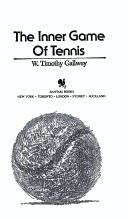
The foundational sports-psychology text used by elite ultimate coaches worldwide — teaches how to coach mental performance, reduce self-interference, and build player confidence under pressure.
Discussion
Keep reading
Paths that share books, cover the same subject, or open a related topic.