The single most useful thing to understand about lacrosse is that the word covers several genuinely different games. Men's field lacrosse allows body checking and uses hard equipment. Women's field lacrosse restricts stick and body contact heavily, uses shallower pockets, and has different field markings and eyewear rules. Box lacrosse is played indoors on a hockey-sized floor with five runners and a goalie in oversized pads, and it produces a completely different offensive skill set. And behind all three is the Haudenosaunee game they descend from, which is not a sport in the modern sense at all.
That is why reading order matters here more than it would for a sport with one rulebook. If you learn the game from a men's field text and then coach a girls' team, you will teach illegal contact and unusable stick technique. This path takes the origins first, then the classic instructional, then the two variants that most readers actually need.
Begin with where the game comes from
Creator's Game by Allan Downey is a scholarly history, not a coaching manual, and it should still be the first thing you read. It traces lacrosse from Haudenosaunee ceremonial and medicine game through its appropriation and codification by Canadian settlers in the nineteenth century, and then through Indigenous athletes' long reclamation of it, up to the Iroquois Nationals competing internationally under Haudenosaunee passports. Reading it changes how you talk about the sport, and it is well written enough to be a pleasure rather than a duty.
The classic instructional
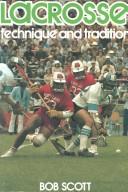
Lacrosse by Bob Scott is the field-lacrosse text that a generation of coaches learned from — Scott coached at Johns Hopkins, and the book is organised around fundamentals: cradling, passing, catching under pressure, dodging, shooting mechanics, and then team offense and defense concepts. Parts of the equipment and rules discussion are dated, and you should check current rules against your governing body rather than the book. The skill instruction has held up remarkably well.
The women's game on its own terms
Coaching Girls' Lacrosse by Janine Tucker is not a variant appendix; it is a separate curriculum, which is exactly right. Tucker covers the different stick work that shallow pockets demand, the free-position restart, the marking and shooting-space rules that govern defense, and practice planning for a game where the contact rules make positioning matter more than physicality. If you are coaching or playing the women's game, read this one instead of assuming you can adapt the men's material.
Then take it indoors
Box lacrosse by Jim Hinkson covers the indoor game, and it is the most tactically distinctive book on the list. Box is a tight-space, high-repetition game: picks and rolls, quick-stick finishing, working against a goalie who takes up most of the net, and shifts rather than continuous play. Many of the best field players credit box for their finishing, so this is worth reading even if you never play indoors.
A note on the obvious: coaching is a credentialed activity in most jurisdictions, and concussion protocols, equipment standards, and certification requirements come from your national or state governing body, not from a book. These four build your understanding of the game; the safety and certification side sits with your association.
Four books, four versions of the same sport, and a much clearer sense of which one you are actually playing.
Follow the full ordered path here: How to Learn Lacrosse from Books, in Order.