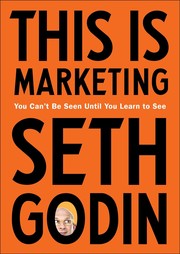
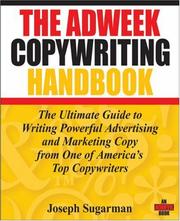
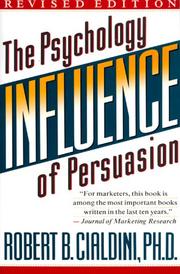
Best Books to Learn Affiliate Marketing (in Order)
This curriculum takes a complete beginner from zero to running a profitable affiliate marketing business by building skills in the exact order they're needed: mindset and business model first, then niche and content strategy, then SEO and traffic, and finally email funnels and passive income optimization. Each stage unlocks the vocabulary and tactics required for the next, so no step feels overwhelming or out of context.
Foundations: Business Model & Mindset
BeginnerUnderstand how affiliate marketing works as a business, how money is made online, and develop the entrepreneurial mindset needed to stay consistent through the early stages.
▸ Study plan for this stage
Pace: 4–5 weeks, ~25–30 pages/day (approximately 2 weeks per book with time for reflection and exercises)
- Lean startup principles: starting with minimal resources and testing ideas quickly before scaling
- The value ladder: how to structure offers from low-ticket to high-ticket products to maximize customer lifetime value
- Finding your niche and target audience: identifying a specific problem you can solve profitably
- The importance of a compelling hook and narrative: how to communicate your offer's unique value proposition
- Monetization models: understanding how to make money online through multiple revenue streams
- The entrepreneurial mindset: embracing failure as learning, staying consistent despite slow early progress, and thinking long-term
- Building an email list and funnel: the foundation of sustainable online business and customer relationships
- The role of psychology and persuasion in marketing: understanding what drives buying decisions
- What are the core principles of the lean startup approach, and how can you apply them to launch an affiliate marketing business with minimal capital?
- How does the value ladder work, and why is it essential for building a sustainable affiliate marketing business rather than relying on single transactions?
- What makes a niche selection 'profitable,' and how do you identify a target audience with a genuine problem you can solve?
- What is a sales funnel, and how does it differ from simply promoting products directly to cold audiences?
- How does building an email list create a competitive advantage in affiliate marketing, and what role does it play in long-term business growth?
- What mindset shifts are necessary to succeed in affiliate marketing, especially during the slow early stages when results are minimal?
- Identify 3 potential niches based on your skills, interests, or expertise; research each for audience size, competition, and profitability using tools like Google Trends and keyword research
- Write a one-page 'business model canvas' for a hypothetical affiliate marketing business: define the problem, target customer, solution, and how you'd make money
- Create a simple value ladder for a niche of your choice: outline 3–5 offers ranging from free/low-cost to premium, showing how customers would progress upward
- Draft a compelling 'hook' or headline for an affiliate offer in your chosen niche; test it by explaining it to 2–3 people and gathering feedback on clarity and appeal
- Set up a basic email capture mechanism (e.g., a simple landing page with Mailchimp or ConvertKit) to practice building an email list, even if you don't launch yet
- Document your 'why': write down your personal motivation for pursuing affiliate marketing and revisit it weekly to maintain consistency through slow early progress
Next up: This foundation equips you with the business model logic and psychological principles needed to move into the next stage, where you'll learn the tactical execution: choosing affiliate programs, creating content, driving traffic, and optimizing conversions.
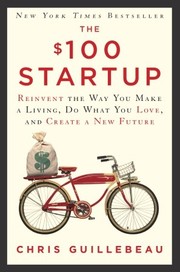
Demystifies building a lean online business from scratch, giving beginners a realistic mental model of how value, audience, and income connect — the exact foundation affiliate marketing is built on.
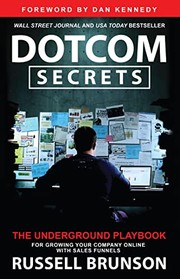
Introduces core online marketing concepts — funnels, offers, traffic, and value ladders — that underpin every affiliate strategy you'll study later. Read this second to gain the vocabulary for the rest of the curriculum.
Niche Selection & Content Strategy
BeginnerLearn how to identify a profitable, low-competition niche, understand your target audience deeply, and plan content that attracts buyers rather than just browsers.
▸ Study plan for this stage
Pace: 4–5 weeks, ~25–30 pages/day. Week 1–2: "Superfans" (approx. 250 pages); Week 3–5: "They Ask You Answer" (approx. 350 pages), with 2–3 days for integration exercises at the end.
- Building genuine audience connection through deep understanding of your audience's values, fears, and aspirations (Superfans core thesis)
- The 'Superfan' framework: how to create raving fans rather than passive consumers by aligning your niche with authentic passion and expertise
- The 'They Ask, You Answer' methodology: using customer questions as the foundation for content strategy to attract buyers, not just browsers
- Identifying profitable niches by researching what questions your target audience is actively asking and what problems they're trying to solve
- Content pillars and topic clusters: organizing your content around core themes that address buyer intent at each stage of the customer journey
- The difference between content for browsers vs. content for buyers: how to create educational content that builds trust and moves prospects toward purchase
- Audience research techniques: surveys, interviews, forums, and social listening to uncover the real questions and pain points of your niche
- Long-form, answer-driven content as a competitive advantage in affiliate marketing
- What is a 'Superfan' according to Pat Flynn, and why are Superfans more valuable to an affiliate marketer than a large but disengaged audience?
- How does Marcus Sheridan's 'They Ask, You Answer' approach differ from traditional content marketing, and why is it particularly effective for affiliate marketing?
- Walk through the process of identifying a profitable niche: what research methods would you use, and what signals indicate a niche has buyer intent?
- How would you structure a content strategy around the questions your target audience is asking? Provide a concrete example from your chosen niche.
- What is the difference between content designed to attract browsers and content designed to attract buyers? Give examples of each.
- How would you use audience research (surveys, interviews, forums) to validate both niche selection and content ideas before investing heavily?
- Read 'Superfans' and identify 3–5 core values, fears, or aspirations of a potential audience you're interested in. Write a 1-page audience persona based on these insights.
- Conduct a 'They Ask, You Answer' audit: spend 2–3 hours researching your target niche using Google search suggestions, Reddit, Quora, and YouTube comments. Compile a list of at least 30 real questions your audience is asking.
- Map your 30+ questions into a content pillar structure (3–5 main pillars, with 5–8 sub-topics per pillar). Identify which questions indicate buyer intent vs. browser intent.
- Write 2–3 long-form content outlines (1,500–2,500 words each) answering high-intent questions from your niche. Focus on educational value that builds trust and positions you as an authority.
- Conduct a mini-audience interview: reach out to 3–5 people in your target niche (via email, social media, or forums) and ask them 5–7 open-ended questions about their biggest challenges. Synthesize findings into a 1-page report.
- Create a competitive content gap analysis: identify 5 competitors in your niche and map what questions they're answering. Identify 3–5 high-intent questions they're NOT addressing—these are your content opportunities.
Next up: Mastering niche selection and audience-driven content strategy positions you to move into the next stage—building your platform and monetization model—with a clear understanding of who you're serving and what problems you're solving, making your monetization efforts far more effective and sustainable.

Pat Flynn is one of the most trusted voices in affiliate marketing; this book teaches how to deeply understand and serve a niche audience, which is the single most important skill before writing a word of content.

Provides a proven framework for identifying exactly what questions your niche audience is searching for and building content around buyer intent — directly applicable to affiliate review and comparison content.
SEO & Organic Traffic
IntermediateMaster keyword research, on-page SEO, and link-building well enough to rank affiliate content on Google and drive consistent free traffic to your offers.
▸ Study plan for this stage
Pace: 8–10 weeks, ~40–50 pages/day (mix of reading and active note-taking). Week 1–4: "The Art of SEO" (deep dive into technical foundations); Week 5–8: "Product-Led SEO" (apply frameworks to affiliate strategy); Week 9–10: Integration and hands-on audits.
- Keyword research methodology: intent-based selection, search volume vs. competition analysis, and long-tail keyword targeting for affiliate niches
- On-page SEO fundamentals: title tags, meta descriptions, header hierarchy, keyword placement, and content structure that satisfies search intent
- Technical SEO essentials: site architecture, crawlability, indexation, page speed, mobile-friendliness, and structured data markup
- Link-building strategies: earning backlinks through content quality, relationship-building, and understanding domain authority and anchor text
- Product-led SEO approach: aligning SEO strategy with product value, creating content that drives users toward conversion, not just traffic
- Content optimization for affiliate conversions: balancing keyword rankings with user intent and offer relevance to maximize commission potential
- Competitive analysis and gap identification: reverse-engineering competitor rankings and finding underserved affiliate opportunities
- Measurement and iteration: tracking rankings, organic traffic, click-through rates, and conversion metrics to refine strategy
- How do you conduct keyword research that balances search volume, competition, and commercial intent for affiliate offers?
- What are the key on-page SEO elements that signal content relevance to Google, and how do you optimize them without keyword stuffing?
- Explain the relationship between technical SEO and organic rankings—what are the non-negotiable technical foundations for an affiliate site?
- What is the product-led SEO framework, and how does it differ from traditional SEO approaches? How does it improve affiliate conversion rates?
- How do you build high-quality backlinks for an affiliate site, and what role does content quality play in earning links naturally?
- Walk through a complete SEO audit of an affiliate page: what metrics would you check, and what changes would you prioritize?
- Conduct a keyword research project for a specific affiliate niche using tools like Ahrefs or SEMrush; document search volume, keyword difficulty, and commercial intent for 20+ target keywords
- Optimize 3–5 existing affiliate pages using on-page SEO principles: rewrite title tags, meta descriptions, headers, and content structure; track ranking changes over 4 weeks
- Perform a technical SEO audit on your affiliate site using Screaming Frog or Google Search Console; identify and fix crawlability, indexation, and speed issues
- Create a competitive analysis spreadsheet: reverse-engineer the top 5 ranking pages for your target keyword; analyze their backlink profiles, content structure, and on-page optimization
- Build a content gap analysis: identify keywords your competitors rank for but you don't; prioritize 10 new content opportunities aligned with your affiliate offers
- Execute a link-building campaign for one high-value affiliate page: reach out to 20+ relevant websites, guest post opportunities, or resource pages; document outreach results
- Apply the product-led SEO framework to one affiliate offer: map the user journey from search intent → content → product page; optimize each touchpoint for conversion, not just ranking
Next up: This stage equips you with the technical and strategic skills to rank affiliate content and drive consistent organic traffic; the next stage will focus on converting that traffic into commissions through persuasive copywriting, funnel optimization, and audience trust-building.

The most comprehensive and widely respected SEO reference available; read it here once you have a niche and content plan so every technical concept lands in a practical context.

Shifts the mindset from chasing keywords to building an SEO strategy around genuine value — critical for affiliate sites that need to earn trust and authority to rank competitive product terms.
Email Funnels & Audience Monetization
IntermediateBuild and automate an email list, write high-converting nurture sequences, and turn subscribers into recurring affiliate commissions through trust-based selling.
▸ Study plan for this stage
Pace: 8–10 weeks, ~40–50 pages/day. Allocate 2–3 weeks per book with overlap for implementation projects.
- Email list building fundamentals: segmentation, preference centers, and list hygiene to maintain deliverability and engagement (Email Marketing Rules)
- The automated funnel architecture: lead magnets, welcome sequences, nurture tracks, and trigger-based campaigns that work 24/7 without manual intervention (Invisible Selling Machine)
- Psychological principles of persuasion: reciprocity, scarcity, authority, and social proof applied to email copy to increase open rates and click-through rates (Copywriting Secrets)
- High-converting email sequences: structure, timing, and storytelling techniques that build trust and naturally position affiliate offers (Email Marketing Rules + Copywriting Secrets)
- Monetization mechanics: identifying affiliate products that align with your audience, writing benefit-driven copy, and tracking ROI per email campaign (Invisible Selling Machine)
- Copy frameworks and formulas: AIDA, PAS, and storytelling structures that transform generic emails into persuasive, action-oriented messages (Copywriting Secrets)
- Testing and optimization: A/B testing subject lines, send times, and call-to-action placement to continuously improve conversion rates (Email Marketing Rules)
- Building subscriber trust through value-first positioning: delivering genuine help before any monetization attempt to create long-term recurring commissions (Invisible Selling Machine + Copywriting Secrets)
- What are the core components of an automated email funnel, and how does each stage (lead magnet → welcome sequence → nurture track → monetization) serve a specific purpose in converting subscribers to affiliate customers?
- How do you segment an email list effectively, and what role does segmentation play in increasing open rates, click-through rates, and affiliate commission conversions?
- What are the key psychological principles of persuasion (reciprocity, scarcity, authority, social proof), and how do you apply them specifically in affiliate-focused email copy?
- What makes a subject line high-converting, and how do you test subject lines to determine which ones drive the most opens and engagement?
- How do you structure a high-converting nurture sequence that builds trust over time and naturally introduces affiliate offers without damaging subscriber relationships?
- What are the main copywriting frameworks (AIDA, PAS, storytelling), and when should you use each one in different types of emails (welcome, educational, promotional)?
- How do you identify affiliate products that align with your audience's needs, and what metrics should you track to measure the ROI of each email campaign?
- Audit your current email list (or create one from scratch): document your segmentation strategy, list size, engagement metrics, and identify gaps in your current funnel architecture.
- Design a complete automated funnel: create a lead magnet offer, map out a 7–10 email welcome sequence with specific subject lines and email hooks, and plan a 4-week nurture track with 2–3 affiliate product recommendations.
- Write 5 subject lines for the same email using different psychological principles (reciprocity, scarcity, authority, curiosity, social proof) and test them with a small segment to measure open rate differences.
- Rewrite an existing promotional email using the AIDA or PAS framework: identify the problem, build desire through storytelling, and craft a benefit-driven call-to-action for an affiliate product.
- Create a 30-day email sequence outline with specific email types: 2 educational/value emails, 2 storytelling emails, 1 social proof email, and 1 affiliate recommendation email; include subject lines and key copy points for each.
- Conduct an A/B test on a send time, subject line, or call-to-action button text with your email list; document the hypothesis, results, and what you learned about your audience's preferences.
Next up: Mastering email funnels and audience monetization equips you with a predictable, repeatable system to generate recurring affiliate income—the foundation for scaling to paid traffic, building your own products, and creating a sustainable online business in the next stage.

The definitive guide to email marketing best practices — deliverability, list hygiene, segmentation, and automation — giving you the technical and strategic foundation before writing a single sequence.

Lays out a complete automated email funnel system (indoctrination, engagement, ascension) that maps perfectly onto affiliate promotions, making it the ideal follow-up once you understand email fundamentals.

Teaches persuasive writing formulas for emails, landing pages, and reviews — the last skill needed to convert warm subscribers into affiliate buyers without feeling pushy or salesy.
Scaling to Passive Commission Income
ExpertSystematize and scale your affiliate business so it generates compounding, largely passive income — through outsourcing, advanced funnel optimization, and building durable digital assets.
▸ Study plan for this stage
Pace: 8–10 weeks, ~40–50 pages/day (mix of reading and implementation work). Allocate 4–5 weeks to "The 4-Hour Workweek," then 4–5 weeks to "Expert Secrets," with 1–2 weeks for integration and testing.
- Automation and delegation (DEAL framework: Definition, Elimination, Automation, Liberation) to free up time and reduce operational overhead
- Building systems and processes that run without your direct involvement, creating true passive income streams
- The funnel architecture: Lead magnet → Sales funnel → Upsells/continuity, as the backbone of scalable affiliate revenue
- Positioning yourself as an expert and building a personal brand that commands trust and premium affiliate recommendations
- Creating and selling your own digital products (courses, memberships) alongside affiliate promotions to diversify and increase lifetime customer value
- Email marketing and audience nurturing as the core asset that compounds in value over time
- Outsourcing and building a lean team to handle fulfillment, customer service, and funnel management
- Testing, optimization, and data-driven decision-making to scale what works without guesswork
- How would you apply the DEAL framework (Definition, Elimination, Automation, Liberation) to your current affiliate business to reduce time spent on non-revenue tasks?
- What are the key stages of a sales funnel, and how do you integrate affiliate offers at each stage without appearing pushy or inauthentic?
- How does building a personal brand and positioning yourself as an expert increase the effectiveness and profitability of your affiliate recommendations?
- What is the relationship between your email list and passive income, and why is list-building a non-negotiable priority in scaling?
- How would you create a simple digital product (lead magnet, course, or membership) that complements your affiliate offers and increases customer lifetime value?
- What metrics should you track to know whether your funnel is optimized, and how do you decide what to test next?
- Map your current affiliate business using the DEAL framework: list all tasks, identify what to eliminate, automate, or delegate. Create a 90-day action plan to reduce your weekly hours by 50%.
- Design a complete sales funnel for one of your affiliate niches: define the lead magnet, the email sequence (5–7 emails), the core offer, and 2–3 upsells. Write out the copy for at least 3 emails.
- Audit your personal brand and positioning: write a 1-page 'expert positioning statement' that explains why someone should trust your affiliate recommendations over generic reviews.
- Build and launch a simple lead magnet (checklist, template, mini-course, or guide) in your niche and set up an automated email sequence to deliver it and nurture subscribers.
- Document one business process (e.g., customer onboarding, email campaign launch, affiliate link management) in a step-by-step SOP and identify 1–2 tasks to delegate or automate.
- Create a 12-month content and funnel calendar: plan when you'll launch new lead magnets, promote affiliate products, and test new offers. Map this to your email list growth targets.
Next up: This stage equips you with the systems, funnels, and delegation strategies to run a scalable, largely passive affiliate business; the next stage will likely focus on advanced traffic generation, paid advertising, and multi-channel expansion to feed those optimized funnels with consistent, high-quality leads.

The canonical playbook for automating and outsourcing an online business so it runs without your constant involvement — essential reading once your affiliate systems are proven and ready to scale.

Teaches how to position yourself as an authority in your niche and build a movement around your brand, unlocking higher-ticket affiliate offers and recurring commission programs that compound over time.
Discussion
Keep reading
Paths that share books, cover the same subject, or open a related topic.