The Best Books on Raising Ducks, in Order
This curriculum takes you from your very first duckling to confident, experienced duck keeper — covering breeds, housing, feeding, health, and whether your goal is eggs, meat, or a thriving backyard flock. Each stage builds on the last, moving from broad orientation and hands-on basics through breed-specific and production-focused depth, and finally into the holistic, expert-level husbandry that separates good keepers from great ones.
Foundations: Getting Started with Ducks
BeginnerUnderstand what duck keeping involves, choose the right breed for your goals, and set up safe, functional housing and basic care routines before your first birds arrive.
▸ Study plan for this stage
Pace: 4–5 weeks, ~25–30 pages/day. Focus on Part 1 (Breeds & Selection) and Part 2 (Housing & Equipment) first, then Part 3 (Basic Care). This allows time for research, planning, and hands-on setup work between reading sessions.
- Duck breed characteristics and how to match breeds to your climate, space, and goals (meat, eggs, ornamental, pest control)
- Essential housing requirements: predator protection, ventilation, nesting areas, and run/pond design for different flock sizes
- Daily and seasonal care routines: feeding, watering, health monitoring, and parasite/disease prevention
- Site selection and preparation: drainage, predator-proofing, and creating a functional work flow for daily tasks
- The difference between confined housing and free-range systems, and which suits your situation
- Startup costs and ongoing expenses to budget realistically before acquiring ducks
- Legal and neighbor considerations: zoning, noise, and biosecurity basics
- Which duck breeds are best suited to your climate and goals, and what are their key characteristics (size, egg production, temperament)?
- What are the minimum housing and space requirements per duck, and how do predator threats in your area affect your design?
- What daily care tasks are non-negotiable, and how much time should you realistically budget each day?
- How do you site and prepare your duck housing to ensure good drainage, predator protection, and easy access for daily chores?
- What are the startup costs for housing, equipment, and initial birds, and what are typical ongoing feed and maintenance expenses?
- What local regulations or neighbor concerns might affect your duck-keeping plans, and how do you address them?
- Create a breed comparison chart for 3–4 breeds that match your climate and goals, noting egg/meat production, size, temperament, and cold/heat tolerance.
- Sketch a scaled site plan for your duck housing, including the coop, run, water source, predator barriers, and human access points.
- Build or source a prototype feeder and waterer, test them for durability and ease of cleaning, and note any design improvements needed.
- Calculate a realistic 12-month budget: startup costs (housing, equipment, initial birds) plus monthly feed, bedding, and maintenance expenses.
- Research local zoning laws, HOA rules, and noise ordinances; write a one-page summary of what is and isn't allowed in your area.
- Walk through a typical daily care routine (feeding, watering, health checks, egg collection) and time each task to estimate total daily commitment.
Next up: Mastering these foundations—breed selection, housing design, and care routines—equips you to confidently bring ducks home and manage their day-to-day welfare, setting the stage for the next stage's focus on nutrition, breeding, and health troubleshooting.
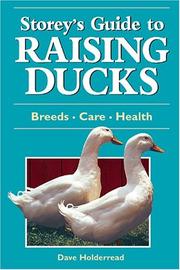
The single most authoritative and comprehensive duck-keeping book in print, written by America's foremost duck breeder. Start here — it covers breeds, housing, feeding, health, eggs, and meat in one volume and gives you the vocabulary for everything that follows.
Backyard Flock Management
BeginnerApply general small-flock and poultry-keeping principles to your duck setup, integrating ducks into a backyard or homestead context alongside other animals and garden systems.
▸ Study plan for this stage
Pace: 6–8 weeks, ~25–30 pages/day (approximately 180–200 pages total across both books)
- Integrated small-flock management: treating poultry (including ducks) as part of a closed-loop homestead system rather than isolated animals
- Housing, space, and environmental design principles that apply across poultry species, with adaptation for ducks' specific needs (water access, predator protection, ventilation)
- Nutrition and feeding strategies for small flocks, including foraged and supplemental feed sources suited to backyard settings
- Health monitoring, disease prevention, and basic veterinary care for small poultry flocks in low-input systems
- Seasonal management and breeding cycles: how to work with natural rhythms for egg production, brooding, and flock renewal
- Integrating poultry into broader homestead systems: composting, pest control, garden fertilization, and coexistence with other animals
- Practical record-keeping and decision-making for small-flock sustainability and profitability
- How can you design a duck housing system that incorporates Ussery's principles of predator protection, ventilation, and water management while fitting your specific backyard constraints?
- What are the key nutritional differences between ducks and chickens, and how would you adapt Ussery's feeding strategies (foraged foods, supplements, kitchen scraps) for a mixed-species flock?
- How do you integrate a small poultry flock into a broader homestead or garden system to maximize benefits like pest control, fertilization, and waste cycling?
- What seasonal management tasks (molting, breeding, egg production cycles) must you plan for, and how do these differ between ducks and the chickens discussed in English's book?
- How would you monitor flock health and recognize early signs of disease or stress in both ducks and chickens using low-input, observation-based methods?
- What record-keeping systems would help you track flock productivity, costs, and breeding goals to make informed decisions about your duck operation?
- Design a complete duck housing plan (coop, run, water system) using Ussery's principles; sketch it out and calculate space requirements per bird
- Create a seasonal feeding calendar for ducks integrating foraged foods, garden scraps, and purchased supplements based on Ussery's low-input approach
- Set up a simple record-keeping system (spreadsheet or notebook) to track egg production, feed costs, health observations, and breeding notes for your flock
- Visit a local small-flock operation (farm, homestead, or community garden) and interview the keeper about their integration of poultry into their broader system
- Plan a mixed-species flock scenario: design how you would house and manage both ducks and chickens together, addressing space, water, and feed differences
- Conduct a 2-week observation study of a small poultry flock (yours or a friend's), documenting daily behaviors, health signs, and environmental conditions using Ussery's and English's frameworks
Next up: This stage equips you with the foundational management skills and systems thinking needed to move into species-specific duck husbandry, where you'll deepen your knowledge of duck breeding, egg production optimization, and breed selection for your particular goals.

Though it covers poultry broadly, Ussery's deep focus on natural, pasture-based systems directly applies to ducks and teaches you to think ecologically about feed, foraging, and flock health — skills Holderread assumes you'll develop.

English's approachable homestead style and emphasis on daily routines, seasonal rhythms, and integrating poultry into a lifestyle translates well to duck keeping and builds the practical mindset needed for the next stage.
Eggs, Meat & Breed Specialization
IntermediateDevelop a production-oriented or breed-specific focus — optimizing your flock for egg laying, meat quality, or heritage breed conservation, with deeper knowledge of nutrition and breeding selection.
▸ Study plan for this stage
Pace: 6–8 weeks, ~25–30 pages/day (alternating between both books; start with Dohner's breed encyclopedia, then transition to Salatin's production methods)
- Heritage and endangered duck breeds: characteristics, history, conservation status, and why genetic diversity matters for long-term flock viability
- Breed-specific traits: egg production rates, meat quality, temperament, and environmental adaptability across different duck varieties
- Nutritional requirements for production goals: protein, energy, and mineral needs differ significantly between laying ducks, meat birds, and breeding stock
- Breeding selection principles: culling criteria, record-keeping, pedigree tracking, and how to maintain or improve breed standards while avoiding inbreeding
- Pastured production systems: rotational grazing, forage utilization, predator management, and how pasture-based methods reduce feed costs while improving product quality
- Economics of specialization: calculating feed conversion ratios, production costs per egg or pound of meat, and market positioning for heritage or pasture-raised products
- Seasonal breeding cycles and incubation: understanding natural breeding patterns, hatch rates, and how to time production for market demand
- What are the key differences between 3–4 heritage duck breeds in terms of egg production, meat yield, and temperament, and which would you choose for your specific production goal?
- How do nutritional requirements differ between a laying flock, a meat flock, and breeding stock, and what adjustments would you make to feed formulations?
- Describe a breeding selection plan for one duck breed: what traits would you prioritize, how would you keep records, and what culling decisions would you make to improve the flock over 3 years?
- How does a pastured poultry system reduce input costs and improve product quality compared to conventional confinement, and what are the main management challenges?
- Calculate the break-even point for a small pastured duck operation: what production volume and price point would you need to achieve profitability?
- What conservation role can a small-scale duck breeder play in preserving endangered breeds, and what responsibilities come with that commitment?
- Create a breed comparison chart for 4–5 duck breeds from Dohner's encyclopedia, listing egg production, meat quality, hardiness, and suitability for pasture; identify which breed aligns with your production goal
- Design a 12-month feeding plan for a 50-bird laying flock: specify feed types, quantities, and costs for each season, accounting for production peaks and molting periods
- Develop a 3-year breeding plan for one duck breed: set selection criteria, design a record-keeping system (pedigree, production data, health), and identify which birds to cull and why
- Map out a rotational grazing schedule for a pastured duck flock using Salatin's principles: determine paddock size, rotation frequency, forage types, and predator protection measures for your climate
- Build a production cost spreadsheet: track feed, housing, labor, and mortality for either an egg or meat operation; calculate cost per unit and identify the break-even production level
- Interview or research one heritage duck breed conservation program (breed club, hatchery, or farm); document their breeding goals, challenges, and how small producers can contribute
Next up: This stage transforms you from a general duck keeper into a specialized producer with deep knowledge of breed genetics, nutrition, and market-oriented systems—preparing you to tackle advanced topics like disease management, scaling operations, or integrating ducks into complex farm ecosystems in the next stage.
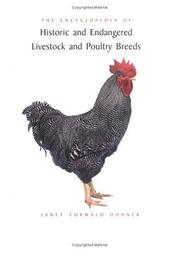
An essential reference for understanding the history, traits, and conservation status of duck breeds — critical if you want to specialize in a heritage or rare breed for eggs, meat, or exhibition.
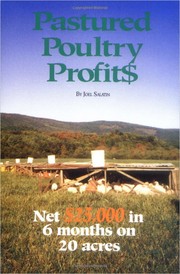
Salatin's pasture-based production model applies directly to meat duck operations and teaches you how to scale up humanely and profitably — the logical next step once your basic flock management is solid.
Health, Veterinary Care & Advanced Husbandry
ExpertDiagnose and treat common duck diseases, understand waterfowl anatomy and physiology at a deeper level, and manage flock health proactively through biosecurity, nutrition, and environmental design.
▸ Study plan for this stage
Pace: 8–10 weeks, ~40–50 pages/day (focusing on waterfowl sections; the Merck Manual is reference-dense, so expect slower, deliberate reading with frequent note-taking and cross-referencing)
- Waterfowl anatomy and physiology: respiratory system (air sacs), cardiovascular adaptations, digestive system, and reproductive anatomy specific to ducks
- Common duck diseases and their etiology: viral (duck plague, avian influenza), bacterial (pasteurellosis, colibacillosis), parasitic (internal and external), and fungal infections
- Clinical signs, differential diagnosis, and treatment protocols: how to recognize disease in individual birds and flocks, and evidence-based therapeutic approaches
- Biosecurity principles for waterfowl: quarantine procedures, sanitation, disease prevention through management, and flock-level health monitoring
- Nutritional requirements and deficiencies in ducks: protein, vitamins (especially niacin), minerals, and how diet prevents metabolic and developmental diseases
- Environmental design for health: water quality management, housing ventilation, predator protection, and stress reduction in waterfowl systems
- Pharmacology and drug administration in ducks: species-specific dosing, routes of administration, withdrawal periods, and regulatory considerations
- Necropsy and post-mortem diagnosis: how to perform basic necropsies and interpret findings to confirm disease and inform flock management decisions
- What are the unique anatomical features of the duck respiratory system, and how do these adaptations affect disease susceptibility and treatment approaches?
- How would you differentiate between duck plague (viral), avian influenza, and bacterial septicemia based on clinical signs, and what are the first-line management steps for each?
- What biosecurity measures are most critical for preventing disease introduction into a duck flock, and how would you design a quarantine protocol for new birds?
- Describe the role of nutrition in preventing common duck diseases (e.g., niacin deficiency, leg problems, immunosuppression) and how you would adjust diet for a flock showing signs of nutritional deficiency
- How would you assess water quality in a duck system, and what environmental factors (temperature, ammonia, pH) directly impact flock health?
- What is the correct dosing and administration route for a common duck antibiotic (e.g., enrofloxacin), and what withdrawal periods apply before harvesting or selling eggs?
- Create a detailed waterfowl anatomy reference sheet (diagrams or notes) covering the respiratory system, digestive tract, reproductive organs, and cardiovascular system; cross-reference with clinical disease presentations
- Develop a flock health monitoring checklist: daily observation points (behavior, feed intake, water consumption, droppings), weekly assessments, and red flags that warrant veterinary consultation
- Design a biosecurity protocol for your own or a hypothetical duck operation: include quarantine procedures, visitor protocols, equipment sanitation, and disease reporting procedures
- Perform a mock necropsy on a culled or naturally deceased duck (if available) or study necropsy images/videos from university extension resources; document findings and practice differential diagnosis
- Analyze a case study: given a flock showing specific clinical signs (e.g., lameness, respiratory distress, poor growth), use the Merck Manual to work through differential diagnosis, likely causes, and treatment/prevention steps
- Create a nutrition and disease prevention matrix: list 5–6 common duck diseases and the dietary/environmental factors that predispose or protect against each; identify gaps in your current management
Next up: Mastery of disease recognition, treatment, and prevention establishes the foundation for the next stage—whether that is specialized breeding and genetics, commercial production scaling, or advanced record-keeping and flock economics—because a healthy flock is the prerequisite for all downstream goals.

The gold-standard veterinary reference for livestock and poultry health — use it to look up any disease, parasite, or nutritional deficiency you encounter in your flock with clinical precision.
Discussion
Keep reading
Paths that share books, cover the same subject, or open a related topic.