The Best Books on Raising Pigs, in Order
This curriculum takes a beginner from zero pig experience to confident small-farm hog stewardship across four progressive stages. It starts with the big picture of pig behavior and basic husbandry, then drills into breed selection and housing, advances into feeding systems and pasture management, and finally tackles health, finishing, and the full production cycle — each stage building the vocabulary and confidence needed for the next.
Foundations: Understanding Pigs
BeginnerGrasp pig behavior, basic needs, and what small-farm pig keeping really involves before spending a dollar or building a fence.
▸ Study plan for this stage
Pace: 4–5 weeks, ~25–30 pages/day (approximately 150–170 pages total across both books)
- Pig temperament, social behavior, and communication—how pigs think and interact with each other and humans
- Nutritional requirements and feed types—what pigs need to eat and why, from piglets to market weight
- Housing, shelter, and space requirements—minimum standards for health and welfare in small-scale systems
- Health management basics—common diseases, parasites, and preventive care without relying on antibiotics
- Breed selection and genetics—which breeds suit small farms and what traits matter for your goals
- Daily care routines and labor requirements—realistic time commitment and seasonal considerations
- Water, sanitation, and waste management—often-overlooked essentials for pig health and farm sustainability
- Economic fundamentals—startup costs, feed expenses, and break-even analysis for small-scale operations
- What are the main personality and social traits of pigs, and how do these influence housing and handling decisions?
- What are the minimum space, shelter, and environmental conditions pigs need to stay healthy and content?
- What do pigs eat at different life stages, and how do you calculate feed costs for a small operation?
- What are the most common health problems in small-farm pigs, and what preventive measures can you take without antibiotics?
- Which pig breeds are best suited to small-scale farming, and what are the trade-offs between heritage and commercial breeds?
- What is a realistic daily and seasonal time commitment for raising pigs on a small farm, and what are the main labor bottlenecks?
- Create a detailed housing plan for 3–5 pigs on a small farm: sketch a layout, calculate space per pig, and list materials needed based on Klober's and Van Loon's recommendations
- Design a weekly feed budget for a growing pig from weaning to market weight, including grain, forage, and kitchen scraps; compare costs across feed types mentioned in the books
- Interview or shadow a small-scale pig farmer for 2–3 hours; observe daily routines, ask about unexpected challenges, and compare their setup to the books' guidance
- Build or modify a simple feeder and waterer prototype using scrap materials; test it with water or feed to ensure it minimizes waste and spillage
- Write a health-monitoring checklist for weekly pig inspections, covering body condition, coat, behavior, and signs of illness based on the disease sections in both books
- Create a 12-month calendar for a small pig operation: mark breeding/farrowing windows, feed transitions, parasite treatments, and labor peaks based on Van Loon's and Klober's seasonal guidance
Next up: This foundation in pig behavior, nutrition, health, and realistic labor demands equips you to move into the next stage—practical setup and management—where you'll apply these principles to build infrastructure, source quality stock, and execute your first season with confidence.

The single most recommended beginner-to-intermediate reference on the subject — covers breeds, housing, feeding, and health in plain language. Read this first to get the full map of what pig raising entails.

A classic homestead-focused guide written specifically for the small-farm context. Its conversational tone and emphasis on low-cost, practical setups perfectly complements Klober's more encyclopedic approach.
Breeds, Housing & Fencing
BeginnerChoose the right breed for your goals and climate, and design functional, low-stress housing and fencing systems.
▸ Study plan for this stage
Pace: 2–3 weeks, ~20–25 pages/day. This is a technical, practical book with diagrams and specifications that require careful study and note-taking; allow time to review housing designs and fencing layouts.
- Breed selection criteria: growth rate, feed efficiency, temperament, and climate adaptation for your production goals
- Housing design principles: space requirements, ventilation, temperature control, and stress reduction for different pig life stages
- Flooring types and their impact on pig welfare, health, and ease of management
- Fencing systems: materials, height, durability, and containment strategies for different pig types and purposes
- Water and feed systems integration within housing to minimize labor and maximize pig health
- Outdoor housing and pasture management as alternatives or supplements to confinement systems
- What are the key differences between breeds in terms of growth rate, feed conversion, and suitability for your climate and production system?
- How do space allowances, ventilation rates, and temperature ranges differ for piglets, growers, and breeding stock, and why?
- What are the advantages and disadvantages of different flooring materials (concrete, slats, straw) for pig health and management?
- How should you design fencing to contain pigs safely while minimizing stress and escape risk?
- What are the essential features of a functional water and feed delivery system within a housing setup?
- How do outdoor and pasture-based housing systems differ from confinement systems, and when is each appropriate?
- Create a breed selection matrix for your climate and production goals (meat, breeding, or mixed), comparing 3–4 breeds on growth rate, feed efficiency, and temperament
- Sketch a floor plan for a small-scale pig housing unit (for 10–20 pigs) showing pen layout, space allocations, and ventilation pathways based on Sainsbury's guidelines
- Calculate space and ventilation requirements for a mixed-age pig group and specify equipment needed (feeders, waterers, bedding depth)
- Visit or photograph a local pig farm and evaluate its housing and fencing against Sainsbury's best-practice standards; document gaps and improvements
- Design a fencing layout for a 1-acre pasture system, specifying materials, height, and maintenance schedule for rotational grazing
- Build or source a small-scale model feeder or waterer system and test it for functionality, durability, and ease of cleaning
Next up: Mastering breed selection, housing design, and fencing systems establishes the physical foundation for pig health and productivity; the next stage will build on this by addressing daily management practices, nutrition, and health protocols that operate within these systems.

A thorough, practical treatment of pig housing design — ventilation, bedding, pen layout, and welfare considerations. Reading it after the overview books lets you apply specific concepts to your own farm plan.
Feeding, Pasture & Foraging Systems
IntermediateDesign cost-effective feeding programs and manage pasture rotation so pigs thrive on forage while building rather than destroying land.
▸ Study plan for this stage
Pace: 6–8 weeks, ~25–30 pages/day, with 1–2 days per week for reflection and exercise work
- Pasture-based pig production systems and rotational grazing principles that improve soil health rather than degrade it
- Forage quality assessment and seasonal availability for pig nutrition across different climates and farm types
- Cost-effective feed formulation using locally-sourced and foraged ingredients to reduce purchased feed dependency
- Pasture rotation timing, stocking density, and recovery periods to prevent overgrazing and maintain long-term land productivity
- Integration of pigs into broader farm ecosystems (crop rotation, waste management, soil building) rather than isolated operations
- Practical systems design: water infrastructure, shelter placement, and fencing for mobile or semi-mobile pig operations
- Economic analysis of pasture-based vs. confinement feeding to understand true cost-per-pound-of-gain in different contexts
- How do rotational grazing systems for pigs differ from continuous pasture grazing, and what are the soil and forage recovery benefits of each approach?
- What are the key nutritional requirements for pigs at different growth stages, and how can forage and locally-sourced feeds meet these needs cost-effectively?
- How do you calculate stocking density and rotation intervals for pasture-based pig systems to prevent land degradation while maintaining profitability?
- What infrastructure (water, shelter, fencing) is essential for a functional pasture-based pig operation, and how do design choices affect labor and feed costs?
- How can pigs be integrated into a diversified farm system to build soil, manage crop residues, and reduce overall feed costs?
- What are the true economic trade-offs between pasture-based and confinement feeding systems, and how do you evaluate which fits your farm context?
- Design a 12-month pasture rotation plan for 20–30 pigs on a 2–5 acre property, specifying paddock size, rotation intervals, and recovery periods based on your local forage growth rates
- Conduct a forage quality assessment: identify 3–5 forage species available on or near your farm, research their nutritional content, and estimate seasonal availability for pig feeding
- Create a cost-comparison spreadsheet: calculate feed costs for a 50-pound pig to market weight using (a) conventional grain-based feed and (b) a forage + locally-sourced ingredient mix, including labor
- Map your farm or a case-study property: identify suitable pasture areas, water sources, shelter locations, and fencing needs for a pasture-based pig operation; sketch a basic infrastructure plan
- Develop a simple feed formulation using ingredients from 'Dirt Hog' or 'The Lean Farm' examples: balance protein, energy, and minerals for a growing pig using available local feeds
- Interview a pasture-based pig farmer (or research a detailed case study from the books): document their rotation schedule, feed costs, land impact, and profitability metrics; compare to your own design
Next up: This stage equips you with the systems-level thinking and economic tools to design sustainable, profitable pig operations; the next stage will likely deepen your ability to troubleshoot health, breeding, and market-readiness challenges within these systems.

Klober's dedicated book on pasture-based and sustainable hog production — the natural next step after his introductory guide. It goes deep on rotational grazing, cover crops, and reducing feed costs with foraging.

Though not pig-specific, this book teaches small-farm efficiency and systems thinking that directly applies to feed budgeting, labor flow, and pasture infrastructure — essential reading before scaling up.
Health, Finishing & the Full Production Cycle
ExpertPrevent and recognize common diseases, manage reproduction, and take pigs confidently from birth (or weaning) through a healthy, well-finished harvest.
▸ Study plan for this stage
Pace: 4–5 weeks, ~25–30 pages/day, with 2–3 days per week dedicated to hands-on observation and practice
- Common swine diseases (respiratory, digestive, parasitic) and their prevention through biosecurity, vaccination, and sanitation protocols
- Early disease recognition through observation of behavior, appetite, growth rate, and physical symptoms
- Reproductive management including estrus detection, breeding timing, gestation care, and farrowing preparation
- Nutrition and feed management across all life stages (piglets, growers, finishers) to support health and growth
- Environmental management (housing, temperature, ventilation, space requirements) as foundational to disease prevention
- Weaning protocols and post-weaning stress management to minimize mortality and illness
- Finishing strategies to achieve market-ready weight and carcass quality while maintaining animal welfare
- Record-keeping and herd health monitoring to track performance and identify emerging problems early
- What are the three most common respiratory diseases in pigs, and what early signs would alert you to their presence in your herd?
- How do you establish and maintain a biosecurity protocol to prevent disease introduction, and what are the critical checkpoints?
- What are the key indicators of estrus in gilts and sows, and how should you time breeding for optimal conception?
- Describe the nutritional requirements and feeding strategy for a pig from weaning through market weight, including any supplements or additives Kellogg recommends
- What environmental conditions (temperature, ventilation, space, bedding) are necessary to support pig health at each production stage?
- How do you recognize signs of parasitic infection or digestive upset, and what corrective actions should you take?
- Set up a simple herd health record system (spreadsheet or notebook) tracking births, vaccinations, illnesses, and treatments for at least one breeding cycle; practice entering and reviewing data weekly
- Conduct a biosecurity audit of your own or a partner's pig operation: map entry points, identify gaps, and draft a written protocol addressing feed storage, visitor access, equipment sanitation, and quarantine procedures
- Observe and document estrus behavior in a gilt or sow over 2–3 weeks; record behavioral changes, physical signs, and timing to practice recognizing the optimal breeding window
- Design a feeding plan for a cohort of 10 piglets from weaning (8 weeks) through market weight (250 lbs), specifying feed type, quantity, schedule, and any medications or supplements based on Kellogg's recommendations
- Perform a housing and environmental assessment: measure temperature, ventilation airflow, space per pig, and bedding condition; identify any deficiencies and propose corrections
- Practice disease identification by reviewing photos or videos of common swine ailments (scours, respiratory distress, lameness, skin lesions) and writing a brief diagnosis and response plan for each
Next up: This stage equips you with the knowledge and hands-on skills to run a healthy, productive pig operation through the full production cycle; the next stage will likely deepen your expertise in specialized areas such as advanced genetics, market optimization, or scaling operations profitably.
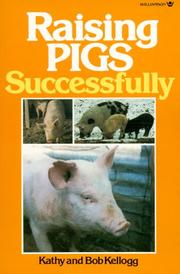
Focuses on the full production arc — breeding, farrowing, growing, and finishing — tying together everything learned in earlier stages into a coherent season-by-season management plan for the small producer.
Discussion
Keep reading
Paths that share books, cover the same subject, or open a related topic.