The Best Books on Raising Rabbits, in Order
This curriculum takes a beginner from zero rabbit knowledge to confident homestead-scale production across meat, fiber, and pet keeping. Each stage builds on the last — starting with the essentials of rabbit biology and daily care, moving into housing and husbandry systems, then branching into specialized production goals, and finally reaching the advanced knowledge needed to breed selectively and manage a sustainable rabbitry.
Foundations: Understanding Rabbits
BeginnerUnderstand rabbit biology, behavior, basic needs, and what daily care actually looks like before committing to a setup.

The single most widely recommended starting point for homestead rabbit keeping — covers breeds, housing, feeding, health, and breeding in plain language. Read this first to build the full vocabulary of rabbit husbandry.
Housing & Daily Management
BeginnerDesign and build appropriate housing, establish feeding routines, and manage a small rabbitry efficiently and humanely.
▸ Study plan for this stage
Pace: 4–5 weeks, ~20–25 pages/day (focusing on the rabbit chapters)
- Housing requirements: space, ventilation, temperature control, and predator protection for rabbits
- Hutch design and construction: materials, dimensions, and essential features (nesting boxes, ramps, doors)
- Daily feeding routines: hay, pellets, fresh vegetables, water systems, and portion control
- Sanitation and bedding management: cleaning schedules, waste disposal, and disease prevention
- Environmental enrichment and behavioral needs: exercise space, hiding areas, and social requirements
- Health monitoring and basic care: recognizing signs of illness, nail trimming, and fur maintenance
- Record-keeping systems: tracking feed costs, health notes, and breeding information
- What are the minimum space requirements for a single rabbit, and how should you adjust housing for multiple rabbits?
- How would you design a hutch to ensure proper ventilation while protecting rabbits from predators and extreme weather?
- What should a daily feeding routine include, and how do you determine appropriate portion sizes for different rabbit breeds?
- What is the most efficient cleaning schedule for rabbit housing, and what materials work best for bedding?
- How do you recognize signs of illness or stress in rabbits, and what basic health checks should you perform regularly?
- What records should you maintain for a small rabbitry, and why is this information valuable?
- Sketch or build a small hutch design on paper, labeling all essential components (nesting box, food/water areas, ventilation, predator barriers)
- Create a daily feeding and watering checklist for a hypothetical rabbit, including quantities and types of feed based on breed and season
- Research and compare 3–4 different bedding materials (straw, wood shavings, paper-based) and write a one-page comparison of pros/cons for rabbit housing
- Design a weekly cleaning and sanitation schedule for a small rabbitry with 2–3 hutches, including waste management
- Observe or photograph a real rabbit (in person or online) and document signs of health and behavior for 15 minutes, noting posture, eating habits, and activity level
- Build or modify an actual small hutch or enclosure (even a temporary one) and test it for ventilation, predator-proofing, and ease of cleaning
Next up: This stage equips you with the practical infrastructure and daily routines needed to keep rabbits healthy and comfortable; the next stage will build on this foundation by teaching you how to select, breed, and manage rabbits for specific purposes (meat, fiber, or show).

Places rabbits in the broader homestead context alongside other small livestock, helping the reader understand how a rabbitry fits into a working homestead system and how to integrate feed, waste, and production cycles.
Breeding & Herd Health
IntermediateManage a breeding program, understand the reproductive cycle, recognize and treat common diseases, and keep accurate herd records.
▸ Study plan for this stage
Pace: 4–5 weeks, ~25–30 pages/day. Start with Bennett's practical chapters (2 weeks), then move to targeted sections in the Merck manual (2–3 weeks), with overlap for cross-referencing and note-taking.
- Reproductive anatomy and the estrous cycle in rabbits, including doe receptivity signals and buck readiness
- Breeding timing, pairing strategies, and record-keeping systems for tracking lineage and performance
- Common reproductive disorders (pseudopregnancy, infertility, dystocia) and their management
- Neonatal care: kindling preparation, litter monitoring, weaning protocols, and early health assessment
- Identification and treatment of prevalent diseases (respiratory infections, GI disorders, parasites, coccidiosis)
- Quarantine and biosecurity protocols to prevent disease spread in a multi-rabbit herd
- Herd health records: maintaining accurate documentation of breeding dates, litter outcomes, vaccinations, and treatments
- What are the signs of estrus in a doe, and how do you determine optimal breeding timing?
- How do you design and maintain a breeding record system that tracks lineage, performance, and genetic traits?
- What are the main causes of infertility or breeding failure in rabbits, and how would you troubleshoot each?
- Describe the kindling process and the critical care steps for newborn kits in the first 24–48 hours
- What are the three most common diseases in rabbit herds, how do you recognize them, and what are the treatment and prevention strategies?
- How would you implement quarantine and biosecurity measures to protect a growing herd from disease introduction?
- Create a detailed breeding record template (on paper or spreadsheet) that includes doe/buck ID, breeding date, expected kindling date, litter size, kit survival, and notes on any complications
- Observe or shadow a rabbit breeder during a breeding session; document the doe's receptivity signs and the pairing process
- Set up a mock kindling box with nesting materials and practice assessing it for cleanliness, draft protection, and kit accessibility
- Develop a herd health log that tracks vaccinations, treatments, quarantine periods, and disease observations for at least 3 rabbits over 2 weeks
- Read and annotate the Merck manual's disease sections; create a one-page reference guide for each of 5 common rabbit diseases (symptoms, treatment, prevention)
- Practice a hands-on health check on a rabbit: assess body condition, check ears/eyes/nose, palpate the abdomen, and document findings in your herd record
Next up: Mastery of breeding management and disease recognition establishes the foundation for the next stage—advanced herd optimization—where you'll apply these records and health protocols to improve genetics, productivity, and long-term sustainability of your rabbitry.
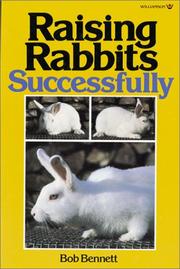
Bennett's earlier, more focused work dives deeper into breeding schedules, kindling, litter management, and record-keeping — essential reading before attempting a serious breeding program.

The authoritative veterinary reference for diagnosing and treating rabbit diseases and parasites; at this stage the reader has enough context to use it effectively as a health troubleshooting resource.
Specialization: Meat, Fiber & Pets
IntermediatePursue a specific production goal — raising rabbits for meat, harvesting and processing Angora fiber, or keeping rabbits as high-welfare companion animals.
▸ Study plan for this stage
Pace: 6–8 weeks, ~20–25 pages/day. Start with "Completely Angora" (weeks 1–3), then transition to "House Rabbit Handbook" (weeks 4–8). Allow 2–3 days per book for review and integration.
- Angora rabbit breeds, genetics, and selection criteria for fiber production quality and yield
- Fiber harvesting techniques (plucking vs. shearing) and the seasonal growth cycle of Angora coats
- Processing raw Angora fiber: cleaning, carding, spinning, and preparing for sale or personal use
- Housing, nutrition, and health management specific to fiber-producing rabbits versus companion rabbits
- Behavioral and social needs of rabbits as companion animals, including bonding and enrichment
- Welfare standards for indoor rabbits: space requirements, litter training, and environmental design
- Breeding ethics and genetics for both production goals (fiber yield) and companion animal traits (temperament, health)
- Economic and practical trade-offs between specialization paths: fiber production, meat production, or pet companionship
- What are the three main Angora breeds described in 'Completely Angora,' and how do their fiber characteristics and care requirements differ?
- Explain the fiber growth cycle of Angora rabbits and why timing matters for harvesting—what does Sharon Kilfoyle recommend as the optimal harvest window?
- What are the step-by-step processes for cleaning and preparing raw Angora fiber for spinning, as outlined in 'Completely Angora'?
- According to the 'House Rabbit Handbook,' what are the minimum space and environmental requirements for a rabbit kept as a companion animal indoors?
- How does the 'House Rabbit Handbook' address rabbit behavior and bonding, and what specific enrichment strategies does it recommend?
- What are the key health and nutritional differences between managing Angora rabbits for fiber production versus rabbits kept primarily as pets?
- Create a fiber production calendar: map out the seasonal coat growth cycles for Angora rabbits, marking optimal plucking/shearing windows, molt periods, and rest cycles based on Kilfoyle's guidance.
- Practice fiber assessment: obtain samples of raw Angora fiber (or study photos/descriptions from 'Completely Angora') and practice identifying fiber quality, length, and cleanliness to determine readiness for processing.
- Design a housing setup: sketch or build a scaled model of an indoor rabbit enclosure that meets the 'House Rabbit Handbook' space and welfare standards, including litter area, hiding spots, and enrichment zones.
- Conduct a fiber processing trial: if possible, hand-card and spin a small amount of Angora fiber following Kilfoyle's instructions, or document the process step-by-step with photos/notes.
- Interview or observe: connect with a local Angora rabbit breeder or house rabbit guardian and ask them about their specialization choice, daily care routines, and how they balance production/companionship goals.
- Comparative analysis: create a decision matrix comparing the three specialization paths (meat, fiber, pets) using criteria from both books—time investment, space, income potential, welfare considerations, and personal fit.
Next up: This stage equips you to commit to a specific rabbit specialization with informed knowledge of breed selection, production workflows, and welfare standards, preparing you to move into advanced topics such as scaling production, breeding programs, or business planning for your chosen path.
The definitive English-language guide to Angora rabbit breeds, fiber harvesting, grooming, and spinning — essential for anyone pursuing fiber production as their primary goal.

The canonical guide for keeping rabbits as indoor companions, covering litter training, enrichment, and veterinary care from a welfare-first perspective — ideal for the pet-focused keeper.
Advanced: Genetics, Selection & Sustainable Rabbitry
ExpertApply selective breeding principles, understand rabbit genetics, and build a self-sustaining, economically viable rabbitry at homestead or small-farm scale.
▸ Study plan for this stage
Pace: 8–10 weeks, ~25–30 pages/day (alternating between both books; allow 2–3 weeks per book with overlap for synthesis)
- Mendelian inheritance patterns and how traits (coat color, ear type, body size) are passed through rabbit generations
- Pedigree analysis and record-keeping systems to track genetic lineages and identify desirable traits
- Selection criteria for breeding: health, productivity, temperament, and breed standards
- Inbreeding depression, heterosis (hybrid vigor), and strategies to maintain genetic diversity in small populations
- Nutritional requirements across breeding, growing, and lactating rabbits to support sustainable production
- Herd management systems (breeding schedules, culling protocols, disease prevention) that balance productivity with animal welfare
- Economic modeling: feed costs, labor, market value, and profitability thresholds for homestead and small-farm rabbitries
- Sustainable practices: manure management, feed sourcing, and integration of rabbits into broader farm ecosystems
- How do you use pedigree records to identify and select for specific traits in your breeding stock, and what genetic risks should you monitor?
- What are the key differences between selecting for meat production versus show quality, and how do these priorities affect your breeding decisions?
- How can you maintain genetic diversity and avoid inbreeding depression in a small rabbitry of 10–20 does?
- What are the monthly feed, labor, and housing costs for a self-sustaining rabbitry, and at what production level does it become economically viable?
- How do you design a breeding schedule that maximizes productivity while ensuring does have adequate recovery time between litters?
- What role does rabbit manure play in a sustainable homestead system, and how can it offset production costs?
- Create a three-generation pedigree chart for a rabbit breed of your choice, mapping coat color or body size inheritance using Mendelian principles from *The Rabbit*
- Develop a breeding record template (physical or digital) that tracks parentage, birth dates, weights, health issues, and production metrics for at least 5 does and 2 bucks
- Calculate the break-even point for a 15-doe rabbitry: list all monthly costs (feed, housing, veterinary care, labor) and project revenue from meat, breeding stock, or manure sales using *Small-scale Livestock Farming* frameworks
- Design a 12-month breeding schedule for a small rabbitry that staggers litters to ensure continuous production while allowing does 8–10 weeks recovery between pregnancies
- Conduct a genetic diversity audit: assess whether your breeding stock (real or hypothetical) shows signs of inbreeding depression, and propose outcrossing or breed-blending strategies
- Create a sustainable manure management plan: estimate annual rabbit manure output, design a composting system, and calculate potential savings or income from selling compost or using it on-farm
Next up: This stage equips you with the scientific and economic foundations to run a self-sustaining rabbitry; the next stage will likely focus on scaling operations, market development, or specialized production systems (e.g., organic certification, direct-to-consumer sales, or integration with other livestock).

A rigorous, science-based FAO reference covering rabbit physiology, genetics, nutrition, and production systems at a technical level — the bridge from practical keeper to informed breeder and producer.
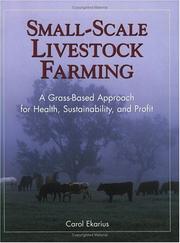
Ties together genetics, pasture management, economics, and sustainable production across small livestock including rabbits, giving the advanced homesteader the tools to run a profitable, ecologically sound operation.
Discussion
Keep reading
Paths that share books, cover the same subject, or open a related topic.