Tree care is the rare craft where mistakes are permanent and sometimes hazardous. A wrong cut cannot be reglued; a tree topped in ignorance grows back weaker and more dangerous. Almost every arborist agrees on the reason beginners go wrong: they learn techniques before they understand how a tree actually lives and heals. So the reading order must put biology first.
This path starts with how trees work, moves into identification and structure, then into the technical heart — pruning and Shigo's science — and ends with diagnosis and integrated management.
First, understand the living tree
Begin with Wisdom from the Hidden Life of Trees by Peter Wohlleben, a short, engaging entry that gives you a feel for trees as living, connected organisms. Then get concrete with The Anatomy of a Tree by Braun, which shows you the physical structure — roots, cambium, crown — you will be working on. For the mechanics of why trees fail, Tree Physiology Applied to Wind and Seismic Risk Assessment by Smiley, Matheny, and Fraedrich introduces how trees respond to loads and stress.
Learn to see the tree in front of you
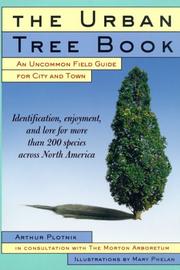
Before you cut, learn to identify and read trees. The Urban Tree Book by Arthur Plotnik is a delightful, information-rich guide to the trees you actually encounter in towns and yards, and Trees and Shrubs for Landscape Use by Donald Wyman is the classic reference for choosing and understanding landscape species.
Master pruning and the science beneath it
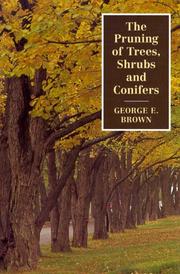
Now the technical core. The pruning of trees, shrubs and conifers by George Ernest Brown is the thorough, species-aware pruning reference, and Tree pruning by Alex L. Shigo teaches pruning grounded in how trees compartmentalize wounds. That leads to the most important book in the path: A new tree biology, also by Shigo, which overturned decades of bad practice and explains why trees do not "heal" but wall off damage — the single most important idea in modern arboriculture. Anchor it all with Arboriculture by Richard Wilson Harris, the comprehensive academic text on integrated tree management.
Diagnose and manage problems
Finally, learn to keep trees healthy. Diseases of trees and shrubs by Wayne A. Sinclair is the definitive illustrated diagnostic reference, and The ISA Complete Tree and Shrub Pest Management Guide by Sharon Lilly covers integrated, responsible pest control.
Read in order, these take you from admiring trees to caring for them competently and safely. Healthy trees depend on healthy soil, so this path pairs well with the composting subjects in the ReadingSherpa index. Follow the full path to work on trees knowledgeably. These books build understanding but do not replace a certified arborist for large removals, climbing, or hazardous work.
Follow the full reading path →
Ready to learn something deeply?
Build a reading path — free