Raising Goats: The Best Books on Goats and Small Livestock
This curriculum takes a complete beginner from "what is a goat?" to confident small-livestock keeper, covering housing, feeding, breeding, milking, and health care. Each stage builds on the last — first establishing a solid mental model of goat behavior and basic husbandry, then diving into hands-on skills like milking and cheese-making, and finally tackling veterinary depth and whole-farm integration so the learner can handle almost any situation independently.
Foundations: Getting Started with Goats
BeginnerUnderstand goat behavior, basic needs, and what it truly takes to keep a small backyard herd before spending a dollar on fencing or feed.
▸ Study plan for this stage
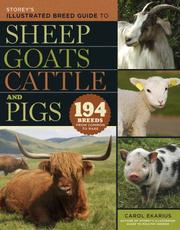
Pace: 4–5 weeks, ~25–30 pages/day. Start with Storey's Guide (weeks 1–3, ~200 pages), then The Backyard Goat (weeks 3–5, ~150 pages). Allocate 2–3 days per week for reflection and exercises.
- Goat temperament, social structure, and herd dynamics—why goats are herd animals that need companions and how they communicate
- Nutritional requirements across life stages (kids, does, bucks, wethers) and the role of forage, grain, and supplements in a balanced diet
- Housing, shelter, and space requirements—minimum acreage, ventilation, predator protection, and seasonal considerations for backyard herds
- Health fundamentals: common diseases, parasites, vaccination schedules, and when to call a veterinarian versus managing issues at home
- Breed selection and genetics—understanding dairy versus meat breeds, production goals, and what traits matter for small-scale operations
- Daily care routines and time commitment—milking schedules, feeding, water management, and realistic labor expectations for a backyard herd
- Legal and practical considerations—zoning laws, neighbor relations, and cost-benefit analysis before acquiring your first goats
- Reproduction and breeding basics—estrus cycles, breeding season, kidding preparation, and early kid care
- What are the key differences between dairy and meat goat breeds, and which would suit a small backyard operation based on your goals?
- Explain why goats are herd animals and what problems arise if you keep a single goat. How many goats should a beginner start with?
- What are the minimum space, shelter, and fencing requirements for a small backyard herd, and why does each matter?
- Describe a realistic daily care routine for a small dairy herd, including time, labor, and seasonal variations.
- What are the most common health threats to backyard goats (parasites, diseases, nutritional deficiencies), and how do you prevent or recognize them?
- How much does it cost to feed and care for a goat annually, and what income or products (milk, meat, fiber) might offset those costs?
- Create a detailed budget spreadsheet for your first year with a 3–5 goat herd, including fencing, shelter, feed, veterinary care, and equipment. Compare it against expected income (milk sales, meat, breeding stock).
- Visit a local goat farm or dairy and observe herd behavior for at least 2 hours. Document social interactions, feeding patterns, and daily routines. Interview the owner about their biggest challenges.
- Design a shelter plan for your property: sketch a goat house layout with dimensions, ventilation, predator protection, and seasonal modifications. Calculate the cost of materials.
- Research zoning laws and regulations in your area regarding livestock ownership. Write a one-page summary of what is and isn't allowed, and draft a neighbor communication plan if needed.
- Create a vaccination and parasite management calendar for a year, including recommended vaccines, deworming schedules, and hoof-trimming intervals based on your region.
- Interview or survey 3–5 backyard goat keepers (online forums, local groups, or in-person) about their biggest surprises, regrets, and advice for beginners. Compile findings into a 2–3 page report.
Next up: This foundation stage equips you with the knowledge to make an informed decision about whether goats fit your lifestyle and resources; the next stage will move from theory to action—setting up infrastructure, selecting and acquiring your first animals, and executing your first season of care.

The single most recommended starting point for new goat keepers — covers breeds, housing, feeding, milking, and health in plain language. Reading this first gives you the full map of the territory.

A friendly, highly visual companion that reinforces beginner concepts with practical checklists and photos; reading it right after Belanger cements vocabulary and fills in backyard-scale details.
Expanding the Herd: Other Small Livestock
BeginnerExtend the same husbandry principles to sheep, pigs, rabbits, and poultry so the learner can plan a diverse, complementary backyard operation.
▸ Study plan for this stage
Pace: 8–10 weeks, ~25–30 pages/day (approximately 2–3 weeks per book, with overlap for integration)
- Breed selection and genetics: how to choose sheep, rabbit, and chicken breeds that complement your existing goat operation and climate
- Housing and shelter design: species-specific requirements (ventilation, space, predator protection) that differ from goat housing
- Nutrition and feeding systems: forage vs. grain needs, water management, and cost-effective feeding strategies for multiple species
- Health management and disease prevention: recognizing species-specific illnesses, vaccination schedules, and biosecurity across a mixed herd
- Breeding and reproduction: timing, genetics, and record-keeping for sustainable herd growth across different species
- Daily husbandry routines: adapting your goat management schedule to accommodate sheep, rabbits, and poultry care
- Economic planning: calculating feed costs, space requirements, and profitability for a diversified small livestock operation
- Integration and complementarity: how different species use pasture, manure, and labor differently to create a resilient backyard system
- What are the key differences between sheep and goat housing, and how would you modify your existing goat shelter to accommodate both species safely?
- How do the nutritional needs of sheep, rabbits, and chickens differ, and what feeding system would work for all three on a small homestead?
- What are the main health threats to each species (sheep, rabbits, chickens), and how would you prevent disease spread between your goat herd and new animals?
- How would you design a breeding program for sheep and rabbits that produces animals suited to your climate and goals?
- What is the realistic daily time commitment for caring for goats, sheep, rabbits, and chickens combined, and how would you schedule it?
- Which species would you prioritize adding first to your goat operation, and why, based on your available space, labor, and resources?
- Create a detailed housing plan: sketch or describe how you would house sheep alongside your goats, including ventilation, space per animal, and predator protection measures
- Design a feeding schedule: plan daily rations for goats, sheep, rabbits, and chickens using locally available forage and grain, then calculate monthly feed costs
- Conduct a health audit: research the top 5 diseases for each species (sheep, rabbits, chickens) and create a prevention and response plan for your operation
- Build a small rabbit hutch or chicken coop: construct or modify a shelter using principles from the books to house 2–3 rabbits or 3–4 chickens
- Map your pasture: sketch your available land and plan rotational grazing or pasture use for goats, sheep, and poultry together
- Create a breeding calendar: plan breeding dates for sheep and rabbits that align with your goals, climate, and market demand over a 12-month cycle
Next up: This stage equips you with the knowledge to manage a diverse, integrated small livestock operation; the next stage will likely focus on advanced topics such as meat and dairy processing, marketing your products, or scaling your operation profitably.

Sheep share many management needs with goats; reading this next lets you compare and contrast the two species and decide which fits your land and goals.

Rabbits are often the first small livestock addition to a goat operation; this canonical guide covers housing, feeding, and breeding at a beginner-friendly level that mirrors what you already learned for goats.
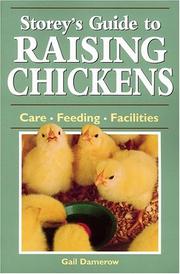
Poultry integrate naturally with a goat yard for pest control and eggs; Damerow's guide is the definitive beginner reference and rounds out a complete small-livestock picture.
Hands-On Skills: Milking, Cheese & Breeding
IntermediateMove from theory to practice — master the milking routine, home dairy processing, and intentional breeding cycles to get the most from your herd.
▸ Study plan for this stage
Pace: 6–8 weeks, ~25–30 pages/day, with 2–3 days per week dedicated to hands-on practice
- Milk composition and how it affects cheese quality and yield
- Step-by-step milking techniques and sanitation protocols for small-scale dairy
- Cheese-making fundamentals: curdling, cutting, cooking, draining, and aging
- Troubleshooting common cheese defects and adjusting recipes for your milk
- Breeding cycles, heat detection, and timing for intentional herd management
- Record-keeping systems to track milk production, breeding dates, and offspring traits
- Nutrition and health management to support lactation and reproductive success
- What are the key differences between milk from goats, sheep, and cows, and how do these differences affect cheese-making outcomes?
- Walk through the complete milking routine from preparation through cleaning—what sanitation steps are non-negotiable?
- Explain the role of rennet, culture, and temperature in transforming milk into curds and whey, and how you would adjust these for a failed batch
- What are the signs of heat in a doe or ewe, and how do you plan a breeding cycle to achieve your desired kidding or lambing season?
- How would you design a simple record-keeping system to track milk yield, breeding dates, and offspring traits across multiple animals?
- Describe at least three common cheese defects (e.g., rubbery texture, weak flavor) and what in your process or milk caused them
- Make a batch of fresh cheese (ricotta or chèvre) following Carroll's basic recipe, documenting temperature, timing, and yield
- Conduct a milk tasting and analysis: compare milk from different animals or different times of day, noting fat content, flavor, and how it affects cheese
- Practice the complete milking routine on your animals (or at a mentor's farm), focusing on pre-milking prep, teat cleaning, and post-milking udder care
- Make a 30-day aged cheese (e.g., simple chèvre-style or feta) and keep a detailed log of temperature, humidity, and any adjustments made during aging
- Set up a breeding record system (spreadsheet or notebook) tracking heat dates, breeding dates, expected kidding/lambing dates, and offspring data for at least 2–3 animals
- Identify and troubleshoot a cheese defect: intentionally alter one variable (temperature, culture, or milk source) in a batch and document how it changes the outcome
Next up: Mastering these hands-on skills—reliable milking, consistent cheese production, and intentional breeding—gives you the operational foundation to scale your herd, optimize genetics, and build a sustainable small-livestock enterprise in the next stage.
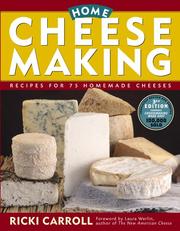
Once you are milking regularly, this is the essential next step — Carroll's recipes and techniques transform raw goat milk into cheeses, yogurt, and butter, making the milking effort deeply rewarding.

A practical multi-species reference that goes deeper on breeding calendars, nutrition management, and seasonal care — ideal at the intermediate stage when you are juggling multiple animals and planning kidding seasons.
Advanced Health & Veterinary Care
ExpertDiagnose and treat common illnesses, administer medications, perform basic procedures, and build a herd health plan so you can act confidently before the vet arrives.
▸ Study plan for this stage
Pace: 8–10 weeks, ~40–50 pages/day (Smith first: 2–3 weeks; Merck Manual: 5–7 weeks, with overlap for cross-referencing)
- Recognizing vital signs and normal vs. abnormal health indicators in goats (temperature, pulse, respiration, rumen function)
- Diagnosing common goat illnesses: pneumonia, parasites, mastitis, enterotoxemia, and metabolic diseases using clinical observation
- Safe medication administration routes (oral, injectable, topical) and calculating correct dosages for individual animals
- Building a herd health calendar and preventive protocols (vaccination schedules, deworming, mineral supplementation)
- Performing basic veterinary procedures: blood draws, injections, wound care, and udder health assessment
- Using the Merck Manual as a reference tool to cross-check symptoms, differential diagnoses, and treatment protocols
- Understanding when to call the veterinarian vs. when to treat at home, and preparing your herd for emergency situations
- What are normal vital signs for an adult goat, and how do you measure temperature, pulse, and respiration in the field?
- How would you differentiate between pneumonia, parasitic infection, and enterotoxemia based on observable symptoms, and what is your first-aid response for each?
- How do you calculate the correct medication dose for a 60-pound goat using the Merck Manual's dosage tables, and what are the risks of under- or over-dosing?
- What should a basic herd health plan include, and how does it change seasonally (spring breeding, summer heat stress, fall weaning, winter parasites)?
- Describe the step-by-step process for administering an intramuscular injection safely, including restraint, site selection, and post-injection care.
- When should you treat a sick goat at home versus calling the veterinarian, and what information should you have ready before that call?
- Practice taking vital signs on at least 3 different goats over 2 weeks; record baseline values and compare across animals to build confidence in normal ranges
- Create a detailed herd health calendar for a 12-month period, including vaccination dates, deworming schedules, mineral supplementation, and breeding windows based on Smith's recommendations
- Work through 5 case scenarios (e.g., 'goat is lethargic with diarrhea') using Smith's diagnostic flowcharts and cross-reference symptoms in the Merck Manual to practice differential diagnosis
- Perform mock medication calculations for 10 different scenarios (varying weights, drug types, routes) using the Merck Manual dosage tables; have an experienced goat keeper verify your math
- Under supervision, administer at least 2 injections (subcutaneous and intramuscular) to healthy goats and document the process; practice restraint and site selection
- Conduct a hands-on udder health assessment on 3–5 does, including palpation for lumps and visual inspection of milk; compare findings with Smith's mastitis diagnostic criteria
Next up: This stage equips you with the clinical knowledge and procedural confidence to manage acute health crises independently; the next stage will likely focus on breeding, genetics, and herd management at scale, building on your foundation of keeping individual animals healthy.

Written by a veterinarian specifically for goat owners, this is the deepest and most practical health reference available — read it after you have real herd experience so the clinical detail is immediately applicable.

The professional-grade reference used by vets worldwide; at this stage you have the vocabulary and experience to use it as a diagnostic lookup tool for any condition your herd might face.
Discussion
Keep reading
Paths that share books, cover the same subject, or open a related topic.