The Best Books on Raising Sheep, in Order
This curriculum takes a beginner shepherd from zero to confident small-farm operator across four progressive stages. Each stage builds on the last — starting with the big picture of sheep keeping, moving through breed selection and pasture management, then mastering the hands-on calendar of lambing and shearing, and finally developing the veterinary eye needed to keep a flock thriving for years.
Foundations: The Shepherd's Big Picture
BeginnerUnderstand what sheep farming actually involves day-to-day, decide if it is right for you, and learn the essential vocabulary and basic husbandry framework before investing in land or animals.
▸ Study plan for this stage
Pace: 4–5 weeks, ~25–30 pages/day (approximately 150–170 pages total across both books)
- The complete annual cycle of sheep care: breeding, lambing, grazing, shearing, and health management
- Breed selection based on your climate, goals (meat, wool, dairy), and available resources
- Daily and seasonal labor requirements: time commitment, physical demands, and skill development
- Essential infrastructure: shelter, fencing, water systems, and pasture management
- Fundamental health and nutrition: recognizing common diseases, parasite control, and feed budgeting
- Economic realities: startup costs, ongoing expenses, and realistic profit margins for small operations
- Sheep behavior and handling: understanding flock dynamics to prevent stress and injury
- Legal and practical considerations: zoning, permits, predator management, and record-keeping
- What are the major time commitments and seasonal labor peaks in sheep farming, and do they fit your lifestyle?
- How do different sheep breeds differ in their requirements, and which breeds are best suited to your climate and goals?
- What infrastructure (shelter, fencing, water, pasture) is essential before bringing sheep home, and what are realistic costs?
- What are the most common health threats to sheep, and how can you prevent or manage them with basic husbandry?
- What does a realistic annual budget look like for a small flock, including feed, veterinary care, and equipment?
- How do you read and respond to sheep behavior to handle them safely and minimize stress?
- Create a detailed month-by-month calendar of sheep care tasks for your region, identifying your busiest seasons and time requirements
- Research and compare 3–4 sheep breeds suitable for your climate and goals; create a one-page breed profile for each including size, wool type, temperament, and feed needs
- Walk your potential property and sketch a basic farm layout: shelter location, pasture zones, water points, and fencing routes; estimate materials and costs
- Interview a local sheep farmer or veterinarian about their most common health issues and prevention strategies; document their answers and compare to the books
- Build a simple annual budget spreadsheet for a 10–20 head flock including feed, veterinary care, shearing, fencing maintenance, and unexpected costs
- Watch 2–3 instructional videos on sheep handling and restraint; practice the techniques described (on a friend or with a stuffed animal if no sheep available) to build muscle memory
Next up: This stage establishes the realistic scope of sheep farming and equips you with the vocabulary and conceptual framework needed to move into the next stage, where you'll dive deeper into specialized topics like breeding programs, advanced nutrition, and disease diagnosis.

The single most widely recommended starting point for new shepherds — covers breeds, feeding, housing, health, and wool in one accessible volume, giving you the full map before you zoom in on any topic.

Places sheep within the broader context of small-farm animal keeping, helping a true beginner understand how sheep fit alongside other livestock and what infrastructure a small farm really needs.
Breeds, Pasture & Nutrition
BeginnerChoose the right breed for your climate and goals, learn to manage pasture rotationally, and understand sheep nutrition so your flock stays in optimal body condition year-round.
▸ Study plan for this stage
Pace: 4–5 weeks, ~25–30 pages/day. Start with Ekarius's breed guide (1–2 weeks), move to Ruechel on pasture management (1–2 weeks), then finish with Ekarius on nutrition and small-scale systems (1 week). Build in 2–3 days for review and planning.
- Breed selection criteria: matching wool type, meat quality, hardiness, and temperament to your climate, market goals, and management capacity
- Pasture rotation principles: grazing cycles, rest periods, paddock sizing, and how rotational grazing improves soil and forage quality
- Nutritional requirements across seasons: energy, protein, minerals, and vitamins needed at different life stages and production phases
- Body condition scoring: assessing and maintaining optimal weight year-round to prevent disease and maximize productivity
- Forage quality assessment: identifying nutritious pasture species, recognizing overgrazing, and planning supplemental feed
- Integration of pasture, breed, and nutrition: how breed choice and pasture management directly affect feed costs and flock health
- What are the key differences between wool breeds, meat breeds, and dual-purpose breeds, and which would suit your climate and goals?
- How does rotational grazing improve pasture productivity and soil health compared to continuous grazing?
- What are the main nutritional demands of sheep during pregnancy, lactation, and maintenance, and how do they change seasonally?
- How do you assess body condition score in sheep, and what does a score of 2.5–3.5 indicate about flock health?
- What forage species are most nutritious for sheep, and how do you recognize when pasture quality is declining?
- How would you design a rotational grazing plan for a 20-sheep flock on 5 acres, and what supplemental feed would be needed in winter?
- Create a breed comparison chart for 4–5 breeds suited to your region, noting wool type, meat quality, size, hardiness, and temperament based on Ekarius's breed guide
- Design a simple rotational grazing calendar for one year: map paddock rotation, rest periods, and supplemental feeding windows for your climate
- Conduct a pasture walk: identify forage species present, assess plant height and density, and note areas of overgrazing or bare soil
- Practice body condition scoring: handle 3–5 sheep (or watch videos), assess ribs and spine, and record scores to establish a baseline
- Calculate a basic ration for your target breed at different life stages (dry ewe, pregnant ewe, lactating ewe) using nutritional tables from Ekarius
- Interview a local sheep farmer about their breed choice, pasture management, and seasonal feeding strategy; compare their approach to the books' recommendations
Next up: This stage equips you with the knowledge to select and feed a healthy flock on well-managed pasture, setting the foundation for the next stage on breeding, reproduction, and flock genetics.
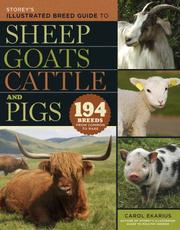
A richly illustrated, breed-by-breed reference that lets you compare wool, meat, and dual-purpose breeds side by side — essential reading before you buy your first animals.
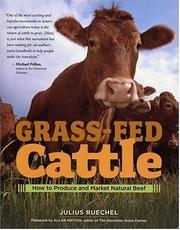
Though cattle-focused, this is the clearest and most practical book on rotational grazing principles and pasture management available; the grazing science transfers directly to sheep and builds the pasture intuition no sheep-specific book covers as thoroughly.
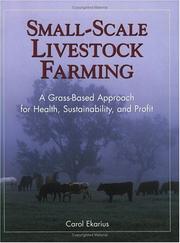
Bridges breed and pasture knowledge into a working small-farm system, covering fencing, water, shelter, and seasonal feeding schedules at a scale appropriate for the hobby or small commercial shepherd.
The Shepherd's Calendar: Lambing & Shearing
IntermediateConfidently manage the two most skill-intensive events of the sheep year — the lambing season and the annual shearing — with hands-on technique and troubleshooting knowledge.
▸ Study plan for this stage
Pace: 4–5 weeks, ~25–30 pages/day (focus on chapters covering reproduction, neonatal care, and wool/shearing sections)
- Recognizing normal vs. abnormal labor progression and identifying dystocia (difficult birth) in ewes
- Essential neonatal lamb care: colostrum intake, hypothermia prevention, and early health assessment
- Common lambing complications (malpresentation, uterine inertia, prolapse) and when to intervene vs. call a veterinarian
- Wool growth cycle and shearing timing to optimize fleece quality and animal welfare
- Pre- and post-shearing health management, including parasite control and wound care
- Identifying and treating common lambing-season diseases (mastitis, metritis, hypocalcemia in ewes; navel ill, scours in lambs)
- What are the signs of normal labor progression in ewes, and at what point should you intervene in a difficult birth?
- How do you assess whether a newborn lamb has received adequate colostrum, and what are the consequences of failure of passive transfer?
- What are the three most common malpresentations during lambing, and how would you recognize each one?
- Why is shearing timing critical for wool quality and animal health, and how does the wool growth cycle inform your schedule?
- What post-shearing complications should you monitor for, and how do you prevent them?
- How do you distinguish between normal post-lambing discharge and signs of metritis or other maternal infection?
- Attend a live lambing season (farm visit or mentorship) and observe 3–5 births, documenting labor progression and neonatal behavior
- Practice colostrum assessment: learn to identify weak suck reflex, dehydration, and signs of failure of passive transfer in lambs
- Study and sketch the three most common malpresentations (anterior, posterior, breech) using the Manual's descriptions; practice recognizing them in photos or video
- Shadow a professional shearer or watch detailed shearing videos, noting technique, timing, and post-shearing inspection for cuts or wounds
- Create a lambing season checklist covering pre-lambing ewe health, labor monitoring, neonatal care, and maternal health checks
- Conduct a mock dystocia scenario: role-play recognizing a difficult birth, deciding when to intervene, and when to call a veterinarian
Next up: Understanding the mechanics and complications of lambing and shearing equips you to manage the flock's most vulnerable moments; the next stage will build on this foundation by addressing year-round health maintenance, nutrition planning, and breeding strategies to prevent these crises before they occur.

Introduced here as a reference companion to lambing study — not read cover to cover, but used to look up specific conditions; building the habit of consulting it now prepares you for the advanced health stage ahead.
Advanced Flock Health & Long-Term Management
ExpertDevelop a veterinary eye for diagnosing and preventing the most common sheep diseases, build a whole-farm health program, and manage a flock sustainably across multiple breeding seasons.
▸ Study plan for this stage
Pace: 8–10 weeks, ~40–50 pages/day. Start with "Sheep Medicine" (weeks 1–6, clinical foundations), then transition to "Natural Sheep Care" (weeks 7–10, holistic integration and long-term protocols).
- Systematic clinical examination and diagnostic techniques for identifying disease in individual sheep and flock-wide patterns
- Common ovine diseases (parasitic, bacterial, viral, metabolic) and their pathophysiology, clinical signs, and treatment protocols from Scott
- Preventive medicine principles: vaccination schedules, quarantine procedures, and biosecurity measures tailored to sheep operations
- Whole-farm health program design: integrating nutrition, housing, genetics, and management to reduce disease pressure
- Natural and alternative approaches to sheep health (mineral balance, herbal remedies, homeopathy) from Coleby's framework
- Sustainable flock management across multiple breeding seasons: lambing, weaning, and seasonal disease risk mitigation
- Record-keeping and monitoring systems to track herd health trends and make data-driven management decisions
- Integration of conventional veterinary knowledge with pasture-based and low-input management strategies
- How do you perform a systematic clinical examination on a sheep, and what key vital signs and observations indicate disease?
- What are the most common parasitic, bacterial, and metabolic diseases in sheep, and how do their clinical presentations differ?
- How would you design a vaccination and preventive health protocol for a 50-head flock across a full calendar year?
- What role does mineral nutrition (especially copper, selenium, and cobalt) play in disease prevention, and how do you identify mineral deficiencies?
- How do you integrate natural health practices (pasture management, herbal support, homeopathy) with conventional veterinary medicine in a practical flock program?
- What record-keeping system would you implement to monitor flock health trends, treatment outcomes, and breeding performance over multiple seasons?
- Conduct a mock clinical examination on a live sheep (or video study): assess body condition, check mucous membranes, palpate lymph nodes, listen to rumen sounds, and document findings in a standardized format
- Create a year-round vaccination and parasite control calendar for a hypothetical 50-head flock, specifying timing, products, and justification based on Scott's protocols
- Design a whole-farm health program document that includes biosecurity measures, quarantine procedures, housing standards, and emergency response protocols
- Develop a mineral supplementation plan for your flock: test pasture or hay samples, calculate mineral ratios, and propose a supplementation strategy using both conventional and natural approaches from Coleby
- Build a flock health record-keeping system (spreadsheet or app-based) that tracks individual sheep ID, vaccination dates, parasite treatments, breeding history, and health incidents across at least two breeding seasons
- Research and write a case study: select one common ovine disease from Scott, describe its pathophysiology and clinical signs, then propose both conventional and natural management strategies from Coleby
Next up: This stage equips you with the clinical and preventive knowledge to manage a healthy flock independently; the next stage will likely focus on scaling operations, breeding for health and productivity, or specialized production systems (dairy, meat, fiber) where you'll apply these foundational health principles to specific enterprise goals.

A professional-level clinical reference used by veterinarians and serious shepherds alike — covers every major disease system with diagnostic criteria and treatment protocols, the deepest health resource on this list.
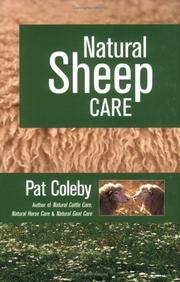
Complements the clinical approach of Scott by focusing on mineral nutrition, soil health, and preventive management — widely read among small-farm shepherds who want to reduce veterinary dependence through proactive flock care.
Discussion
Keep reading
Paths that share books, cover the same subject, or open a related topic.