Best Polish Cookbooks to Learn the Cuisine
This curriculum takes you from the heart of Polish home cooking through its most iconic specialties — dumplings, soups, breads, and preserves — building technique and cultural context at each stage. You begin with broad, accessible overviews of the Polish kitchen, then drill deep into the specific crafts of pierogi and dumplings, slow-cooked stews and soups, sourdough and rye baking, and finally the ancient art of fermentation and pickling. Each stage assumes the vocabulary and confidence built in the one before it.
Foundations of the Polish Kitchen
BeginnerBuild a mental map of Polish cuisine — its pantry staples, flavor logic, regional variety, and cultural rhythms — so that later, specialized study has a home to land in.
▸ Study plan for this stage
Pace: 4–5 weeks, ~25–30 pages/day, with 2–3 days per week reserved for cooking practice
- The core Polish pantry: rye, beets, sour cream, dill, caraway, and preserved/fermented ingredients as flavor anchors
- The logic of sour and savory: how sourness (vinegar, fermentation, sour cream) shapes Polish flavor profiles across dishes
- Regional Polish cooking traditions: how geography and history created distinct regional styles (e.g., Silesian, Masovian, Lithuanian border regions)
- Seasonal and ceremonial eating: the rhythm of Polish food culture tied to harvests, holidays, and religious observances
- Foundational techniques: pickling, fermenting, slow-braising, and stock-making as the backbone of Polish home cooking
- The role of meat, dairy, and vegetables in Polish meals: proportions, combinations, and cultural significance
- Historical influences on Polish cuisine: Jewish, German, Russian, and Scandinavian threads woven into the tradition
- What are the five essential pantry staples in Polish cooking, and why does each matter to the flavor profile?
- How does sourness function in Polish cuisine, and what are three different sources of sour flavors in traditional dishes?
- Describe at least two regional Polish cooking styles and what makes them distinct from one another.
- What is the cultural and practical significance of fermented and preserved foods in Polish food tradition?
- How do Polish meals typically balance meat, dairy, and vegetables, and what does this reveal about Polish food values?
- Name three Polish dishes and explain how they exemplify the core flavor logic and techniques you've learned.
- How does the Polish calendar (seasons, holidays, religious observances) shape what and how people cook?
- Cook three foundational Polish soups (e.g., barszcz, żurek, rosół) and document how sourness, stock, and vegetables work together in each
- Prepare a simple fermented or pickled vegetable (e.g., pickled cucumbers, sauerkraut) and taste it at different stages to understand fermentation logic
- Create a Polish pantry inventory: source and taste 5–7 key ingredients (rye flour, caraway seeds, sour cream, dill, beets) and note their flavor profiles
- Cook one meat-and-dairy dish (e.g., piernik, pork with sour cream sauce) and one vegetable-forward dish to compare their construction and proportions
- Map Polish regions on a blank map and assign 2–3 signature dishes to each, then cook one dish from a region unfamiliar to you
- Prepare a simple Polish meal for one day (breakfast, lunch, dinner) using only techniques and ingredients from the book, noting what feels natural and what feels foreign
- Interview a Polish cook or family member (if available) about their favorite dish and how it connects to their memory or region; compare their account to Żerańska's descriptions
Next up: This stage establishes the sensory and conceptual foundation—the pantry logic, flavor grammar, and cultural context—that will allow you to move into specialized study (e.g., mastery of specific dish families, advanced techniques, or regional deep-dives) with confidence and intuition rather than rote memorization.
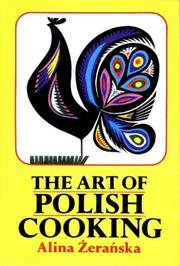
A beloved classic that has introduced generations of English-speaking readers to authentic Polish recipes. Reading it second grounds you in the traditional rationale behind dishes you will later study in depth.
Pierogi and the Dumpling Repertoire
BeginnerMaster the full spectrum of Polish dumplings — from pierogi dough and fillings to uszka, kopytka, and lazy pierogi — with confident, repeatable technique.
▸ Study plan for this stage
Pace: 4–5 weeks, ~20–25 pages/day, with 2–3 dedicated cooking days per week for hands-on practice
- Master the foundational pierogi dough recipe and understand how hydration, kneading, and resting affect texture and elasticity
- Develop proficiency with the five core pierogi filling categories: potato-cheese, sauerkraut-mushroom, meat, fruit, and savory variations from Zak's recipes
- Learn the shaping, sealing, and cooking techniques specific to pierogi, including boiling, pan-frying, and the critical signs of doneness
- Understand the structural and textural differences between pierogi, uszka (ear-shaped dumplings), kopytka (small ridged dumplings), and lazy pierogi (dough-based alternatives)
- Grasp the cultural and seasonal context of Polish dumplings—when and why different varieties are served in traditional Polish cuisine
- Master the assembly-line workflow for efficient dumpling production, from prep to plating
- Learn proper storage, reheating, and make-ahead strategies for dumplings to support practical home cooking
- What is the ideal dough hydration for pierogi, and how do you adjust it based on flour type and humidity?
- Describe the step-by-step process for filling, sealing, and shaping a pierogi to ensure it holds its filling and cooks evenly
- What are the key differences in dough composition and cooking method between pierogi, uszka, and kopytka, and when would you choose one over the other?
- How do you know when pierogi are fully cooked, and what are the signs of undercooked or overcooked dumplings?
- Explain the flavor and texture profile of at least three distinct pierogi fillings from Zak's recipes, and how they pair with traditional toppings
- What are 'lazy pierogi,' how do they differ from traditional pierogi, and in what contexts are they served in Polish cuisine?
- Make a batch of basic pierogi dough (without filling) and practice the knead-rest-roll-cut cycle; assess dough elasticity and note how resting time affects workability
- Prepare three different pierogi fillings from 'Pierogi' by Zak (e.g., potato-cheese, sauerkraut-mushroom, and one fruit filling) and fill, seal, and shape at least 12 pierogi of each variety
- Cook a batch of pierogi using both boiling and pan-frying methods; taste and compare texture, browning, and flavor development between the two techniques
- Make a smaller batch of uszka and kopytka following Zak's instructions in 'Polska'; compare their dough consistency, shaping difficulty, and final texture to pierogi
- Prepare a 'lazy pierogi' recipe from 'Polska' and conduct a side-by-side tasting with traditional pierogi to understand the textural and flavor differences
- Organize a full assembly-line production session: make dough, prepare two fillings, shape 30+ pierogi, cook them in batches, and plate with traditional toppings (caramelized onions, sour cream, etc.)
Next up: This stage equips you with the technical foundation and cultural understanding of Poland's dumpling traditions, preparing you to explore broader regional Polish dishes, seasonal cooking practices, and how dumplings integrate into complete Polish meals in the next stage.

Zak's focused, beautifully illustrated book is the single best English-language guide to the entire Polish dumpling family. Starting here lets you build muscle memory on dough and filling ratios before tackling broader cooking projects.

Zak's wider cookbook contextualizes dumplings within the full modern Polish table, showing how pierogi relate to soups and sides — a natural bridge to the next stage.
Bigos, Soups, and the Slow-Cooked Tradition
IntermediateUnderstand the layered, long-cooked soul of Polish cuisine through its soups and stews, including żurek, barszcz, flaki, and the national dish bigos.
▸ Study plan for this stage
Pace: 4–5 weeks, ~25–30 pages/day, with 2–3 cooking sessions per week
- The philosophy of slow-cooking as a cornerstone of Polish culinary tradition and its connection to rural life and seasonal rhythms
- The role of fermentation and souring agents (żur, sour rye, vinegar) in creating depth and complexity in Polish soups and stews
- Bigos as a palimpsest dish: how it layers ingredients, flavors, and cooking time to achieve its distinctive character
- Regional and family variations in classic dishes (żurek, barszcz, flaki) and how recipes evolve through personal and cultural adaptation
- The technique of building flavor through long, gentle cooking rather than high heat—understanding why time is an ingredient
- The relationship between Polish comfort food and historical/cultural identity, particularly through Applebaum's perspective on country house cooking
- Practical mastery of foundational techniques: making stocks, fermenting vegetables, layering flavors, and managing long-cooking processes
- What is żur and why is it essential to Polish soup-making? How does it differ from other souring agents used in Polish cooking?
- Describe the basic structure of bigos. Why is it considered a dish that improves with time, and what role does layering play in its final flavor?
- What are the key differences between żurek, barszcz, and flaki, and what cooking techniques or ingredients distinguish each one?
- How does slow-cooking serve both a practical and philosophical purpose in Polish cuisine, particularly in the context of country house cooking?
- Explain how regional and family variations in Polish soups and stews reflect broader themes in Polish culinary culture
- What techniques from Applebaum's recipes can you apply to other long-cooked dishes beyond the specific recipes in the book?
- Make żurek from scratch, including fermenting the rye starter if the recipe calls for it; document how the flavor develops over the fermentation period
- Prepare bigos and intentionally cook it over 3+ days, tasting and noting how the flavors meld and deepen with each reheating
- Cook barszcz (beet soup) using Applebaum's recipe, then experiment with a regional variation from the book to identify how ingredients and technique shift the final dish
- Prepare flaki (tripe stew) if accessible, or substitute with another slow-cooked stew from the book; focus on understanding the long-cooking process and texture development
- Make a Polish stock or broth from scratch using the book's guidance, then use it as the base for two different soups to understand how a foundation ingredient carries through dishes
- Host a tasting session where you prepare 2–3 soups or stews from the book side-by-side and compare their flavor profiles, identifying how each uses souring, layering, or time differently
Next up: Mastering the slow-cooked, layered foundations of Polish soups and stews will prepare you to explore how these techniques extend into Polish meat dishes, breads, and preserved foods—understanding the deeper principles of flavor-building that define Polish cuisine across all categories.
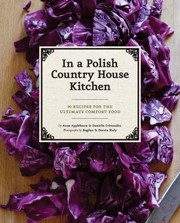
Co-authored by a Pulitzer Prize-winning historian, this book places slow-cooked Polish dishes in their rural, seasonal, and historical context — essential for understanding the patience and philosophy behind bigos and fermented soups.
Rye, Sourdough, and Polish Breads
IntermediateDevelop a working sourdough starter and bake authentic Polish rye breads — chleb żytni, pumpernickel-style loaves, and enriched holiday breads — from scratch.
▸ Study plan for this stage
Pace: 6–8 weeks, ~20–25 pages/day, with 2–3 baking sessions per week
- Rye flour composition and enzymatic activity: how rye's pentosans and amylase differ from wheat, affecting dough hydration and fermentation
- Sourdough starter development and maintenance: building a stable culture, managing wild yeast and bacterial populations, and troubleshooting common issues
- Long, cool fermentation for flavor and digestibility: how extended bulk and cold fermentation develop complex flavors and reduce phytic acid in rye breads
- Dough handling and rheology specific to rye: understanding rye's sticky, extensible nature and how to work with high-hydration doughs without traditional gluten development
- Authentic Polish bread formulas and techniques: mastering chleb żytni (100% rye), pumpernickel-style loaves, and enriched holiday breads like żurek and babka
- Baking science applied to rye: oven spring, crust formation, crumb structure, and how to achieve proper bake in dense, slow-rising loaves
- Troubleshooting fermentation and baking failures: diagnosing weak rise, gumminess, and dense crumb through understanding the science behind each problem
- What is the role of pentosans in rye flour, and how does their water-binding capacity affect your dough hydration and mixing strategy compared to wheat?
- How do you build and maintain a stable sourdough starter from scratch, and what signs indicate your culture is ready for baking?
- What is the difference between chleb żytni, pumpernickel-style rye, and enriched holiday breads in terms of formula, fermentation time, and final crumb structure?
- Why does rye dough require different handling techniques than wheat dough, and how do you prevent over-mixing while still developing adequate structure?
- How does long, cool fermentation improve both the flavor and digestibility of rye breads, and what fermentation schedule would you use for a 100% rye loaf?
- What are the most common baking failures in rye bread (gumminess, dense crumb, weak oven spring), and how would you diagnose and fix each one using bread science principles?
- Build a sourdough starter from scratch using whole rye flour or a mix of rye and wheat; feed and observe it daily for 7–10 days, documenting activity, smell, and consistency
- Bake a simple 100% rye chleb żytni using your starter and a basic formula from Ginsberg; keep detailed notes on hydration, fermentation time, oven spring, and final crumb
- Prepare a pumpernickel-style loaf with long, cool fermentation (overnight or 48-hour bulk); compare the flavor and crumb structure to a shorter fermentation version
- Conduct a side-by-side bake of two rye loaves with different hydration levels (e.g., 75% vs. 85%); evaluate how pentosan water-binding affects dough handling and final texture
- Bake an enriched Polish holiday bread (żurek or babka) that incorporates your sourdough starter; document how the added fat and sugar affect fermentation speed and crumb softness
- Troubleshoot a failed or suboptimal rye bake by identifying the likely cause (weak fermentation, over-hydration, under-baking, etc.) and re-bake with a targeted correction based on Buehler's science explanations
Next up: This stage gives you mastery of rye and sourdough fundamentals—the starter, the science, and the core Polish formulas—preparing you to explore regional variations, advanced enrichments, and the intersection of traditional Polish baking with modern technique in the next stage.

The definitive English-language guide to rye and sourdough baking across Northern and Eastern Europe, with a substantial Polish chapter. It teaches the science of rye fermentation that underpins every Polish loaf.

A clear, concise explanation of sourdough fermentation and gluten development that demystifies the tricky behavior of high-rye doughs encountered in the previous book.
Fermentation, Pickling, and the Preservation Tradition
ExpertMaster the full Polish pickling and fermentation repertoire — kapusta kiszona, ogórki kiszone, kwas buraczany, and beyond — understanding both technique and the microbiological principles that make it safe and delicious.
▸ Study plan for this stage
Pace: 4–5 weeks, ~25–30 pages/day, with 2–3 days per week dedicated to hands-on fermentation projects
- The microbiology of fermentation: role of lactobacillus, wild yeasts, and anaerobic conditions in creating safe, preserved foods
- Salt concentration, pH, and temperature as critical control points in fermentation safety and flavor development
- The distinction between fermentation and pickling: acid-based preservation vs. live-culture fermentation
- Traditional Polish fermented vegetables: kapusta kiszona (sauerkraut), ogórki kiszone (fermented cucumbers), and kwas buraczany (beet kvass) — ingredients, ratios, and timing
- Vessel selection, weight systems, and environmental management for successful home fermentation
- Sensory evaluation: recognizing signs of successful fermentation vs. spoilage through taste, smell, and appearance
- Scaling and adapting fermentation recipes while maintaining safety and consistency
- What are the key microorganisms involved in Polish fermented vegetables, and how do salt and anaerobic conditions favor their growth?
- How do fermentation and pickling differ in their preservation mechanisms, and when is each method appropriate in Polish cooking?
- What salt-to-vegetable ratios and fermentation temperatures are optimal for kapusta kiszona and ogórki kiszone, and why?
- How do you assess whether a ferment is progressing safely, and what visual, olfactory, and taste indicators signal spoilage?
- What is kwas buraczany, how is it made, and what role does it play in Polish cuisine beyond preservation?
- How would you troubleshoot common fermentation problems (e.g., surface mold, soft vegetables, off-flavors) using microbiological principles?
- Ferment a 2–3 liter batch of kapusta kiszona (sauerkraut) using Katz's foundational method; document daily observations of bubbling, color, and aroma over 3–4 weeks
- Prepare a batch of ogórki kiszone (fermented dill pickles) with traditional Polish spices (dill, garlic, horseradish); compare fermentation timeline and flavor profile to a quick-pickled control batch
- Make kwas buraczany (beet kvass) from scratch and taste it at multiple fermentation stages (3 days, 5 days, 7 days) to understand flavor development
- Conduct a salt-concentration experiment: ferment three identical batches of cabbage at 2%, 3%, and 5% salt to observe differences in fermentation speed, texture, and final flavor
- Prepare a fermentation station in your kitchen: select vessels, design a weight system (e.g., glass weights, cabbage leaf + plate), and establish temperature monitoring; document environmental conditions
- Taste and compare a commercial Polish fermented product (store-bought kapusta kiszona or ogórki) with your homemade version; analyze differences in flavor, texture, and sourness
Next up: This stage equips you with both the scientific foundation and practical mastery of fermentation, preparing you to explore how these preserved vegetables function as flavor-building ingredients and condiments in classic Polish dishes and modern applications.

The canonical global reference on fermentation gives you the deep scientific and cultural framework for lacto-fermentation — the exact process behind Polish pickled cucumbers and sauerkraut. Reading this first at the advanced stage ensures you understand the 'why' completely.

A practical, project-based companion that translates fermentation theory into the specific vegetable and dairy ferments central to the Polish pantry, bridging Katz's depth with everyday kitchen practice.
Discussion
Keep reading
Paths that share books, cover the same subject, or open a related topic.