Polish cooking is easy to misread as a collection of heavy dishes. What it actually is, technically, is a cuisine built on souring — fermented rye for zurek, brined cucumbers, sauerkraut for bigos — plus a rye-based bread tradition and a large family of filled doughs. Learn those three things and most of the repertoire becomes variations. Learn the recipes without them and you spend years making approximations that taste flat and never know why.
That is why the order below runs classic reference, then dish-focused practice, then bread, then the fermentation theory underneath. The theory is last because it lands better once you have made a sour soup and wondered where the sourness is supposed to come from.
The reference, then the dumplings
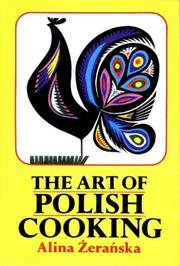
Start with The art of Polish cooking by Alina Zeranska, the long-standing English-language reference. It is a comprehensive, unfussy collection organized the way a Polish kitchen thinks: soups as a serious category, the pickles and preserves, the sweet yeast baking. It is not a photograph-heavy book, and that is fine — use it as the map of what the cuisine contains.
Then Pierogi by Zuza Zak, which does one thing thoroughly. Dumpling dough is a feel skill, and a dedicated book gives you the repetitions and the fillings, from the standard ruskie potato-and-cheese through fruit versions, plus the folding and boiling technique that decides whether the seam holds.
Zak's Polska is the wider modern companion — regional dishes, contemporary Polish home cooking, and the context that explains why the Baltic north and the mountain south do not eat the same food. Read it after the reference for the newer voice.
Then From A Polish Country House Kitchen 90 Recipes For The Ultimate Comfort Food, Anne Applebaum's collaboration with Danielle Crittenden, which sits somewhere between cookbook and essay. Applebaum is a historian, and the book is unusually good on how war, partition, and communism shaped what ended up on the table — useful background that most recipe collections skip entirely.
Bread, which is half the cuisine
Rye is the Polish grain, and rye behaves nothing like wheat: less gluten, more enzyme activity, and an acidity requirement that is a technical necessity rather than a flavor preference. The rye baker by Stanley Ginsberg is the definitive English-language book on it, with hundreds of Northern and Eastern European formulas and, more importantly, an explanation of why rye needs a sour starter to bake properly at all.
Bread Science by Emily Buehler is the theory volume — fermentation chemistry, gluten development, what the yeast and bacteria are actually doing. If you are only baking the occasional loaf, Ginsberg alone is enough and you can skip this one. If your loaves keep failing in ways you cannot diagnose, Buehler is the book that explains them.
The souring underneath everything
Finish with fermentation. The art of fermentation by Sandor Katz is the encyclopedic treatment — vegetables, grains, dairy, the microbiology in plain language — and it is the book that makes sauerkraut, kiszone ogorki, and the rye sour for zurek feel like one technique rather than three recipes. Fermented by Charlotte Pike covers similar ground in a shorter, more approachable format with better photography. They overlap heavily; take Katz for depth or Pike for a weekend start, not both.
Two practical notes: use non-iodized salt and weigh your brine rather than eyeballing it, and if you are canning or preserving for shelf storage, follow current tested food-safety guidance rather than a cookbook's older instructions.
If you want a second cuisine with a similar ferment-and-bread backbone, the Ethiopian cooking path is a good next stop. Follow the full reading path to take these in order.
Follow the full ordered path here: Best Polish Cookbooks to Learn the Cuisine, in Order.