Pies and tarts: essential books for perfect pastry every time
This curriculum takes a beginner baker from zero pastry knowledge to confident pie and tart mastery across four progressive stages. It starts with foundational baking intuition and crust technique, moves through classic fillings and blind baking, then advances into artisan and savory territory, finishing with the refined skills needed for beautiful, professional-quality bakes.
Foundations: Dough, Crust & Baking Basics
BeginnerUnderstand the science of fat, flour, and water in pastry dough; mix and roll a basic pie crust with confidence; learn what blind baking is and why it matters.
▸ Study plan for this stage
Pace: 4–5 weeks, ~25–30 pages/day, with 2–3 baking sessions per week
- The role of fat (butter, shortening, lard) in creating flakiness and tenderness in pie crusts through lamination and gluten inhibition
- How flour type, protein content, and hydration affect dough development and crust texture
- Water's function in gluten formation and dough cohesion, and why precise measurement matters
- The science of blind baking: why it prevents soggy bottoms and how to execute it correctly
- Mixing methods (rubbing in, cutting in) and their impact on crust structure and mouthfeel
- Temperature control throughout dough-making and rolling to prevent butter melting and gluten overdevelopment
- Rolling techniques that maintain even thickness and prevent shrinkage during baking
- Why does cold butter create a flakier crust than warm butter, and what is the scientific mechanism?
- What is the difference between a tender crust and a flaky crust, and how do mixing methods influence each?
- Why is blind baking necessary, and what are the two main methods (beans/weights vs. pricking)?
- How does flour protein content affect pie dough, and when would you choose cake flour versus all-purpose flour?
- What happens to pie dough if you overwork it, and how can you tell if you've mixed too much?
- How does water temperature and amount impact gluten development in pastry dough?
- Make a basic all-purpose pie crust from Paul Hollywood's guidance, focusing on the rubbing-in technique and keeping ingredients cold; document texture and handling
- Prepare two pie crusts side-by-side using different fat types (butter vs. shortening) and compare flakiness, tenderness, and flavor after baking
- Practice blind baking a crust using both the bean/weight method and the pricking method; evaluate which prevents shrinkage and sogginess better
- Roll out pie dough to consistent thickness (¼ inch) three times, measuring thickness with a ruler and noting how technique improves with repetition
- Make a pie crust with slightly warm water versus ice water, bake both, and compare texture and flakiness to understand hydration's impact
- Bake a pie crust without blind baking and compare the bottom texture to a blind-baked crust to viscerally understand why the technique matters
Next up: Mastering these foundational techniques and understanding the science behind them prepares you to confidently move into specific pie and tart recipes, where you'll apply these principles to create both sweet and savory filled pastries with reliable, professional results.
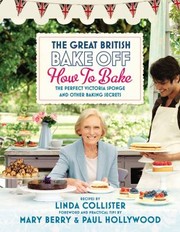
A friendly, visual introduction to baking fundamentals including pastry dough, giving beginners the vocabulary and muscle memory needed before tackling dedicated pie books.

McDowell demystifies pastry science in plain language, covering flaky and tender crusts, blind baking, and troubleshooting — the perfect first dedicated pastry primer.
Classic Pies: Fillings, Technique & Sweet Mastery
BeginnerBake a full repertoire of classic sweet pies — fruit, custard, cream, and nut — while mastering filling ratios, thickeners, and decorative top crusts.
▸ Study plan for this stage
Pace: 4–5 weeks, ~20–25 pages/day, with 2–3 baking sessions per week
- Pie dough fundamentals: hydration ratios, fat distribution, lamination, and how temperature affects gluten development and flakiness
- Filling ratios and thickener chemistry: cornstarch vs. flour vs. tapioca, pectin behavior in fruit fillings, and how to achieve proper consistency without weeping or slumping
- Custard and cream pie structure: cooked vs. uncooked fillings, egg ratios, tempering, and preventing cracks and separation
- Nut pie construction: sugar ratios, caramelization control, and preventing overbaking while achieving set centers
- Decorative top crusts and finishes: crimping techniques, egg washes, lattice work, and cutout designs from McDowell and Elsen's signature styles
- Blind baking and par-baking: when and why to use each method to prevent soggy bottoms across different filling types
- Flavor layering and balance: how filling sweetness, acidity, and spice interact with crust richness and vanilla/extract additions
- What is the ideal hydration percentage for pie dough, and how does it differ between McDowell's and Elsen's approaches in their respective books?
- How do you choose between cornstarch, flour, and tapioca as thickeners for a fruit filling, and what are the visual/textural differences in the final pie?
- Why do custard pies sometimes crack or weep, and what techniques from the books prevent these issues?
- What is the difference between blind baking and par-baking, and when would you use each method based on filling type?
- How do you execute a lattice top or decorative cutout design, and what does each book emphasize about crust handling and egg wash application?
- What role does sugar play in nut pies, and how do you prevent the filling from overbaking while the crust finishes?
- Bake McDowell's all-butter pie dough (from 'The Book on Pie') and compare flakiness, color, and ease of handling to Elsen's version; document hydration and fat ratios
- Make three fruit fillings using different thickeners (cornstarch, flour, tapioca) in identical fruit bases; bake blind-baked shells and compare texture, clarity, and weeping
- Bake a custard pie from one book, intentionally over-bake a second one, and compare cracking patterns; identify the exact baking time and temperature that prevents issues
- Practice crimping and lattice techniques on rolled-out dough scraps before committing to a full pie; photograph progression and compare to book photos
- Bake a nut pie (pecan or walnut) from Elsen's book, testing doneness at 5-minute intervals in the final 15 minutes to find the sweet spot between set center and overbaking
- Create a side-by-side tasting of two cream pies (one from each book) to evaluate crust texture, filling richness, and topping application; note any differences in technique or ingredient ratios
Next up: Mastering these classic pie fundamentals—dough, fillings, and finishes—equips you with the technical foundation and flavor intuition to move into advanced territory: savory pies, hand pies, and creative flavor combinations that build on these core techniques.

The most comprehensive modern pie bible for beginners: covers every crust style, dozens of fillings, and step-by-step blind baking with gorgeous photography to guide each technique.

Introduces creative seasonal fillings and flavor combinations just after the reader has learned basics, expanding palate and ambition without overwhelming technique.
Tarts: Shells, Pastry Cream & French Technique
IntermediateMaster pâte sucrée and pâte brisée tart shells, blind baking in a tart ring, and classic fillings like frangipane, pastry cream, and lemon curd.
▸ Study plan for this stage
Pace: 4–5 weeks, ~20–25 pages/day, with 2–3 baking sessions per week
- Pâte sucrée vs. pâte brisée: composition, hydration, and when to use each dough
- Blind baking technique in a tart ring: parchment, weights, and timing to prevent shrinkage and soggy bottoms
- Pastry cream (crème pâtissière): tempering eggs, cooking to proper consistency, and preventing lumps
- Frangipane filling: almond cream ratios, flavor balance, and baking temperature control
- Lemon curd: acid balance, emulsification, and shelf stability
- Tart ring mechanics: fitting dough, crimping edges, and achieving even thickness
- French precision in mise en place and ingredient measurement for consistent results
- What are the key differences between pâte sucrée and pâte brisée in terms of fat content, sugar, and final texture?
- Why is blind baking necessary for tarts, and what are the critical steps to prevent shrinkage and ensure even baking?
- How do you temper eggs when making pastry cream, and what happens if you skip this step?
- What is the correct consistency for pastry cream, and how do you test for doneness?
- How do you balance sweetness and tartness in lemon curd, and what causes it to break or separate?
- What is frangipane, what are its core ingredients and ratios, and how does it differ from other almond-based fillings?
- How do you fit and crimp a tart shell in a ring to achieve professional results?
- Make pâte sucrée from 'Tart It Up' and compare texture, crumb, and handling to a pâte brisée batch; document differences in notes
- Blind bake two tart shells side-by-side: one with proper technique (parchment, weights, timing) and one without; evaluate bottom texture and shrinkage
- Prepare pastry cream three times, varying egg tempering method and cooking time, to identify the ideal consistency and texture
- Make a complete lemon curd tart: prepare the curd, test acidity balance, fill a blind-baked shell, and chill; taste and adjust seasoning on the next batch
- Bake a frangipane tart using Keller's or Lanlard's recipe; practice fitting the almond cream into the shell and monitoring oven spring
- Practice crimping and edge work on at least three tart shells to develop muscle memory and consistency
- Prepare a pastry cream-filled tart (e.g., fruit tart) from one of the books; focus on smooth filling, even spreading, and professional presentation
Next up: This stage builds the foundational French tart techniques and fillings needed to advance to more complex multi-component tarts, modern flavor combinations, and decorative finishing methods.

Focuses entirely on tarts — sweet and savory — teaching proper shell construction, blind baking in rings, and elegant French-inspired fillings in an accessible, well-illustrated format.
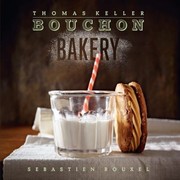
Elevates tart technique to a professional standard, introducing precise pastry cream, frangipane, and glazing methods that build on the intuition developed in earlier stages.
Savory Pies & Artisan Mastery
ExpertConfidently bake savory pies, quiches, hand pies, and hot-water-crust pastries; develop an artisan baker's eye for decoration, texture, and flavor balance across sweet and savory.
▸ Study plan for this stage
Pace: 2–3 weeks, ~20–30 pages/day, with 2–3 baking sessions per week
- Geometric principles underlying pastry structure and dough ratios
- How shape, thickness, and surface area affect cooking time and texture in savory applications
- The relationship between pasta-making techniques and pie/tart dough construction
- Visual design and proportion in plating and presentation of savory baked goods
- Scaling recipes mathematically using geometric ratios
- Texture contrast and layering as design elements in artisan savory pies
- How do the geometric principles Hildebrand outlines for pasta apply to designing savory pie shapes and hand-pie dimensions?
- What role does surface area play in achieving crispy vs. tender textures in quiches and hot-water-crust pastries?
- How can you use ratio-based thinking to adapt a pie recipe while maintaining structural integrity?
- What visual and textural elements distinguish an artisan savory pie from a standard one?
- How does understanding dough elasticity and gluten development (as explored in pasta) inform your approach to laminated and short-crust pastries?
- How would you apply Hildebrand's design philosophy to decorate and plate a savory hand pie or quiche for maximum visual impact?
- Bake 2–3 different savory hand pies (empanadas, cornish pasties, or similar), experimenting with Hildebrand's geometric proportions to vary filling-to-pastry ratios
- Create a visual study guide mapping pasta shapes to savory pie shapes, noting how geometry affects cooking behavior
- Prepare a hot-water-crust pastry and document how dough elasticity changes with hydration ratios; compare to pasta dough observations
- Design and bake a quiche with intentional texture contrast (crispy crust, creamy filling, textured topping) using geometric layering principles
- Photograph and analyze 3–4 artisan savory pies, identifying geometric patterns, surface treatments, and proportion choices
- Adapt one savory pie recipe by 25–50% using ratio-based scaling, then bake and evaluate how geometry and proportions held up
Next up: This stage anchors your understanding of how mathematical and geometric thinking elevates savory baking from functional to artisan, preparing you to apply these principles to more complex laminated doughs, multi-component assemblies, and the nuanced flavor and texture balancing required in advanced savory pastry work.
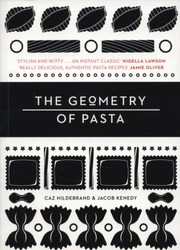
Broadens the learner's understanding of dough structure and form — a creative bridge that sharpens intuition for how shape and texture affect the eating experience in pastry.
Discussion
Keep reading
Paths that share books, cover the same subject, or open a related topic.