Best Pakistani Cookbooks to Learn the Cuisine
This curriculum takes you from the essential spice logic and everyday Pakistani kitchen through the iconic slow-cooked dishes and breads, and finally into the regional and restaurant-level depth that separates a competent cook from a true practitioner. Each stage builds the vocabulary, technique, and cultural context needed to fully absorb the next, so the books are sequenced to reward patience and repetition.
The Iconic Dishes: Karahi, Nihari & Biryani Done Properly
IntermediateMaster the technique-heavy centerpieces of Pakistani cooking — the high-heat karahi, the long-braised nihari, and the layered dum biryani — with proper method and authentic flavour.
▸ Study plan for this stage
Pace: 6–8 weeks, ~25–30 pages/day, with 2–3 cooking sessions per week (allow 3–4 hours per session for prep, cooking, and tasting notes)
- High-heat karahi technique: managing wok temperature, layering spices, and achieving the characteristic char and oil separation
- Nihari's slow-braise method: building depth through overnight cooking, balancing spice intensity, and achieving the signature thick, glossy sauce
- Dum pukht (sealed-pot) cooking for biryani: rice-meat layering, steam management, and the chemistry of flavour infusion through trapped moisture
- Spice tempering and blooming: understanding when to add spices to hot oil versus cold, and how this changes final flavour profile
- Regional variations within Pakistan: how Lahori, Hyderabadi, and Karachi versions differ in technique and ingredient ratios
- Ingredient quality and sourcing: selecting the right basmati variety, sourcing authentic spice blends, and understanding how quality impacts the final dish
- Timing and mise en place: the critical prep work and sequencing that separates amateur attempts from restaurant-quality results
- What is the critical temperature range for karahi cooking, and why does oil separation indicate proper technique?
- Describe the overnight nihari braise: what happens chemically to the meat and sauce, and how do you know when it's properly cooked?
- Explain the dum pukht method: how does sealing the pot change the cooking process, and what role does steam play in flavour development?
- How do the three dishes (karahi, nihari, biryani) differ in their approach to spice integration, and why is each method suited to its dish?
- What are the key differences between Lahori and Hyderabadi biryani, and how do these differences manifest in technique and ingredient choice?
- Why is basmati variety selection important for biryani, and how do you test rice quality before committing to a recipe?
- Cook karahi chicken or beef 3 times, focusing on achieving proper oil separation and char; document temperature, timing, and spice-blooming order in a notebook
- Prepare nihari from start to finish, including the overnight braise; taste and document the sauce at 4-hour, 8-hour, and 12-hour marks to understand flavour development
- Execute a complete dum biryani (Lahori or Hyderabadi style): layer rice and meat, seal the pot, and cook; compare your result to the book's description
- Conduct a spice-blooming experiment: bloom the same spice blend in hot oil vs. cold oil, then taste the difference in a simple dal or sauce
- Source three different basmati varieties (if available locally or online) and cook a simple pilau with each; document texture, aroma, and cooking time differences
- Prepare a side-by-side tasting: make karahi and nihari on the same day, then compare how spice intensity, sauce consistency, and meat texture differ
- Create a detailed mise en place checklist for each dish (karahi, nihari, biryani) and time yourself prepping; refine your workflow over 2–3 attempts
Next up: This stage builds the technical foundation and muscle memory for Pakistan's most demanding dishes, preparing you to explore regional specializations, street food adaptations, and the broader context of Pakistani dining culture in the next stage.

Helou's rigorous, research-backed approach covers nihari, biryani, and karahi-style dishes across the broader Islamic culinary world, giving essential comparative context and precise technique that sharpens your Pakistani cooking.

The most thorough single-subject treatment of biryani available, covering dum technique, rice selection, and the Sindhi and Hyderabadi traditions that directly inform Pakistani biryani — read this before attempting dum at home.
Breads & the Tandoor Tradition
IntermediateUnderstand the full spectrum of Pakistani breads — roti, naan, paratha, sheermal, and kulcha — including dough hydration, tandoor logic, and stovetop adaptations.
▸ Study plan for this stage
Pace: 4–5 weeks, ~25–30 pages/day. Allocate ~2 weeks to "Flatbreads and Flavors" (chapters on South Asian breads, tandoor techniques), then ~2–3 weeks to "Madhur Jaffrey's Indian Cooking" (bread recipes and regional variations), with overlap for hands-on practice.
- Dough hydration ratios and their effect on texture (from soft rotis to crispy parathas) as covered in Alford's technical sections
- Tandoor construction, temperature management, and how traditional clay ovens differ from stovetop methods per both authors
- The distinction between leavened breads (naan, sheermal, kulcha) and unleavened breads (roti, paratha) and when each is used
- Lamination and folding techniques for parathas and their regional Pakistani variations in Jaffrey's recipes
- Stovetop adaptations: tawa, cast iron, and direct flame methods as alternatives to tandoor cooking
- Regional bread traditions within Pakistan and northern India, including sheermal's saffron heritage and kulcha's spiced fillings
- Gluten development and rest periods as foundational to achieving proper elasticity and puff in breads
- Ghee and oil application techniques for flavor and texture in finished breads
- What is the ideal hydration percentage for roti versus naan, and how does this affect the final texture and cooking method?
- Explain the key differences between a tandoor and a tawa, and describe how you would adapt a tandoor recipe for stovetop cooking.
- What makes sheermal distinct from naan, and what role do saffron and milk play in its dough according to Jaffrey?
- Walk through the lamination process for a paratha: how many folds, what fat is used, and why does resting matter between folds?
- How do you determine when a tandoor has reached the correct temperature, and what visual cues indicate proper bread doneness inside the oven?
- Compare the leavening agents and rise times for kulcha versus roti—why does one puff and the other remain flat?
- Make a basic roti using Alford's hydration guidelines, then make a second batch with 5% more water; compare texture, puffing, and ease of rolling to understand hydration's impact
- Prepare naan dough from Jaffrey's recipe and divide it into three portions: cook one on a tawa, one on cast iron, and one directly over a gas flame; document differences in crust, char, and puff
- Master the paratha fold: make at least 3 batches following Jaffrey's technique, increasing folds from 2 to 4 to 6, and observe how layer count affects flakiness
- Bake sheermal using Jaffrey's recipe, paying attention to saffron infusion and milk incorporation; compare to a plain naan to identify how these ingredients change flavor and color
- Create a kulcha with a spiced potato filling (per Jaffrey), focusing on dough thickness, filling distribution, and sealing technique to prevent leakage during cooking
- Conduct a temperature experiment: use an oven thermometer to replicate 'tandoor-like' heat (450–500°F) on your stovetop or in a conventional oven, then cook naan and note how results compare to Alford's tandoor descriptions
Next up: Mastery of bread fundamentals—dough science, heat management, and technique—now positions you to explore how breads pair with curries, gravies, and regional meat dishes, and to understand the cultural and seasonal context of Pakistani bread traditions.
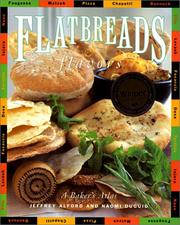
The canonical English-language reference on flatbreads of South and Central Asia; its chapters on Pakistani and North Indian breads explain the dough science and cultural role of each bread type with unmatched depth.
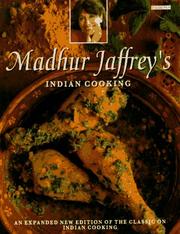
Jaffrey's bread and dough chapters remain the clearest stovetop and home-oven guide for naan, paratha, and roti — techniques that translate directly to the Pakistani bread tradition and fill gaps left by specialist texts.
Regional Depth: Sindh, Punjab, Khyber Pakhtunkhwa & Beyond
ExpertAppreciate how geography, history, and local ingredients create distinct regional cuisines within Pakistan — from the fiery Peshwari chapli kebab to Sindhi biryani and Lahori street food — and cook with that regional specificity.
▸ Study plan for this stage
Pace: 6–8 weeks, ~25–30 pages/day, with 2–3 cooking sessions per week
- How geography and climate shape regional ingredient availability and cooking techniques across Sindh, Punjab, and Khyber Pakhtunkhwa
- The role of historical trade routes, invasions, and cultural exchange in defining regional flavor profiles and signature dishes
- Sindhi cuisine's distinctive use of preserved ingredients, tamarind, and slow-cooked preparations as documented in Usmani's memoir
- Punjabi culinary identity through wheat-based breads, dairy, and tandoori traditions reflected in street food and home cooking
- Peshwari and Khyber Pakhtunkhwa's spice-forward approach, exemplified by chapli kebab and meat-centric preparations
- How personal and family narratives in Usmani's work illuminate the emotional and cultural significance of regional dishes
- Madhur Jaffrey's comparative approach to understanding kebabs, curries, and regional variations across the subcontinent
- The distinction between home cooking traditions and restaurant/street food interpretations within each region
- How does the geography and climate of Sindh influence the types of ingredients and preservation methods featured in Sumayya Usmani's family recipes?
- What are the defining characteristics of Punjabi cuisine, and how do wheat, dairy, and tandoori cooking reflect Punjab's agricultural and cultural landscape?
- Describe the flavor profile and key ingredients of Peshwari chapli kebab. What historical and geographical factors contribute to its distinctiveness?
- How does Madhur Jaffrey's treatment of kebabs and curries help you understand the regional variations within Pakistani cooking?
- What role do family stories and personal memory play in Usmani's 'Summers under the tamarind tree,' and how do they deepen your understanding of regional food traditions?
- How would you explain the differences between Sindhi biryani, Punjabi preparations, and Peshwari meat dishes to someone unfamiliar with Pakistani regional cuisines?
- Cook 2–3 Sindhi recipes from Usmani's book (e.g., a tamarind-based curry, a preserved vegetable dish) and document how the tamarind and slow-cooking methods create the region's distinctive flavor profile
- Prepare a Punjabi bread and dairy-based dish (e.g., makki di roti with sarson da saag, or a paneer preparation) and compare the technique and taste to a Sindhi equivalent to understand regional differences
- Make chapli kebab from Jaffrey's instructions, then research and cook a Peshwari variant to explore how local spices and meat choices define the Khyber Pakhtunkhwa style
- Create a tasting menu featuring one signature dish from each major region (Sindh, Punjab, Khyber Pakhtunkhwa) and write a 1-page reflection on how geography and history shaped each dish
- Interview a family member or friend from a Pakistani region covered in the books about their favorite regional dish, then cook it using the techniques from Usmani or Jaffrey as a guide
- Map out the trade routes mentioned in Jaffrey's historical context and trace how spices and cooking techniques traveled to create the regional cuisines you've studied
Next up: This stage grounds you in the geographic and historical specificity of Pakistan's major regions, preparing you to explore how Pakistani cuisine adapts and evolves when it travels—whether through diaspora communities, fusion cooking, or modern reinterpretations in the next stage.

Usmani's first book focuses on her Sindhi and Karachi heritage, making it the best available English-language guide to the southern regional flavours — tamarind, dried mango, and coastal spicing — that differ sharply from Punjabi cooking.
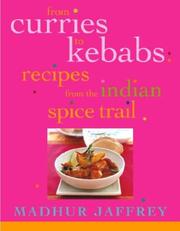
Jaffrey traces the Mughal-to-modern lineage of dishes shared across the subcontinent, providing the historical and cross-regional framework that helps an advanced cook understand why Pakistani regional cuisines diverged and how they relate.
Discussion
Keep reading
Paths that share books, cover the same subject, or open a related topic.


