Pakistani food is under-published in English relative to how much of it people eat. Search for cookbooks and you will mostly find Indian ones, which overlap heavily but are not the same: Pakistani cooking leans harder on meat, on wheat rather than rice in the north, on the Mughal-descended braises and kebabs, and on Punjabi, Sindhi, Pashtun, and Baloch regional traditions that Indian cookbooks treat only glancingly if at all.
The practical consequence is that a path here has to be built rather than picked off a shelf. One genuinely Pakistani home cookbook, one book each on the two anchor techniques — biryani and bread — a wider regional survey for context, and a reliable general reference for the technique you will use constantly.
Get the wider region in view
Start with Feast, Anissa Helou's enormous survey of cooking across the Muslim world from Morocco to Indonesia. It places Pakistani food in the lineage it actually belongs to — Persian and Central Asian influence arriving through the Mughals — and its chapters on rice, breads, and grilled meats explain shared techniques that a single-country book presents without background.
Learn the two anchor dishes
Biryani by Pratibha Karan is the serious book on the dish, tracing dozens of regional versions and the differences that matter: the layered dum method versus the pot method, the treatment of the meat, the rice-to-meat ratio, the aromatics. Biryani is the celebration dish in most Pakistani households and it is worth this much attention.
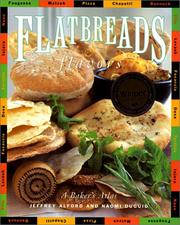
Then Flatbreads and flavors, which travels the flatbread belt from the Mediterranean to South Asia. Its roti, paratha, and naan chapters are the clearest instruction you will find on dough handling and the tawa, and getting bread right changes every meal you cook from the rest of the path.
The core home cookbook, and the reference shelf
Madhur Jaffrey's Indian cooking is here for technique, not for nationality. Jaffrey's explanations of tempering whole spices, building a base of onion and ginger and garlic, and controlling heat are the plainest in the genre, and those methods transfer directly. Note that her From curries to kebabs covers substantially the same ground with a narrower focus on the grill and the braise, so pick one to work through and treat the other as a browse; if you already own an Indian cookbook, skip straight past both.
Summers under the tamarind tree is the book to actually cook Pakistani food from. Sumayya Usmani writes from a Karachi childhood, and it is structured around real household cooking — Sindhi and Punjabi dishes, the everyday salans, the family recipes and the memoir around them — rather than a restaurant idea of the cuisine. If you only buy one book on this path, buy this one; the others exist to make it easier to cook from.
A short note on the pantry: whole spices you toast and grind yourself, good basmati that you soak, ghee, fresh coriander, and ginger-garlic paste you make rather than buy will do more for the results than any recipe substitution. Four books deep and you will be cooking better than most restaurant versions abroad.
Follow the full reading path to keep these in order.
Follow the full ordered path here: The Best Pakistani Cookbooks to Start With.