Multiple sclerosis is unpredictable, which is precisely what makes it hard to read about all at once. A new diagnosis raises medical questions, emotional ones, and the daily logistics of an uncertain future simultaneously. A thoughtful reading order helps: understand the condition first, tend to the emotional side, draw perspective from those who live it, then get practical about navigating life and supporting family.
These books complement, not replace, care from a neurologist and MS specialist team. They inform and encourage; treatment decisions, including disease-modifying therapies, belong with your doctors.
Understand the condition
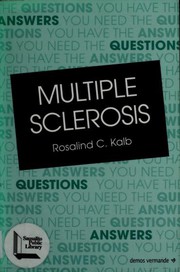
Start with a clear medical grounding. Multiple Sclerosis - The Questions You Have the Answers You Need by Rosalind Kalb is the trusted, question-and-answer reference that meets a newly diagnosed reader exactly where they are. For a concise clinical overview, Multiple sclerosis by Nancy Holland offers a straightforward summary of the disease and its management.
Tend to the emotional side
MS is as much an emotional diagnosis as a physical one. MS and Your Feelings by Allison Shadday speaks directly to the psychological weight, and I Have MS. What's Your Superpower? by Mona Sen offers a resilient, even humorous reframing. These are the books that address the part clinical references skip.
Draw on lived experience
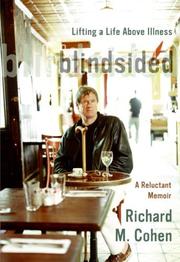
Memoirs turn statistics into a livable reality. Blindsided by journalist Richard Cohen is an unflinching account of living with MS, and Stronger: Courage, Hope, and Humor in My Life with MS by Gabrielle Giffords models perseverance through profound challenge. Read these for perspective and companionship rather than a treatment plan.
Navigate life and support family
Now get practical. Navigating life with multiple sclerosis by Kathleen Costello is a clear, current guide to managing symptoms and daily living, and Multiple Sclerosis - A Guide for Families helps the people around the patient understand and help. Two lifestyle-focused books — The Wahls protocol by Terry Wahls and Overcoming multiple sclerosis by George Jelinek — propose diet and lifestyle programs many patients explore; read them with interest but also with your neurologist, since claims vary in evidence. Close with The brain's way of healing by Norman Doidge for a hopeful, science-based look at neuroplasticity.
Read in this order — understand, feel, witness, navigate — and MS becomes a condition you can face with information and support. Follow the full path to meet the diagnosis prepared, always alongside your medical team.
Follow the full reading path →
Ready to learn something deeply?
Build a reading path — free