Osteoporosis is often called a silent disease because the first sign is frequently a fracture. That makes bone health an unusually good candidate for reading ahead of trouble: the strategies are largely about exercise, nutrition, and informed decisions you can start early. A sensible reading order moves from the single most powerful lever — strength and load-bearing movement — through a whole-body approach, into nutrition, and finally to balanced treatment guidance.
These books complement, not replace, care from your physician, including bone-density testing and any medication decisions. Use them to arrive at appointments informed, not to self-treat.
Start with movement
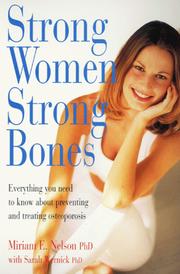
Begin where the evidence is strongest. Strong Women, Strong Bones by Miriam Nelson is the accessible, research-based classic showing how strength training protects and builds bone, and its companion Strong women stay young reinforces the broader case for resistance exercise as you age. Bone responds to load, and these books make that actionable.
Take a whole-body view
Bone health is more than one factor, so widen the lens. The whole-body approach to osteoporosis by R. Keith McCormick is a thorough, integrative guide that treats bone as part of a larger system, and Better bones, better body by Susan Brown emphasizes the lifestyle and dietary context around bone density. Together they resist the trap of chasing a single fix.
Get specific on nutrition
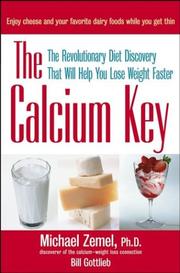
Diet plays a real, if sometimes overstated, role. The calcium key by Michael Zemel and The Vitamin D Solution by Michael Holick focus on two nutrients central to bone metabolism — read them for the mechanisms, but weigh their claims against your doctor's advice on supplementation. Rebuild Your Bones by Rebekah Rotstein adds a practical, movement-and-lifestyle program.
Weigh treatment, and stay skeptical
Finally, get balanced on medical management. The osteoporosis handbook by Sydney Bonnick and Osteoporosis: A Guide to Prevention and Treatment by John Aloia are measured, physician-authored references. And for a genuinely skeptical counterweight, The myth of osteoporosis by Gillian Sanson questions how the condition is defined and treated — read it critically, as a prompt for better questions with your doctor, not as a verdict.
Read in this order — movement, whole-body, nutrition, treatment — and bone health becomes a proactive plan rather than a post-fracture scramble. Follow the full path to build strong-bone habits with your physician in the loop.
Follow the full reading path →
Ready to learn something deeply?
Build a reading path — free