Anti-inflammatory eating: books to build a whole-food diet
This curriculum guides a beginner from the core concepts of inflammation and whole-food eating, through the science of gut health and nutritional biochemistry, to an advanced, evidence-based understanding of how diet interacts with chronic disease and long-term wellbeing. Each stage builds the vocabulary and mental models needed to engage critically with the next, always keeping medical guidance as a necessary complement to dietary choices.
Foundations: Understanding Inflammation & Food
BeginnerGrasp what inflammation is, why diet matters, and what an anti-inflammatory plate looks like in practical, everyday terms.
▸ Study plan for this stage
Pace: 4–5 weeks, ~25–30 pages/day. Start with Black's Anti-Inflammation Diet (1 week), move to Weil's Eating Well for Optimum Health (2 weeks), then Pollan's Food Rules (1 week), with a final week for review and integration.
- Inflammation as a physiological process: acute vs. chronic inflammation and how chronic inflammation underlies many modern diseases
- The inflammatory cascade: how certain foods (refined carbs, seed oils, excess omega-6) trigger inflammatory pathways in the body
- Anti-inflammatory foods and their mechanisms: omega-3 fatty acids, polyphenols, fiber, whole grains, and phytonutrients that actively reduce inflammation
- The anti-inflammatory plate in practice: visual and proportional guidelines for building meals (vegetables, healthy fats, lean proteins, whole grains)
- Weil's concept of the 'anti-inflammatory diet pyramid' as a practical framework for daily eating decisions
- Pollan's food rules as decision-making shortcuts: 'Eat food. Not too much. Mostly plants' and specific rules that align with anti-inflammatory principles
- How to read food labels and identify inflammatory ingredients (trans fats, high-fructose corn syrup, refined oils) in everyday products
- The connection between food quality, sourcing, and inflammatory potential: whole vs. processed, local vs. industrial
- What is the difference between acute and chronic inflammation, and why does chronic inflammation matter for long-term health?
- Name at least five foods or food categories that actively reduce inflammation, and explain one mechanism by which they work.
- What does an anti-inflammatory plate look like in practical terms? Describe the proportions and types of foods that should appear on it.
- According to Weil's framework, what are the key principles of the anti-inflammatory diet pyramid, and how do they differ from conventional food pyramids?
- How can you use Pollan's food rules as a practical decision-making tool when shopping or eating out? Give three specific examples.
- What are three common inflammatory ingredients found in processed foods, and how would you identify and avoid them?
- Audit your current diet: photograph or log everything you eat for 3 days, then categorize each item as inflammatory, neutral, or anti-inflammatory based on Black's and Weil's criteria. Identify your top three inflammatory foods.
- Build an anti-inflammatory plate: plan and prepare one complete meal (breakfast, lunch, or dinner) that follows the anti-inflammatory plate model from Black's book. Photograph it and note which foods address which inflammatory pathways.
- Create a personal food rules manifesto: select 5–7 of Pollan's food rules that resonate most with you, rewrite them in your own words, and post them in your kitchen. Live by them for one week and journal how they change your eating decisions.
- Label investigation: visit a grocery store and examine 10 packaged foods you regularly buy. Identify inflammatory ingredients (trans fats, refined oils, added sugars) in each. Replace three of them with whole-food or cleaner alternatives.
- Meal prep an anti-inflammatory week: using recipes from Black's book and Weil's principles, plan and prepare 3–4 anti-inflammatory meals for the week ahead. Document the ingredients and note which anti-inflammatory compounds each meal contains.
- Teach someone else: explain to a friend or family member what chronic inflammation is, why it matters, and what one anti-inflammatory food swap they could make today. Use Pollan's simplicity and Weil's science to make it clear and actionable.
Next up: This stage establishes the *why* and *what* of anti-inflammatory eating; the next stage will deepen into the *how*—teaching you to navigate real-world challenges like dining out, meal planning on a budget, and adapting recipes to your specific health goals and food preferences.

A gentle, accessible entry point that explains the basics of inflammation in plain language and immediately connects concepts to real meals, building confidence before tackling denser science.
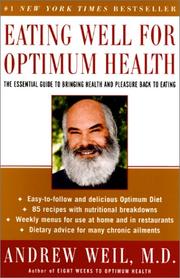
Weil bridges popular nutrition advice with foundational science, introducing macronutrients, fats, and whole foods in a way that prepares the reader for more rigorous texts ahead.
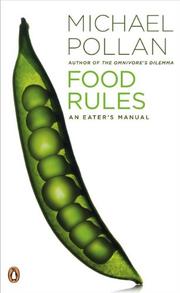
A concise, memorable framework ('Eat food. Not too much. Mostly plants.') that anchors the reader's intuition about whole-food eating before diving into biochemistry.
Whole Foods & the Anti-Inflammatory Kitchen
BeginnerTranslate anti-inflammatory principles into a sustainable eating pattern, understanding which food groups, fats, and phytonutrients are most protective and why.
▸ Study plan for this stage
Pace: 8–10 weeks, ~25–30 pages/day (alternating between books to maintain engagement and reinforce concepts through different perspectives)
- The three-tier nutritional framework (vegetables, healthy fats, clean proteins) and how each tier targets mitochondrial function and cellular repair
- The role of phytonutrients (carotenoids, polyphenols, sulfur compounds) in reducing systemic inflammation and oxidative stress
- How to identify and eliminate pro-inflammatory foods (seed oils, refined carbohydrates, processed foods) from your kitchen and diet
- The science of healthy fats: omega-3 to omega-6 ratios, saturated vs. unsaturated fats, and their impact on inflammation markers
- Practical kitchen strategies for sourcing, storing, and preparing whole foods to maximize nutrient retention and bioavailability
- How food choices directly impact specific health outcomes (brain function, autoimmune response, chronic disease prevention) through evidence-based mechanisms
- Building a sustainable anti-inflammatory eating pattern that fits your lifestyle, budget, and food preferences without relying on supplements or extreme restriction
- What are the three tiers of the Wahls Protocol nutritional framework, and why is each tier important for reducing inflammation and supporting cellular health?
- How do phytonutrients work at the cellular level to reduce inflammation, and which food groups are the richest sources of carotenoids, polyphenols, and sulfur compounds?
- What is the optimal omega-3 to omega-6 ratio, and how can you shift your current diet to achieve it using whole foods rather than supplements?
- Which foods and food categories are most pro-inflammatory, and what are practical substitutes you can use in your own kitchen?
- How does the evidence in 'How Not to Die' support or expand on the Wahls Protocol's approach to preventing and reversing chronic disease through diet?
- What are three specific changes you would make to your current eating pattern to align with anti-inflammatory principles, and how would you implement them sustainably?
- Audit your current kitchen: identify and list all pro-inflammatory foods (seed oils, processed items, refined grains), then research and plan whole-food replacements for your top 5 most-used items
- Create a weekly meal plan using the Wahls three-tier framework for 7 days, ensuring each meal includes vegetables, healthy fats, and clean protein, then prepare a shopping list organized by food group
- Visit a farmers market or specialty grocery store and select 3–5 new vegetables or whole foods you've never tried; research their phytonutrient profiles and prepare them using methods that preserve nutrients
- Track your current eating pattern for 3 days (without changing anything), then identify which meals or snacks are pro-inflammatory; redesign those meals using anti-inflammatory principles
- Prepare 3 recipes from the books (or inspired by them) that highlight different phytonutrient categories—one rich in carotenoids, one in polyphenols, one in sulfur compounds—and note how you feel after eating them
- Research and compare the omega-3 and omega-6 content of 5 foods you eat regularly; calculate your current ratio and design a simple swap strategy to improve it using whole foods
Next up: This stage establishes the foundational knowledge of *which* foods to eat and *why* they matter; the next stage will deepen your ability to personalize and troubleshoot your anti-inflammatory eating pattern based on your unique health goals, food sensitivities, and metabolic needs.
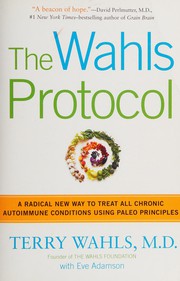
A physician's first-person account of using a nutrient-dense, whole-food diet to address autoimmune inflammation — motivating and grounded in mitochondrial science accessible to a general reader.

Surveys the peer-reviewed evidence on how specific whole plant foods reduce chronic disease risk, giving the reader a disease-by-disease lens on anti-inflammatory nutrition.
The Gut–Inflammation Connection
IntermediateUnderstand the gut microbiome's central role in regulating systemic inflammation, and learn how dietary fiber, fermented foods, and the gut lining interact.
▸ Study plan for this stage
Pace: 4–5 weeks, ~40–50 pages/day. Start with "The Good Gut" (Week 1–2, ~300 pages), then move to "Fiber Fueled" (Week 3–5, ~350 pages). Allow 2–3 days between books for integration and note-taking.
- The microbiome as a metabolic organ: how trillions of bacteria produce short-chain fatty acids (SCFAs) that regulate intestinal barrier function and systemic inflammation
- Dysbiosis and the leaky gut mechanism: how microbial imbalance compromises the intestinal epithelial barrier, allowing lipopolysaccharides (LPS) to trigger inflammatory cascades
- Dietary fiber as the primary fuel for beneficial bacteria: the distinction between soluble and insoluble fiber, and how different fiber types feed different microbial populations
- Fermented foods and probiotics: their role in populating the gut with beneficial organisms and supporting barrier integrity
- The gut–brain–immune axis: how microbial metabolites influence systemic immunity, mood, and metabolic health beyond the digestive tract
- Practical dietary intervention: translating microbiome science into specific food choices that promote microbial diversity and SCFA production
- How do short-chain fatty acids (particularly butyrate) produced by gut bacteria contribute to reducing systemic inflammation?
- What is dysbiosis, and how does it lead to a compromised intestinal barrier (leaky gut) that promotes inflammation?
- What is the difference between soluble and insoluble fiber, and why is dietary diversity important for feeding a diverse microbiome?
- How do fermented foods and probiotics differ in their mechanisms of action, and what role does each play in gut health?
- Explain the gut–brain–immune axis: how do microbial metabolites influence immune function and systemic health?
- What specific dietary changes can you make to increase fiber intake and promote the growth of anti-inflammatory bacterial populations?
- Food diary + microbiome audit: Track your diet for 3–5 days, then categorize each food by fiber type (soluble vs. insoluble) and fermentation status. Identify gaps in microbial-supporting foods.
- Fiber baseline assessment: Calculate your current daily fiber intake using a nutrition app or food database. Set a realistic target (25–35g/day for women, 35–40g/day for men) and plan a 2-week increase protocol.
- Fermented food taste test: Purchase 3–4 different fermented foods (sauerkraut, kimchi, kefir, kombucha, miso) and consume small amounts daily for 1 week. Journal any digestive or energy changes.
- Meal planning challenge: Design a 5-day meal plan that incorporates at least 3 fiber-rich whole foods per day and 1 fermented food per day, using recipes or meal ideas inspired by the books.
- Microbiome-friendly grocery list: Create a shopping list of 20+ foods that support microbial diversity (whole grains, legumes, vegetables, fruits, fermented items). Organize by food category and fiber content.
- Barrier function case study: Choose one inflammatory condition (e.g., IBS, eczema, depression) and trace the pathway from dysbiosis → leaky gut → systemic inflammation using concepts from both books. Write a 1–2 page summary.
Next up: This stage establishes the mechanistic foundation—*why* the gut microbiome matters for inflammation—preparing you to move into the next stage, which will focus on specific anti-inflammatory foods, meal timing, and personalized dietary protocols to optimize microbial health and reduce inflammation systemically.

Written by a Stanford microbiome researcher, this book builds a rigorous yet readable foundation in how gut bacteria are shaped by diet and how they modulate immune responses.
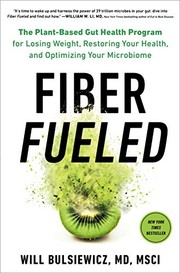
A gastroenterologist's deep dive into dietary fiber and microbiome diversity — the natural next step after Sonnenburg, with actionable guidance on diversifying plant intake.
Nutritional Science & the Evidence Base
IntermediateDevelop the scientific literacy to evaluate nutrition research critically, understand how studies are designed, and distinguish robust evidence from hype.
▸ Study plan for this stage
Pace: 6–7 weeks, ~25–30 pages/day. Read "In Defense of Food" (Week 1–3, ~200 pages), then "The Diet Myth" (Week 4–7, ~300 pages). Allocate 2–3 days per week for exercises and reflection.
- The reductionist fallacy in nutrition science: how isolating single nutrients obscures the complexity of whole foods and dietary patterns
- How industrial food systems and corporate funding shape nutrition research agendas and public health messaging
- Study design hierarchy: understanding randomized controlled trials, observational studies, and meta-analyses—and their respective limitations
- The microbiome as a dynamic system: how individual genetic variation and microbial diversity explain why 'one-size-fits-all' dietary advice fails
- Epidemiological correlation vs. causation: recognizing confounding variables and why association studies cannot prove dietary cause-and-effect
- How to read a nutrition paper critically: identifying bias, funding sources, sample size, duration, and generalizability of findings
- The role of metabolic individuality: why the same food produces different inflammatory responses in different people
- What does Pollan mean by 'nutritionism,' and how has it shaped the way nutrition science is conducted and communicated to the public?
- Explain the difference between a randomized controlled trial and an observational study. Why does Spector argue that observational studies are undervalued in nutrition science?
- How does the microbiome influence individual responses to the same foods, and what does this reveal about the limitations of universal dietary guidelines?
- Identify three ways corporate funding or food industry influence can bias nutrition research, using examples from either book.
- What is the distinction between correlation and causation in epidemiological studies? Give a specific example from the books of how this distinction matters.
- How would you critically evaluate a new nutrition study you encountered online? What red flags would you look for based on what you've learned?
- Annotate key passages in 'In Defense of Food' that illustrate nutritionism (e.g., the low-fat craze, isolated nutrient studies). Write a 1-page summary of how nutritionism distorts food science.
- Select a published nutrition study (from a journal or news article) and apply Spector's framework from 'The Diet Myth' to evaluate it: identify the study design, sample size, duration, funding source, and potential confounders.
- Create a comparison table contrasting reductionist vs. systems-based approaches to nutrition research, using specific examples from both books (e.g., cholesterol reduction vs. overall dietary pattern).
- Track your own food intake and inflammatory markers (energy, digestion, mood) for 2 weeks while reading 'The Diet Myth.' Reflect on how your individual responses align or diverge from general dietary recommendations.
- Write a critical letter to a food company or health organization critiquing a nutrition claim they've made, citing the research limitations discussed in both books.
- Create a 'red flags checklist' for evaluating nutrition claims: use Pollan's critique of nutritionism and Spector's discussion of study design to identify 8–10 warning signs of unreliable nutrition science.
Next up: This stage equips you to distinguish evidence-based anti-inflammatory principles from marketing hype, preparing you to evaluate specific dietary interventions and personalize recommendations based on individual microbiome and metabolic variation in the next stage.
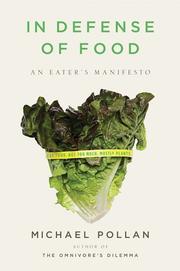
Pollan's deeper follow-up to Food Rules examines how Western nutritionism has distorted dietary advice, teaching the reader to read nutrition claims and research with healthy skepticism.
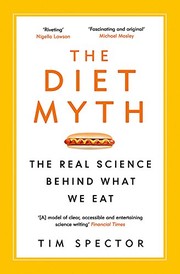
A leading epidemiologist dismantles popular nutrition myths using twin studies and microbiome data, sharpening the reader's ability to weigh evidence before moving to advanced texts.
Advanced Integration: Chronic Disease, Longevity & Precision Nutrition
ExpertSynthesize everything into a sophisticated, personalized understanding of how anti-inflammatory eating interacts with genetics, aging, and chronic disease management — always alongside medical care.
▸ Study plan for this stage
Pace: 8–10 weeks, ~40–50 pages/day (alternating between both books; start with "Outlive" for foundational framework, then weave in "The Inflammation Spectrum" for personalization)
- The four pillars of longevity (stability, strength, aerobic capacity, metabolic health) and how anti-inflammatory eating supports each
- Personalized metabolic assessment: understanding your own glucose response, lipid patterns, and inflammatory markers as a baseline for dietary choices
- The inflammation spectrum framework: how to identify where you fall on the spectrum and adjust anti-inflammatory strategies accordingly
- Gene-environment interactions: how genetics influence your response to specific foods and dietary patterns, and why one-size-fits-all approaches fail
- Chronic disease reversal through precision nutrition: practical protocols for managing metabolic syndrome, cardiovascular disease, autoimmune conditions, and cognitive decline
- The role of continuous monitoring (CGM, bloodwork, functional testing) in optimizing anti-inflammatory eating over time
- Integrating anti-inflammatory eating with medical care: when to supplement, when to work with specialists, and how to communicate with your healthcare team
- How do the four pillars of longevity from 'Outlive' interact with anti-inflammatory nutrition, and which pillar is most dependent on dietary choices?
- What is your personal inflammation spectrum baseline, and how would you design a dietary intervention tailored to your position on that spectrum?
- How do your genetics (family history, known genetic variants) influence your response to specific anti-inflammatory foods, and how would you test this?
- Describe a concrete protocol for managing a specific chronic condition (e.g., metabolic syndrome, autoimmunity, cognitive decline) using precision anti-inflammatory nutrition alongside medical care
- What markers would you track to assess whether your anti-inflammatory eating strategy is working, and how often would you reassess?
- How would you explain the difference between treating inflammation as a universal problem versus personalizing your approach based on your own inflammatory profile?
- Complete a personal metabolic assessment: gather your recent bloodwork (glucose, lipids, inflammatory markers like hsCRP, homocysteine), family health history, and current symptoms to establish your baseline on the inflammation spectrum
- Design your own precision nutrition protocol: select one chronic condition or health goal (from Attia's framework or your own concern), then use Cole's inflammation spectrum to create a 12-week dietary intervention with specific foods, meal timing, and monitoring checkpoints
- Conduct a 2-week food-response experiment: track one suspected inflammatory food (e.g., seed oils, refined carbs, a specific protein) using a symptom/energy/digestion log and optional CGM data to see your personal response pattern
- Create a gene-informed eating plan: research one genetic variant relevant to your health (e.g., APOE, FTO, MTHFR) using resources from both books, then adjust your anti-inflammatory strategy based on what you learn
- Build a medical integration document: outline how your anti-inflammatory eating plan complements any current medications or treatments you're on, including questions to ask your doctor and how you'll communicate progress
- Develop a quarterly reassessment protocol: design a schedule for retesting bloodwork, reassessing symptoms, and adjusting your anti-inflammatory strategy based on Attia's data-driven approach and Cole's spectrum framework
Next up: This stage equips you to move beyond generic anti-inflammatory advice into true personalized medicine—setting the foundation for either specialized disease-state protocols, advanced supplementation strategies, or coaching others through their own inflammation-to-longevity journey.

A physician-scientist's rigorous framework for longevity medicine, with detailed chapters on nutrition, metabolic health, and inflammation as they relate to the leading chronic diseases — ideal for readers ready to engage with primary research concepts.

Closes the curriculum by offering a personalized, functional-medicine perspective on identifying individual inflammatory triggers through food, synthesizing the whole-foods, gut-health, and evidence-based threads developed across all prior stages.
Discussion
Keep reading
Paths that share books, cover the same subject, or open a related topic.