Men's Health After 40: The Best Books to Stay Strong and Well
This curriculum takes a man from zero to deeply informed across the five pillars of health after 40 — hormones, fitness, heart, prostate, and longevity — in a logical build. It starts with big-picture lifestyle and mindset, moves into the science of aging and hormones, then drills into specific systems (heart, prostate, strength), and finally synthesizes everything into a long-game longevity strategy. Each stage equips you with the vocabulary and mental models needed to get more out of the next.
Foundations: The Big Picture of Men's Health
BeginnerUnderstand how the male body changes after 40, why lifestyle choices compound over time, and build a shared vocabulary for hormones, metabolism, and risk factors before diving into specifics.
▸ Study plan for this stage
Pace: 4–5 weeks, ~40–50 pages/day. Start with "Younger Next Year" (480 pages, ~2.5 weeks), then move to "The 4-Hour Body" (570 pages, ~2–2.5 weeks). Allow 2–3 days between books to consolidate notes.
- The biology of aging: how the male body's hormonal profile, muscle mass, and metabolic rate shift after 40 (from Younger Next Year's explanation of cellular renewal and decay)
- The compounding effect of lifestyle choices: how small daily decisions accumulate into major health trajectories over years and decades
- The role of exercise and movement in reversing age-related decline: the concept of 'renewal' through consistent physical activity
- Hormonal fundamentals: testosterone, cortisol, and growth hormone—what they do and how lifestyle affects them (from both books' frameworks)
- Metabolism and body composition: why fat loss and muscle gain work differently after 40, and the metabolic cost of inactivity
- Risk factors and early warning signs: cardiovascular health, inflammation, blood sugar regulation, and how to spot trouble early
- The psychology of sustainable change: why willpower fails and how to build systems that stick (Ferriss's optimization mindset)
- What does 'renewal' mean in the context of aging, and why is consistent exercise the primary lever for it according to Younger Next Year?
- How do lifestyle choices compound over time, and what is the difference between a man who stays active versus sedentary from age 40 to 70?
- What are the key hormonal changes that occur in men after 40, and how do exercise and sleep influence them?
- Why does the standard approach to diet and exercise often fail for men over 40, and what does Ferriss propose as an alternative?
- What are the early warning signs of metabolic decline, and how can you measure your own baseline health metrics?
- How do you build a sustainable system for health change rather than relying on motivation alone?
- Establish your baseline: measure resting heart rate, body weight, waist circumference, and take a photo. Record these in a simple spreadsheet—you'll return to these metrics throughout the curriculum.
- Read and annotate the 'Rules of the Game' section in Younger Next Year; create a one-page summary of the three non-negotiables (exercise, diet, friends) in your own words.
- Identify one 'minimum effective dose' workout from The 4-Hour Body (e.g., slow-carb diet, Occam's Protocol, or the 15-minute kettlebell routine) and commit to a 2-week trial; document how you feel.
- Interview a man over 50 about one significant health change he made after 40—what triggered it, what worked, what didn't. Write a one-page reflection on what you learned.
- Create a 'lifestyle audit': list your current exercise frequency, sleep schedule, typical meals, and stress level. Identify 2–3 areas where small changes could compound.
- Sketch a personal 'renewal timeline': plot your health trajectory from age 40 onward under two scenarios—one if you stay sedentary, one if you adopt the habits from these books. Make it visual and personal.
Next up: This stage establishes the *why* (aging is reversible through lifestyle) and the *what* (hormones, metabolism, and key metrics matter); the next stage will dive into the *how*—specific protocols for cardiovascular health, strength training, nutrition, and sleep optimization.
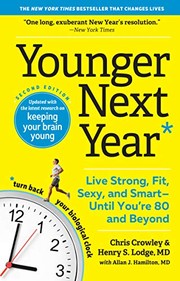
The ideal entry point — written for non-scientists, it explains the biology of aging in plain language and makes a compelling, motivating case for why exercise and lifestyle are the master levers of men's health after 40.
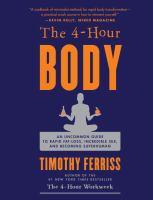
Introduces accessible, self-experimenter thinking about body composition, testosterone, and performance, giving beginners practical frameworks and curiosity before the deeper science arrives.
Hormones & Testosterone: Understanding the Engine
BeginnerUnderstand how testosterone and other hormones decline with age, what that means for energy, mood, libido, and muscle, and what evidence-based options exist — complementing rather than replacing a doctor's guidance.
▸ Study plan for this stage
Pace: 4–5 weeks, ~40–50 pages/day. Start with "Testosterone for Life" (weeks 1–2), then move to "The Testosterone Advantage Plan" (weeks 3–5). Allocate 2–3 days per book for review and note-taking.
- Testosterone's role in energy, mood, libido, muscle mass, bone density, and metabolic health across the lifespan
- Age-related testosterone decline (andropause): normal physiological changes vs. pathological hypogonadism
- How to recognize symptoms of low testosterone and understand their systemic effects
- Evidence-based assessment methods: when and why to test testosterone levels, interpreting results
- Lifestyle interventions (sleep, exercise, nutrition, stress management) as first-line approaches to optimize hormone health
- Pharmacological options (TRT, medications) and their benefits, risks, and appropriate use under medical supervision
- The relationship between testosterone and cardiovascular health, prostate health, and overall longevity
- Practical strategies to implement hormone-supporting habits into daily life
- What are the primary physiological functions of testosterone, and how do deficiencies in each domain (energy, mood, sexual function, muscle) manifest differently?
- What is the difference between normal age-related testosterone decline and clinical hypogonadism, and why does this distinction matter for treatment decisions?
- What lifestyle factors most significantly influence testosterone levels, and how can you prioritize them based on evidence?
- When is testosterone testing warranted, what do normal ranges look like, and how do you interpret results in the context of symptoms?
- What are the main evidence-based treatment options for low testosterone, and what are the key risks and benefits of each approach?
- How do you evaluate whether testosterone optimization is appropriate for your individual situation, and what role should a doctor play in that decision?
- Track your own baseline: Record your energy levels, mood, libido, and sleep quality for one week before starting the books; revisit this after completing the stage to identify patterns.
- Create a personal testosterone symptom checklist: List symptoms from the books that resonate with you, rate their severity, and note which lifestyle factors might be contributing.
- Design a 30-day lifestyle optimization plan: Based on the books' recommendations, identify 3–4 actionable changes (sleep, exercise, nutrition, stress) and commit to tracking them.
- Analyze your current sleep and exercise habits: Use the books' guidance to assess whether your sleep duration/quality and training approach are testosterone-supportive; identify one specific change.
- Research your local healthcare options: Identify 1–2 doctors (primary care, sports medicine, or endocrinology) who have experience with hormone assessment and can provide evidence-based guidance.
- Build a reference guide: Summarize key tables, normal testosterone ranges, symptom clusters, and lifestyle recommendations from both books into a one-page personal reference card.
Next up: This stage establishes the biological foundation and assessment framework for hormonal health, preparing you to explore specific lifestyle interventions (nutrition, exercise, sleep optimization) in depth in the next stage.
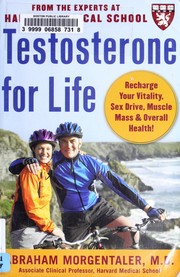
Written by a Harvard urologist, this is the most credible and readable primer on testosterone decline, symptoms, testing, and therapy — essential reading before forming any opinion on the topic.
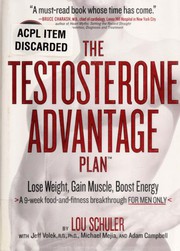
Bridges hormones and practical fitness, showing how training and nutrition directly influence testosterone levels — a natural follow-up that turns hormonal knowledge into daily action.
Heart Health & Metabolic Fitness
IntermediateDeeply understand cardiovascular risk, cholesterol, blood pressure, and metabolic health — the leading killers of men over 40 — and learn evidence-based strategies to assess and reduce personal risk.
▸ Study plan for this stage
Pace: 6–7 weeks, ~40–50 pages/day. Week 1–3: "Prevent and Reverse Heart Disease" (300 pages); Week 4–7: "The Great Cholesterol Myth" (280 pages). Allocate 2–3 days per book for review and integration.
- Atherosclerosis as a reversible disease: how arterial plaque formation begins, progresses, and can be halted or reversed through lifestyle intervention
- The plant-based whole-food approach: why Esselstyn's evidence-based nutrition model prioritizes whole grains, legumes, vegetables, and fruits while eliminating oil, animal products, and processed foods
- Cholesterol complexity: understanding LDL, HDL, triglycerides, particle size, and why total cholesterol and LDL alone are incomplete markers of cardiovascular risk
- The cholesterol myth debunked: how dietary saturated fat and dietary cholesterol have weaker links to heart disease than commonly believed, and what actually drives cardiovascular risk
- Metabolic syndrome and insulin resistance: the cluster of conditions (high blood pressure, elevated blood sugar, abnormal lipids, excess abdominal fat) that dramatically increase heart disease risk
- Blood pressure management: how lifestyle factors (diet, exercise, stress, sodium) directly influence hypertension and cardiovascular outcomes
- Inflammation and oxidative stress: the role of chronic inflammation as a root cause of atherosclerosis and how dietary choices modulate inflammatory markers
- Personal risk assessment: how to interpret lipid panels, blood pressure readings, and other biomarkers to establish baseline cardiovascular risk and track progress
- According to Esselstyn, what is the primary mechanism by which a plant-based whole-food diet reverses atherosclerosis, and what role does endothelial function play?
- What are the key differences between LDL particle size, HDL cholesterol, and triglycerides, and why does 'The Great Cholesterol Myth' argue that focusing only on total cholesterol is misleading?
- How do dietary saturated fat and dietary cholesterol differ in their actual impact on cardiovascular disease risk, and what does the evidence say about the traditional lipid hypothesis?
- What is metabolic syndrome, what are its five key components, and how does it increase heart disease risk independent of cholesterol levels?
- Describe the relationship between endothelial dysfunction, inflammation, and atherosclerosis progression as presented in 'Prevent and Reverse Heart Disease.'
- What lifestyle and dietary interventions does Esselstyn recommend for blood pressure control, and how do they compare to pharmaceutical approaches?
- Get a comprehensive lipid panel (total cholesterol, LDL, HDL, triglycerides) and blood pressure reading from your doctor; calculate your 10-year cardiovascular risk using a validated tool (e.g., Framingham or ASCVD calculator) and document baseline metrics.
- Adopt Esselstyn's plant-based whole-food diet for 2 weeks: plan and prepare 14 meals using only whole grains, legumes, vegetables, fruits, and nuts (no oils, animal products, or processed foods); journal energy levels, digestion, and any changes in how you feel.
- Create a personal 'cholesterol and metabolic profile' spreadsheet tracking LDL, HDL, triglycerides, blood pressure, fasting blood sugar, waist circumference, and inflammatory markers (if available); establish baseline and plan quarterly reassessment.
- Identify and eliminate one major source of dietary saturated fat or processed food from your current diet for 3 weeks; measure the impact on energy, weight, or biomarkers and reflect on barriers and benefits.
- Research and compare your current diet against Esselstyn's principles: list foods you regularly eat that conflict with his recommendations and brainstorm whole-food substitutes; commit to replacing 3–5 items this week.
- Perform a 30-minute moderate-intensity aerobic activity (brisk walking, cycling, swimming) 5 days per week for 4 weeks; track resting heart rate, blood pressure, and subjective cardiovascular fitness improvements weekly.
Next up: This stage equips you with a deep understanding of cardiovascular risk factors and evidence-based prevention strategies; the next stage will likely build on this foundation by exploring additional metabolic and lifestyle domains (such as weight management, diabetes prevention, or hormonal health) that compound or mitigate heart disease risk in men over 40.
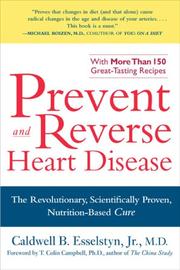
A landmark, research-backed book by a Cleveland Clinic physician that presents the strongest dietary case for heart disease reversal — important to read even if you don't adopt it fully, as it anchors the science.

Provides a counterbalancing, nuanced view of cholesterol and inflammation as risk factors, teaching the reader to think critically about lab numbers and have better-informed conversations with their doctor.
Prostate Health & Strength Training
IntermediateUnderstand prostate health, screening, and common conditions (BPH, prostatitis, cancer risk), while also mastering strength and muscle preservation — the two most neglected pillars of men's health after 40.
▸ Study plan for this stage
Pace: 8–10 weeks, ~40–50 pages/day (alternating between prostate guide and strength training book; 3–4 days per week for reading, 2–3 days for application)
- Prostate anatomy, function, and age-related changes: PSA levels, digital rectal exams (DRE), and screening guidelines for men over 40
- Benign Prostatic Hyperplasia (BPH): symptoms, risk factors, and evidence-based management strategies
- Prostatitis types (acute bacterial, chronic bacterial, chronic pelvic pain syndrome) and their clinical presentations
- Prostate cancer risk stratification, screening controversies, and decision-making frameworks for biopsy and treatment
- Progressive resistance training principles: exercise selection, load progression, and recovery for men 50+
- Muscle physiology in aging: sarcopenia, motor unit recruitment, and how strength training combats age-related muscle loss
- Program design for strength preservation: compound movements, training frequency, and periodization tailored to older men
- Integration of prostate health with physical activity: how strength training supports urological health and quality of life
- What are the key differences between BPH, prostatitis, and prostate cancer, and how do their symptoms and screening approaches differ?
- How should a man over 40 interpret PSA results and DRE findings, and what does the evidence say about screening recommendations?
- What are the main principles of progressive resistance training for men over 50, and why is load progression critical for muscle preservation?
- How does sarcopenia develop in aging men, and what specific strength-training adaptations does Westcott recommend to counteract it?
- How can a man design a sustainable, compound-movement-based strength program that fits realistic time constraints while supporting prostate health?
- What lifestyle and training modifications should men with BPH or prostatitis consider, and how do they interact with strength training?
- Complete a personal prostate health assessment: record your PSA history (if available), DRE results, urinary symptoms, and family history; identify your risk category using Walsh's framework
- Design a 12-week progressive strength-training program using Westcott's principles: select 6–8 compound exercises (squats, deadlifts, chest press, rows), establish baseline 1-rep max estimates, and plan weekly load increases
- Perform baseline strength testing: measure 1-rep max (or estimated max) for 3–4 key lifts; track resting heart rate, body composition, and grip strength as markers of muscle preservation
- Create a symptom and training log: if you have any urinary or prostate symptoms, track them weekly alongside your strength-training volume and intensity to identify correlations
- Conduct a case-study analysis: select one prostate condition from Walsh's book (BPH, prostatitis, or cancer risk profile), research its pathophysiology, and outline a personalized management strategy including strength training
- Implement one full training cycle (4–6 weeks): execute your designed program with proper form, progressive overload, and recovery; document adherence, perceived exertion, and any changes in urinary or prostate symptoms
Next up: This stage equips you with the clinical knowledge to recognize and manage prostate conditions while building the muscular foundation and training discipline needed for the next stage, which will likely deepen your understanding of hormonal health, cardiovascular resilience, and integrated lifestyle optimization for sustained vitality after 40.
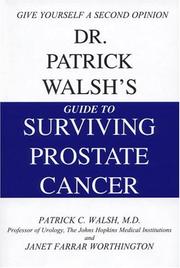
The definitive consumer guide to prostate health by one of the world's foremost urologists — covers screening, PSA testing, BPH, and cancer with the depth and authority every man over 40 needs.
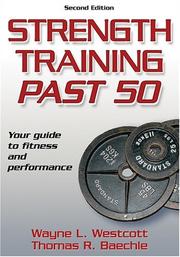
A science-based, age-specific strength training guide that addresses muscle loss (sarcopenia), bone density, and metabolic health — reads naturally after understanding why muscle is critical to longevity.
Longevity: The Long Game
ExpertSynthesize everything into a comprehensive, science-forward longevity strategy — integrating sleep, stress, nutrition, exercise, and emerging medicine to maximize healthspan, not just lifespan.
▸ Study plan for this stage
Pace: 8–10 weeks, ~40–50 pages/day. "Outlive" (~500 pages) over 4–5 weeks, then "Lifespan" (~480 pages) over 4–5 weeks. Allocate 1 week for integration and synthesis work.
- The Medicine 3.0 framework: shifting from disease treatment to proactive healthspan optimization through personalized, data-driven interventions
- The four pillars of longevity: exercise (especially zone 2 cardio and strength training), nutrition (metabolic health and protein sufficiency), sleep (non-negotiable foundation), and emotional health/stress management
- Aging as a biological process driven by hallmarks (genomic instability, telomere attrition, epigenetic drift, etc.) that can be measured, monitored, and partially reversed
- Metabolic health as the cornerstone: understanding insulin sensitivity, glucose control, and lipid profiles as predictive markers of longevity risk
- The role of NAD+, sirtuins, and cellular stress-response pathways (autophagy, mTOR) in aging, and how lifestyle interventions activate these protective mechanisms
- Personalized medicine and continuous monitoring: using biomarkers, genetic data, and self-tracking to tailor interventions and measure progress
- The primacy of consistency and behavior change: longevity strategies only work if sustained over decades; systems and accountability matter more than perfect protocols
- Emerging pharmacological tools (metformin, GLP-1 agonists, senolytics) and their evidence base for extending healthspan in humans
- What is Medicine 3.0, and how does it differ from the conventional medical model? Why does Attia argue it is necessary for longevity?
- Describe the four pillars of longevity and explain why each is non-negotiable. How do they interact with one another?
- What are the hallmarks of aging according to Sinclair, and how do they explain why we age at the cellular level?
- How do NAD+ and sirtuins function in aging, and what lifestyle interventions can activate these pathways? What does the evidence show?
- What is metabolic health, and why is it a better predictor of longevity than BMI or cholesterol alone? How would you assess your own metabolic health?
- Design a personalized longevity strategy for yourself using the frameworks from both books. What biomarkers would you track, and what interventions would you prioritize?
- What does Attia mean by 'the marginal 1%' and how does this concept apply to building sustainable longevity habits?
- Discuss the evidence for and limitations of pharmacological interventions (metformin, GLP-1 agonists, senolytics) in extending human healthspan.
- Complete a personal longevity audit: assess your current status across the four pillars (exercise, nutrition, sleep, emotional health) using Attia's framework. Identify your biggest gaps and rate your confidence in each area.
- Map your biomarkers: order a comprehensive metabolic panel, lipid panel, fasting glucose, insulin, and hs-CRP. Plot these against reference ranges and Attia's 'optimal' thresholds. Identify which markers need attention.
- Design a 90-day sleep optimization experiment: implement 3–5 sleep hygiene changes from Attia's recommendations (e.g., consistent bedtime, cool room, no screens 1 hour before bed). Track sleep quality and duration daily; measure cognitive and physical performance weekly.
- Build a zone 2 cardio protocol: using Attia's guidance, design a weekly exercise plan that includes 150–200 minutes of zone 2 work plus 1–2 sessions of strength training. Track heart rate zones and perceived exertion for 4 weeks.
- Conduct a nutrition audit: log your food intake for one week, then analyze macronutrient ratios, protein intake, and ultra-processed food percentage. Redesign one meal per day to improve metabolic health markers.
- Create a stress-management system: identify your top 3 stressors, then implement one intervention from Attia's emotional health section (e.g., meditation, therapy, social connection). Track stress levels and mood weekly.
- Develop a biomarker-tracking dashboard: set up a simple spreadsheet or app to monitor 5–8 key metrics (glucose, lipids, sleep, exercise volume, stress, weight, resting heart rate). Review monthly and adjust interventions based on trends.
- Write a 'longevity protocol document': synthesize Attia and Sinclair's recommendations into a personalized, written plan for the next 5 years. Include specific targets, timelines, and accountability mechanisms.
Next up: This stage equips you with a comprehensive, evidence-based longevity framework and the tools to implement it; the next stage will deepen expertise in specialized domains (e.g., advanced nutrition science, cutting-edge biomarkers, or emerging therapies) and teach you how to navigate the medical system and stay current as the science evolves.

The crown jewel of this curriculum — a physician-scientist's rigorous, deeply researched framework for longevity that ties together every topic covered (hormones, heart, cancer, fitness, mental health) into one unified strategy.

A Harvard geneticist's cutting-edge look at the biology of aging itself, covering NAD+, sirtuins, and emerging interventions — best read last, as it requires the full foundation built in prior stages to evaluate critically.
Discussion
Keep reading
Paths that share books, cover the same subject, or open a related topic.