Longevity: the science of living longer, better
This curriculum builds from accessible, big-picture introductions to longevity science all the way to the mechanistic and clinical depth needed to evaluate evidence yourself. Each stage assumes the vocabulary and mental models of the previous one, so reading in order prevents overwhelm and maximizes retention. By the end, the learner will be able to critically assess longevity research and design evidence-based personal health strategies.
Foundations: The Big Picture
BeginnerGrasp the core concepts of healthspan vs. lifespan, understand why we age, and get a compelling, science-grounded overview of the major levers (exercise, nutrition, sleep, stress) without needing prior biology knowledge.
▸ Study plan for this stage
Pace: 10–12 weeks total, reading ~25–35 pages/day on weekdays with weekends reserved for review and exercises. Suggested breakdown: Weeks 1–4 for "Outlive" (~320 pages), Weeks 5–8 for "Lifespan" (~300 pages), Weeks 9–11 for "Why We Sleep" (~330 pages), and Week 12 as a full integration and review week acr
- Healthspan vs. Lifespan: The distinction Attia draws in 'Outlive' between simply living longer (lifespan) and living better for longer (healthspan), framed around the 'four horsemen' of chronic disease — heart disease, cancer, neurodegenerative disease, and metabolic dysfunction.
- The Information Theory of Aging: Sinclair's central thesis in 'Lifespan' that aging is caused by a loss of epigenetic information — the body's ability to read its own DNA correctly — rather than DNA damage itself, and the role of sirtuins and NAD+ in maintaining that information.
- Longevity Medicine vs. 'Medicine 2.0': Attia's critique in 'Outlive' of reactive, disease-focused medicine ('Medicine 2.0') and his case for a proactive, prevention-first framework ('Medicine 3.0') that intervenes decades before disease manifests.
- The Survival Circuit & Hormesis: Sinclair's concept in 'Lifespan' that mild biological stressors — caloric restriction, cold, heat, exercise — activate ancient survival genes (sirtuins, AMPK, mTOR pathways) that slow aging, a principle known as hormesis.
- Exercise as the Most Powerful Longevity Lever: Attia's evidence-based breakdown in 'Outlive' of aerobic capacity (VO2 max) and strength/muscle mass as the two strongest predictors of long-term survival, and how to train each specifically.
- Sleep as a Biological Necessity, Not a Lifestyle Choice: Walker's core argument in 'Why We Sleep' that sleep is the foundational pillar of health — governing memory consolidation, immune function, hormonal regulation, and cellular repair — and that chronic sleep deprivation accelerates nearly every
- Glymphatic Clearance & Brain Aging: Walker's explanation in 'Why We Sleep' of the glymphatic system, which flushes toxic proteins (including amyloid-beta linked to Alzheimer's) from the brain almost exclusively during deep sleep, directly connecting sleep quality to neurodegeneration.
- The Unified Model of the Four Levers: The synthesis across all three books that exercise, nutrition, sleep, and stress management are not independent tips but interconnected biological inputs — each modulating the same core aging mechanisms (epigenetic noise, inflammation, metabolic health, cellular
- After reading 'Outlive,' can you explain in plain language what the difference between healthspan and lifespan is, name Attia's 'four horsemen,' and describe what 'Medicine 3.0' means in practice for how you approach your own health today?
- Based on 'Lifespan,' what is Sinclair's Information Theory of Aging, what role do sirtuins and NAD+ play in it, and why does he argue that aging itself should be classified and treated as a disease rather than an inevitability?
- Drawing from both 'Outlive' and 'Lifespan,' how do exercise and caloric restriction activate overlapping longevity pathways (e.g., AMPK, mTOR, sirtuins), and why does this suggest these interventions work at a fundamental biological level rather than just improving surface-level fitness?
- From 'Why We Sleep,' what are the two main stages of sleep (NREM and REM), what distinct biological functions does each serve, and what does Walker identify as the consequences of consistently getting fewer than 7 hours per night on metabolic health, immune function, and dementia risk?
- How do the arguments in 'Why We Sleep' connect to and reinforce the aging frameworks presented in 'Outlive' and 'Lifespan' — specifically, how does poor sleep accelerate the very disease processes (cardiovascular, metabolic, neurodegenerative) that Attia and Sinclair warn against?
- If you had to explain to a friend with no science background why the goal is not just to live to 100 but to be functionally capable and disease-free at 80, which specific arguments, metaphors, or data points from these three books would you use?
- Baseline Self-Audit (Week 1, during 'Outlive'): Using Attia's four horsemen and healthspan framework as a guide, write a 1-page personal health inventory. Note your current sleep duration, weekly exercise type and volume, dietary patterns, and any known metabolic markers (blood pressure, fasting glucose, etc.). This becomes your 'before' snapshot for the entire curriculum.
- VO2 Max Estimation & Zone 2 Trial (Weeks 2–4, during 'Outlive'): Use a free online calculator or a smartwatch to estimate your current VO2 max. Then complete three Zone 2 cardio sessions (conversational-pace effort, 30–45 min each) and log how they feel. Cross-reference with Attia's chapters on aerobic capacity to understand why he considers VO2 max the single strongest predictor of longevity.
- Concept Mapping: Sinclair's Aging Pathways (Weeks 5–8, during 'Lifespan'): Draw a hand-written diagram connecting the key players Sinclair introduces — sirtuins, NAD+, AMPK, mTOR, epigenetic noise, the survival circuit — showing how they interact. Add an arrow for each lifestyle intervention (fasting, exercise, cold exposure) and label which pathway it activates or suppresses. Redraw and refine it
- Sleep Diary & Architecture Experiment (Weeks 9–11, during 'Why We Sleep'): Keep a daily sleep log for the entire duration of reading Walker's book. Record bedtime, wake time, estimated sleep quality, and one cognitive/mood observation each morning. In week 10, implement Walker's top sleep hygiene recommendations (consistent schedule, dark/cool room, no screens 1 hour before bed) and note measurabl
- Cross-Book Synthesis Essay (Week 12): Write a 500–800 word essay titled 'My Personal Longevity Framework' that integrates all three books. It must include: your definition of healthspan (Attia), one aging mechanism you find most compelling (Sinclair), and one concrete sleep or lifestyle change you are committing to and why (Walker). This essay will serve as a reference document as you advance to l
- Teach-Back Exercise (End of Week 12): Explain the core ideas of this stage — what aging is, why it happens, and the four main levers — to someone who has not read these books (a friend, family member, or in a written post/journal entry). Use no jargon. If you cannot explain a concept simply, flag it and re-read the relevant section. Feynman-style teaching is the ultimate comprehension test.
Next up: Completing this stage gives you the 'why' and the big-picture map of aging; the next stage can now zoom in on the specific mechanisms and interventional science — such as the molecular biology of senolytics, advanced nutrition protocols, or precision biomarker tracking — with the confidence that every detail connects back to the foundational framework you have already internalized.

The ideal starting point — a practicing physician synthesizes the full landscape of longevity medicine (exercise, nutrition, sleep, mental health) in plain language. It establishes the vocabulary and framework every subsequent book builds on.

Introduces the leading scientific theories of why we age (the Information Theory of Aging, sirtuins, NAD+) in an accessible narrative. Reading it second lets Attia's clinical framing give context to Sinclair's more speculative molecular claims.
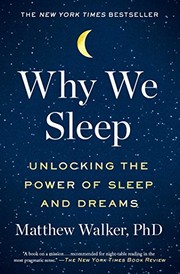
Sleep is one of the most powerful and underrated longevity levers; this book makes the case compellingly with neuroscience research. It deepens the sleep chapter from Attia with dedicated, book-length evidence.
Nutrition Science: Separating Signal from Noise
IntermediateDevelop a rigorous, evidence-based understanding of how diet affects longevity, cut through nutritional epidemiology confusion, and understand the roles of fasting, protein, and metabolic health.
▸ Study plan for this stage
Pace: 6–8 weeks total: Weeks 1–4 for "Good Calories, Bad Calories" (~30–35 pages/day, 5 days/week); Weeks 5–7 for "The Longevity Diet" (~25–30 pages/day, 5 days/week); Week 8 reserved for synthesis, journaling, and exercises.
- The carbohydrate-insulin hypothesis: how refined carbohydrates and sugar drive insulin dysregulation, fat storage, and metabolic disease — Taubes' central thesis in 'Good Calories, Bad Calories'
- Nutritional epidemiology's structural weaknesses: confounding variables, observational study limitations, dietary recall bias, and how consensus nutrition advice has been shaped by weak evidence (Taubes)
- Dietary fat rehabilitation: the historical dismantling of the diet-heart hypothesis and the distinction between saturated fat, unsaturated fat, and their actual roles in cardiovascular disease (Taubes)
- The concept of 'diseases of civilization': how industrialized diets — not dietary fat — correlate with obesity, diabetes, heart disease, and cancer across populations (Taubes)
- The Fasting Mimicking Diet (FMD): Valter Longo's clinically tested, periodic, plant-based low-calorie protocol designed to trigger cellular rejuvenation without chronic caloric restriction ('The Longevity Diet')
- Autophagy and cellular rejuvenation: how periodic fasting cycles promote the clearance of damaged cells and proteins, and why this mechanism is central to Longo's longevity framework
- The Five Pillars of Longevity: Longo's multi-source evidence framework combining epidemiology, model organisms, clinical studies, centenarian research, and complex systems biology to validate dietary recommendations
- Protein quantity and source for longevity: Longo's evidence for moderate-to-low protein intake (especially animal protein) during mid-life, the IGF-1/mTOR pathway, and how protein needs shift after age 65
- According to Taubes in 'Good Calories, Bad Calories,' what specific methodological failures allowed the diet-heart hypothesis to dominate public health policy for decades, and what does he argue the evidence actually shows?
- How does Taubes distinguish between the effects of dietary fat and dietary carbohydrates on insulin, lipid metabolism, and body composition — and what does this imply for how we should evaluate nutritional studies?
- What are Longo's 'Five Pillars of Longevity,' and why does he argue that relying on any single pillar (e.g., epidemiology alone) produces misleading dietary recommendations?
- How does the Fasting Mimicking Diet differ mechanistically from chronic caloric restriction, and what specific biological processes — such as autophagy and stem cell activation — does Longo claim it triggers?
- Where do Taubes and Longo agree and disagree on macronutrient composition? How do their respective stances on carbohydrates, protein, and fat converge or conflict, and how do you reconcile the tension?
- How does Longo's research on IGF-1 and mTOR signaling connect protein intake to aging rate, and how does his recommendation change across different life stages (mid-life vs. post-65)?
- **Nutritional Epidemiology Audit:** Find one widely reported nutrition study (e.g., a meta-analysis on red meat or saturated fat). Apply Taubes' critique framework from 'Good Calories, Bad Calories': identify confounders, check whether it is observational or interventional, assess dietary recall methods, and write a one-page evaluation of how much weight the study deserves.
- **Personal Metabolic Baseline:** Before or during reading 'The Longevity Diet,' record a 7-day food diary. After finishing Longo's book, score your diet against his longevity-promoting framework (protein sources, meal timing, plant-to-animal ratio, processed food load) and identify your top three areas for change.
- **Taubes vs. Longo Comparison Matrix:** Create a two-column table mapping both authors' positions on at least six dimensions: carbohydrate role, dietary fat, protein intake, meal frequency, fasting, and the quality of evidence they trust. Note where they reinforce each other and where they contradict.
- **FMD Simulation Journal:** Following Longo's guidelines in 'The Longevity Diet,' attempt one 5-day Fasting Mimicking Diet cycle (consult a physician first if needed). Keep a daily log of energy, hunger, mood, and cognitive clarity. Afterward, reflect on which of Longo's predicted physiological effects you noticed subjectively.
- **'Diseases of Civilization' Research Brief:** Choose one population Taubes references (e.g., Pima Indians, Tokelau Islanders, or Yemenite Jews) and independently research their dietary transition and health outcomes. Write a 300-word brief assessing whether the data supports or complicates Taubes' argument.
- **Synthesis Essay — Your Personal Evidence Standard:** After completing both books, write a 500-word essay answering: 'What level and type of evidence would convince me to make a permanent dietary change?' Use specific examples and critiques drawn from both 'Good Calories, Bad Calories' and 'The Longevity Diet' to justify your standard.
Next up: By mastering how diet influences insulin signaling, cellular repair (autophagy), and aging pathways like IGF-1/mTOR, the reader has built the metabolic foundation needed to understand the next stage's focus on exercise, sleep, and other lifestyle levers that operate through many of the same biological mechanisms.

A deep investigative history of nutrition science that teaches the learner how to read and critique dietary research — essential critical-thinking scaffolding before diving into specific dietary protocols.

Longo is one of the world's leading longevity researchers; this book presents his lab's findings on fasting-mimicking diets and protein restriction with direct ties to lifespan data in model organisms and humans.
Exercise & the Body: The Most Powerful Drug
IntermediateUnderstand the deep physiology of how exercise extends healthspan — from VO2 max and muscle mass to cardiovascular and metabolic adaptations — and learn how to apply it practically.
▸ Study plan for this stage
Pace: 6–8 weeks total: Weeks 1–4 for "Exercised" (~25–30 pages/day, ~5 days/week); Weeks 5–7 for "The Comfort Crisis" (~20–25 pages/day, ~5 days/week); Week 8 reserved for review, reflection journaling, and completing all exercises.
- Evolutionary mismatch: Lieberman's core argument that humans evolved to be physically active only when necessary — meaning sedentary modern life is the anomaly, not the norm, and why this matters for disease and aging
- VO2 max as the single strongest predictor of all-cause mortality and healthspan — how aerobic capacity declines with age and how exercise is the most potent intervention to slow that decline
- Muscle mass, strength, and 'muscle as a longevity organ' — the role of skeletal muscle in metabolic health, insulin sensitivity, and physical resilience into old age
- Cardiovascular and metabolic adaptations from exercise — cardiac remodeling, mitochondrial biogenesis, improved lipid profiles, and reduced chronic inflammation
- The 'comfort crisis' thesis from Easter: how the systematic removal of physical and psychological discomfort from modern life accelerates physical and mental decline
- Hormesis and the misogi principle — the idea that deliberate, hard, uncomfortable challenges (physical and mental) produce adaptive stress responses that strengthen the body and mind
- The role of nature, open-ended physical challenges, and 'rewilding' movement patterns in restoring the kind of varied, unpredictable physical stress humans evolved to need
- Practical dose-response: how much, what type, and what intensity of exercise produces the greatest longevity returns — and the danger of both too little AND too much comfort
- According to Lieberman, why is it biologically inaccurate to call humans 'lazy'? How does the evolutionary logic of energy conservation explain modern sedentary behavior — and why does that make it harder, not easier, to fix?
- What does Lieberman's evidence say about the specific diseases and aging processes most strongly linked to physical inactivity, and which types of exercise most effectively counter each?
- How does Easter's 'comfort crisis' extend or challenge Lieberman's evolutionary framework? Where do the two authors agree and where do their prescriptions diverge?
- What is the hormetic stress response, and how does Easter use it to argue that modern life's removal of discomfort is itself a health risk — not just a lack of benefit?
- Using both books, how would you design a weekly movement practice for a sedentary 45-year-old that addresses VO2 max, muscle mass, metabolic health, AND psychological resilience?
- What does Easter's 'misogi' concept add to a purely physiological understanding of exercise? Is there evidence from Lieberman's work that supports the idea that hard, open-ended physical challenges have unique benefits?
- VO2 max baseline test: Use a validated field test (e.g., the 12-minute Cooper Run or a ramp test on a stationary bike) to estimate your current VO2 max. Record it, look up age-based percentile charts, and set a 3-month improvement target informed by Lieberman's data on aerobic capacity and mortality risk.
- Comfort audit journal: For one full week, log every instance where you chose comfort over mild physical challenge (elevator vs. stairs, car vs. walk, heated seat vs. cold morning walk). At the end of the week, categorize your findings using Easter's framework and identify 3 'comfort defaults' to deliberately replace.
- Design a 'Lieberman-informed' movement week: Using the exercise prescriptions implied in 'Exercised,' build a 7-day plan that includes zone 2 cardio, two strength sessions, and unstructured movement. Write a one-paragraph rationale for each element citing specific arguments from the book.
- Misogi planning exercise: Following Easter's misogi framework, identify one physically and mentally challenging event (a long hike, a cold-water swim, a loaded ruck) that you could realistically complete within 3 months. Write a preparation plan that addresses the physical adaptations (cardiovascular, muscular) discussed by Lieberman.
- Comparative annotation exercise: Re-read one chapter from 'Exercised' (recommended: the chapter on cardio or sitting) and one chapter from 'The Comfort Crisis' (recommended: the rucking or wilderness sections) back-to-back. Write a one-page synthesis identifying where the science (Lieberman) and the lived experience (Easter) reinforce each other — and where tension exists.
- Metabolic health self-assessment: Research your own key biomarkers (resting heart rate, waist circumference, fasting glucose if available). Map each marker to the specific physiological mechanisms described in 'Exercised' and identify which exercise modalities Lieberman's evidence suggests would most improve your weakest marker.
Next up: By establishing exercise as the foundational physiological lever for healthspan — and reframing discomfort as a necessary input rather than a problem to solve — this stage primes the reader to explore how nutrition, sleep, and other lifestyle interventions interact with and amplify (or undermine) the adaptations that movement creates.

An evolutionary biologist dismantles myths about exercise and explains what kinds of movement the human body actually needs for long-term health. Provides the 'why' behind exercise prescriptions.

Explores how chronic comfort and physical ease accelerate aging, and how deliberate physical and mental challenge drives resilience. Bridges exercise science with behavioral psychology to motivate lasting change.
The Biology of Aging: Going Deeper
ExpertUnderstand the cellular and molecular mechanisms of aging — senescence, mTOR, autophagy, mitochondrial dysfunction, and inflammation — well enough to evaluate primary research and emerging interventions.
▸ Study plan for this stage
Pace: 6–8 weeks total: Weeks 1–3 cover "Healthy Aging" by Andrew Weil (~25–30 pages/day, including re-reading dense mechanistic sections); Weeks 4–7 cover "The Telomere Effect" by Dr. Elizabeth Blackburn (~20–25 pages/day, with slower pacing for the molecular biology chapters); Week 8 is reserved for synt
- Cellular senescence: how senescent cells accumulate, the senescence-associated secretory phenotype (SASP), and their role in tissue aging and chronic inflammation — as framed through Weil's integrative biology lens
- The mTOR signaling pathway as a master regulator of cell growth, metabolism, and aging, and how dietary patterns (especially caloric restriction) modulate it — a thread running through Weil's nutritional chapters
- Autophagy as the cell's self-cleaning mechanism: how its decline with age contributes to the buildup of damaged organelles and proteins, and why Weil connects lifestyle factors (fasting, phytonutrients) to its activation
- Mitochondrial dysfunction: the role of reactive oxygen species (ROS), mitochondrial DNA damage, and declining ATP production in the aging phenotype, as Weil synthesizes from oxidative stress research
- Telomere biology: structure, the role of telomerase, and how telomere shortening acts as a molecular clock for cellular aging — the central scientific contribution of Blackburn's work
- The Telomere Effect's evidence base for lifestyle-telomere interactions: how chronic psychological stress, sleep, exercise, and diet measurably alter telomerase activity and telomere length
- Inflammaging: the concept of chronic low-grade systemic inflammation as both a cause and consequence of aging, bridging Weil's anti-inflammatory framework with Blackburn's cellular stress data
- Critical appraisal of emerging interventions: distinguishing robust mechanistic evidence from preliminary findings in both books, including senolytics, telomerase activators, and anti-inflammatory protocols
- After reading Weil, can you explain the relationship between mTOR inhibition, autophagy induction, and longevity — and identify at least two dietary or lifestyle levers he proposes to influence this pathway?
- How does Weil distinguish between 'normal' oxidative stress (hormesis) and pathological mitochondrial ROS production, and what does this imply for antioxidant supplementation strategies?
- Based on Blackburn's research, what is the mechanistic chain from chronic psychological stress → cortisol dysregulation → telomerase suppression → accelerated telomere shortening, and what is the strength of the current evidence for each link?
- How do the SASP factors secreted by senescent cells contribute to the 'inflammaging' phenotype, and how do Weil's and Blackburn's frameworks each address this phenomenon?
- Where do Weil and Blackburn agree and disagree on the relative weight of genetic versus lifestyle determinants of biological aging rate?
- What are the key methodological limitations of the telomere length studies cited in 'The Telomere Effect,' and how should they temper your interpretation of the intervention recommendations?
- Mechanism mapping: After finishing each book, draw a single-page systems diagram connecting the core pathways covered (mTOR, autophagy, mitochondria, telomeres, SASP/inflammaging). Use arrows to show activating and inhibiting relationships, then annotate each node with the lifestyle or molecular intervention each author associates with it.
- Primary literature dive: For one specific claim in 'The Telomere Effect' (e.g., meditation increasing telomerase activity), locate the original study cited, read the abstract and methods section, and write a 200-word critical appraisal assessing sample size, controls, and effect size.
- Comparative annotation: As you read both books, keep a running two-column log — 'Mechanistic claim' vs. 'Level of evidence offered (anecdote / epidemiology / RCT / molecular).' Review the log at the end to identify which mechanisms have the strongest vs. weakest empirical support across both authors.
- Intervention audit: Choose one intervention recommended by Weil (e.g., an anti-inflammatory dietary pattern) and trace it through Blackburn's framework — does Blackburn's telomere data support, contradict, or remain silent on Weil's recommendation? Write a one-page synthesis.
- Teach-back exercise: Record or write a 5-minute explanation of cellular senescence and the SASP as if presenting to a peer who has read neither book. Use only concepts grounded in what Weil and Blackburn actually present, avoiding outside sources.
- Glossary construction: Build a personal glossary of 20+ molecular biology terms encountered across both books (e.g., telomerase, mTOR, autophagosome, ROS, senolytic). For each term, write the definition in your own words and cite the page/chapter where each author uses it, noting any differences in how they frame the concept.
Next up: By mastering the cellular and molecular mechanisms in Weil and Blackburn — senescence, telomere dynamics, mTOR, autophagy, and inflammaging — the reader has built the biological vocabulary and critical lens needed to rigorously evaluate specific longevity interventions (pharmacological, nutritional, and behavioral) in the next stage, moving from *how aging works* to *what can be done about it*.

Bridges the gap between popular science and clinical depth, covering inflammation and the anti-inflammatory lifestyle with a systems-medicine perspective that prepares the reader for more mechanistic material.

Written by a Nobel laureate, this book explains telomere biology and cellular aging with scientific authority. It connects molecular mechanisms directly to lifestyle factors, tying together all prior stages of the curriculum.
Synthesis: Mind, Stress & the Whole Person
ExpertIntegrate the biological, psychological, and social dimensions of longevity — understanding how stress, purpose, and community are as important as any biomarker — and consolidate a personal, evidence-based healthspan philosophy.
▸ Study plan for this stage
Pace: 6–8 weeks total: Weeks 1–4 on "Why Zebras Don't Get Ulcers" (~25–30 pages/day, including chapter reflection pauses); Weeks 5–7 on "The Blue Zones" (~20–25 pages/day with journaling); Week 8 reserved for synthesis, cross-book comparison, and personal philosophy writing.
- The stress-response system (HPA axis, cortisol, sympathetic nervous system) and how chronic psychological stress — unlike acute animal stress — causes cumulative physiological damage across nearly every organ system
- Allostatic load: the 'wear and tear' cost of repeatedly mobilizing the stress response, and how it accelerates biological aging and disease risk beyond what any single biomarker captures
- Psychosocial modulators of stress: perceived control, predictability, social support, and outlet for frustration are Sapolsky's four key variables that determine whether a stressor harms or spares health
- The mind-body feedback loop: how personality, rank, trauma history, and even optimism measurably alter immune function, cardiovascular health, and telomere length
- Blue Zones as natural experiments: Sardinia, Okinawa, Loma Linda, Nicoya, and Ikaria as living proof that longevity is a systemic, community-level phenomenon — not purely genetic or medical
- The Power 9 framework (Buettner): plant-slant diet, natural movement, purpose (ikigai/plan de vida), downshift rituals, belonging, loved ones first, right tribe — and how each maps onto a biological mechanism identified by Sapolsky
- Social integration and community as a biological intervention: loneliness elevates cortisol and inflammatory markers; strong social ties suppress them — connecting Sapolsky's neuroscience to Buettner's field observations
- Constructing a personal healthspan philosophy: synthesizing biomarkers, stress physiology, behavioral ecology, and social architecture into a coherent, individualized, evidence-based framework
- According to Sapolsky, why do humans — unlike zebras — suffer chronic stress-related disease, and which four psychosocial variables most powerfully modulate the harm a stressor causes?
- What is allostatic load, and how does it serve as a more complete picture of aging risk than any single biomarker such as blood pressure or fasting glucose?
- Across Buettner's five Blue Zones, which lifestyle and social factors appear in every region regardless of culture, diet, or geography — and what does that convergence imply about causality vs. correlation?
- How do the neurobiological mechanisms Sapolsky describes (e.g., cortisol suppressing immune function, hippocampal atrophy under chronic stress) help explain the longevity outcomes Buettner observes in communities with strong social bonds and clear purpose?
- Buettner's centenarians rarely 'exercise' deliberately yet remain physically active into old age. How does Sapolsky's stress physiology help explain why joyless, obligatory exercise might be less protective than natural, embedded movement?
- Having read both books, how would you design the social and psychological architecture of your own daily life to minimize allostatic load while maximizing the Blue Zone factors — and which two changes would have the highest expected impact for you personally?
- Allostatic Load Audit: After finishing Sapolsky, list every recurring stressor in your life and rate each on his four variables (control, predictability, social support, outlet). Score your total 'load' and identify the two highest-leverage levers to pull.
- Stress-Response Journaling (2 weeks, during Sapolsky): Each evening, note one stressful event, your physiological reaction (heart rate, sleep, appetite), and which psychosocial modulator was absent. Track patterns across the two weeks.
- Blue Zone Lifestyle Mapping: After finishing Buettner, map your own daily life against the Power 9. Use a simple table: one column per Blue Zone factor, rows for 'current practice,' 'gap,' and 'one concrete change.' Prioritize by feasibility.
- Cross-Book Synthesis Essay (500–800 words): Write an essay titled 'What Sapolsky's lab explains about Buettner's villages.' For each Blue Zone Power 9 factor, cite at least one specific biological mechanism from Sapolsky that explains *why* it works.
- Purpose Statement Draft: Buettner highlights ikigai and plan de vida. Write a one-paragraph personal purpose statement, then stress-test it against Sapolsky: does living this purpose reduce or increase your allostatic load? Revise accordingly.
- Community Architecture Experiment: Identify one existing social group or ritual in your life and deliberately deepen it for four weeks (e.g., a regular shared meal, a walking group, a volunteer commitment). At the end, journal changes in perceived stress, sleep quality, and mood — your own mini Blue Zone field study.
Next up: By internalizing how stress physiology, purpose, and community function as master regulators of healthspan, the reader is now equipped to critically evaluate any specific clinical intervention — whether pharmaceutical, dietary, or technological — through the lens of the whole person, making the next stage's deeper dive into precision medicine and longevity science far more discerning and grounded.
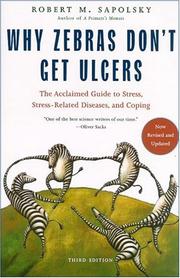
The definitive science of chronic stress and its devastating effects on nearly every system relevant to aging. Sapolsky's wit makes dense neuroendocrinology accessible, and it fills the critical stress-biology gap left by earlier books.
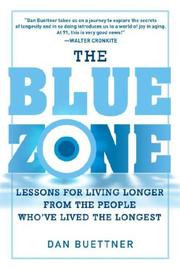
A perfect capstone — real-world, population-level evidence of what extraordinarily long-lived communities actually do. It grounds all the molecular and clinical science in lived human experience and reinforces the social and purposeful dimensions of longevity.
Discussion
Keep reading
Paths that share books, cover the same subject, or open a related topic.