Heart Health: The Best Books to Lower Cholesterol and Prevent Heart Disease
This curriculum takes a beginner from core heart-health literacy — understanding what cholesterol, blood pressure, and cardiovascular risk actually mean — through evidence-based dietary strategies, and finally into the deeper clinical and nutritional science behind preventing and even reversing heart disease. Each stage builds the vocabulary and conceptual framework needed to get full value from the next, so no prior medical knowledge is assumed at the start.
Foundations: Understanding Heart Health
BeginnerGrasp what cholesterol, blood pressure, and cardiovascular risk really mean, and why lifestyle choices matter — building the essential vocabulary for everything that follows.
▸ Study plan for this stage
Pace: 4–5 weeks, ~40–50 pages/day (approximately 280–350 pages total across both books)
- Cholesterol is not inherently 'bad'—the body needs it for hormone production, cell membranes, and brain function; the real issue is oxidized cholesterol and inflammation
- LDL and HDL cholesterol have nuanced roles; small, dense LDL particles are more atherogenic than large, buoyant ones, and HDL's quality matters more than quantity alone
- Blood pressure is a key cardiovascular risk marker, but must be understood alongside inflammation, endothelial dysfunction, and arterial stiffness rather than in isolation
- The traditional lipid panel (total cholesterol, LDL, HDL, triglycerides) is incomplete; advanced markers like particle size, apoB, lipoprotein(a), and inflammatory markers provide better risk assessment
- Lifestyle factors—diet quality, exercise, sleep, stress management, and avoiding smoking—are the primary drivers of cardiovascular health and often outweigh medication alone
- Cardiovascular disease is multifactorial; understanding the interplay between genetics, inflammation, oxidative stress, and lifestyle choices is essential for prevention
- The cholesterol hypothesis and statin-centric approach have limitations; a more nuanced view considers individual risk profiles and root causes of disease
- Why is cholesterol not simply 'good' or 'bad,' and what role does oxidation and inflammation play in cardiovascular disease?
- What are the differences between LDL particle size, HDL quality, and other advanced lipid markers, and why do they matter more than total cholesterol alone?
- How do blood pressure, endothelial function, and arterial stiffness interconnect, and what makes them important independent risk factors?
- What lifestyle interventions (diet, exercise, sleep, stress) have the strongest evidence for improving heart health, and how do they work mechanistically?
- What are the limitations of the traditional lipid panel and statin-centric model, and what additional markers should be considered for a complete cardiovascular risk assessment?
- How do genetics, inflammation, and lifestyle choices interact to determine cardiovascular disease risk?
- Create a personal cardiovascular risk profile: gather your own lipid panel, blood pressure, and family history, then map it against the risk factors discussed in both books to identify your top 3–4 modifiable risks
- Track your diet for one week and categorize foods by their inflammatory potential (using the framework from 'The Great Cholesterol Myth'); identify which meals increase or decrease inflammation markers
- Design a 4-week lifestyle intervention plan targeting one major risk factor (e.g., sleep quality, stress, or exercise frequency); measure baseline and end-point metrics (energy, mood, blood pressure if possible)
- Create a visual comparison chart: traditional lipid panel vs. advanced markers discussed in 'Healthy Heart, Healthy Brain'; annotate which markers each book emphasizes and why
- Interview a family member about their cardiovascular health history and lifestyle; apply the concepts from both books to explain their risk profile and suggest evidence-based interventions
- Write a 2–3 page reflection: explain how your understanding of cholesterol and heart disease has shifted after reading both books, and identify which myths or misconceptions you previously held
Next up: This foundation equips you with the vocabulary, risk-factor framework, and understanding of why lifestyle matters, enabling the next stage to dive into specific dietary and supplement strategies with full context for how they mechanistically improve cardiovascular health.

A highly accessible, science-backed starting point that explains how heart disease develops and introduces the key risk factors (cholesterol, blood pressure, inflammation) in plain language — perfect for a true beginner.

Challenges common misconceptions about LDL and dietary fat, giving the reader a more nuanced, evidence-grounded picture of what cholesterol numbers actually mean before diving into dietary interventions.
Eating for a Healthier Heart
BeginnerLearn practical, science-supported dietary patterns — Mediterranean, plant-rich, and whole-food approaches — that measurably lower cholesterol, blood pressure, and cardiovascular risk.
▸ Study plan for this stage
Pace: 8–10 weeks, ~25–30 pages/day. Week 1–3: "The Mediterranean Diet" (300 pages); Week 4–6: "Eat to Beat Disease" (480 pages); Week 7–10: "The Whole Heart Solution" (320 pages). Include 2–3 days per week for review, meal planning, and exercise implementation.
- The Mediterranean diet's core components: olive oil, fish, whole grains, legumes, nuts, and seasonal vegetables as the foundation for cardiovascular health
- Angiogenesis and food's role in activating the body's natural disease-fighting mechanisms, particularly through plant-based foods and specific nutrients
- The relationship between dietary patterns and measurable biomarkers: LDL cholesterol, blood pressure, triglycerides, and inflammation markers
- Whole food prioritization over processed foods and supplements: how real foods contain synergistic compounds that isolated nutrients cannot replicate
- Practical implementation strategies: meal planning, grocery shopping, cooking techniques, and eating patterns that fit modern lifestyles
- The science of plant-rich eating: how phytonutrients, fiber, and polyphenols work to protect arterial health and reduce cardiovascular risk
- Sustainable dietary transitions: moving from restrictive 'dieting' to embracing abundance-based, enjoyable eating patterns for long-term adherence
- What are the five foundational food groups of the Mediterranean diet, and how does each contribute to lowering cholesterol and blood pressure?
- How does angiogenesis relate to cardiovascular health, and which foods discussed in 'Eat to Beat Disease' activate this process most effectively?
- What specific dietary changes would you make to reduce your LDL cholesterol and blood pressure based on the three books, and why would each change work?
- How do whole foods differ from supplements or isolated nutrients in their ability to prevent cardiovascular disease, according to William W. Li?
- What are the main barriers to adopting a Mediterranean or plant-rich diet, and what practical strategies from 'The Whole Heart Solution' address these obstacles?
- How would you design a week of meals that incorporates principles from all three books while fitting your current lifestyle and food preferences?
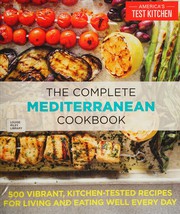
- Plan and prepare three complete Mediterranean-style meals (breakfast, lunch, dinner) using recipes or guidance from Cloutier's book; photograph and journal how you felt physically and mentally afterward
- Create a personal 'angiogenesis-activating foods' shopping list based on Li's recommendations, then shop for and stock your pantry with 10–15 of these items
- Track your current diet for 3 days (before changes), then implement one major dietary shift from the books for 2 weeks and measure/record changes in energy, digestion, or any available biomarkers (cholesterol, blood pressure)
- Conduct a kitchen audit: identify processed foods you currently eat regularly, research their Mediterranean or whole-food alternatives using the books, and swap 5 items
- Prepare a detailed 7-day meal plan that incorporates Mediterranean principles, disease-fighting foods from Li, and heart-healthy strategies from Kahn; include shopping list and prep timeline
- Interview or observe someone who successfully follows a Mediterranean or plant-rich diet; document their strategies, favorite meals, and how they overcame initial challenges
Next up: This stage establishes the dietary foundation and practical skills needed to lower cardiovascular risk through food choices, preparing you to understand how these dietary patterns interact with other lifestyle factors—exercise, stress management, sleep, and medical monitoring—in the next stage.
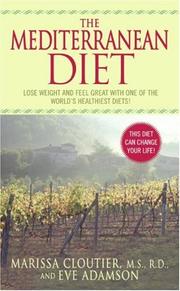
Introduces the most rigorously studied heart-protective eating pattern in an approachable format, building directly on the risk-factor vocabulary established in Stage 1.

Explains the biological mechanisms by which specific foods defend the cardiovascular system, bridging everyday eating choices with the underlying science in a reader-friendly way.

A cardiologist's practical guide that synthesizes diet, lifestyle, and supplements for heart health — a natural capstone to the dietary stage before moving into deeper clinical territory.
Going Deeper: The Science of Prevention
IntermediateUnderstand the clinical and nutritional science behind cardiovascular disease prevention, including the roles of inflammation, insulin resistance, and advanced lipid markers.
▸ Study plan for this stage
Pace: 8–10 weeks, ~40–50 pages/day (approximately 2–3 weeks per book with time for reflection and integration)
- Endothelial dysfunction as the root cause of atherosclerosis and how plant-based nutrition reverses it (Esselstyn)
- The role of inflammation, oxidative stress, and arterial injury in cardiovascular disease progression
- Insulin resistance and metabolic syndrome as drivers of heart disease independent of cholesterol alone
- Advanced lipid markers beyond LDL: particle size, particle number, apoB, triglyceride-to-HDL ratio, and Lp(a) (Moore)
- The limitations of statin-only approaches and the importance of lifestyle modification as primary prevention (Cooke, Esselstyn)
- How dietary patterns (whole-food plant-based vs. processed foods) directly affect arterial health and lipid profiles
- The connection between blood sugar control, insulin sensitivity, and cardiovascular risk reduction
- Personalized prevention strategies: integrating clinical markers, genetic risk, and individual metabolic response
- What is endothelial dysfunction and why does Esselstyn argue it is the fundamental problem in atherosclerosis rather than cholesterol alone?
- How do inflammation and oxidative stress contribute to arterial injury, and what dietary and lifestyle factors reduce them?
- What is insulin resistance, how does it promote cardiovascular disease, and what role does it play in the metabolic syndrome?
- Beyond LDL cholesterol, what are the advanced lipid markers Moore discusses (apoB, particle size, Lp(a), triglyceride-to-HDL ratio) and why do they matter for individual risk assessment?
- What is the evidence Cooke and Esselstyn present for lifestyle modification (diet, exercise, stress management) as a primary prevention strategy, and when might medications be necessary?
- How do different dietary patterns (whole-food plant-based, Mediterranean, low-carb) affect endothelial function, inflammation, and lipid profiles according to these authors?
- Track your own lipid panel (standard and advanced markers if available) and interpret the results using Moore's framework; identify which markers are suboptimal and why they matter for your individual risk
- Design a 2-week meal plan using Esselstyn's plant-based principles and document how you feel, energy levels, and any digestive changes; compare to your baseline diet
- Calculate your triglyceride-to-HDL ratio and 10-year cardiovascular risk using online calculators; reflect on how this differs from your LDL number alone
- Conduct a personal inflammation audit: identify your top sources of processed foods, added sugars, and oxidative stress (sleep, exercise, stress); create a targeted reduction plan for one area
- Interview a healthcare provider or research case studies from the books to identify a patient with insulin resistance; trace how their cardiovascular risk changed with lifestyle intervention
- Create a one-page summary comparing Esselstyn's, Cooke's, and Moore's approaches to prevention; note where they agree and where they differ on diet, supplements, and medication
Next up: This stage equips you with the mechanistic understanding of how cardiovascular disease develops and how to prevent it through integrated clinical science and lifestyle change, preparing you to move into the next stage where you'll learn to apply these principles to specific populations, personalize interventions, and evaluate emerging research and controversies in heart health.
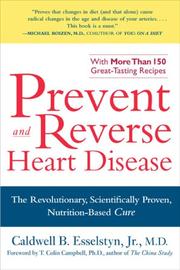
Presents landmark clinical evidence that an aggressive whole-food, plant-based diet can halt and reverse arterial disease — a pivotal study-backed work that deepens understanding of dietary mechanisms.

Focuses on nitric oxide and endothelial function — the biology of the artery wall — giving the reader a more precise mechanistic understanding of why certain foods and habits protect the heart.

Compiles perspectives from leading lipidologists on advanced cholesterol testing (LDL particle size, HDL function, triglycerides), equipping the reader to interpret their own lab results with sophistication.
Advanced: Cutting-Edge Cardiology & Longevity Science
ExpertEngage with the frontier research on cardiovascular aging, atherosclerosis reversal, and precision medicine approaches — synthesizing everything into a long-term heart-health strategy.
▸ Study plan for this stage
Pace: 8–10 weeks, ~40–50 pages/day (accounting for dense scientific content and reflection time)
- The four pillars of longevity: exercise, nutrition, sleep, and emotional health as integrated drivers of cardiovascular aging
- Atherosclerosis as a reversible disease: mechanisms of plaque formation, stabilization, and regression through lifestyle and medical intervention
- Precision medicine in cardiology: using biomarkers, imaging, and genetic risk profiles to personalize prevention and treatment strategies
- The nutritional science of plant-based eating and micronutrient density as primary prevention for heart disease
- Oxidative stress, inflammation, and endothelial dysfunction as modifiable root causes of cardiovascular disease
- Lipoprotein(a), LDL particle number, and advanced lipid testing beyond standard cholesterol panels
- The role of continuous glucose monitoring, metabolic health, and insulin sensitivity in cardiovascular risk
- Designing a personalized, long-term heart-health strategy integrating Attia's framework with Fuhrman's nutritional approach
- What are the four pillars of longevity according to Attia, and how does each directly impact cardiovascular aging and disease prevention?
- Explain the mechanisms by which atherosclerotic plaques form and how they can be stabilized or reversed through lifestyle and medical interventions.
- How does precision medicine differ from traditional cardiology in assessing cardiovascular risk, and what biomarkers or tests does Attia recommend for personalized assessment?
- What is the nutritional foundation for reversing heart disease according to Fuhrman, and how do micronutrient density and plant-based eating reduce cardiovascular risk?
- How are oxidative stress, inflammation, and endothelial dysfunction interconnected, and what practical interventions address these root causes?
- What is Lipoprotein(a), why is it important for cardiovascular risk assessment, and how does it differ from standard LDL cholesterol measurements?
- Create a personal cardiovascular risk profile: gather your baseline biomarkers (lipid panel, hs-CRP, Lp(a), glucose, blood pressure) and map them against Attia's precision medicine framework to identify your top 2–3 modifiable risk factors.
- Design a 12-week personalized heart-health protocol integrating Attia's four pillars: specify your exercise program (type, frequency, intensity), sleep targets, stress-management practice, and nutrition plan aligned with Fuhrman's principles.
- Conduct a nutrition audit: track your current diet for one week, then redesign it using Fuhrman's micronutrient density framework, replacing processed foods with whole plant foods and documenting the nutrient profile changes.
- Research and summarize one advanced biomarker or imaging test (e.g., coronary artery calcium scoring, advanced lipid testing, or endothelial function testing) discussed in the books, explaining its clinical relevance and how it would inform your personal strategy.
- Create a visual timeline or infographic showing the progression of atherosclerosis from initiation through reversal, annotating the specific interventions from both books that interrupt or reverse each stage.
- Develop a quarterly review template for monitoring your cardiovascular health: define which metrics you'll track, how often, and decision rules for when to adjust your protocol based on Attia's and Fuhrman's recommendations.
Next up: This stage synthesizes cutting-edge research into a comprehensive, personalized heart-health strategy; the next stage would apply this framework in real-world contexts—whether through advanced clinical partnerships, sustained behavioral change protocols, or exploring emerging therapies and technologies on the horizon.

A rigorous, deeply researched exploration of longevity medicine with extensive coverage of cardiovascular disease as the leading cause of death — integrates lipidology, metabolic health, and exercise science at an advanced level.

Synthesizes decades of nutritional science into a comprehensive, evidence-dense program for eliminating cardiovascular risk, serving as a fitting capstone that ties diet, lifestyle, and clinical data together.
Discussion
Keep reading
Paths that share books, cover the same subject, or open a related topic.