Build strength after 40
This four-stage curriculum takes a beginner from zero lifting knowledge to a sophisticated, evidence-based understanding of strength training specifically suited to midlife and beyond. Each stage builds on the last: first establishing safety and mindset, then core technique, then programming and physiology, and finally the longevity and performance nuances unique to the 40+ body.
Foundations: Mindset, Movement & Safety
BeginnerUnderstand why strength training is essential after 40, learn how the aging body responds to exercise, and build a safety-first mindset before touching a barbell.
▸ Study plan for this stage
Pace: 6–8 weeks total: Weeks 1–3 cover "Younger Next Year" (~25–30 pages/day, including reflection time); Weeks 4–7 cover "The Barbell Prescription" (~20–25 pages/day, slower pace due to technical density); Week 8 is a consolidation week — no new reading, only review, journaling, and exercise practice.
- The 'Harry and Henry' framework from Younger Next Year: biological aging ('decay') is largely optional, and consistent exercise signals the body to grow rather than deteriorate.
- Crowley's core argument that the body interprets sedentary behavior as a signal to break down — and that strength + cardio exercise reverses this at the cellular level.
- The concept of 'Next Chapter' identity shift: mentally committing to a new, active self-image after 40 is a prerequisite to sustainable training.
- Sullivan's 'Master Athlete' framework in The Barbell Prescription: adults over 40 are not broken young athletes — they are a distinct population with unique physiology, recovery needs, and goals.
- Age-related muscle loss (sarcopenia) and its consequences: how progressive resistance training is the single most evidence-backed intervention to slow and reverse it.
- The stress-recovery-adaptation cycle: understanding that training is a stimulus, not a punishment, and that recovery is where gains actually happen — especially critical after 40 when recovery slows.
- Safety-first movement principles from The Barbell Prescription: the importance of learning correct barbell mechanics (squat, deadlift, press) before adding load, and why form is non-negotiable for older lifters.
- Risk vs. risk trade-off mindset: Sullivan's argument that the risks of NOT strength training (frailty, falls, metabolic disease) far outweigh the managed risks of barbell training done correctly.
- According to Younger Next Year, what biological signal does a sedentary lifestyle send to the body, and how does exercise counteract it?
- How does Sullivan define the 'Master Athlete' in The Barbell Prescription, and why does he argue this population should NOT simply follow programs designed for younger lifters?
- What is sarcopenia, what are its real-world consequences by the 6th and 7th decades of life, and what does The Barbell Prescription identify as the most effective countermeasure?
- Describe the stress-recovery-adaptation cycle as explained in The Barbell Prescription. Why is the recovery component especially important for lifters over 40?
- Younger Next Year emphasizes a mindset shift as foundational. What specific mental or identity changes does Crowley argue must happen before physical change becomes sustainable?
- Both books address risk. How do Crowley and Sullivan each frame the risk calculus of strength training versus inactivity, and where do their arguments reinforce each other?
- Mindset journal (during Younger Next Year): After finishing each of Crowley's major sections, write 1 paragraph answering 'What does my active self look like at 50, 60, and 70?' — make it specific and personal.
- Biological age audit: Using the health markers discussed in both books (muscle mass, mobility, metabolic health, balance), honestly self-assess your current baseline in a simple written checklist before you begin any physical training.
- Bodyweight movement screen (during The Barbell Prescription): Before touching a barbell, perform and video yourself doing a bodyweight squat, hip hinge, and overhead reach. Compare your movement to the cues Sullivan describes and note specific restrictions to address.
- Vocabulary glossary build: As you read The Barbell Prescription, maintain a running glossary of technical terms (e.g., sarcopenia, novice effect, stress-recovery-adaptation, linear progression) in your own words — aim for 15–20 entries.
- Risk/benefit written exercise: Draft a personal one-page 'Why I Train' document that synthesizes Crowley's emotional case and Sullivan's clinical case for strength training. This becomes your motivational anchor for harder days ahead.
- Consult and clear: Following Sullivan's explicit guidance in The Barbell Prescription, schedule a check-in with your physician before beginning barbell training — bring a list of any orthopedic, cardiovascular, or metabolic concerns to discuss proactively.
Next up: Having internalized WHY training matters after 40 and established a safety-first mindset, the reader is now ready to move from philosophy to practice — learning the specific barbell movements, programming structures, and progressive overload principles that translate these foundations into real, measurable strength gains.
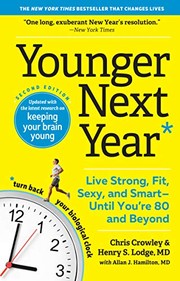
A compelling, accessible case for why vigorous exercise is non-negotiable in midlife — it reframes strength training as medicine and builds lasting motivation before any technical detail is introduced.

Written by a physician and strength coach specifically for the 40+ population, this book bridges medicine and lifting, explaining the unique physiology of aging and why progressive resistance training is the best intervention — the perfect conceptual foundation for everything that follows.
Technique: Learning to Lift Correctly
BeginnerMaster the fundamental movement patterns — squat, hinge, press, and pull — with safe, correct form before adding meaningful load.
▸ Study plan for this stage
Pace: 8–10 weeks total: Weeks 1–5 on "Starting Strength" (~25–30 pages/day, focusing on one lift chapter per session); Weeks 6–10 on "Becoming a Supple Leopard" (~20–25 pages/day, pairing each mobility chapter with a movement practice session in the gym).
- The five foundational barbell movements in Starting Strength — squat, deadlift, overhead press, bench press, and power clean — and the precise mechanical model Rippetoe uses to teach each one
- The concept of 'the most productive exercise' for each movement pattern: why the low-bar back squat, conventional deadlift, and strict press are prioritized for novice lifters over 40
- Bar path, balance over mid-foot, and the role of the hip drive as the engine of every lower-body lift, as explained in Starting Strength's squat and deadlift chapters
- Rippetoe's coaching cues and self-correction checklist: how to identify and fix the most common form breakdowns (knee cave, butt wink, forward lean) before adding load
- Starrett's 'movement hierarchy' from Becoming a Supple Leopard: position and stability must be established before force is applied — directly reinforcing Rippetoe's load-last philosophy
- The 10 archetypes of human movement in Becoming a Supple Leopard and how they map onto the squat, hinge, press, and pull patterns practiced with the barbell
- Starrett's joint-by-joint mobility and stability model: understanding which joints need more mobility (hips, thoracic spine, ankles) vs. stability (lumbar spine, knees) and why this matters more after 40
- Soft-tissue and banded mobilization techniques from Becoming a Supple Leopard that directly address the most common range-of-motion restrictions blocking safe barbell technique (hip flexor tightness, limited ankle dorsiflexion, restricted thoracic extension)
- According to Rippetoe in Starting Strength, why should the bar be positioned low on the back (across the rear deltoids) rather than high on the traps, and how does this change the mechanics of the squat?
- What does Rippetoe mean by 'balance over mid-foot,' and how do you use this single cue to self-diagnose errors in the squat, deadlift, and press?
- How does Starrett's concept of 'organized position' in Becoming a Supple Leopard complement Rippetoe's coaching cues — and what does it mean to be 'in position' before you initiate a lift?
- Which three mobility restrictions does Starrett identify as most likely to undermine squat depth and safety, and what specific mobilizations does he prescribe to address each one?
- Why do both Rippetoe and Starrett emphasize that adding load before owning technique is counterproductive — and what are the injury risks that are specifically elevated for lifters over 40?
- After completing both books, how would you design a single 60-minute training session that integrates Rippetoe's technique work with Starrett's pre- and post-lift mobility protocols?
- Film yourself from the side performing an air squat, goblet squat, and barbell back squat (empty bar), then compare your bar path and shin angle against Rippetoe's diagrams in Starting Strength — note every deviation and write a one-paragraph correction plan
- Run through Starrett's squat archetype assessment from Becoming a Supple Leopard: test your ankle dorsiflexion (knee-to-wall test), hip internal rotation, and thoracic extension, score each, and identify your single biggest limiter
- Perform Starrett's recommended 10-minute pre-squat mobility routine (banded hip distraction, couch stretch, ankle mobilization) before your next squat session and log whether depth or comfort improved
- Practice the hip-hinge pattern using Rippetoe's dowel-rod drill (rod touching head, upper back, and tailbone simultaneously) for 3 sets of 10 before every deadlift session for two weeks, then progress to a loaded Romanian deadlift
- Do a 'technique audit' session for the overhead press: use only an empty barbell, apply every cue from Starting Strength's press chapter (vertical bar path, active shoulder shrug at lockout, bar over mid-foot), and cross-reference your setup with Starrett's overhead archetype checklist
- Keep a two-column training journal for the full stage — left column: Rippetoe's cue you focused on that session; right column: Starrett mobilization you used and its effect — review it at the end of week 10 to identify patterns in your movement limitations
Next up: Owning the fundamental movement patterns with an empty or lightly loaded bar — backed by Rippetoe's mechanical precision and Starrett's mobility framework — creates the safe, stable foundation needed to begin applying progressive overload systematically, which is the central focus of the next stage on programming and building strength over time.
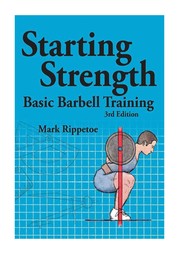
The most detailed, widely-used technical manual for the core barbell lifts; reading it alongside early training sessions gives beginners the vocabulary and biomechanical understanding to self-correct and lift safely.
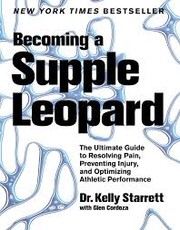
Addresses the mobility and positional limitations that are especially common after 40; read after Starting Strength so you can apply its movement fixes directly to the specific lifts you are already practicing.
Programming: How to Train Progressively
IntermediateUnderstand how to structure training over weeks and months — managing volume, intensity, and recovery — so progress continues safely without injury or burnout.
▸ Study plan for this stage
Pace: 6–7 weeks total. Week 1–4: "Practical Programming for Strength Training" by Rippetoe (~20–25 pages/day, reading all major programming models and stress/recovery/adaptation chapters carefully). Week 5–6: "Women's Strength Training Anatomy" by Delavier (~15–20 pages/day, focusing on anatomical illustr
- Stress-Recovery-Adaptation (SRA) cycle: the biological foundation of all progressive programming, as laid out by Rippetoe — training stress must be sufficient but not excessive to drive adaptation
- Linear progression vs. intermediate programming: Rippetoe's clear distinction between novice linear gains and the need for weekly or multi-week programming cycles as the lifter matures past 40
- Volume, intensity, and frequency as the three interdependent levers of programming — how manipulating each affects recovery demand and long-term progress
- Periodization models: Rippetoe's treatment of Texas Method and HLM (Heavy-Light-Medium) as practical intermediate templates that balance stress and recovery across the training week
- Fatigue management and deload strategy: recognizing accumulated fatigue, planned back-off weeks, and why recovery windows lengthen with age
- Anatomical specificity from Delavier: understanding which muscles are primary movers in key compound lifts, enabling smarter exercise selection and volume distribution without redundant overlap
- Female-specific programming considerations from Delavier: hormonal recovery patterns, connective tissue differences, and how anatomy informs exercise modification and progression for women over 40
- Autoregulation principles: using perceived exertion and performance feedback — informed by both Rippetoe's programming logic and Delavier's anatomical cues — to adjust training in real time
- According to Rippetoe, why does linear progression eventually stall, and what physiological and programming changes mark the transition to intermediate programming?
- What are the core structural differences between the Texas Method and a Heavy-Light-Medium split as described in Practical Programming, and which is better suited to a lifter over 40 with limited recovery capacity?
- How do volume and intensity interact across a training week in an intermediate program — what happens if both are kept high simultaneously, and how does Rippetoe recommend resolving this tension?
- Using Delavier's anatomical illustrations as a reference, how would you distribute weekly volume across major muscle groups to avoid redundant overlap (e.g., heavy pressing and heavy triceps isolation on the same day)?
- What specific anatomical and hormonal factors does Delavier highlight that should influence how a woman over 40 programs her training differently from a younger male lifter?
- How would you design a 4-week training block — including a deload week — for an intermediate lifter over 40, applying Rippetoe's SRA principles and Delavier's anatomical guidance on exercise selection?
- Map the SRA cycle on paper: After reading Rippetoe's stress-recovery-adaptation chapters, draw a week-by-week SRA curve for a Texas Method template, labeling where stress, fatigue, and supercompensation occur on each training day.
- Build a 4-week intermediate program: Using Rippetoe's HLM or Texas Method framework, write out a full 4-week block with specific sets, reps, and intensity percentages — include a deload week and annotate why each session is structured as it is.
- Anatomy audit of your current routine: Using Delavier's muscle illustrations, map every exercise in your current or sample program to its primary and secondary movers, then identify any muscle groups that are over-trained (hit 4+ times/week) or under-trained (hit less than once/week).
- Deload trigger checklist: Draft a personal 'fatigue checklist' of 5–8 observable signs (e.g., bar speed decline, sleep disruption, mood, joint soreness) drawn from Rippetoe's recovery discussion, and define the threshold at which you would insert an unplanned deload.
- Female physiology programming comparison: Using Delavier's female-specific sections, rewrite one week of a generic intermediate program to better suit a woman over 40 — adjust exercise selection, volume, and rest periods, and write a short paragraph justifying each change with anatomical or physiological reasoning.
- Progressive overload log simulation: Simulate 8 weeks of training on paper for a key lift (e.g., squat or bench press), applying Rippetoe's intermediate progression rules — show how you would adjust load when progress stalls, when a deload is inserted, and how you reset afterward.
Next up: Mastering progressive programming and anatomical awareness here equips the reader to engage meaningfully with the next stage's focus on nutrition, recovery, and longevity — because understanding *how* to load the body progressively makes it immediately clear *why* fueling, sleep, and tissue maintenance become the true limiting factors for lifters over 40.

Picks up exactly where Starting Strength leaves off, explaining how to design and adjust a training program as a novice transitions to intermediate — essential for the 40+ lifter who must manage recovery more carefully than a 20-year-old.
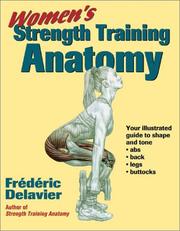
A visual reference that makes muscle anatomy concrete and intuitive; reading it at this stage helps intermediate lifters understand which structures are being trained and stressed, supporting smarter exercise selection and injury prevention.
Longevity & Performance: Training for the Long Game
ExpertIntegrate nutrition, recovery, hormonal context, and long-term periodization into a sustainable, decades-long strength practice optimized for health and quality of life after 40.
▸ Study plan for this stage
Pace: 3–4 weeks, ~25–30 pages/day — Outlive is dense with science and frameworks; allow extra time to annotate chapters on exercise, nutrition, and the "four horsemen" of chronic disease
- The 'Four Horsemen' of chronic disease (cardiovascular disease, cancer, neurodegenerative disease, metabolic dysfunction) and how strength training directly mitigates each
- Medicine 3.0 vs. Medicine 2.0: shifting from reactive sick-care to proactive, personalized longevity planning decades in advance
- The Centenarian Decathlon: reverse-engineering your physical capabilities at the end of life to set training goals today
- VO2 max and muscle mass as the two strongest predictors of all-cause mortality — and why both must be trained simultaneously after 40
- Attia's framework for the four pillars of longevity: exercise, nutrition, sleep, and emotional health — and how they interact as a system
- Zone 2 cardio and its role in mitochondrial health, metabolic flexibility, and recovery capacity alongside strength work
- Nutritional strategy for the 40+ athlete: protein prioritization (1g+ per lb of ideal body weight), avoiding sarcopenic obesity, and managing insulin sensitivity
- Hormonal context of aging: how declining testosterone, estrogen, and growth hormone affect muscle retention, recovery, and the specific training adjustments required
- According to Attia, what specific physical benchmarks should a 65–70-year-old be capable of, and how do you work backward from those to design your training in your 40s and 50s?
- How does Attia differentiate Medicine 2.0 from Medicine 3.0, and what does adopting a Medicine 3.0 mindset change about how you structure a multi-decade strength practice?
- Why does Attia rank VO2 max and muscle mass/strength as the top two modifiable predictors of longevity, and how should their relative training emphasis shift across your 40s, 50s, and 60s?
- What is the role of Zone 2 training in a strength-focused program for someone over 40, and how does Attia recommend balancing it with high-intensity and resistance work?
- How does Attia's nutritional framework — particularly around protein intake and metabolic health — need to be adjusted for a strength-training adult over 40 compared to a younger athlete?
- What does Attia identify as the most common ways people 'over-optimize' for performance in midlife at the expense of long-term health, and how do you guard against this in your own program?
- Centenarian Decathlon Draft: Write your own personal Centenarian Decathlon — list 10 physical tasks you want to perform at age 75–80, then map each to a current training metric (e.g., deadlift 1.5× BW, carry 40 lbs for 2 minutes) and identify gaps in your current program.
- Longevity Biomarker Audit: Using Attia's recommended diagnostics as a guide, list every bloodwork marker, fitness test (VO2 max, grip strength, gait speed), and body composition metric you currently track. Identify which ones you have never measured and schedule them.
- Weekly Training Architecture Review: Map your current weekly training schedule against Attia's four-pillar framework (exercise, nutrition, sleep, emotional health). Score each pillar 1–10 and write a one-paragraph action plan for your lowest-scoring pillar.
- Zone 2 Integration Experiment: Add or audit 2–3 Zone 2 cardio sessions per week for the duration of this reading stage. Log perceived recovery quality, resting heart rate trends, and strength session performance to observe the interaction effect firsthand.
- Protein Audit & Restructure: Track your protein intake for 7 consecutive days using a food log. Calculate whether you are hitting Attia's recommended threshold relative to your ideal body weight, then redesign one day of eating to hit the target and note what had to change.
- 10-Year Training Letter: Write a letter to yourself describing your strength and health goals at age 55 (or +10 years). Include specific performance targets, lifestyle non-negotiables, and the two or three biggest risks to your longevity you are committing to address — revisit and revise it annually.
Next up: Outlive provides the overarching 'why' and systems-level framework for lifelong training; the next stage builds directly on this foundation by diving into the specific programming, periodization, and clinical protocols needed to execute that vision week by week and year by year.

Synthesizes the latest longevity science — including the central role of muscle mass and strength — into a coherent framework for healthspan; it elevates the reader's training goals from aesthetics to genuine long-term vitality.
Discussion
Keep reading
Paths that share books, cover the same subject, or open a related topic.