Maritime History: The Best Books to Read, in Order
This curriculum traces maritime history from the great age of exploration through the mechanics of sail, the rise of naval power, the arteries of global trade, and finally the raw human experience of life at sea. Starting at an intermediate level, each stage builds conceptual and historical vocabulary so that later, more specialized works land with full force. By the end, the reader will have a panoramic yet deeply textured understanding of how the sea shaped the modern world.
The Age of Exploration
IntermediateUnderstand the motivations, methods, and consequences of the great voyages of discovery that opened the world's oceans to European navigation.
▸ Study plan for this stage
Pace: 8–10 weeks, ~40–50 pages/day (alternating between both books to build comparative perspective)
- Economic and religious motivations driving European exploration (spice trade, missionary zeal, national competition)
- Navigation technology and cartography advances that made long-distance voyages feasible
- Magellan's circumnavigation as a case study in ambition, leadership, and human cost
- The role of patronage, funding, and political support in enabling exploration
- Cultural encounters and the immediate consequences of European contact on indigenous populations
- The distinction between exploration as discovery and exploration as conquest and colonization
- How explorers' journals, maps, and reports shaped European understanding of the world
- The human experience of exploration: hardship, mutiny, disease, and survival at sea
- What were the primary economic, religious, and political motivations that drove European powers to sponsor voyages of exploration?
- How did advances in navigation technology and cartography make the Age of Exploration possible?
- What was Magellan's route, and what challenges did his expedition face? How did Bergreen's account illuminate the human dimensions of this voyage?
- According to Boorstin, how did explorers' discoveries and reports fundamentally change European knowledge and imagination about the world?
- What were the immediate consequences of European contact with indigenous peoples, and how did explorers' accounts shape European perceptions of these encounters?
- How did patronage systems and competition between European nations influence the scale and ambition of exploration voyages?
- Create a timeline of major voyages (1450–1550) using both books, noting the sponsor, explorer, route, and primary motivation for each.
- Map Magellan's circumnavigation route using Bergreen's detailed account; annotate key events, mutinies, and supply crises at specific locations.
- Write a comparative analysis: how does Bergreen's narrative approach to Magellan differ from Boorstin's thematic treatment of exploration? What does each reveal?
- Compile a list of navigation technologies mentioned in both books (astrolabe, quadrant, caravel design, etc.) and explain how each improved explorers' capabilities.
- Select one indigenous culture described in the books (e.g., Filipinos in Bergreen, or broader patterns in Boorstin) and write a short essay on how the explorers' accounts portrayed them versus what we might infer about actual encounters.
- Create a patronage chart showing the relationships between European monarchs, merchants, and explorers—identify how funding and political backing shaped exploration priorities.
Next up: This stage establishes the mechanisms, motivations, and immediate human costs of European exploration, preparing you to examine how these voyages triggered sustained colonization, trade networks, and global power shifts in subsequent periods.
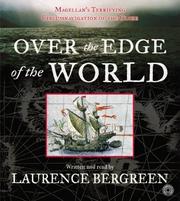
A gripping narrative of Magellan's circumnavigation that introduces the reader to the politics, navigation, and sheer danger of early oceanic exploration — the perfect entry point for the curriculum.
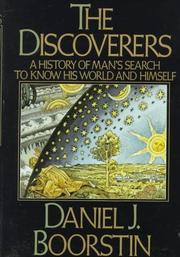
Boorstin's sweeping intellectual history of how humanity mapped the globe provides the broader conceptual framework — cartography, astronomy, and curiosity — needed to contextualize individual voyages.
The Age of Sail
IntermediateGrasp how sailing technology, seamanship, and the physical realities of wind and weather governed everything that happened at sea from the 16th through the 19th centuries.
▸ Study plan for this stage
Pace: 4–5 weeks, ~40–50 pages/day. Week 1–2: "Nathaniel's Nutmeg" (complete); Week 3–4: "Longitude" (complete); Week 5: review and synthesis exercises.
- Sailing ship design and rigging: how hull shape, sail configuration, and materials directly enabled or constrained long-distance voyages across the Age of Sail
- Navigation by dead reckoning and celestial observation: why determining latitude was relatively easy but longitude remained nearly impossible until the 18th century
- The spice trade as a driver of maritime exploration: how economic incentives pushed merchants and nations to risk ships and lives on perilous ocean crossings
- Weather, wind patterns, and ocean currents as governing forces: how seasonal monsoons, trade winds, and storms determined when and where ships could travel
- The human cost of seamanship: disease, scurvy, mutiny, and survival as the daily realities that shaped crew discipline, provisioning, and voyage planning
- Precision timekeeping as a technological bottleneck: how the inability to measure longitude accurately created navigation hazards and economic losses until mechanical solutions emerged
- Colonial competition and geopolitics at sea: how European powers used naval technology and exploration to establish trade monopolies and territorial claims
- Why was determining longitude at sea so much harder than determining latitude, and what were the practical consequences for 16th–18th century navigators?
- How did the monsoon winds and ocean currents shape the routes and timing of spice-trade voyages described in 'Nathaniel's Nutmeg'?
- What role did scurvy, disease, and crew mortality play in the economics and planning of long-distance voyages during the Age of Sail?
- How did John Harrison's marine chronometer solve a problem that had plagued sailors for centuries, and why was it so difficult to develop?
- What technological and navigational advantages allowed the Dutch and English to compete with the Portuguese in the spice trade despite arriving later?
- How did the physical realities of wind, weather, and ship design constrain the strategic choices available to merchants and naval commanders?
- Plot the major voyages described in 'Nathaniel's Nutmeg' on a world map, marking prevailing wind patterns and monsoon seasons; note how routes align with seasonal weather windows.
- Create a detailed diagram of a 17th-century sailing ship (based on descriptions in Milton's book), labeling the rigging, sails, and hull features that enabled long-distance travel.
- Calculate the time required to travel between two ports using dead reckoning and estimated wind speeds; then compare your estimate to the actual voyage times mentioned in the books.
- Write a 500-word journal entry from the perspective of a ship's navigator during the Age of Sail, describing the challenges of determining position at sea and the fear of being lost.
- Research and summarize the timeline of longitude-solving attempts before Harrison (as covered in 'Longitude'); create a visual showing why each earlier method failed.
- Conduct a thought experiment: given the navigation and weather constraints described in both books, explain why the spice trade was worth the enormous risk and cost.
Next up: This stage establishes the technological and environmental constraints that governed maritime activity for three centuries; the next stage will likely explore how these constraints were overcome through scientific advancement, industrial shipbuilding, and the rise of steam power, or how they shaped the geopolitical and economic structures of colonial empires.

A vivid account of the spice trade and the English East India Company's early ventures, bridging exploration into the commercial age of sail with strong narrative momentum.

The story of how sailors solved the longitude problem is essential maritime history — it explains the single greatest technical breakthrough that made reliable blue-water navigation possible.
Navies and Sea Power
IntermediateUnderstand how nations built and deployed naval power, how great sea battles were fought, and how command of the oceans determined the fate of empires.
▸ Study plan for this stage
Pace: 10–12 weeks, ~40–50 pages/day (Mahan: 4 weeks; Clayton: 3 weeks; Hornfischer: 3–4 weeks)
- Sea power as a strategic determinant of national dominance: Mahan's thesis that control of trade routes and naval superiority shaped the rise and fall of empires from 1660–1783
- Naval strategy and fleet tactics: how positioning, supply lines, weather, and ship design influenced outcomes in major engagements like Trafalgar
- The role of individual commanders and leadership: Nelson's tactical innovations at Trafalgar and the leadership decisions that shaped Pacific naval warfare in WWII
- The relationship between commerce, naval protection, and geopolitical power: how navies protected merchant fleets and national economic interests
- Ship technology and naval innovation: the evolution from sailing ships to steam-powered vessels and how technological advantage translated to battlefield dominance
- The human cost and logistics of naval warfare: provisioning, crew morale, casualties, and the grinding attrition of sustained naval campaigns
- How naval superiority translated into territorial conquest and empire-building: the connection between sea control and colonial expansion
- Tactical vs. strategic thinking in naval command: the difference between winning individual battles and achieving lasting naval dominance
- According to Mahan, what specific geographic and economic factors made sea power the decisive force in European imperial competition between 1660 and 1783?
- How did Nelson's tactical approach at Trafalgar differ from conventional naval doctrine, and what was the strategic significance of his victory despite the loss of his own life?
- What role did supply lines, logistics, and fleet maintenance play in determining the outcomes of the naval campaigns described in Neptune's Inferno?
- How did the transition from sail to steam power change naval strategy and the balance of power in the Pacific during WWII?
- Explain how control of sea lanes and trade routes directly contributed to the rise and fall of specific empires discussed across these three books.
- What were the key differences between the 18th-century naval battles Mahan analyzed and the 20th-century naval engagements in Neptune's Inferno, and what remained constant?
- Create a timeline mapping Mahan's key examples of sea power determining imperial outcomes (1660–1783) alongside the Trafalgar campaign and WWII Pacific battles; identify patterns in how naval advantage was gained and lost
- Draw or study maps of the major naval battles and trade routes discussed in all three books; annotate them with strategic objectives, supply lines, and the geographic factors that influenced outcomes
- Write a 2–3 page comparative analysis of Nelson's command decisions at Trafalgar versus the command decisions made by admirals in Neptune's Inferno; focus on how leadership style and tactical innovation affected results
- Construct a 'naval technology timeline' showing the evolution from the sailing ships of Mahan's era through Trafalgar to the aircraft carriers and destroyers of WWII; explain how each innovation shifted strategic possibilities
- Research and present one specific trade route or geographic chokepoint (e.g., the English Channel, the Strait of Malacca) mentioned in these books; explain why control of it was strategically vital and how different nations competed for it
- Analyze a detailed account of one major battle from each book (e.g., one from Mahan's analysis, Trafalgar itself, and one engagement from Neptune's Inferno); for each, identify the role of logistics, weather, crew morale, and commander decisions in the outcome
Next up: This stage establishes how naval power shaped the political and economic world from the 17th century through WWII; the next stage will likely explore how naval dominance translated into colonial empires, global trade networks, and the geopolitical consequences of sea control that persist into the modern era.
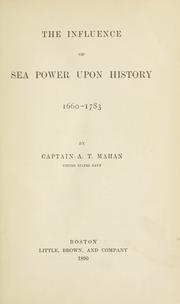
The foundational strategic text of naval history — reading Mahan here gives the reader the analytical lens through which every subsequent naval conflict can be understood.

A meticulously researched account of the defining naval battle of the Age of Sail, putting Mahan's theories into vivid human and tactical practice.
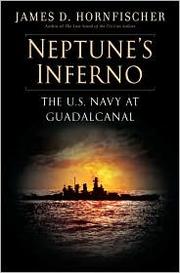
Shifts the lens to modern naval warfare at Guadalcanal, showing how the principles of sea power evolved into the industrial age — a powerful capstone to the navies stage.
Trade, Empire, and the Global Ocean
ExpertAnalyze how maritime trade networks built and destroyed empires, created global commodity markets, and drove the political economy of the modern world.
▸ Study plan for this stage
Pace: 8–10 weeks, ~40–50 pages/day. Start with "The Slave Ship" (4–5 weeks), then "Empires of the Monsoon" (4–5 weeks). Allocate 1–2 weeks for synthesis and comparative analysis.
- The slave ship as a floating instrument of imperial power and economic extraction—how vessel design, labor systems, and violence enabled transatlantic trade
- Maritime networks as the material foundation of empire: how ships, ports, and trade routes concentrated wealth and political control
- The monsoon system as a geographic constraint that shaped imperial competition, trade patterns, and the rise and fall of maritime powers in the Indian Ocean
- Commodity markets and global capitalism: how maritime trade in enslaved people, spices, textiles, and other goods integrated distant regions into a world economy
- The relationship between maritime violence (piracy, naval warfare, coercion) and legitimate commerce—how empires used force to monopolize trade
- Comparative imperial strategies: how European, Arab, Asian, and African powers competed for control of maritime trade networks
- The human cost of maritime expansion: displacement, enslavement, disease, and cultural disruption across connected ocean systems
- How maritime dominance translated into political sovereignty and shaped the geopolitics of the modern world
- How did the design and operation of slave ships reflect and enable the economic logic of the Atlantic trade? What does Rediker reveal about the relationship between ship technology, labor discipline, and profit?
- What role did maritime networks play in building and sustaining European empires? How did control of sea routes translate into territorial and political power?
- How did the monsoon winds and ocean currents shape the structure of trade networks and imperial competition in the Indian Ocean? Why did some powers rise and others decline?
- Compare the strategies used by different imperial powers (European, Arab, Asian) to control maritime trade. What were the similarities and differences in how they used force, negotiation, and commerce?
- How did the slave trade and other maritime commodity trades integrate distant regions into a global economy? What were the consequences for different populations?
- What is the relationship between maritime commerce and maritime violence? How did piracy, naval warfare, and state-sanctioned coercion shape the development of global trade?
- Create a detailed diagram of the Atlantic slave trade network using evidence from 'The Slave Ship': map the routes, ports, commodities, and key actors. Annotate with specific examples of how maritime infrastructure enabled the trade.
- Trace one commodity (e.g., spices, textiles, enslaved people) across both books. Document how it moved through different maritime networks, who controlled it at each stage, and how it shaped imperial competition.
- Write a comparative analysis (1,500–2,000 words) of how Rediker's Atlantic focus and Hall's Indian Ocean focus reveal different imperial strategies. What does each ocean system tell us about how empires operated?
- Create a timeline of major shifts in maritime power (1500–1800s) using both books. Identify the technological, political, and economic factors that caused empires to rise or fall.
- Analyze a primary source document (ship manifest, merchant letter, naval treaty, or account of a voyage) from the period covered by these books. How does it illustrate the concepts of maritime trade, imperial power, or violence?
- Develop a case study of one port city (e.g., Zanzibar, Goa, Liverpool, Charleston) that appears in or is relevant to both books. Explain how it functioned as a hub of imperial power and maritime commerce.
Next up: This stage establishes how maritime networks and imperial competition created the global economic and political structures of the modern world; the next stage will likely examine how these systems were challenged, resisted, or transformed by colonized peoples, nationalist movements, and the decline of traditional maritime empires.
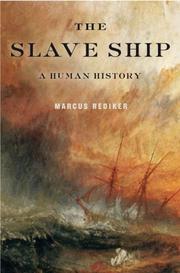
Rediker's unflinching history of the transatlantic slave trade forces the reader to reckon with the darkest engine of maritime commerce and its central role in building the Atlantic world.
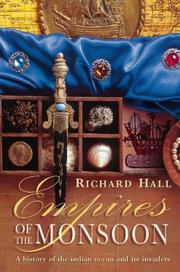
Expands the geographic frame to the Indian Ocean, revealing the ancient and complex trade networks of Asia and East Africa that predate and parallel European expansion.
Life at Sea — The Human Experience
ExpertInhabit the daily reality of sailors, officers, and passengers — the hierarchy, hardship, culture, and psychology of those who lived and died on the water.
▸ Study plan for this stage
Pace: 8–10 weeks, ~40–50 pages/day (with reflection breaks). *Two Years Before the Mast* (~300 pages) in weeks 1–3; *The Wooden World* (~400 pages) in weeks 4–8; weeks 9–10 for synthesis and review.
- The brutal material conditions of 19th-century merchant sailing: diet, disease, physical exhaustion, and the constant threat of death at sea
- Shipboard hierarchy and authority: the captain's absolute power, the mate's role as enforcer, and the rigid class divisions between officers and common sailors
- The psychology of confinement: how isolation, monotony, and danger shaped sailor behavior, morale, and mental resilience
- Naval discipline and punishment: flogging, confinement, and other coercive methods as tools of control in a lawless environment
- The culture and folklore of sailors: superstitions, songs, rituals, and informal codes that created solidarity and meaning amid hardship
- The social composition of crews: who became sailors, why they stayed or deserted, and how class and nationality created tension and community
- The officer's perspective: the tensions between command, responsibility, and the need to maintain order through fear and respect
- The transformation of the individual: how ordinary men were broken down, adapted, and remade by the sea
- What were the specific daily hardships Dana endured aboard the Alert, and how did he respond psychologically to confinement and abuse?
- How did the captain's authority function as absolute law on a merchant vessel, and what mechanisms (formal and informal) enforced obedience?
- According to Rodger, what was the social composition of the Royal Navy crew, and how did officers view and manage the common sailor?
- What role did punishment, particularly flogging, play in maintaining discipline, and how did sailors internalize or resist this system?
- How did sailor culture—songs, superstitions, rituals—serve as a psychological survival mechanism and a form of resistance to authority?
- What were the material conditions of life at sea (food, disease, sleep, hygiene), and how did these shape the sailor's body and mind?
- Daily log exercise: As you read Dana, keep a parallel journal entry from the perspective of a common sailor aboard the Alert, documenting one day's work, food, and emotional state. Aim for 3–4 entries per week.
- Hierarchy diagram: After finishing *Two Years Before the Mast*, map the formal and informal power structures on the Alert (captain, mates, bosun, crew). Then, using *The Wooden World*, expand this to show how Rodger describes naval hierarchy and compare the two vessels.
- Punishment analysis: Collect 3–4 specific instances of flogging or discipline from Dana and 3–4 from Rodger. For each, analyze the offense, the punishment, and its effect on crew morale. Write a 2–3 page comparative analysis.
- Sailor's voice transcription: Select a passage where Dana or Rodger captures sailor dialect, superstition, or song. Transcribe it, annotate it for meaning and cultural significance, and explain what it reveals about sailor psychology.
- Material conditions inventory: Create a detailed list of what a sailor ate, wore, slept on, and endured in a 24-hour period, drawing from both texts. Then research and compare with a modern military vessel or merchant ship to highlight historical change.
- Officer's dilemma essay: Write a 3–4 page essay from the perspective of a ship's captain or first mate in the era of Dana and Rodger. How would you maintain order, prevent mutiny, and keep men alive while operating under extreme constraints? Ground your argument in specific examples from both texts.
Next up: This stage immerses you in the lived experience and psychology of maritime life, establishing the human foundation for understanding how naval power, trade, and exploration were actually executed—preparing you to examine the larger historical forces, technological change, and geopolitical consequences that maritime history shaped.

The classic first-person account of life as an ordinary seaman in the 1830s — essential primary-source reading that no secondary history can fully replace.
Rodger's masterful social history of the 18th-century Royal Navy — covering food, pay, discipline, and culture — is the definitive scholarly account of what it meant to live inside a man-of-war.
Discussion
Keep reading
Paths that share books, cover the same subject, or open a related topic.