The Netherlands is a study in disproportion: a small, low, water-threatened country that became, for a time, the richest and most powerful trading nation on earth. Understanding how that happened means following a tight chain of causes — revolt, republic, commerce, empire — where skipping a link makes the next inexplicable. The path below keeps that chain intact.
It runs from an overview of the Low Countries, through the Revolt and the Golden Age, into the trading empire and the twentieth century.
The overview
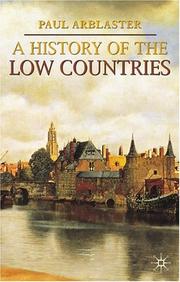
Start with A history of the Low Countries by Paul Arblaster, a clear survey that situates the modern Netherlands within the broader region of Belgium and the Low Countries over the long span. It gives you the geography and chronology you need before the story accelerates into revolution and wealth.
Revolt and Golden Age
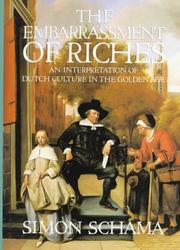
Next, the founding drama. The Dutch revolt by Geoffrey Parker is the authoritative account of the eighty-year rebellion against Spanish rule that created the Dutch Republic, and William the Silent by C. V. Wedgwood is the classic biography of the revolt's leader. The Dutch Republic: Its Rise, Greatness, and Fall 1477–1806 by Jonathan Israel is the monumental scholarly history of the whole republic, while The Embarrassment of Riches by Simon Schama is the brilliant cultural portrait of a society uneasy with its own sudden wealth.
Empire and reckoning
The final arc follows the money and its consequences. Vermeer's hat by Timothy Brook uses Dutch paintings as windows onto the global trade that made the Golden Age, and The Honourable Company by John Keay tells the story of the great trading companies. The Dutch Slave Trade 1500–1850 by Pieter Emmer confronts the country's role in slavery, Holland on the Hudson by Firth Fabend traces the Dutch presence in colonial America, and The Diary of a Young Girl by Anne Frank brings the story to its most human and harrowing point under Nazi occupation.
Read in this order and the Dutch miracle becomes an explicable story rather than a marvel. Follow the full path from the Revolt to the twentieth century.
Follow the full reading path →
Ready to learn something deeply?
Build a reading path — free