Malaysian cooking is genuinely hard to learn from one book, because it is not one tradition. Malay, Chinese, and Indian cooking developed alongside each other on the peninsula, and the Peranakan or Nyonya kitchen sits in the overlap. A recipe for laksa can mean two very different dishes depending on which lineage the author is writing from, which is why beginners often cook a recipe correctly and still feel like they missed something.
The other obstacle is the pantry. Belacan, tamarind, candlenuts, galangal, pandan, kerisik, and the various coconut states are not garnishes here — they are the structure. A book that lists them without explaining what each one does leaves you substituting badly. So read one book that maps the cuisine, one that teaches the ingredients, then cook from a modern one.
Map the cuisine before you cook from it
Start with The Food of Malaysia, which does the orienting work: it separates the Malay, Chinese, Indian, and Nyonya strands, shows where the regional specialties sit, and gives you the vocabulary to understand what any later recipe is actually asking for. It reads as much like a food-culture survey as a cookbook, which is what you want first.
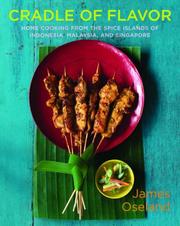
Then read Cradle of Flavor. It covers Indonesia, Malaysia, and Singapore together, and its real value is the long ingredient chapters — how to buy and handle shrimp paste, palm sugar, lemongrass, and fresh turmeric, and what a spice paste is supposed to look and smell like at each stage of frying. Cook two or three recipes from it slowly. The technique of frying a rempah until the oil separates is the single skill that carries over to almost everything else.
Cook from a modern home kitchen
With the fundamentals in place, Malaysia by Ping Coombes is the book to actually cook from week to week. It is written for a home cook with a normal stove and an ordinary supermarket plus one Asian grocery trip, and it covers the dishes people want: nasi lemak, char kway teow, curry laksa, rendang, kaya toast. Because you have already read the two above, you will understand why a recipe calls for toasted coconut or a particular chilli, rather than following it blindly.
Finally, The complete Asian cookbook is the reference rather than the read-through. Charmaine Solomon's country-by-country compendium is where you go when you want to see how a Malaysian dish relates to its Thai, Indonesian, or Sri Lankan cousin, and it is useful for settling questions the single-country books leave open. Treat it as a shelf book you consult, not a book you work through.
A note on equipment, since the books assume different kitchens. You need a heavy wok or a wide deep-sided pan that can take sustained high heat, a granite mortar or a small food processor for the spice pastes, and a rice cooker or a pot you trust. Nothing else on the list is essential. The techniques that matter most — frying a rempah until it darkens and splits, simmering coconut milk without letting it break, and toasting coconut for kerisik until it is genuinely brown — are all stovetop skills that reward attention rather than gear.
Four books is a short path, and that is deliberate — the English-language Malaysian catalogue is thin, and padding it with generic pan-Asian titles would not help you. If you want to widen out afterwards, neighbouring cuisines on ReadingSherpa share more technique with this one than you might expect.
Cook the rempah recipes first and the rest of the path gets much easier. Follow the full reading path in order.
Follow the full ordered path here: The Best Malaysian Cookbooks to Read First.