The Best Books on Sauce Making, in Order
Starting at the intermediate level, this curriculum moves from mastering the classical French mother sauces through pan gravies and reductions, into the science and technique behind emulsions and modern sauce-making, and finally into advanced professional-level refinement. Each stage builds the vocabulary, muscle memory, and conceptual framework needed for the next, so that by the end the learner can construct, troubleshoot, and invent any sauce with confidence.
Classical Foundations
IntermediateUnderstand and execute the five French mother sauces (béchamel, velouté, espagnole, hollandaise, and sauce tomat), their small-sauce derivatives, and the stocks that underpin them all.
▸ Study plan for this stage
Pace: 6–8 weeks, ~40–50 pages/day, with 2–3 days per week dedicated to hands-on practice. Start with Peterson's foundational chapters on stocks and mother sauces (weeks 1–3), then move to Pépin's technique-focused sections (weeks 3–5), and finish with Peterson's small-sauce derivatives and applications (w
- The five French mother sauces (béchamel, velouté, espagnole, hollandaise, sauce tomat) as the structural foundation for all classical French sauce-making
- Stock preparation and quality as the essential base: brown stock, white stock, and fish stock, and how their flavor profiles determine sauce character
- The roux-based thickening method (beurre manié, blonde roux, brown roux) and its precise ratios for achieving proper sauce consistency and mouthfeel
- Emulsification principles in hollandaise and other butter-based sauces: temperature control, whisking technique, and rescue methods for broken sauces
- Small-sauce derivatives: how to build compound sauces from mother sauces through flavor additions (e.g., Mornay from béchamel, Madeira from espagnole)
- Seasoning, finishing, and balance: salt, acid, fat, and aromatics as tools for refining sauce flavor and achieving professional results
- Mise en place and organization for sauce-making: preparing ingredients, stocks, and equipment to work efficiently under kitchen conditions
- What are the five French mother sauces, and what is the primary thickening agent or technique for each one?
- How do you prepare a proper brown stock versus a white stock, and why does the distinction matter for sauce-making?
- Explain the difference between a blonde roux, a brown roux, and beurre manié—when would you use each, and what are the ratios?
- What is the critical temperature range for making hollandaise, and what are three techniques to prevent or rescue a broken emulsion?
- Name at least four small-sauce derivatives and identify which mother sauce each one is built from and what flavor components distinguish it.
- How do you balance a sauce using salt, acid, fat, and aromatics to achieve professional depth and refinement?
- Prepare a brown stock from scratch using Peterson's method; taste it at 4, 8, and 12 hours to understand how flavor develops over time.
- Make all five mother sauces in a single session, tasting each one plain and noting texture, body, and flavor characteristics; document any adjustments needed.
- Prepare three different roux colors (blonde, brown, and dark) and test each one's thickening power by whisking into warm stock; compare the results and flavor impact.
- Make hollandaise three times using different temperatures and whisking speeds; intentionally break one batch and practice three rescue techniques (adding water, starting fresh, or using a new egg yolk).
- Create at least six small-sauce derivatives (e.g., Mornay, Poivrade, Madeira, Béarnaise, Beurre Blanc, Sauce Robert) by following Peterson's recipes and noting how each mother sauce transforms.
- Prepare a complete sauce service: make a mother sauce, create two derivatives from it, and plate them alongside proteins to understand how sauces function in a finished dish.
Next up: Mastery of the five mother sauces and their derivatives provides the technical and flavor vocabulary needed to move into regional and modern sauce applications, where you will learn to adapt and innovate beyond the classical framework.
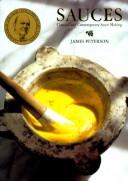
The definitive English-language reference on sauces — Peterson systematically covers every mother sauce, its derivatives, and the stocks behind them. Starting here gives you the complete classical map before diving deeper.

Pépin's step-by-step photographic instruction makes classical French technique concrete and repeatable. Reading it alongside Peterson anchors the theory in real kitchen practice.
Pan Gravies, Reductions & Deglazing
IntermediateMaster the art of building flavor from the pan — fond-based gravies, wine and stock reductions, jus lié, and the timing and seasoning decisions that make them shine.
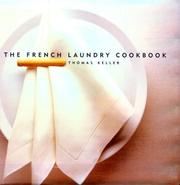
Keller's recipes are built around obsessively refined reductions, jus, and nages. Working through his sauce components teaches you what a truly concentrated, balanced reduction looks and tastes like.
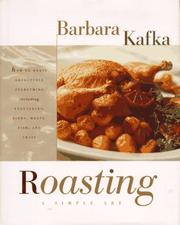
Kafka's focused treatment of roasting naturally centers pan drippings and gravies, making this the ideal companion text for understanding how fond, fat, and liquid interact to build a great pan sauce or gravy.
Emulsions & the Science of Texture
IntermediateUnderstand the physics and chemistry of emulsified sauces — hollandaise, béarnaise, mayonnaise, beurre blanc — so you can build them reliably, rescue them when they break, and vary them creatively.
▸ Study plan for this stage
Pace: 4–5 weeks, ~25–30 pages/day. Start with "The Food Lab" chapters on emulsions and heat (2–3 weeks), then move to "Salt, Fat, Acid, Heat" sections on fat and texture (1–2 weeks), with overlapping practice throughout.
- Emulsions as suspensions of fat droplets in water (or vice versa) stabilized by emulsifiers like lecithin and egg yolk proteins
- The role of temperature control in emulsified sauces: why heat destabilizes proteins and breaks emulsions, and how to work within safe temperature ranges
- Mechanical action (whisking) as the primary tool for creating and maintaining emulsions by breaking fat into smaller droplets
- Why sauces break: identifying whether the problem is temperature shock, over-whisking, or incorrect fat-to-liquid ratios, and how to rescue them
- The chemistry of egg proteins (ovalbumin, lipoproteins) and their dual hydrophobic-hydrophilic nature that makes them effective emulsifiers
- How acid (vinegar, lemon juice) and salt affect emulsion stability and flavor in béarnaise, beurre blanc, and hollandaise
- Fat as a carrier of flavor and texture: understanding how different fats (butter, oil) change the mouthfeel and stability of sauces
- Scaling and adapting emulsified sauces: how ratios of fat to liquid to emulsifier determine success or failure
- What is an emulsion, and why do egg yolks work as emulsifiers in hollandaise and béarnaise?
- Why does temperature matter so critically in making and maintaining emulsified sauces, and what happens when you exceed the safe range?
- How do you rescue a broken hollandaise or béarnaise, and how does the rescue method differ depending on whether the sauce broke from heat or from over-whisking?
- What is the relationship between fat-to-liquid ratio, emulsifier concentration, and the stability of a sauce like beurre blanc?
- How do acid and salt influence both the chemistry and flavor of emulsified sauces?
- How would you adapt a classic hollandaise recipe to use a different fat (e.g., olive oil instead of butter) while maintaining emulsion stability?
- Make a hollandaise from scratch, paying attention to temperature at each step; document the exact temperatures and timing, then make it again and deliberately overheat it to observe the breaking point
- Prepare béarnaise and intentionally break it by adding cold liquid too quickly; practice the rescue technique (whisking in a small amount of cold water or starting fresh with a new yolk) until you can reliably fix it
- Make mayonnaise by hand (not in a food processor) to feel the mechanical action required; then make it again with a food processor to compare the ease and texture
- Prepare beurre blanc with three different acid levels (less vinegar, standard, more vinegar) and taste-test to understand how acid affects both stability and flavor
- Create a broken emulsion on purpose (by adding fat too quickly or at the wrong temperature), then practice three different rescue methods and document which works best
- Make an emulsified sauce using a non-traditional fat (e.g., olive oil or clarified butter) and compare its stability and mouthfeel to a traditional butter version
Next up: Mastering the physics and chemistry of emulsions gives you the foundation to understand how to build, troubleshoot, and innovate with any fat-based sauce, preparing you to explore how to layer flavors, work with reductions, and create compound sauces in the next stage.

López-Alt explains the science of emulsification with rigorous testing and clear prose. His chapters on mayo, hollandaise, and pan sauces demystify why emulsions succeed or fail, giving you a troubleshooting framework.
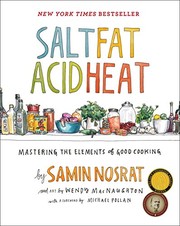
Nosrat's treatment of fat as a flavor carrier and structural element reframes how you think about every emulsified and enriched sauce. Reading it here deepens intuition built in the previous stage.
Professional Depth & Modern Refinement
ExpertReach professional-level mastery — understanding classical escoffier-era codification, modern restaurant plating sauces, and the full spectrum from rustic to refined — so you can invent and adapt sauces at will.
▸ Study plan for this stage
Pace: 8–10 weeks, ~40–50 pages/day (alternating between Escoffier's classical foundations and CIA's modern applications)
- The mother sauces (béchamel, velouté, espagnole, hollandaise, tomato) and their classical ratios and techniques as codified by Escoffier
- Sauce families and derivatives: how to systematically generate compound sauces from mother sauces using flavor logic
- Stock preparation and clarification as the foundation for professional sauce work—brown, white, and specialty stocks
- Emulsification science: warm emulsions (hollandaise, béarnaise), cold emulsions (mayonnaise), and troubleshooting broken sauces
- Modern plating sauces and contemporary refinement: reductions, coulis, foams, and gastrique techniques from CIA methods
- Flavor balance and seasoning: salt, acid, fat, and umami in professional sauce composition and adjustment
- Mise en place, timing, and service discipline: how professional kitchens execute sauces at scale and under pressure
- Adaptation and invention: reading classical recipes as templates and understanding when/how to modify for ingredient availability, dietary needs, and creative intent
- What are the five mother sauces according to Escoffier, and what is the classical ratio and technique for preparing each one?
- How do you systematically derive a compound sauce from a mother sauce, and what are at least three examples from Escoffier's codification?
- Explain the science of emulsification in warm and cold sauces. What causes a hollandaise or mayonnaise to break, and how do you repair it?
- What is the difference between a classical espagnole-based sauce and a modern reduction or gastrique, and when would you use each in a contemporary plating context?
- How do you build and maintain stocks for sauce work in a professional kitchen, and what are the key differences between brown, white, and specialty stocks?
- Given a protein, vegetable, or cuisine, how would you design a sauce from first principles using Escoffier's logic and modern refinement techniques?
- Prepare all five mother sauces (béchamel, velouté, espagnole, hollandaise, tomato) using Escoffier's exact ratios and techniques; taste and document flavor, texture, and consistency
- Create at least two compound sauces from each mother sauce using Escoffier's derivative recipes (e.g., béchamel → Mornay, velouté → allemande, espagnole → poivrade); compare and contrast
- Make brown stock, white stock, and a specialty stock (e.g., shellfish, mushroom) following CIA methods; evaluate clarity, body, and flavor; use each as a base for a sauce
- Prepare hollandaise and béarnaise; intentionally break one and practice three repair techniques; also make mayonnaise and practice cold emulsion troubleshooting
- Develop a modern plating sauce using a reduction, gastrique, or coulis technique from CIA; plate it with a protein and document the visual and flavor impact
- Design and execute a complete sauce program for a three-course meal: appetizer, main, and dessert sauce—each using different mother sauce families or modern techniques, with written rationale
Next up: This stage equips you with both the classical grammar of sauce-making and the modern vocabulary to execute and innovate in professional contexts, preparing you to either specialize in a particular cuisine's sauce traditions or advance to teaching, menu development, or culinary business applications.
The original codification of French classical sauces. Reading Escoffier at this stage — after you can already make the sauces — transforms it from an intimidating reference into a revealing historical and technical document.

The CIA's comprehensive textbook treats sauces as a professional system — with yield, consistency, and mise en place in mind. It consolidates everything learned so far into a rigorous, industry-standard framework.
Discussion
Keep reading
Paths that share books, cover the same subject, or open a related topic.