Sauces are where home cooks freeze up. A broken hollandaise, a lumpy gravy, a pan sauce that will not come together — these small failures convince people that saucing is a mysterious talent. It is not. It is a small set of techniques (reductions, emulsions, thickeners) applied over and over, and once you learn the logic, hundreds of sauces open up. The key is learning the framework before the recipes.
This path begins with the definitive technical reference, layers in classical and modern technique, then adds the science, and ends with the professional canon.
Start with the definitive reference
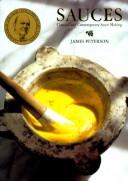
Begin with Sauces by James Peterson — the comprehensive modern bible of sauce-making. It organizes sauces by family and technique so you understand how they relate rather than memorizing recipes, and it is the backbone of this whole path. Read its opening chapters on stocks and the mother sauces before anything else.
Then build core hand skills with Jacques Pépin New Complete Techniques, a master class in the fundamental knife work, stocks, and reductions that every good sauce rests on. Pépin's clarity turns abstract methods into muscle memory.
Learn from the masters and the science
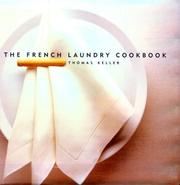
To see sauce-making at its most refined, The French Laundry cookbook by Thomas Keller shows how precision and restraint elevate a sauce — aspirational, but deeply instructive. For the everyday hero of the sauce world, Roasting by Barbara Kafka teaches the pan drippings and jus that become the best gravies.
Then understand why your techniques work with The Food Lab by J. Kenji López-Alt, which explains emulsions, thickening, and reduction through kitchen science, and Salt, Fat, Acid, Heat by Samin Nosrat, which teaches the balance that makes any sauce taste finished rather than flat. These two turn recipe-following into judgment.
Reach the professional canon
Finally, study the tradition and the standard. Le guide culinaire by Auguste Escoffier is the foundational codification of French sauce cookery — the source almost every later book draws from. And The Professional Chef by the Culinary Institute of America is the modern comprehensive text that ties classical and contemporary technique together.
Read in order, these move you from a nervous gravy-maker to someone who saucing by feel. Sauces are the connective tissue of cuisines, so this path pairs naturally with the regional cooking subjects — browse them here. Follow the full path to make sauces confidently, from a weeknight pan sauce to a proper hollandaise.
Follow the full reading path →
Ready to learn something deeply?
Build a reading path — free