The Best Books on Cider Making, in Order
This curriculum takes you from your first apple press all the way to crafting complex, blended, and sparkling hard ciders with the confidence of a seasoned cidermaker. The four stages build deliberately — first establishing the orchard-to-glass vocabulary and process, then deepening your fermentation science, then refining your palate for blending and style, and finally exploring the world's great cider traditions for advanced inspiration.
Foundations: Orchard to Glass
BeginnerUnderstand the full cider-making process end-to-end — apple selection, pressing, basic fermentation, and finishing — and build the vocabulary needed for everything that follows.
▸ Study plan for this stage
Pace: 4–5 weeks, ~40–50 pages/day. Start with "Cider Made Simple" (Week 1–2, ~200 pages), then "The Everything Hard Cider Book" (Week 3–5, ~300 pages). Build in 2–3 days for review and vocabulary consolidation.
- Apple varieties and their flavor profiles: how tannin, acid, and sugar content determine cider character
- The pressing process: equipment options (from manual to mechanical) and how to extract juice efficiently
- Fermentation fundamentals: yeast selection, temperature control, and the role of wild vs. cultured fermentation
- Basic chemistry of cider: specific gravity, ABV calculation, and how to monitor fermentation progress
- Finishing techniques: back-sweetening, carbonation methods, and clarity/stabilization
- Sanitation and contamination prevention: why cleanliness matters and common pitfalls
- Cider vocabulary: must-know terms like 'perry,' 'dry,' 'residual sugar,' 'tannins,' 'wild fermentation,' and 'racking'
- What are the three main flavor components in apples, and how do they affect the final cider?
- Describe the basic steps from apple harvest to bottled cider, and explain why each step matters.
- What is the difference between wild fermentation and cultured yeast fermentation, and when would you choose each?
- How do you calculate ABV, and what role does specific gravity play in monitoring fermentation?
- What are the main methods for carbonating cider, and what are the pros and cons of each?
- Why is sanitation critical in cider making, and what are three common contamination risks?
- Create an apple flavor profile chart: research and categorize 8–10 local or common apple varieties by tannin level, acidity, and sugar content using information from both books.
- Plan a small-batch cider recipe: select apple varieties, choose a fermentation method (wild or cultured), and write out your process step-by-step with timing.
- Calculate fermentation metrics: given starting and ending specific gravity readings, compute ABV and residual sugar for a hypothetical batch.
- Visit a local orchard or farmers market: taste 3–4 different apple varieties and describe their flavor profiles in cider-making terms (tannin, acid, sweetness).
- Set up a sanitation protocol: document your equipment cleaning and sterilization procedures, listing materials and steps for your future cider-making space.
- Taste-test commercial ciders: sample 4–5 different ciders (dry, semi-sweet, carbonated, still) and identify their likely fermentation method, finishing technique, and apple base based on flavor and appearance.
Next up: This stage equips you with the vocabulary, process knowledge, and foundational chemistry to move into intermediate techniques—such as advanced yeast management, blending strategies, and troubleshooting fermentation problems—that require a solid understanding of the basics.

A friendly, jargon-free introduction to what cider is and how it's made, written by a respected drinks journalist. Read this first to get a confident lay of the land before touching any equipment.
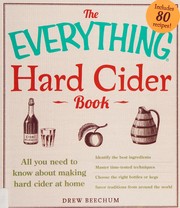
A practical, step-by-step beginner's guide covering pressing, sanitation, yeast selection, and basic fermentation. It bridges the gap between curiosity and your first successful batch.
Core Craft: Fermentation & Process
BeginnerMaster the mechanics of fermentation — yeast behavior, sugar management, temperature control, and producing clean still and sparkling ciders reliably.
▸ Study plan for this stage
Pace: 4–5 weeks, ~40–50 pages/day. Begin with Watson's foundational chapters on fermentation science (weeks 1–2), then transition to McKie's practical process details and troubleshooting (weeks 2–3). Week 4–5: review, experiment planning, and hands-on trials.
- Yeast biology and strain selection: understanding how different yeast species and varieties ferment sugars at different rates and temperatures, and how to choose the right strain for your cider style
- Sugar management and gravity readings: calculating original gravity, monitoring fermentation progress via specific gravity, and understanding residual sugar for dry vs. off-dry ciders
- Temperature control and its effects: how fermentation temperature influences yeast metabolism, flavor development, and the risk of stuck fermentations or off-flavors
- Fermentation timeline and phases: recognizing lag phase, active fermentation, and conditioning stages, and knowing when to rack, bottle, or intervene
- Sanitation and contamination prevention: maintaining clean equipment and understanding how wild yeasts and bacteria threaten cider quality
- Carbonation methods: the mechanics of natural bottle conditioning versus forced carbonation for sparkling ciders
- Troubleshooting common fermentation problems: recognizing and correcting stuck fermentations, off-flavors, and unexpected results
- What are the key differences between ale yeast, wine yeast, and cider-specific yeast strains, and when would you choose each for a particular cider?
- How do you calculate original gravity and what does a specific gravity reading tell you about fermentation progress?
- Why is temperature control critical during fermentation, and what temperature range is ideal for most cider yeasts?
- What are the main stages of fermentation, and how do you know when it's safe to rack or bottle your cider?
- What sanitation practices prevent wild yeast and bacterial contamination, and what signs indicate contamination has occurred?
- How do you produce a reliably carbonated sparkling cider using natural bottle conditioning, and what variables affect carbonation levels?
- What causes a stuck fermentation, and what are your options for restarting or salvaging the batch?
- Conduct a yeast comparison trial: ferment three small batches of the same juice with different yeast strains (e.g., ale yeast, wine yeast, and a cider-specific strain) and document fermentation speed, final gravity, and flavor differences over 4–6 weeks
- Practice gravity readings: take daily specific gravity measurements from a fermentation using a hydrometer, plot the results on a graph, and determine when fermentation is complete (stable readings for 3+ days)
- Temperature monitoring experiment: ferment two identical batches at different temperatures (e.g., 60°F vs. 70°F) and compare fermentation rate, final flavor, and clarity to understand temperature's role
- Sanitation protocol audit: document your entire equipment cleaning and sanitizing routine, then research and implement one upgrade (e.g., switching sanitizers or improving storage) and observe any quality improvements in your next batch
- Bottle carbonation trial: prepare 12–24 bottles from a single batch, adding different priming sugar amounts (or none for a control), seal them, and track carbonation levels weekly to find your ideal method
- Fermentation troubleshooting case study: read Watson and McKie's sections on stuck fermentations and off-flavors, then create a one-page decision tree for diagnosing and fixing common problems
- Blind tasting comparison: taste ciders fermented under different conditions (temperature, yeast, residual sugar) without knowing which is which, and practice identifying how process variables affect the final product
Next up: Understanding fermentation mechanics and reliable process control positions you to explore advanced techniques—blending, wild fermentation, oak aging, and specialty ingredients—that build on this foundation of clean, consistent cider production.
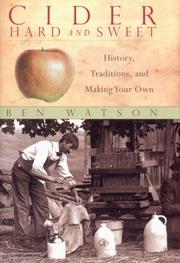
The most widely recommended beginner-to-intermediate cider book in North America, covering apple varieties, pressing, fermentation, and finishing in clear, authoritative detail. Read it cover to cover as your core reference.
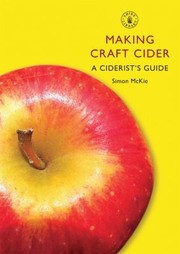
A concise, practical British guide that adds a traditional farmhouse perspective on fermentation vessels, wild yeast, and producing still cider — broadening your process intuition beyond commercial yeast approaches.
Going Deeper: Blending, Style & Flavor
IntermediateDevelop a sophisticated palate for apple varieties and blending; learn to craft intentional styles — dry, off-dry, sparkling, and tannic — with repeatable results.
▸ Study plan for this stage
Pace: 6–8 weeks, ~40–50 pages/day with 2–3 days per week for hands-on blending experiments and tasting notes
- Apple variety classification by tannin, acid, and sugar content, and how to select complementary varieties for intentional blends
- The relationship between fermentation conditions (temperature, yeast strain, nutrient additions) and final flavor profile and dryness level
- Carbonation methods and their impact on mouthfeel, perceived sweetness, and style expression (still, petillant, fully sparkling)
- Sensory evaluation frameworks: how to systematically taste and describe cider to identify flavor faults, balance, and complexity
- Blending as a corrective and creative tool: using secondary ciders to adjust tannin, acid, residual sugar, and alcohol in a primary cider
- Style definition and repeatability: establishing a personal house style through documented recipes, fermentation logs, and blending ratios
- The role of oxidation, aging, and wood contact in developing depth and preventing off-flavors
- How would you classify the main apple varieties discussed in the books by tannin, acid, and sugar, and which would you pair together to create a balanced dry cider?
- Explain how yeast selection and fermentation temperature influence whether a cider finishes dry, off-dry, or retains residual sweetness, using examples from the texts
- What are the key differences between still, petillant, and fully sparkling ciders in terms of production method and sensory impact, and when would you choose each style?
- Describe a systematic tasting protocol you could use to evaluate a cider's balance, identify faults, and decide whether blending is needed
- Walk through a blending scenario: if your primary cider is too acidic and thin, which secondary cider characteristics would you seek, and why?
- How would you document and repeat a successful cider recipe and style to ensure consistency across multiple batches?
- Conduct a comparative tasting of 3–4 single-varietal ciders (or juice samples if ciders unavailable) and document tannin, acid, and sugar profiles using a structured tasting sheet; identify which varieties would complement each other in a blend
- Create a blending trial: make 2–3 small-batch experimental blends from available ciders or juices in different ratios (e.g., 70/30, 50/50, 30/70), taste them weekly for 4 weeks, and record how flavor balance evolves
- Ferment a single batch of juice under two different conditions (e.g., different temperatures or yeast strains) and compare the final dryness, flavor, and aroma; document all parameters and results
- Design and execute a carbonation experiment: take a still cider and carbonate three samples to different levels (still, petillant, fully sparkling) and evaluate how carbonation changes perceived sweetness and mouthfeel
- Develop a personal tasting framework by working through the sensory evaluation methods in the books; apply it to 5–6 commercial ciders or your own samples, writing detailed tasting notes for each
- Create a detailed recipe card and fermentation log for one intentional cider style (dry, off-dry, or sparkling), including apple varieties, yeast strain, fermentation temperature targets, and blending adjustments; plan a repeat batch to test consistency
Next up: This stage equips you with the palate sensitivity and blending toolkit to move into advanced topics such as wild fermentation, specialized ingredients (honey, herbs, spices), and scaling production while maintaining quality and style consistency.

Moves beyond basic recipes into the sensory science of flavor development, tannin management, and blending strategy. This is where you shift from making cider to crafting cider.

Written by a leading cider scientist, this book rigorously covers apple biochemistry, pectin, tannins, acidity, and the chemistry behind fermentation — essential reading before attempting serious blending or sparkling cider production.
Mastery: World Traditions & Advanced Technique
ExpertDraw on the great cider-making traditions of England, France, and Spain to inform your own advanced practice, and understand how terroir, heritage varieties, and méthode traditionnelle sparkling techniques elevate cider to its highest expression.
▸ Study plan for this stage
Pace: 8–10 weeks, ~40–50 pages/day, with 1–2 weeks between books for reflection and practice
- Terroir in cider: how soil, climate, and microclimate shape apple character and final cider expression
- English cider traditions: perry pears, dry farmhouse styles, and the heritage varieties that define West Country ciders
- French ciderie practices: Normandy and Brittany methods, including natural fermentation, blending, and bottle conditioning
- Spanish sidra culture: Asturian and Basque traditions, natural carbonation techniques, and the ritual of pouring (escanciar)
- Heritage and heirloom apple varieties: their flavor profiles, tannin structures, and suitability for different cider styles
- Méthode traditionnelle and natural sparkling techniques: bottle conditioning, secondary fermentation, and achieving complexity through time
- Blending philosophy: how to combine varieties, vintages, and fermentation styles to achieve balance and depth
- The relationship between cider-making philosophy and terroir expression: how tradition informs modern advanced practice
- What are the defining characteristics of English, French, and Spanish cider traditions, and how do their production methods differ?
- How does terroir influence cider flavor, and what specific environmental factors should you assess when sourcing apples or establishing an orchard?
- Which heritage apple varieties are essential to each tradition, and what flavor and tannin profiles do they contribute?
- What is méthode traditionnelle in cider, and how does it differ from other carbonation methods discussed in the books?
- How do you approach blending ciders from different varieties, fermentation styles, or vintages to achieve complexity and balance?
- What role does time and aging play in the expression of terroir and the development of advanced cider character?
- Create a terroir profile for your local region or a region you source apples from, documenting soil type, climate, microclimate, and how these factors would influence apple character
- Conduct a comparative tasting of 3–4 ciders from different traditions (English, French, Spanish) and analyze how production method and terroir are expressed in each
- Research and document 5–6 heritage apple varieties from the traditions covered, recording their flavor profiles, tannin levels, acidity, and best-use applications
- Design a blending experiment: select 2–3 different apple varieties or fermentation styles and create 3–4 blends, tasting and evaluating which combinations achieve the best balance
- Attempt a small-batch méthode traditionnelle cider using bottle conditioning and secondary fermentation, documenting carbonation development and flavor evolution over 3–6 months
- Visit or contact a cidery practicing one of the three traditions (or interview a cider maker online) and document their approach to terroir, variety selection, and production philosophy
Next up: This stage equips you with the historical, technical, and philosophical foundations of world cider traditions, positioning you to develop your own signature style that honors terroir and tradition while innovating within your unique context.

A beautifully researched survey of elite cider producers worldwide — Basque, Norman, Herefordshire, and beyond — that trains your palate and ambition by showing what mastery looks like across cultures.

From the author of the definitive home-cider bible, this global exploration of cider traditions and apple varieties gives advanced makers the cultural and varietal depth to push their own blending and style decisions to a new level.
Discussion
Keep reading
Paths that share books, cover the same subject, or open a related topic.