Best Jamaican Cookbooks to Learn the Cuisine
This curriculum takes you from the cultural roots and essential techniques of Jamaican cooking all the way to mastering its most iconic dishes and the fiery pepper pantry that defines the cuisine. Each stage builds on the last — starting with context and foundational flavors, moving through the landmark recipes (jerk, curry goat, oxtail, ackee and saltfish, festival, bammy), and finishing with the deep craft of seasoning and spice that separates good Jamaican cooking from truly authentic Jamaican cooking.
Roots & Foundations
BeginnerUnderstand the cultural history, pantry staples, and flavor logic of Jamaican cuisine before touching a pot — building the vocabulary (scotch bonnet, allspice, thyme, coconut milk, saltfish) and intuition needed for every recipe ahead.
▸ Study plan for this stage
Pace: 4–5 weeks, ~25–30 pages/day (alternating between both books; expect 2–3 days per chapter)
- The historical roots of Jamaican cuisine: African, Taino, British, and Indian influences and how each shaped ingredient choice and cooking technique
- Core pantry staples and their flavor profiles: scotch bonnet peppers, allspice, thyme, coconut milk, saltfish, ackee, and callaloo
- The logic of flavor layering in Jamaican cooking: how heat, earthiness, sweetness, and umami combine in dishes like jerk and stews
- Regional and seasonal variations across Jamaica and how geography (mountains, coasts, plains) determines what grows and what people cook
- The cultural significance of food in Jamaican life: celebrations, street food, family meals, and the role of cooking in identity
- Reading ingredient lists and understanding substitutions: how to recognize when Caribbean ingredients are essential versus when alternatives work
- What are the four major cultural influences on Jamaican cuisine, and what specific ingredients or techniques did each bring?
- Name at least five core Jamaican pantry staples and describe the flavor profile or primary use of each
- Why is coconut milk central to Jamaican cooking, and in what types of dishes does it typically appear?
- What is the difference between saltfish and fresh fish in Jamaican cuisine, and why is saltfish historically significant?
- How do geography and climate shape what ingredients are available in different regions of Jamaica?
- What is jerk seasoning, what are its main components, and what is its cultural origin?
- Create a pantry inventory: list 10–12 essential Jamaican ingredients with their flavor profiles, primary uses, and where to source them (local or online)
- Flavor mapping exercise: taste or smell individual ingredients (allspice, thyme, scotch bonnet if safe, coconut milk) and write 3–4 descriptors for each; then predict how they might work together
- Cultural timeline: create a visual or written timeline showing how African, Taino, British, and Indian influences entered Jamaica and what foods/techniques each brought
- Regional deep-dive: choose one region of Jamaica (e.g., the Blue Mountains, the coast, the plains) and research what grows there and what signature dishes come from it
- Ingredient substitution guide: for 5–6 hard-to-find Caribbean ingredients, research and document 2–3 realistic substitutes and note when they work and when they don't
- Tasting notes journal: if possible, visit a Caribbean market or restaurant and taste 3–4 authentic Jamaican dishes; write down ingredients you recognize and flavor combinations that surprise you
Next up: This foundation in history, ingredients, and flavor logic equips you to approach actual recipes with understanding rather than blind following—you'll recognize why certain ingredients matter, how to adapt when needed, and what flavors you're aiming for in every dish.

A welcoming, broad introduction to Caribbean cooking that covers the shared pantry, techniques, and dishes across the islands — including Jamaican staples — giving beginners essential context before diving into Jamaica-specific books.

While a travel guide, its food culture sections ground the learner in the regional and parish-by-parish food traditions of Jamaica, explaining why jerk comes from Boston Bay and ackee is the national dish — cultural fluency that makes recipes meaningful.
The Jamaican Kitchen — Core Recipes
BeginnerCook the essential canon: ackee and saltfish, rice and peas, festival, bammy, curry goat, and oxtail — building confidence with authentic technique and ingredient sourcing.
▸ Study plan for this stage
Pace: 6–8 weeks, ~20–30 pages/day plus 2–3 cooking sessions per week
- Sourcing and preparing saltfish: desalting, boiling, and flaking techniques from Quinn's foundational methods
- The role of coconut milk and spice blends (allspice, thyme, scotch bonnet) as flavor anchors in Jamaican cuisine
- Proper rice and peas ratios and the pigeon pea-to-rice balance for authentic texture
- Frying and seasoning techniques for festival dough and bammy (cassava bread) to achieve correct crispness and flavor
- Browning meat (goat, oxtail) to develop depth before braising in aromatic bases
- Ingredient sourcing: identifying Caribbean markets, substitutions, and quality markers for specialty items
- The cultural and historical context of these dishes in Jamaican food tradition
- Building mise en place discipline and timing coordination for multi-step recipes
- How do you properly desalt ackee and saltfish, and why are multiple water changes essential?
- What is the correct ratio of rice to pigeon peas, and how does coconut milk affect the cooking process?
- Describe the technique for frying festival dough to achieve a golden exterior and fluffy interior.
- What are the key steps in browning oxtail or curry goat before braising, and why does this step matter?
- Where can you source authentic Jamaican ingredients, and what are acceptable substitutions if items are unavailable?
- How does the preparation of bammy differ from other starches, and what texture should you aim for?
- Prepare ackee and saltfish from scratch twice, comparing desalting methods and documenting texture differences
- Cook rice and peas three times, adjusting coconut milk ratios and timing to find your preferred consistency
- Make festival dough and fry a batch, testing oil temperature and frying time to achieve consistent results
- Prepare bammy using cassava flour or fresh cassava, noting texture and flavor variations
- Braise curry goat and oxtail in separate sessions, documenting browning time, spice levels, and final tenderness
- Visit a Caribbean market (or order online) and source at least 5 specialty ingredients; document suppliers and quality
- Cook a complete Jamaican meal combining 3–4 of these dishes, timing all components to finish together
- Create a personal spice blend reference card with allspice, thyme, and scotch bonnet ratios for future use
Next up: This stage builds muscle memory and ingredient familiarity with Jamaica's most iconic dishes, preparing you to explore regional variations, street food, and less common recipes in the next stage with confidence in your foundational technique.
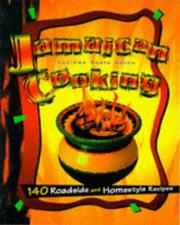
A clear, approachable, and rigorously authentic cookbook focused entirely on Jamaica — the ideal first hands-on text, covering ackee and saltfish, rice and peas, bammy, and stewed oxtail with reliable home-cook instructions.
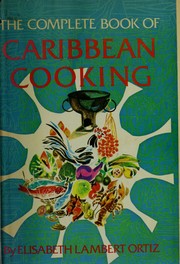
A classic, deeply researched reference that contextualizes Jamaican recipes within the broader Caribbean tradition, reinforcing technique and introducing the curry goat and pepper traditions with historical depth.
Jerk — The Heart of It
IntermediateMaster jerk in all its forms — the marinade, the wood-smoke technique, the scotch bonnet heat balance — and understand why jerk is a philosophy as much as a recipe.
▸ Study plan for this stage
Pace: 4–5 weeks, ~25–30 pages/day. Start with "Jerk from Jamaica" (weeks 1–2), then move to "Provisions" (weeks 3–5) to deepen understanding of ingredient sourcing and preparation.
- The historical and cultural roots of jerk as a preservation and cooking method developed in Jamaica
- The essential components of jerk marinade: scotch bonnet peppers, allspice, thyme, and their flavor balance and heat management
- Wood-smoke techniques and fuel selection (pimento wood, hardwoods) and their impact on authentic jerk flavor
- Jerk as a philosophy: the relationship between technique, ingredient quality, and cultural identity in Jamaican cooking
- The role of provisions (staple vegetables and starches) in the traditional jerk meal and their preparation methods
- Sourcing and selecting quality ingredients, particularly scotch bonnets and fresh herbs, for authentic results
- The distinction between pit-cooking, drum-smoking, and modern adaptations of jerk preparation
- What are the core ingredients in a traditional jerk marinade, and how do you balance heat and flavor when using scotch bonnet peppers?
- Why is pimento wood (or specific hardwoods) preferred for jerk smoking, and how does the choice of fuel affect the final dish?
- How did jerk develop as a cooking method in Jamaica, and what role did it play in the island's culinary history?
- What is meant by jerk as a 'philosophy,' and how does this philosophy influence the way ingredients are selected and prepared?
- Name three traditional provisions that accompany jerk, and explain how they are prepared and why they complement the dish
- How do modern jerk techniques (oven, grill, drum) compare to traditional pit-cooking, and what is lost or gained in each method?
- Make a traditional jerk marinade from scratch using Willinsky's recipe, tasting and adjusting the scotch bonnet heat level to your preference; document the ratios and your tasting notes
- Source fresh scotch bonnets, allspice berries, and fresh thyme from a Caribbean market or specialty grocer; compare their quality and flavor to dried alternatives
- Prepare jerk chicken using at least two different cooking methods (pit/drum, charcoal grill, or oven) and conduct a blind taste comparison to identify flavor differences
- Cook a complete jerk meal with at least two provisions from Rousseau's 'Provisions' (e.g., rice and peas, fried plantains, roasted root vegetables); serve and evaluate how the provisions complement the jerk
- Interview or research a Jamaican cook or jerk vendor about their personal philosophy and technique; document how their approach reflects the cultural values discussed in both books
- Create a detailed ingredient sourcing guide for your region, identifying where to buy authentic scotch bonnets, pimento wood, and other key jerk ingredients, with quality notes
Next up: This stage establishes jerk as both a technical skill and a cultural practice, preparing you to explore how jerk influences and integrates into broader Jamaican cuisine, regional variations, and contemporary adaptations in the next stage.
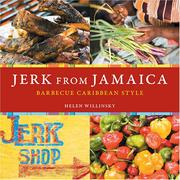
The definitive English-language book on jerk cooking, written by a Jamaican author who grew up in the tradition — covers dry rubs, wet marinades, pork, chicken, fish, and the pimento-wood smoking method that defines authentic jerk.

Deepens the jerk chapter by placing it within the Afro-Caribbean culinary heritage — Maroon cooking traditions, ground provisions, and the pepper pantry — bridging jerk technique with broader Jamaican food philosophy.
The Pepper Pantry & Spice Mastery
IntermediateCommand the Jamaican spice and pepper pantry — scotch bonnet, allspice (pimento), ginger, turmeric, curry blends — and learn to build, layer, and balance heat and seasoning the way Jamaican cooks do instinctively.
▸ Study plan for this stage
Pace: 4–5 weeks, ~25–30 pages/day. Week 1–2: "The Spice Companion" (focus on Jamaican spices); Week 3–5: "Fiery Ferments" (fermentation techniques and pepper preservation). Allow 2–3 days between books for integration exercises.
- The flavor profiles and heat levels of Jamaican spices: scotch bonnet, allspice (pimento), ginger, turmeric, and curry blends—their origins, characteristics, and traditional uses
- How to build and layer spice blends to create depth and complexity without overwhelming the palate, using Sercarz's blending principles
- The role of fermentation in developing and preserving heat, umami, and complexity in peppers and spice-based condiments
- Techniques for balancing heat intensity with complementary flavors (sweetness, acidity, earthiness) the way Jamaican cooks do instinctively
- How to taste, evaluate, and adjust spice blends for proper seasoning intensity and flavor harmony
- Preservation methods for fresh peppers and spices through fermentation to extend shelf life and deepen flavor
- The cultural and historical context of Jamaican spice use and how it shapes modern cooking practices
- What are the distinct flavor profiles and Scoville heat levels of scotch bonnet, allspice, ginger, turmeric, and common Jamaican curry blends, and how do they differ from their counterparts in other cuisines?
- How does Sercarz's blending methodology help you construct a balanced Jamaican spice blend, and what principles guide the ratio and layering of individual spices?
- Why is fermentation valuable for pepper and spice-based condiments, and what flavor and preservation benefits does it provide compared to fresh or dried preparations?
- How do you taste and evaluate a spice blend or fermented pepper sauce to determine if the heat, seasoning, and flavor balance are correct, and what adjustments would you make if it's too hot, flat, or unbalanced?
- What are the key steps and safety considerations for fermenting scotch bonnet peppers or spice blends at home, and how long does the process typically take?
- How would you apply fermentation and spice-layering techniques to create a signature Jamaican hot sauce or seasoning blend that reflects both traditional flavor principles and your own palate?
- Create a spice flavor map: taste and document the individual flavor profiles (heat, aroma, sweetness, earthiness) of scotch bonnet, allspice, ginger, turmeric, and one Jamaican curry blend; note how each evolves on the palate over 30 seconds
- Build three different Jamaican-inspired spice blends using Sercarz's methodology: one balanced for heat and depth, one emphasizing allspice and warmth, and one highlighting ginger and brightness; test each in a simple rice or bean dish
- Ferment fresh scotch bonnet peppers using Shockey's basic brine method; document the flavor changes weekly over 4 weeks, noting how heat, umami, and complexity develop
- Develop a fermented hot sauce or pepper paste by combining fermented scotch bonnets with complementary spices (ginger, allspice, turmeric); taste and adjust seasoning and heat balance at weeks 2 and 4
- Conduct a blind tasting of 3–4 commercial Jamaican hot sauces or jerk seasonings; identify the spices and fermentation indicators present, and evaluate how well they balance heat and flavor
- Create a written spice and pepper reference guide for your kitchen: list each Jamaican spice, its flavor profile, best uses, storage method, and how to adjust heat/intensity in a dish if needed
Next up: This stage equips you with deep knowledge of individual Jamaican spices and fermentation mastery, preparing you to apply these building blocks to classic Jamaican dishes—jerk, curries, stews, and condiments—where spice layering and heat balance are essential to authentic flavor.

A master spice blender's guide to understanding individual spices — allspice, scotch bonnet, turmeric, ginger — at a deep level, giving the learner the analytical tools to understand and recreate Jamaican spice logic from first principles.

Covers hot sauce, pepper mash, and fermented condiment traditions that directly apply to Jamaican scotch bonnet sauces and pickled pepper pantry items — elevating the learner's ability to make and preserve authentic Jamaican pepper condiments.
Deep Mastery — Modern Jamaican & Diaspora Cooking
ExpertSynthesize everything — technique, culture, spice, and history — through the lens of modern Jamaican chefs who honor tradition while pushing the cuisine forward, enabling the learner to cook with full creative authority.
▸ Study plan for this stage
Pace: 8–10 weeks, ~25–30 pages/day, with 2–3 dedicated cooking sessions per week
- How modern Jamaican chefs reinterpret ancestral recipes and techniques while maintaining cultural integrity and flavor foundations
- The role of diaspora identity in shaping contemporary Jamaican cooking—how migration, memory, and belonging inform ingredient choice and plate composition
- Spice layering and heat management as both technical skill and cultural expression—moving beyond single-note seasoning to complex, intentional flavor architecture
- The relationship between land, history, and ingredient sourcing—understanding provenance as a creative and ethical anchor for modern Jamaican cuisine
- Fusion and cross-cultural cooking as a legitimate extension of Jamaican tradition, not a departure from it—how chefs like those featured in these works honor multiple heritages simultaneously
- Plating, presentation, and storytelling as integral to Jamaican cooking—how visual and narrative framing elevates home cooking to fine dining without losing soul
- Personal voice and creative authority in the kitchen—developing your own signature approach rooted in deep technique and cultural knowledge
- How do the chefs profiled in *Motherland* and *Mezcla* balance respect for traditional Jamaican recipes with their own creative innovation? What specific techniques or ingredients do they use to signal both homage and evolution?
- What role does diaspora experience play in shaping the cooking philosophy of the authors and chefs featured in these books? How does displacement or migration inform their approach to flavor and ingredient selection?
- Explain the concept of spice layering as demonstrated in recipes and techniques from both books. How does this differ from single-spice seasoning, and why does it matter culturally and technically?
- How do *Motherland* and *Mezcla* address the relationship between ingredient sourcing and creative integrity? What compromises or solutions do modern Jamaican chefs propose when traditional ingredients are unavailable?
- Describe a dish or cooking principle from either book that exemplifies fusion or cross-cultural cooking. Why does the author or chef present this as authentically Jamaican rather than inauthentic?
- After reading both books, what is your personal definition of 'modern Jamaican cooking'? How would you cook a traditional dish differently after absorbing these texts?
- Cook 3–4 recipes from *Motherland* in sequence, documenting your process and flavor observations. Note where you deviate from the recipe and why—this builds awareness of your own palate and decision-making.
- Cook 2–3 recipes from *Mezcla* that explicitly blend Jamaican and another cuisine. Analyze the spice ratios, cooking methods, and plating choices. Then recreate one dish with a different cultural influence to test the underlying principles.
- Create a spice blend inspired by a recipe from either book. Taste it in isolation, then apply it to three different proteins or vegetables. Document how the same blend shifts in character depending on context.
- Interview or research one chef mentioned in *Motherland* or *Mezcla* (or a similar modern Jamaican chef). Write a 500-word reflection on how their background, diaspora experience, or philosophy aligns with or challenges what you've read.
- Develop your own 'fusion' dish that honors a Jamaican technique or flavor profile while incorporating an ingredient or cultural tradition from your own background. Cook it, photograph it, and write a short narrative explaining your choices.
- Host a tasting menu (4–5 courses) using recipes and principles from both books. Invite others and tell the story of each dish—its cultural roots, modern interpretation, and your creative choices. This synthesizes reading, cooking, and communication.
Next up: This stage equips you with the conceptual and technical foundation to cook Jamaican food with full creative authority—understanding both the deep history and the permission to innovate—preparing you to either specialize further (e.g., regional Jamaican cuisines, specific techniques like fermentation or preservation) or apply these principles to other cuisines with the same cultural rigor and respe

A critically acclaimed, beautifully researched modern Jamaican cookbook that traces the full arc of the cuisine from West African roots to the diaspora — the ideal capstone that rewards every layer of knowledge built in prior stages.

While not exclusively Jamaican, Belfrage's technique-forward approach to layering bold flavors, chiles, and fermented condiments directly mirrors advanced Jamaican cooking thinking — pushing the advanced learner to internalize flavor-building as instinct rather than recipe-following.
Discussion
Keep reading
Paths that share books, cover the same subject, or open a related topic.